This collection gathers articles, definitions, and maps covering the states, cultures, and events related to Unit 1: The Global Tapestry of the AP® World History: Modern curriculum. This collection is a single resource for teachers, providing the materials needed to explore how geographically distant societies developed along both similar and differing paths across the globe.
⬇️ Scroll down to see the collection!
Ideas for Teachers
- Compare state-building across regions: Divide your students into pairs and have them build a Venn diagram comparing how two different states developed and maintained power, based on their reading of the one relevant article each.
- Use the maps as visual evidence: Put the Map of the Mongol Empire and the Map of the Four Khanates side by side. Then have students discuss how and why such a large empire broke apart in such a short period of time.
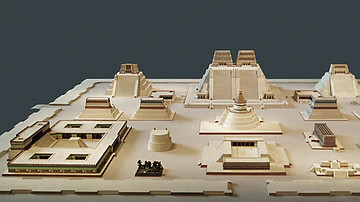
- Examine a description of a capital city: Have students scan the Tenochtitlan and The Fall of Tenochtitlan articles for descriptions of the city (in the "before" and "after" states of Spanish conquest). Ask them to identify evidence to support a claim about the city's scale.
- Trace a traveler across the map set: Trace and compare Marco Polo's and Ibn Battuta's routes on the respective maps of their travels. Identify which other topics in this unit each of the routes passes through.
- Black Death cause-and-effect chain: Using relevant maps and articles from the list below, trace how the plague reached Europe starting with Mongol trade networks and how it led to the decline of feudalism.
- Africa comparison: The articles Great Zimbabwe, Hausaland, and Solomonic Descent in Ethiopian History match the curriculum's named examples, providing you with a perfect three-article group for a compact comparative lesson.
Browse the collection below to find materials that fit your teaching style, and feel free to adapt them to your students. Note that our articles are print-friendly, and there is a PDF export button on each article page.