This collection collates articles, definitions, and maps covering the voyages, empires, and exchanges related to Unit 4: Transoceanic Interconnections of the AP® World History: Modern curriculum. It offers an overview for teachers, providing the materials needed to explore how the linking of the Eastern and Western Hemispheres transformed economies, populations, and societies across the globe.
⬇️ Scroll down to see the collection!
Ideas for Teachers
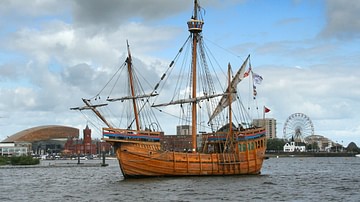
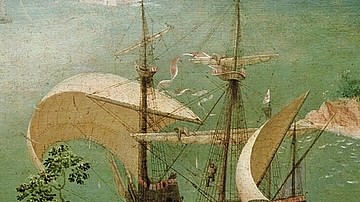
- Technological transmission: Ask students to read the Caravel and Carrack articles and then identify which features of their respective designs came from contact with other maritime cultures, including the lateen sail borrowed from the Arab dhow.
- Navigation with winds & currents: Show students both of the Four Voyages of Columbus maps (side by side). Have them use the trade winds and currents on the wider map to explain why his outbound and return routes differed so sharply.
- Primary source evidence: Have students read the Columbian Exchange article and ask them to list the evidence the author uses to support claims about the movement of crops, animals, and disease between Europe and the New World.
- Follow the silver: Using the Manila Galleon article, ask students to trace the flow of American silver from the mines to Manila to China. Then discuss in groups how & why Chinese demand for silver shaped a trade route across the Pacific.
- Eyewitness account: Assign reading of Olaudah Equiano's Account of the Middle Passage and ask your students to identify Equiano's point of view, purpose, historical situation, and the intended audience of his account.
- Compare two empires: Put the Portuguese, Dutch, and Spanish empire maps side by side. Ask your students to work out which powers focused on creating networks of trade posts and which empires built territorial colonies. Explore the benefits and downsides of both approaches.
Browse the collection below to find materials that fit your teaching style and feel free to adapt them to your students. Note that our articles are print-friendly, and there is a PDF export button on each article page.