
Search
Remove Ads
Advertisement
Search Results
Image
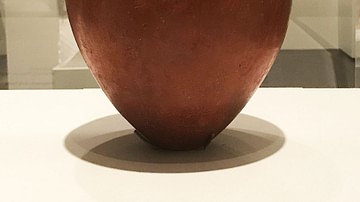
Predynastic Period Terracotta Vase from Egypt
This terracotta vase dates from the Predynastic period in ancient Egyptian history, c. 4500-3100 BCE. (Iris & B. Gerald Cantor Center for Visual Arts at Stanford University, Stanford, California)
Image
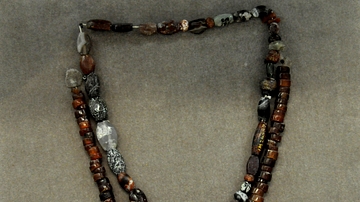
Necklaces from Uruk Period
These two necklaces were made of red agate and were found inside a grave that dates back to the Uruk period, 4000-3100 BCE, Mesopotamia, Iraq. (The Sulaimaniya Museum, Iraq).

Image
Yayoi Period Bracelet
A glass bead bracelet from the Yayoi Period in Japan, 5th century BCE to 3rd century CE. (Tokyo National Museum)

Image
Later Three Kingdoms Period
A map showing the political geography of Korea during the Later Three Kingdoms period (889-935 CE).
Image
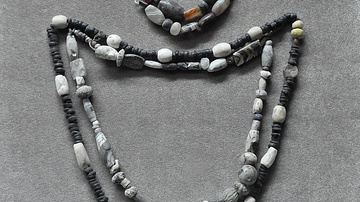
Necklaces from the Old Babylonian period
These 3 necklaces were founds inside graves. From Mesopotamia, modern-day Iraq. Old-Babylonian period, 2000-1500 BCE. The Sulaimaniya Museum, Iraq.
Image
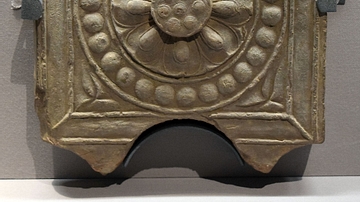
Asuka Period Roof Tile
A terracotta roof tile with lotus design. Japan, Asuka Period, 538-710 CE. From the ruins of Minamishigahaiji, Otsu-shi, Shiga. (Tokyo National Museum)
Image
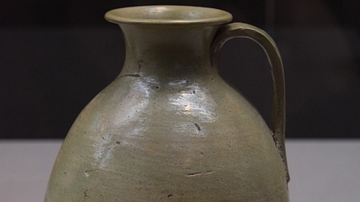
Sanage Ware, Nara Period.
A Japanese sanage ware jug with natural glaze. Nara Period, 8th century CE. (Tokyo National Museum)

Image
Demotic Temple Oath from the Ptolemaic Period
This piece of pottery with Demotic Egyptian text records an oath taken by Petasatet to declare his innocence in the case of cloth theft. This oath was taken before a priest of the Temple of Hathor on Dec...
Image
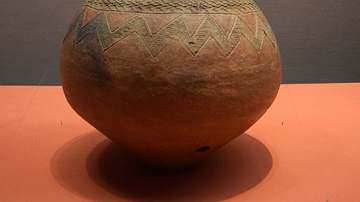
Yayoi Period Jar
A jar of the Yayoi Period, 1st-3rd century CE. From Kugahara, Ota-ku, Tokyo. Important Cultural Property. (Tokyo National Museum)
Image
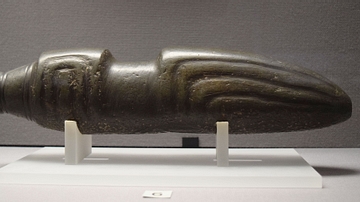
Jomon Period Stone Ritual Object
This stone ritual object comes from Japan and dates to the Jomon period, between 3000-400 BCE. (Tokyo National Museum)
