


Early Japanese history developed through migration, cultural exchange, technological change, and increasingly complex political organization across the Japanese archipelago. Following Paleolithic settlement, regional communities interacted with peoples and ideas from the Korean Peninsula and continental East Asia. Agriculture, metallurgy, new religious traditions, and changing systems of government gradually transformed society, although these developments occurred unevenly and older regional cultures continued alongside emerging political centers.
- Jōmon Period (c. 14,500–900 BCE) – diverse communities relied on hunting, fishing, gathering, and plant use while developing settled lifeways, extensive exchange networks, and distinctive cord-marked pottery among the earliest known in the world.
- Yayoi Period (c. 900 BCE–250 CE) – migration and exchange introduced and spread wet-rice agriculture, bronze and iron technologies, especially through western and central Japan. Population growth, social hierarchy, and increasingly organized regional polities accompanied these changes, while Jōmon-derived traditions continued elsewhere.
- Kofun Period (c. 250–538 CE) – monumental keyhole-shaped burial mounds reflected the emergence of powerful elites and growing Yamato-centered political alliances. Contacts with the Korean Peninsula contributed to technological, military, and cultural exchange.
- Asuka Period (538–710 CE) – Buddhism and continental learning became increasingly influential as the Yamato court strengthened royal authority. Political reforms associated with Prince Shōtoku and the Taika reforms helped move government toward a more centralized state.
- Nara Period (710–794 CE) – the establishment of a permanent capital at Heijō-kyō (Nara) accompanied the development of the ritsuryō administrative system, provincial government, taxation, and state-sponsored Buddhism. Diplomatic and cultural exchange with Tang China strongly influenced government, religion, art, and learning.
- Heian Period (794–1185 CE) – the imperial court moved to Heian-kyō (Kyoto), where aristocratic culture, Japanese writing, poetry, and literature flourished. At the same time, provincial estates and warrior families gained increasing autonomy and military power, culminating in the Genpei War (1180–1185) and the rise of warrior-led government.
After the Heian period, political power shifted increasingly into the hands of warrior elites. The establishment of the Kamakura shogunate in 1192 formalized a new system in which emperors remained important symbols of legitimacy while military governments dominated Japanese politics for centuries.
About the Author
Related Images

Major Temples and Shrines of Japan circa 1200 CE, Kamakura Shogunate

Japanese Beads from the Kofun Period
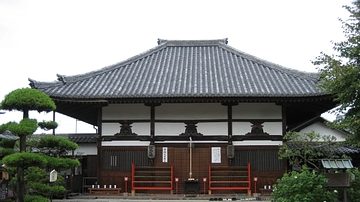
Asuka-dera, Nara
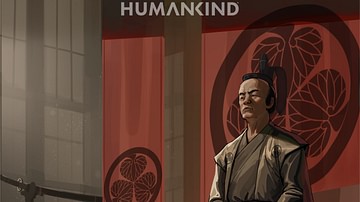
Samurai Bow Before The Shogun

Sutra Case from Heian Period Japan

Unusual Object from Japanese Kofun
Cite This Work
APA Style
Netchev, S. (2026, November 16). 6 Periods of Early Japanese History: From Jōmon Culture to the Rise of the Samurai. World History Encyclopedia. https://www.worldhistory.org/image/16269/6-periods-of-early-japanese-history/
Chicago Style
Netchev, Simeon. "6 Periods of Early Japanese History: From Jōmon Culture to the Rise of the Samurai." World History Encyclopedia, November 16, 2026. https://www.worldhistory.org/image/16269/6-periods-of-early-japanese-history/.
MLA Style
Netchev, Simeon. "6 Periods of Early Japanese History: From Jōmon Culture to the Rise of the Samurai." World History Encyclopedia, 16 Nov 2026, https://www.worldhistory.org/image/16269/6-periods-of-early-japanese-history/.
