
Search
Remove Ads
Advertisement
Search Results
Article
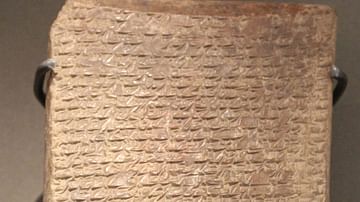
Ludlul-Bel-Nemeqi
The Ludlul-Bel-Nemeqi (c. 1700 BCE) is a Sumerian and later Babylonian poem on the theme of unjust suffering, which is thought to have influenced the biblical Book of Job. Also known as The Poem of the Righteous Sufferer, the...

Definition
Mesopotamian Government - Helping and Serving the Gods
Ancient Mesopotamian government was based on the understanding that human beings were created to help and serve the gods. The high priest, king, assembly of elders, governors, and any other officials...

Definition
Wanka Civilization
The Wanka (also Wanca or Huanca) people occupied the highlands of ancient central Peru around Lake Junin and the Manataro, Chanchamayo and Tarma rivers. The culture flourished from the Middle to Late Horizon periods (600 CE...

Definition
Early Dynastic Period in Mesopotamia - Era of Many of the "Firsts" in Civilization
The Early Dynastic period in Mesopotamia is the modern-day archaeological term for the era in Mesopotamian history – circa 2900 to circa 2350/2334 BCE – during which some of...

Image Gallery
A Gallery of the Indus Valley Civilization
The Indus Valley Civilization (c. 7000-c. 600 BCE) is among the oldest in the world but, as it was only “discovered” in 1829 – after ancient Egyptian and Mesopotamian sites had already been excavated – many...

Definition
Eridu - The Divine Birthplace of Kingship and Order
Eridu (present-day Abu Shahrein, Iraq) was considered the first city in the world by the ancient Sumerians and is among the most ancient of the ruins from Mesopotamia. Founded circa 5400 BCE, Eridu...

Definition
Gutians - The Great Villains of the Sumerian Scribes
The Gutians were a West Asiatic people who are thought to have lived around the Zagros Mountains in a region referred to as Gutium. They had no written language and all that is known of them comes from...

Definition
Mesopotamia - The Beginning of Beginnings
Mesopotamia (from the Greek, meaning "between two rivers") was an ancient region located in the Near East (Middle East) bounded in the northeast by the Zagros Mountains and in the southeast by the Arabian Plateau...

Definition
Elam - The Ancient High Country
Elam was a region in the Near East corresponding to the modern-day provinces of Ilam and Khuzestan in southern Iran (though it also included part of modern-day southern Iraq) whose civilization spanned thousands of...
Article
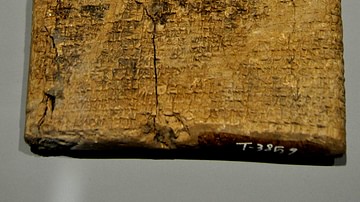
Matter of Aratta
The Matter of Aratta is the modern-day title for a collection of four poems – Enmerkar and the Lord of Aratta, Enmerkar and En-suhgir-ana, Lugalbanda in the Mountain Cave, and Lugalbanda and the Anzud Bird – concerning the rivalry...
