
Search
Remove Ads
Advertisement
Search Results

Definition
Taj Mahal - Symbol of Love, Power, & Mughal Architecture
The Taj Mahal is a mausoleum complex in Agra, Uttar Pradesh, northern India. Commissioned by the Mughal Emperor Shah Jahan to inter and memorialise his wife Mumtaz Mahal, the building is the finest...

Definition
Saint Sophia Cathedral, Kyiv
Saint Sophia Cathedral in Kyiv, Ukraine is a monument of 11th-century architecture, painting, and mosaic work. The cathedral was named after Hagia Sophia and, as the main temple of the state, played the role of its spiritual...

Definition
Razia Sultan - The First Female Muslim Ruler of India
Sultan Razia (Raziyyat-Ud-Dunya Wa Ud-Din, r. 1236-1240) was one of the few women rulers in the Indian subcontinent and the first and only female Sultan of Delhi. Despite facing Herculean challenges...

Definition
Goryeo
Goryeo (Koryo) ruled Korea from 918 to 1392. The kingdom oversaw an unprecedented flourishing in culture and arts with developments in architecture, ceramics, printing, and papermaking. The kingdom was repeatedly invaded by the Mongols...

Definition
Constantine V
Constantine V, also known as Constantine the Dung-named by his enemies, was emperor of the Byzantine empire from 741 to 775 CE. He enjoyed military successes in the Middle East and Balkans but his reign is chiefly remembered for...

Definition
Osman I
Osman I, also known as Osman Gazi (c. 1258 - c. 1323 CE), was the founder and first Sultan of the Ottoman Beylik, which would rise to eventually become the Ottoman Empire. He was the ruler of a small Turkic principality among many in...
Definition
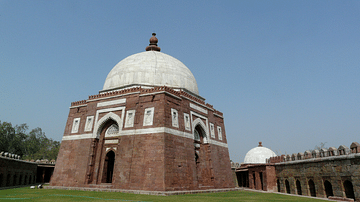
Tughlaq Dynasty
The Tughlaq dynasty (also spelt Tughluq), ruled the Delhi sultanate from 1320 to 1413. Followed by the Khalji dynasty and preceded by the Sayyids, the Tughlaq dynasty formed an important period in the history and culture of the...

Definition
Ancient Korea
Korea, located on a large peninsula on the eastern coast of the Asian mainland, has been inhabited since Neolithic times. The first recognisable political state was Gojoseon in the second half of the first millennium BCE. From the...

Definition
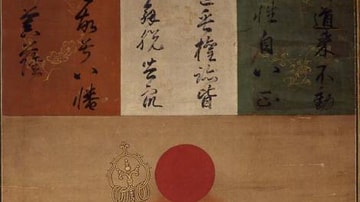
Kamakura Period
The Kamakura Period or Kamakura Jidai (1185-1333 CE) of medieval Japan began when Minamoto no Yoritomo (1147-1199 CE) defeated the Taira clan at the Battle of Dannoura in 1185 CE. The period is named after Kamakura, a coastal...
Definition
Hachiman - Origin of the Kamikaze Wind
Hachiman is the ancient Shinto god or kami of war, divination, and culture. He is famously credited with sending the kamikaze or 'divine wind' which twice dispersed the invading fleets of Mongol ruler Kublai Khan...
