In this collection of resources, we take a look at clothing and fashion through the centuries and see what men, women, and children wore across continents. From the lowest in society to those who could afford the very best, we see how important appearance has always been to indicate status in society, particular job roles, and general success in life. From ancient Egypt to 20th-century wartime fashion, these resources provide both a broad and deep investigation into the materials, colours, and silhouettes that appealed to different peoples in different times and places.
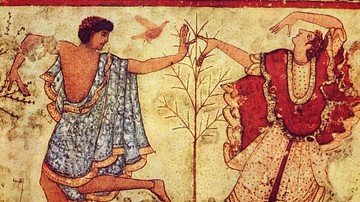
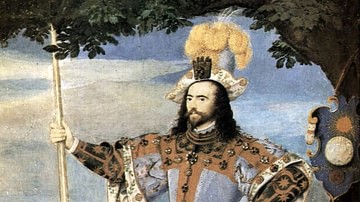
Clothing, as we shall see, has always been worn with the multiple objectives of ensuring that the wearer was not too cold or too hot and outwardly conformed to societal expectations. Yet, at the same time, personal choices in clothing and accessories, whether they be worn by an Etruscan at a dinner party or a medieval knight at a joust, permitted the wearer to show off their individuality and sense of style.
Unlike the Minoan and Mycenaean fashion, which seem, for women anyway, to have been far more complex, the simplicity of Classical Greek garments recommended them to other cultures in the Mediterranean region and were adopted by still others later on. Pleating techniques of the Greek himation, whereby the cloth was gathered, folded, and pressed to create straight lines down the back to accentuate height, were later used in Europe during the Renaissance for the capes and cloaks of the nobility.