


The Seven Lucky Gods of Japan (Shichifukujin) are a group of deities associated with prosperity, happiness, and longevity. Blending Shinto, Buddhist, Taoist, and even Hindu influences, they came together as a collective pantheon during Japan’s medieval period and grew into enduring symbols of good fortune.
Their popularity reached its peak in the Edo period (1603–1868), when they became central to folk celebrations, festivals, and art. Each deity embodies a different blessing — from wealth and abundance to wisdom and long life — and together they represent a complete vision of prosperity. The Seven Lucky Gods still hold a place in modern Japan: people visit shrines dedicated to them, collect charms, and join New Year pilgrimages that keep alive this centuries-old tradition of hope and good fortune.
About the Author
Related Images
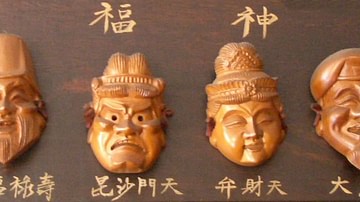
Seven Lucky Gods

Shichifukujin
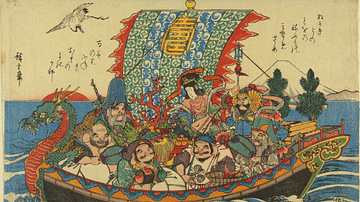
Seven Lucky Gods on Takarabune

Model of Edo Castle during the Tokugawa Period

Wall Painting of a Swan in the House of Fortune, Carthago Nova

Edo Castle Watchtower
Cite This Work
APA Style
Netchev, S. (2024, September 27). The Seven Lucky Gods of Japan: Seven Deities, Countless Blessings. World History Encyclopedia. https://www.worldhistory.org/image/19498/the-seven-lucky-gods-of-japan/
Chicago Style
Netchev, Simeon. "The Seven Lucky Gods of Japan: Seven Deities, Countless Blessings." World History Encyclopedia, September 27, 2024. https://www.worldhistory.org/image/19498/the-seven-lucky-gods-of-japan/.
MLA Style
Netchev, Simeon. "The Seven Lucky Gods of Japan: Seven Deities, Countless Blessings." World History Encyclopedia, 27 Sep 2024, https://www.worldhistory.org/image/19498/the-seven-lucky-gods-of-japan/.
