
Search
Remove Ads
Advertisement
Search Results
Image
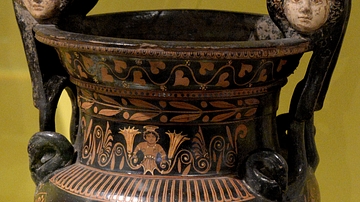
Volute Krater with Drinking Game Scene
A krater is a form of Greek pottery. It is a large vessel used for mixing wine and water. Kraters were mainly used at a drinking party (symposium); they were placed at the center of the room. Volute kraters have...
Image
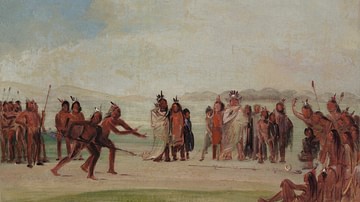
Tchung-kee, a Mandan Game Played with a Ring and Pole
Tchung-kee, a Mandan Game Played with a Ring and Pole, oil on canvas by artist George Catlin, 1832-1833. Chunkey was a popular team sport among many Native American Nations and is thought to have...
Image
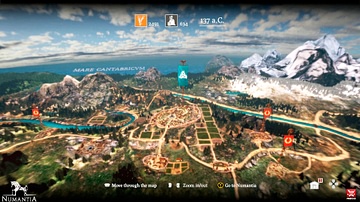
Numantia - The Game
3D map from the game Numantia.

Image
Board Game from Sam'al
This board game is made of serpentine. 9th to 7th century BCE. From Sam'al/Zincirli, modern-day Southern Turkey. (Pergamon Museum, Berlin)
Image
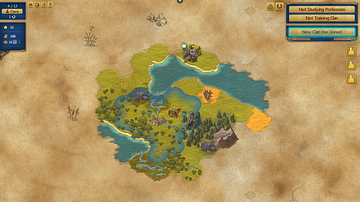
At the Gates - Early Game
Screenshot of the early game of Jon Shafer's At the Gates.
Image
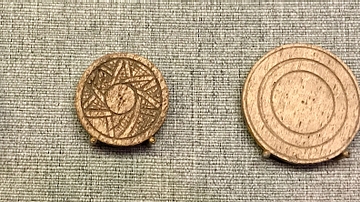
Viking Game Pieces
Decorative game pieces may have been used to play checkers or backgammon, two games known in Viking Age Scandinavia through trade with the Middle East. These pieces are made from wood and date to c. 800-1000 CE. They are Norwegian...

Definition
Courtly Love
Courtly Love (Amour Courtois) refers to an innovative literary genre of poetry of the High Middle Ages (1000-1300 CE) which elevated the position of women in society and established the motifs of the romance genre recognizable in...

Image
Royal Funerary Procession in the Middle Ages
An artist's depiction of a royal funerary procession in the Middle Ages. From the game Old World.

Video
Chunkey: The Native American Game of Precision and Betrayal!
Dive into the captivating world of Chunkey, the Native American Game of Precision and Betrayal that has fascinated historians and sports enthusiasts alike. Far more than just a pastime, Chunkey...

Article
Maya Religion: The Light That Came From Beside The Sea
The Mayan religious text, the Popol Vuh (known by many names, among them, The Light That Came From Beside The Sea) is the Quiche Maya story of creation translated into Spanish in the early 18th century...
