
Search
Remove Ads
Advertisement
Search Results

Image
Theatre of Argos
Built from the 4th to 3rd century BCE. Originally there were 81 rows of seats giving a total capacity of 20,000 spectators, making it the largest Greek theatre.
Image
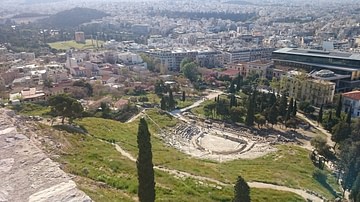
Theatre of Dionysus - Acropolis, Athens
A few things are visible in this picture. The theatre of Dionysus Eleuthereus: Construction: 6th-4th century BCE The temple of Olympian Zeus to the left: Construction: 2nd century CE The Panathenaic Stadium...
Image
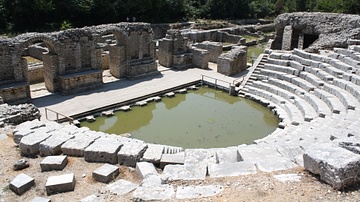
Stage, Theatre of Butrint
The theatre of Butrint (modern Albania), early 2nd century BCE. Due to the low-lying terrain the floor is now flooded.
Collection
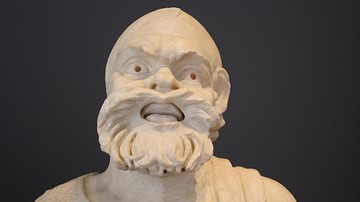
Comedy & Tragedy: the Drama of Greek Theatre
Greek theatre likely sprang from the lyrical performance of ancient epic poetry and the rituals performed in the worship of the god Dionysos where goats were sacrificed and participants wore masks. From...
Image
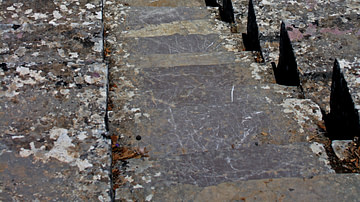
The Theatre of Epidaurus
A view of the orchestra of the Theatre of Epidaurus taken from the steps of the audience seats.

Image
Theatre of Petra
Carved into the side of the mountain at the foot of the High Place of Sacrifice, the theatre of Petra consists of three rows of seats separated by passageways. Seven stairways ascended the cavea (seating section) which accommodated...

Image
Theatre, Metapontum
The mid-4th century BCE theatre at Metapontum, Magna Graecia, southern Italy.

Image
Early Theatre, Phaistos, Crete
The Minoan settlement of Phaistos archaeological site, Crete (2000-1400 BCE). Perhaps an early theatre.

Image
Theatre Parodoi, Epidaurus
A view of the parodoi - the monumental gate entrances common to Classical theatres through which the audience entered the theatre.

Image
Arches, Theatre of Herod Atticus
The arched rear of the theatre of Herod the Atticus, Athens. Construction was completed in 161 CE.
