
Search
Remove Ads
Advertisement
Search Results

Definition
Arminius
The Cherusci noble Arminius (c. 18 BCE - 19 CE) led the resistance to Roman conquest of Germania during the years 9-16 CE. Likely raised as a child hostage in Rome, Arminius gained command of a German auxiliary cohort in the Roman army. Posted...

Definition
Cimbri
The Cimbri were a tribe who lived in northern Jutland during the Roman era. Their ethnicity is enigmatic; scholars generally believe that the Cimbri were Germans, though others maintain that they were Celts. The late 2nd-century BCE migration...

Definition
Viriathus
Viriathus (c. 180-140 BCE) was the leader of the Lusitani in their war with Rome. In 150 Viriathus escaped the Roman massacre and enslavement of Lusitani who had surrendered peacefully. Viriathus continued to fight in the resistance and rose...

Definition
Commius
Commius was an Atrebates noble during Julius Caesar's Gallic Wars (58-50 BCE) who turned from Roman ally to indomitable foe. As king of the Atrebates, Commius ably served Caesar in Britannia and Gaul before becoming one of the main leaders...

Video
The Mycenaeans: A Civilization of Bronze Age Greece
The Mycenaeans are considered the earliest Greeks, and were a prosperous civilization of the Late Bronze Age on the Greek mainland. This video is an introduction into the history of the Mycenaean civilization, and takes you through the rise...
Article
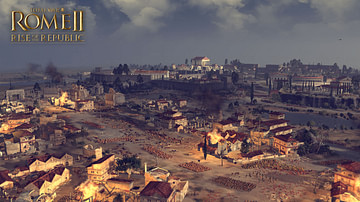
The Sack of Rome by the Gauls, 390 BCE
After the Gauls defeated the Romans at the confluence of the Tiber and the Allia rivers, the Gauls marched on to Rome. In late July 390 BCE, the undefended city fell to the invaders to be burnt and sacked. Only on the Capitol Hill, did a...
Article
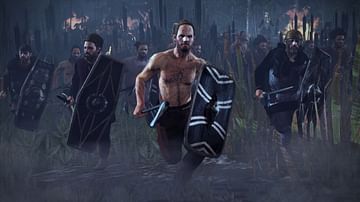
The Battle at the Allia River, 390 BCE
The 390 BCE battle at the Allia River was fought between the city state of Rome and Gauls from northern Italy. When the Gauls laid siege to the Etruscan city of Clusium, the Romans intervened on behalf of the latter. The Gauls withdrew but...

Article
Greek Temples of Sicily
There are at least a thousand reasons to visit Sicily, the great island – indeed the largest in the Mediterranean – that forms the triangular football to the boot that is the Italian peninsula. They are all very good reasons, including amazing...

Article
Battle of Telamon
Ever since the 4th century BCE, the Gallic tribes of northern Italy clashed with the expanding Roman Republic. In 225 BCE, the Boii forged alliances with fellow Gallic tribes of northern Italy and with tribes from across the Alps. The pan-Gallic...

Image
Map of European Exploration of Africa, c. 1434-1877 - From Coastal Voyages to Continental Expeditions
From the voyages of the Portuguese navigators under the patronage of Henry the Navigator in the 15th century to the transcontinental expeditions of Henry Morton Stanley in the 1870s, European exploration of Africa gradually transformed European...
