
Search
Remove Ads
Advertisement
Search Results

Image
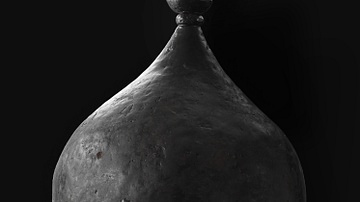
Crested Bronze Helmet, Rutigliano
A crested bronze helmet, Rutigliano (Bari), southern Italy. 430-400 BCE. (National Archaeological Museum of Taranto, Italy)
Image
Celtic Helmet, 350 BCE
Helmet, iron, Giubiasco, Ticino. Around 350 BCE. Not just warriors: According to biased descriptions by the Romans and Greeks, the Celts were warriors and barbarians. However, finds of rich grave goods such as jewellery...

Image
Cavalry Face-Mask Helmet
Cavalry Face-Mask Helmet (Type Nijmegen-Kops Plateau), brass sheet on iron core, dating to the 1st or 2nd century CE. (Rijksmuseum van Oudheden, Leiden, Netherlands)

Image
English Civil War Cavalry Helmet
A cavalry helmet typical of those used during the English Civil Wars (1642-51). Often known as a "three-bar pot" for its shape and face protection bars. Made of steel with copper, gold, and silver inlay. (Metropolitan...
Image
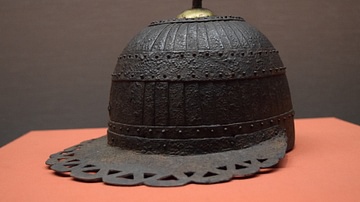
Japanese Visored Helmet
A bronze visored helmet with gilt decoration. From Nihonmatsuyama Tumulus, Matsuokayoshinozakai, Eiheiji-cho, Fukui, Japan. Kofun Period, 5th century CE. (Tokyo National Museum)

Image
Bronze Chalcidian Helmet
Bronze Chalcidian helmet, 6th Century BCE. (Archaeological Museum, Piraeus)
Image
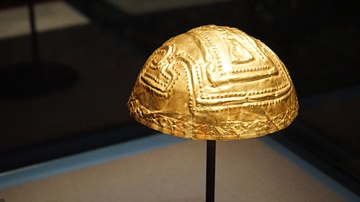
Colombian Gold Helmet
Gold alloy (tumbaga), 500 BCE - 700 BCE. Colombia. Gold was an important material in ancient Colombia. It had a symbolic association with the creative energy of the Sun. This helmet would not have been used in battle but...

Image
The Gjermundbu Helmet
The Gjermundbu Helmet is the best-preserved Viking helmet in the world. The helmet dates from the latter half of the 10th century CE. Exhibited at the Museum of Cultural History in Oslo.

Article
The Armour of an English Medieval Knight
English medieval knights wore metal armour of iron or steel to protect themselves from archers and the long swords of opponents. From the 9th century CE, chain mail suits gave protection and freedom of movement...
Image
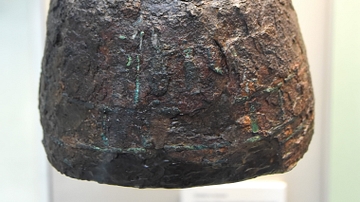
Assyrian Helmet
Assyrian military equipment was particularly effective. Pointed helmets deflected blows or missiles, and were commonly issued to Assyrian soldiers. This iron example was decorated with bronze inlay, now corroded to a greenish...
