

How did fishermen record their trophy catches before the invention of photography? In 19th century Japan, fishing boats were equipped with rice paper, sumi-e ink, and brushes in order to create gyoktaku: elaborate rubbings of freshly caught fish. K. Erica Dodge recounts the story of this competitive fishing culture, plus some tips on how to make your very own etchings. Lesson by K. Erica Dodge, animation by Franco Barroeta.
Related Content
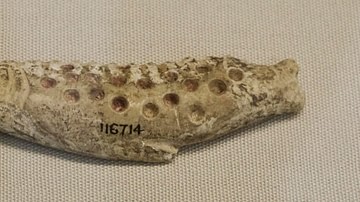
The Home of the Fish

Fish Sauce in the Ancient World

The Printing Press & the Protestant Reformation

The Debate Between Bird and Fish

The Printing Revolution in Renaissance Europe

Johannes Gutenberg
Cite This Work
APA Style
TED-Ed. (2019, May 25). Gyotaku: The ancient Japanese art of printing fish - K. Erica Dodge. World History Encyclopedia. https://www.worldhistory.org/video/1748/gyotaku-the-ancient-japanese-art-of-printing-fish/
Chicago Style
TED-Ed. "Gyotaku: The ancient Japanese art of printing fish - K. Erica Dodge." World History Encyclopedia, May 25, 2019. https://www.worldhistory.org/video/1748/gyotaku-the-ancient-japanese-art-of-printing-fish/.
MLA Style
TED-Ed. "Gyotaku: The ancient Japanese art of printing fish - K. Erica Dodge." World History Encyclopedia, 25 May 2019, https://www.worldhistory.org/video/1748/gyotaku-the-ancient-japanese-art-of-printing-fish/.
