
Search
Remove Ads
Advertisement
Search Results
Image
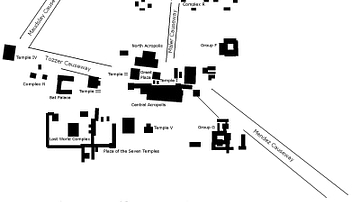
Tikal Map
A map of the principal monuments of Tikal, Guatemala. The Maya city flourished between 300 and 850 CE.

Image
King Alfred's Monument, Athelney
King Alfred’s Monument at Athelney, Somerset. Built in 1801, it commemorates the time Alfred the Great (r. 871-899) spent in exile in the Somerset marshes during the early months of 878, when he built a fortress at...
Image
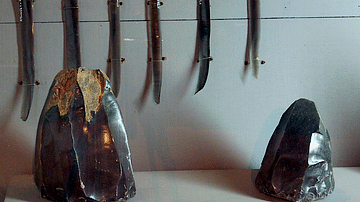
Unworked Obsidian Blocks, Guatemala
Two blocks of unworked obsidian from Guatemala. Obsidian was highly valued throughout ancient Mesoamerica for its cutting edge and polished lustre.
Image
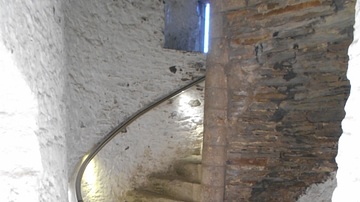
Vice or Spiral Staircase, Caerphilly Castle
An example of a castle vice or spiral staircase, Caerphilly Castle, Wales. 1268-1290 CE.
Image
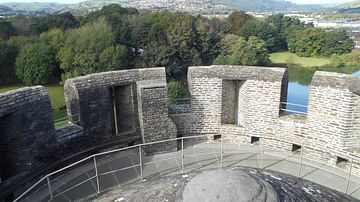
Merlons and Crenets, Caerphilly Castle
Tower with merlons and crenets (the raised and open parts of battlements), Caerphilly Castle, Wales. 1268-1290 CE.
Image
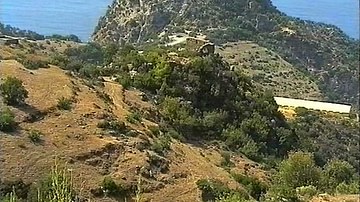
Antiochia ad Cragum
The archaeological remains at Antiochia ad Cragum in Anatolia.

Image
The Passages to the Underworld at Tonina
This building at the Mayan site of Tonina is known as the Passage to the Underworld or the Temple of the Underworld. The archways in this picture lead to an extensive network of hallways which define the word...
Image
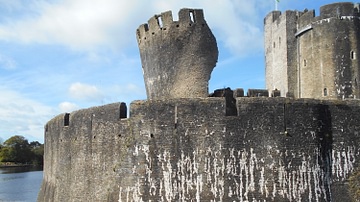
Wing-wall, Caerphilly Castle
A portion of the wing-wall, Caerphilly Castle, Wales. 1268-1290 CE.

Image
Classical Columns, Tharros.
Two standing Roman columns on Tharros, Sardinia, originally a Phoenician colony.

Definition
Nineveh - The Great Cultural Center That Became the "City of Sin"
Nineveh (modern-day Mosul, Iraq) was one of the oldest and greatest cities in antiquity. It was originally known as Ninua, a trade center, and would become one of the largest and most affluent...
