
Search
Remove Ads
Advertisement
Search Results
Image
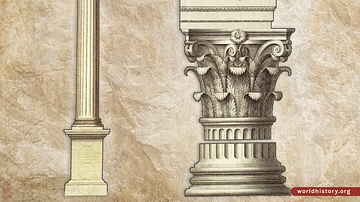
The Corinthian Order, Classical Orders of Architecture
The Classical Orders of Architecture (Doric, Ionic, Corinthian, Tuscan, and Composite), originating in ancient Greece and refined by the Romans, are fundamental design principles that significantly...
Image
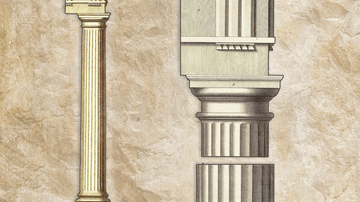
The Doric Order, Classical Orders of Architecture
The Classical Orders of Architecture (Doric, Ionic, Corinthian, Tuscan, and Composite), originating in ancient Greece and refined by the Romans, are fundamental design principles that significantly influence...
Image
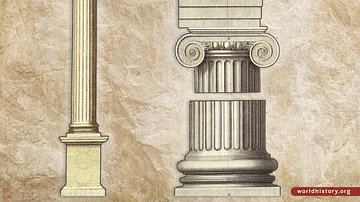
The Ionic Order, Classical Orders of Architecture
The Classical Orders of Architecture (Doric, Ionic, Corinthian, Tuscan, and Composite), originating in ancient Greece and refined by the Romans, are fundamental design principles that significantly influence...
Image
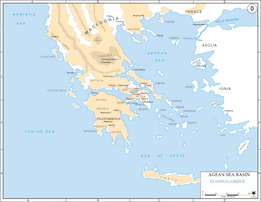
Map of Classical Greece
A map showing classical Greece and the Aegaean islands.

Image
Map of Classical Greek Sanctuaries
Map of the main religious sanctuaries of classical Greece. The following gods' sanctuaries are marked in colour: Aphrodite, Apollo, Artemis, Asclepius, Athena, Dionysius, Demeter, Hera, Poseidon, Zeus.

Image
Five Classical Orders of Serlio
A diagram showing the five classical orders as classified by the Italian Renaissance architect Sebastiano Serlio (c. 1475-1554 CE). Left to right: Tuscan, Doric, Ionic, Corinthian and Composite. From Book IV of Serlio's...

Image
Map of Celtic Peoples in the Post-Classical Period
A map showing the spread of Celtic-speaking peoples in Europe, and their migrations in the Post-Classical Period.
Image
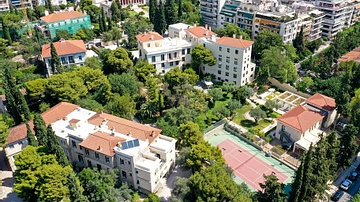
The American School of Classical Studies in Athens
Aerial Shot of the American School of Classical Studies in Athens.
Image
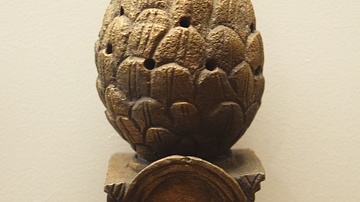
Late Classical Incense Burner from Georgia
This late classical bronze incense burner comes from Zghuderi, Georgia. It dates from c. 50-350 CE. (Georgian National Museum, Tbilisi)
Image
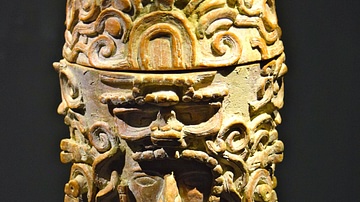
Classical Maya Incense Container
This painted incense container is made from cut stone and dates from c. 600-900 CE. Maya artisans created it in what is present-day Guatemala during the Classical era. (Musée du Cinquantenaire, Brussels)
