


An infographic of the most iconic military machines from the Second World War (1939-45). WWII marked a decisive shift in the nature of warfare, as victory depended not only on soldiers and commanders but on the industrial capacity, technological innovation, and logistical systems of entire states. Under leaders such as Adolf Hitler (rule 1933–1945), Joseph Stalin (rule 1924–1953), Franklin D. Roosevelt (presidency 1933–1945), and Winston Churchill (prime minister 1940–1945), nations mobilized science, factories, and labor on an unprecedented scale. Military machines became extensions of national strategy, designed not merely to fight battles but to sustain long-term, global war.
These machines symbolized broader doctrines and priorities: speed and maneuver, mass production and standardization, air superiority, mobility, and total war logistics. Their effectiveness lay as much in how they were produced, supplied, repaired, and deployed as in their raw technical performance. After 1945, many of these designs influenced Cold War military planning and civilian technology, demonstrating how industrialized warfare reshaped both conflict and society. In this sense, the iconic machines of World War II represent the fusion of technology, ideology, and state power that defined mid-20th-century global conflict.
About the Author
Related Images
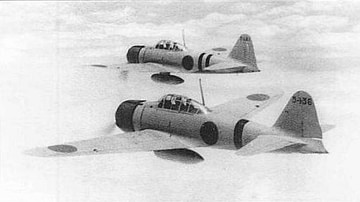
Mitsubishi A6M "Zero" Fighters over China
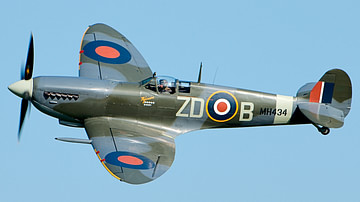
Supermarine Spitfire, 2018

RAF Spitfire

Mechanized Reaping Machine
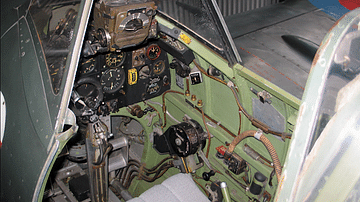
Spitfire Cockpit

Spitfire, 2023
Cite This Work
APA Style
Netchev, S. (2026, January 05). WWII's Iconic Machines of War: How Military Hardware Reflected National Values. World History Encyclopedia. https://www.worldhistory.org/image/21504/wwiis-iconic-machines-of-war/
Chicago Style
Netchev, Simeon. "WWII's Iconic Machines of War: How Military Hardware Reflected National Values." World History Encyclopedia, January 05, 2026. https://www.worldhistory.org/image/21504/wwiis-iconic-machines-of-war/.
MLA Style
Netchev, Simeon. "WWII's Iconic Machines of War: How Military Hardware Reflected National Values." World History Encyclopedia, 05 Jan 2026, https://www.worldhistory.org/image/21504/wwiis-iconic-machines-of-war/.
