
Search
Did you mean: Samos?
Remove Ads
Advertisement
Search Results

Article
Solomonic Descent in Ethiopian History
The Solomonic Dynasty ruled Ethiopia from the 1270s to the 1970s, and the 14th-century work, the Kebra Nagast (The Glory of the Kings) famously tells of how the dynasty of Ethiopian kings descended from King...

Article
Cultural Links between India & the Greco-Roman World
Cyrus the Great (558-530 BCE) built the first universal empire, stretching from Greece to the Indus River. This was the famous Achaemenid Empire of Persia. An inscription at Naqsh-i-Rustam, the tomb...

Article
The Meaning of European Upper Paleolithic Rock Art
Rock art (also known as parietal art) is an umbrella term which refers to several types of creations including finger markings left on soft surfaces, bas-relief sculptures, engraved figures and symbols...
Article
Norse Pets in the Viking Age
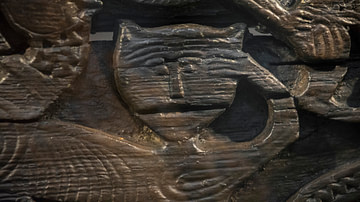
Pets were as important to the Norse of the Viking Age (c. 790-1100 CE) as they were to any other culture, past or present. The Vikings kept dogs and cats as pets and both feature in Norse religious iconography and literature...

Article
Elizabeth I & the Power of Image
Aware of the power of appearances, Elizabeth I of England (r. 1558-1603 CE) carefully controlled her image throughout her reign and through costume, hair, jewellery, and art, she presented herself as the great Virgin...

Article
The Meanings of Mjölnir - Thor's Hammer & More
One of the most famous objects in Norse mythology, Mjölnir was the hammer wielded by Thor, god of storms and thunder, and was his most potent weapon in battles against the enemies of gods and humans. But...

Article
A Supervisor's Advice to a Young Scribe - Words of Wisdom or Satire?
A Supervisor's Advice to a Young Scribe is a Sumerian composition relating a dialogue between an elder scribe and a young graduate from his school. The piece is dated to the Old Babylonian...

Article
Throne of Montezuma
The magnificent stone monument variously referred to as the Monument of Sacred War, the Teocalli of Sacred War, the Temple Stone or, more simply, the throne of Motecuhzoma II (Montezuma), the Aztec king (tlatoani) who ruled...
Article
Skulls, Temples & Churches: A Visit to the Walled City of Evora
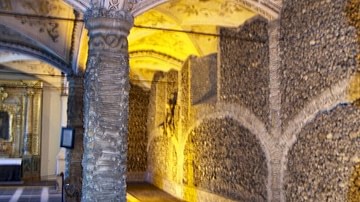
The sunbaked plain of the Alentejo region in central Portugal is called planicie dourada (golden plain) by the Portuguese, and it is dotted with cork oak forests, vineyards, olive groves...

Article
Libyan' Inscriptions in Numidia and Mauretania
When the Numidian king Massinissa (c.241-148) died, the people of Dougga (or: Thugga) decided to build a monument in his honour. A bilingual inscription (RIL 2, KAI 101) says the building was erected in...
