
Search
Remove Ads
Advertisement
Search Results

Definition
Nitocris
Nitocris (2184-2181 BCE) is the Greek name for Nitiqret, the last monarch of the 6th Dynasty of Egypt which concluded the period of the Old Kingdom (c. 2613-2181 BCE). Nitocris is best known from the story told of her by Herodotus (484-425/413...
Definition
Naukratis
Naukratis (also spelled Naucratis, and known as Nokraji to the ancient Egyptians) was a city in Lower Egypt, located in the Canopic (or western) branch of the Nile delta, which became a powerful trading port between the Egyptians and...

Definition
Samos
Samos is a Greek island in the east Aegean, just off the coast of modern-day Turkey. It particularly flourished in the 6th century BCE and was famous in antiquity for its navy, wine, and important sanctuary to Hera. Samos was an active...

Definition
Xois
Xois (as the Greeks called it) was a vast ancient city located on a marshy island in the center of the Nile Delta of Egypt, modern-day Sakha. It was founded c. 3414-3100 BCE and was continuously inhabited until the rise of Christianity...

Article
The Temple of Hatshepsut
Among the duties of any Egyptian monarch was the construction of monumental building projects to honor the gods and preserve the memory of their reigns for eternity. These building projects were not just some grandiose...

Article
A Brief History of Egyptian Art
Art is an essential aspect of any civilization. Once the basic human needs have been taken care of such as food, shelter, some form of community law, and a religious belief, cultures begin producing artwork, and often...

Article
Clergy, Priests & Priestesses in Ancient Egypt
The ancient Egyptians understood that their gods had prevailed over the forces of chaos through the creation of the world and relied upon humanity's help to maintain it. The people of Mesopotamia held this...

Article
Ancient Egyptian Taxes & the Cattle Count
The gods of ancient Egypt freely gave their bounty to the people who worked the land, but this did not exempt those farmers from paying taxes on that bounty to the government. Egypt was a cashless society until...
Article
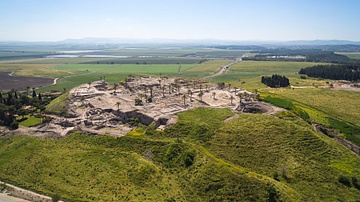
Thutmose III at The Battle of Megiddo
The ancient site of Megiddo was the scene of a number of battles in antiquity and is best known as the source of the word armageddon, the Greek rendering of the Hebrew Har-Megiddo ('Mount of Megiddo') from the...

Article
Ten Ancient Egypt Facts You Need to Know - Fun Trivia About Ancient Egypt
Ancient Egypt is defined as the civilization that flourished in North Africa between circa 6000 and 30 BCE – from the Predynastic Period in Egypt (circa 6000 to circa 3150 BCE) through...
