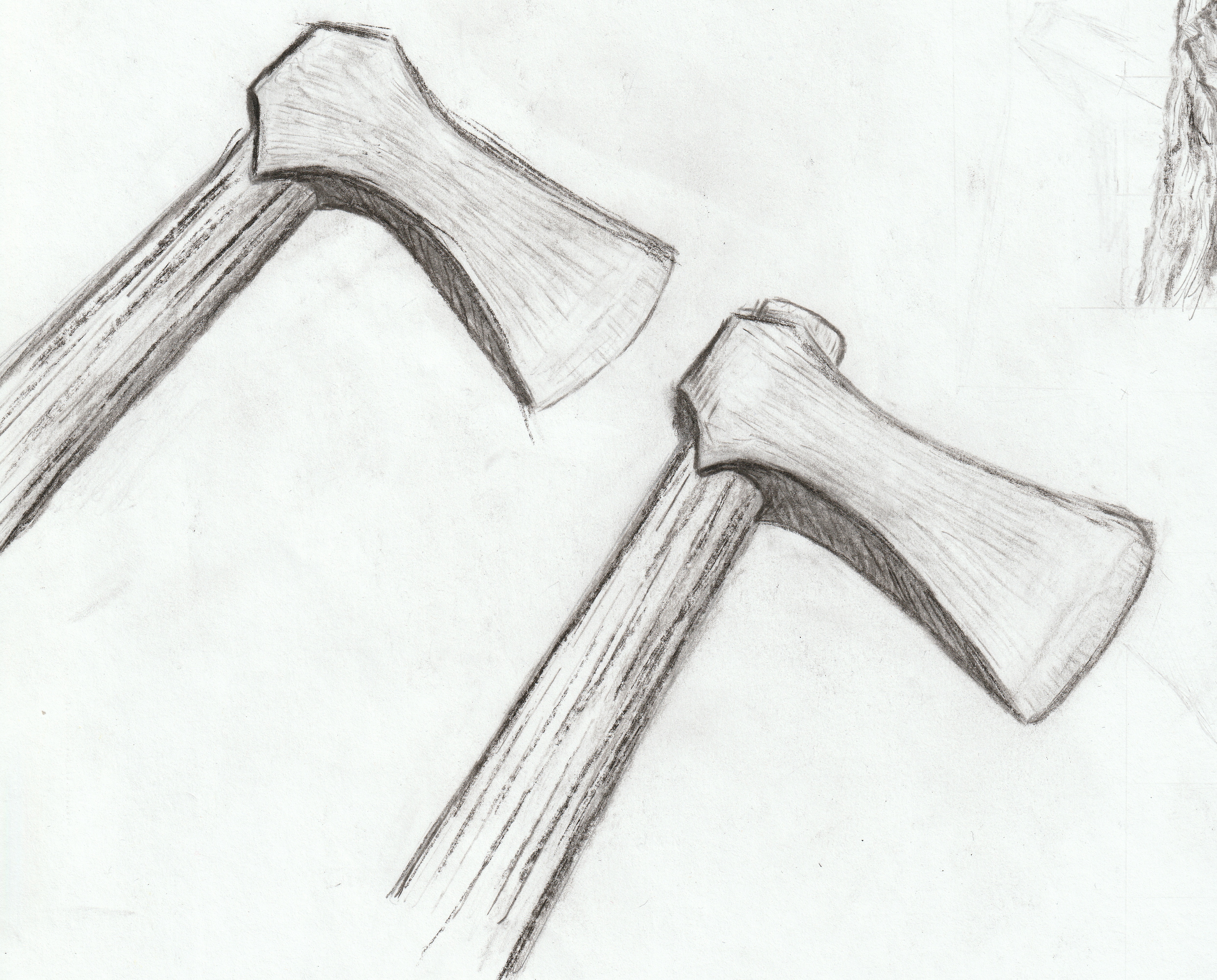
In this gallery of 30 illustrations, we present the stages and techniques required to build the type of Viking ship Harald Hardrada, the future Norwegian king (reign 1046-1066), would likely have used to enter Constantinople in 1034. No physical remains of Harald Hardrada's ship exist, but descriptions from the sagas and consultations with experts from Oslo's Norsk Folkemuseum and Norsk Maritimt Museum lead to the conclusion that the vessel was probably an evolved version of the Gokstad ship (900 CE), which is currently exhibited at the Museum of the Viking Age in Oslo.
For a Viking in the Middle Ages, sinking to the bottom of the sea was one of the worst things that could happen to a warrior. To die ruined beneath the waters, casually covered in mud without a proper burial, was to die an ignominious death. Yet it is through such disasters and their archaeological exploration, together with analysis of such ships in burial mounds as the Gokstad ship, that the modern world has discovered the genius of Viking shipwrights.
Where eyes did once inhabit, there were crept.
As 'twere in scorn of eyes, reflecting gems.
That woo'd the slimy bottom of the deep
And mock'd the dead bones that lay scatter'd by.
– Shakespeare, Richard III
Charcoal illustrations by Selim Rumi Civralı.