---
title: 古埃及
author: Joshua J. Mark
translator: Claude He
source: https://www.worldhistory.org/trans/zh/1-74/
format: machine-readable-alternate
license: Creative Commons Attribution-NonCommercial-ShareAlike (https://creativecommons.org/licenses/by-nc-sa/4.0/)
updated: 2024-07-18
---
# 古埃及
_作者: [Joshua J. Mark](https://www.worldhistory.org/user/JPryst/)_
_译者: [Claude He](https://www.worldhistory.org/user/claudehe)_
[](https://www.worldhistory.org/trans/zh/1-22386/)[](https://www.worldhistory.org/trans/zh/2-2409/)埃及是位于北非的一个国家,濒临地中海,是地球上最古老文明之一的发源地。“埃及”这个名字来源于希腊语“Aiguptos”,是古埃及名称“Hwt-Ka-Ptah”(意为“普塔神的居所”)的希腊语发音,最初是孟菲斯城的名字。
孟菲斯是埃及的第一个首都,也是一个著名的宗教和贸易中心,希腊人曾用该城的名字来指代整个国家,其重要性可见一斑。对古埃及人而言,他们的国家被简单地称为“Kemet”,意为“黑土地”,这个名字源于尼罗河沿岸肥沃的黑色土壤,这里孕育了最早的定居点。后来,这个国家被称为Misr,意为“国家”,这一称呼至今仍被埃及人用来指代他们的国家。埃及作为独立国家繁荣了数千年(从约公元前8000年到约公元前30年),其文化为人类知识的每一个领域都做出过重大贡献,无论是艺术或科学,抑或技术和宗教。那些至今仍令古埃及闻名遐迩的伟大纪念建筑,都反映了埃及文化所体现的雄伟和壮丽,而埃及文化也影响了许多古代文明,包括希腊和罗马。
埃及文化的受欢迎程度可谓经久不衰,其原因之一就在于,它可以让人们体验到什么才是雄伟壮丽。那些赞美生命的宏大纪念物、陵墓,寺庙和艺术品,它们不仅是过往辉煌的印记,也彰显了人类在最佳状态下所能取得的成就。尽管在流行文化中,古埃及常与死亡和丧葬仪式联系在一起,但其背后的含义却跨越了时代,向后人诉说着人生的本质、追忆往昔的意义,以及这种追忆所带来的力量。
对古埃及人而言,尘世生活只是永恒旅程的一个阶段,而灵魂是不朽的,它只是借助了躯体做居所,而暂存于这个物质世界中。死后的人们将在“真理殿堂”接受审判,如若获得肯定,便会前往一个名为“芦苇之境”的永生乐园,那里是人间生活的映射。一旦抵达乐土,人们就能在一片祥和中与生前挚爱之人,甚至还包括宠物等,一同生活。人们能置身于生前同样的街区、徘徊在同一条溪流,甚至在曾经以为随死亡而失去的同一片树荫下,然后开始新的起点。然而,这份永恒的生命只有那些最为出众、遵从神明意志的人才能拥有,并且在最有利于实现这一目标的完美之地,即埃及生活过的人才能获得。
埃及的历史悠久,其渊源远早于文字记载、诸神传说或使其闻名的那些纪念碑。据考证,在大约公元前8000年时,在现在已是撒哈拉沙漠的这片土地上,就存在牛群过度放牧的迹象。根据这样的证据以及出土的文物等,揭示了当时该地区曾存在过繁荣的农业文明。即便在那个遥远的时代,大部分土地也已变得干旱,狩猎采集族群便遁寻着清凉的水源来到尼罗河谷,大约在公元前6000年前,人们便开始在此定居。
[ 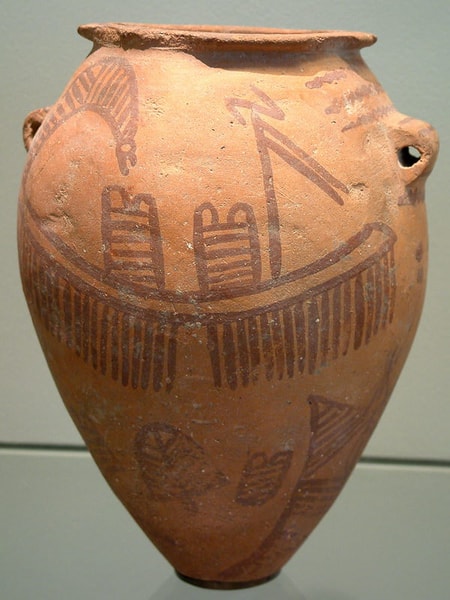 涅加达二期文化出土的陶器 Guillaume Blanchard (CC BY-SA) ](https://www.worldhistory.org/image/3985/naqada-ii-pottery/ "Naqada II pottery")大约公元前6000年左右,该地区出现了有组织的农业活动,沿河出现了被称为巴达里文化的社群,并随之开始兴盛。大约同一时期,手工业得到了发展,这一点可从阿比多斯发现的公元前5500年左右的釉陶作坊中看出端倪。巴达里文化之后,相继出现了阿姆拉提安文化、格尔泽安文化以及涅加达文化(也分别被称为涅加达一期、二期,三期文化),这些文化对后来埃及文明的发展成型做出了显著贡献。埃及的文字历史始于公元前3400年至前3200年之间,当时的涅加达三期文化出现了象形文字书写系统。至公元前3500年,希拉孔波利斯城已经开始对遗体进行木乃伊化的处理,而阿拜多斯也已开始建造大型石制坟墓。根据著名的巴勒莫石碑(Palermo Stone)记载,早在公元前3100年至前2181年间,克伊索斯城(Xois)便已经被看成是一座古老的城邦了。与世界其他地区的文明区一样,小型农业社区逐渐集中,最后发展成为更大的城镇中心。
### 早期埃及历史
古埃及的“早王朝时期”(约公元前3150年-约公元前2613年)见证了上下埃及的统一,约公元前3118年或公元前3150年,来自上埃及的国王美尼斯(Menes,亦称Meni或Manes)实现了对下埃及的征服。这个版本的早期历史记载,来自生活在公元前3世纪托勒密王朝(公元前323年至30年)时期,出自古代历史学家曼涅托(Manetho)所著的《埃及史》。尽管他提供的纪年经常被后世的历史学者们质疑,但时至今日,当涉及古埃及王朝的继承顺序和早期历史等问题时,曼涅托的著作仍被频繁引用。
[ ![Narmer Palette [Two Sides]](https://www.worldhistory.org/img/r/p/750x750/4412.jpg?v=1763087296-1721384182) 纳尔迈调色板(双面) Unknown Artist (Public Domain) ](https://www.worldhistory.org/image/4412/narmer-palette-two-sides/ "Narmer Palette [Two Sides]")曼涅托的作品是提及美尼斯(Menes)及其征服事迹的唯一来源。目前普遍认为,曼涅托笔下的“美尼斯”实际上是和平统一了上下埃及的国王纳尔迈(Narmer)。尽管也有人不同意将两者等同起来,但美尼斯与他的继任者,即国王荷尔-阿哈(约公元前3100-3050年)的关系则没有太多异议。有关美尼斯与其前任和后任国王的联系,一种解释认为:“美尼斯”的含意为“永恒者”,因此它只是一个尊称而非具体人名,可以用来指代任意一位国王。另外,关于这片土地是通过军事征伐而统一的说法也受到了质疑。一些学者认为,著名的纳尔迈调色板(Narmer Palette)上所描绘的场景也可能不是为了庆祝军事胜利,它可能只是王室的宣传画面。埃及最初也可能是通过和平手段统一的,尽管这种可能性似乎很渺茫。
在古埃及,地理命名遵循尼罗河流向,因此上埃及指的是南部地区,而下埃及则是更靠近地中海的北部地区。纳尔迈的统治从赫拉孔波利斯城开始,随后,政治中心转移到了孟菲斯和阿拜多斯。在早王朝时期的统治者治理下,埃及的贸易显著提升;后来金字塔的前身,即复杂的马斯塔巴墓葬作为丧葬习俗,也在该时期的埃及出现,其中包括了越来越精细复杂的木乃伊制作技术。
### 埃及的神
从古埃及前王朝时期(约公元前6000年至约公元前3150年)开始,对神祇的信仰基本界定了埃及的文化特质。一个早期的埃及创世神话讲述了阿图姆(Atum)神的故事,在时间开始之前,他站在一片混沌之中,用言语创造了世界。与阿图姆相伴的是代表永恒力量的赫卡(Heka,魔法),具象化后的赫卡神和其他精神力量一起,共同演绎了这个世界。赫卡是最原始的力量,它渗透于宇宙之中,使得万物按照既定的方式运行;它还促成了古埃及文化的核心价值:玛阿特(Ma'at),即和谐与平衡。
所有的神祇和他们的职责,最终都归结于玛阿特和赫卡。太阳升起又落下、月亮沿着天空中的轨迹运行、四季更迭的平稳有序等,一切可能性都被归结为这两个因素的作用结果。玛阿特也被拟人化,成了一位神祇,即鸵鸟羽毛女神,所有国王都要奉上自己的全部才华,并需要虔诚地向她承诺。在埃及历史上最受欢迎神话的描述下,生前的国王是荷鲁斯神的化身,死后则变成奥西里斯神的化身。
[  埃及奥西里斯神 A.K. (Copyright) ](https://www.worldhistory.org/image/775/egyptian-god-osiris/ "Egyptian God Osiris")奥西里斯和伊西斯,两人既是亲兄妹也是夫妻,他们是最初的君主,并共同治理世界,人们的开化即来自他们的恩赐。奥西里斯的弟弟塞特嫉妒他,谋杀了他,但伊西斯让丈夫复活,并为他生下了儿子荷鲁斯。然而,奥西里斯的身体并不完整,所以他降临到地下去统治冥界,而荷鲁斯成年后为父亲复仇,击败了塞特。这个神话展示了秩序如何战胜混乱,并成为埃及信仰、丧葬仪式、宗教教义,和艺术中的永恒主题。在历史上的任何一个时期,神都在埃及人的日常生活中扮演了不可或缺的角色,这一点从该国历史的最早期便清晰可见。
### 古王国时期
在埃及的古王国时期(约公元前2613年-公元前2181年),人们加紧建造了纪念神祇的建筑,一些最著名的纪念建筑,如金字塔和吉萨的大狮身人面像等,都在这一时期建成。约公元前2670年的统治者,即国王左塞尔(Djoser),他在萨卡拉(Saqqara)建造了第一座“阶梯金字塔”,设计者是他的首席建筑师兼医生伊蒙霍特普(约公元前2667年-公元前2600年)。伊蒙霍特普还撰写了最早的医学典籍之一,描述了200多种不同疾病的治疗方法,并提出导致疾病的原因可能来自自然,而非神的意志。胡夫大金字塔(古代世界七大奇迹之一)是在胡夫统治期间(前2589年-前2566年)建造的,随后是卡夫拉金字塔(前2558年-前2532年)和门卡乌拉金字塔(前2532年-前2503年)。
[  埃及吉萨金字塔群 Shellapic76 (CC BY) ](https://www.worldhistory.org/image/5687/the-pyramids-giza-egypt/ "The Pyramids, Giza, Egypt")覆盖着耀眼白色石灰石的金字塔,正如它们最初所呈现的那样,在吉萨高原上展现出宏伟的气质,也宣示了这一时期统治者的权力和财富。有许多理论尝试解释这些纪念物和陵墓是如何建造的,但现代建筑师和学者们对任何一种理论都远未达成一致。考虑到当时的技术水平,一些人认为,像吉萨大金字塔这样的巨大建筑本不该存在。另一些人则声称,这些建筑和陵墓的存在证实了当时的先进技术,只不过这些技术随着时间的流逝而失传了。
完全没有证据表明,吉萨高原上的纪念物,或埃及的其他任何建筑,是由奴隶建造的;同样,也没有任何证据能够从历史性的角度来支持《圣经·出埃及记》。尽管埃及确实存在不同国籍的奴隶,并且经常在矿场工作,但金字塔和其他纪念建筑是由奴隶建造的看法,在如今会受到大多数严肃学者的否定。埃及的纪念物被认为是公共工程,是为国家建造的,并且参与建造的埃及工匠,不管是熟练工还是非熟练工,他们都得到了劳动报酬。吉萨只是众多工地之一,在吉萨工作的劳动者们,每天会获得三次啤酒配给,他们的住房、工具,甚至健康水平等,都得到了明确的制度保障。
### 第一中间期和希克索斯人
被称为古埃及第一中间期(约前2181年-约前2040年)的时代,见证了中央政府权力的衰退和崩溃。在埃及各地出现了许多独立区域,这些区域有自己的最高统治者,最终,两大权力中心逐渐凸显:下埃及的赫里奥波利斯(Hierakonpolis)和上埃及的底比斯(Thebes)。这些权力中心出现了独立的王朝,并统治各自的区域;为争夺最高控制权,彼此之间经常互相开战。直到约公元前2040年,底比斯国王曼图霍特普二世(Mentuhotep II,约公元前2061年至约公元前2010年在位)击败了赫里奥波利斯的势力,重新将埃及统一在底比斯的控制之下。
底比斯统治时期,社会的稳定促成了所谓“中王国”(公元前2040年至公元前1782年)的繁荣。中王国被认为是埃及的“古典时代”,艺术和文化达到了一个顶峰,底比斯成为国家最重要和最富有的城市。根据历史学家奥克斯以及加林的观点,“第十二王朝的国王们是强有力的统治者,他们不仅控制了整个埃及,而且还控制了南部的努比亚,在那里建造了几座堡垒来保护埃及的贸易利益”(11)。中王国时期,国王阿蒙尼姆赫特一世(Amenemhat I,约公元前1991年至约公元前1962年在位)创建了首支常备军,而辛努塞尔特一世(Senusret I,约公元前1971年至约公元前1926年在位)则开始建造卡尔纳克神庙,一些最伟大的埃及文学和艺术作品也诞生在这段时期。然而,第十三王朝相较于第十二王朝则显得较为软弱,内部问题不断,让一个名为希克索斯(Hyksos)的外来族群抓住机会,获得了下埃及尼罗河三角洲地区的控制权。
希克索斯人是一个神秘的族群,很可能来自叙利亚/巴勒斯坦地区,他们在公元前1800年首次出现在埃及,并定居在阿瓦里斯镇。虽然希克索斯国王的名字来源于闪米特,但他们的具体族裔至今未能确定。到了公元前1720年左右,希克索斯人的势力壮大到能够控制下埃及的大部分地区,几乎将上埃及的底比斯王朝变成了附庸国。
[  古埃及地图 Tina Ross (Copyright) ](https://www.worldhistory.org/image/12990/map-of-ancient-egypt/ "Map of Ancient Egypt")这个时代被称为埃及的“第二中间时期”(公元前1782年-前1570年)。尽管埃及人非常憎恨希克索斯人(这个名称的含义是“外国统治者”),但后者也促进了埃及文化的诸多发展,包括复合弓、马匹、战车、作物轮作技术,以及青铜与陶瓷工艺的发展等。约公元前1700年,在希克索斯人控制了下埃及港口的同时,库什王国在底比斯以南的努比亚地区崛起,并掌控了那里的边境。为了驱逐希克索斯人和征服努比亚人,埃及人发动了多次失败的战役。直到底比斯王子阿赫摩斯一世(Ahmose I ,公元前1570-1544年)时期才获得胜利,将国家统一在底比斯人的统治之下。
### 新王国和阿玛纳时期
阿赫摩斯一世(Ahmose I )开创的时代被称为“新王国时期”(约公元前1570年至约前1069年),在强大的中央政府统治下,埃及再次焕发出勃勃生机。埃及统治者的“法老”称号即源于新王国时期,此前的君主只是被称为国王。许多在今天耳熟能详的法老都来自新王国时期,而且大部分伟大的古埃及建筑,如拉美西斯神庙、阿布辛贝神庙、卡纳克神庙、卢克索神庙,以及国王谷和王后谷的陵墓等,要么在这一时期建造,要么在这一时期得到了大规模扩建。
在公元前1504年至前1492年间,法老图特摩斯一世(Tuthmosis I)巩固了自己的权力,将埃及的边界扩大到北部的幼发拉底河、西部的叙利亚和巴勒斯坦,以及南部的努比亚。在他之后继位的是女法老哈特谢普苏特(Hatshepsut,公元前1479年至1458年在位),她极大地扩展了与其他国家的贸易,其中最著名的事件是与蓬特之地(Land of Punt)的交流。女法老长达22年的统治为埃及带来了和平与繁荣。
[  女法老哈特谢普苏特的雕像 Rob Koopman (CC BY-SA) ](https://www.worldhistory.org/image/572/portrait-of-queen-hatshepsut/ "Portrait of Queen Hatshepsut")她的继任者图特摩斯三世(Tuthmosis III)延续了她的政策(尽管他试图抹去她的一切痕迹,据推测,他不想让其成为其他女性效仿的偶像,因为在当时,人们认为只有男性才有资格统治),在他在公元前1425年逝世时,埃及已成为一个伟大而强大的国家。繁荣带来了多方位的发展,比如酿造出的啤酒增加了不同的种类,人们也有了更多的休闲时间来参与体育活动。医学的进步也带来了健康方面的改善。
由于宗教习俗的鼓励和神职人员的示范,长期以来,沐浴一直是埃及人日常生活的重要组成部分。然而,更为精致的浴池在这一时期出现,并且似乎是为了休闲和更好地享受,而不仅仅是出于卫生考虑。关注妇女健康和避孕的《卡洪妇科纸草书》大约在公元前1800年左右编写完成,其方法似乎被医生在这段时期内广泛采纳。外科手术和牙科治疗等,都被广泛而高效地实施,而医生还使用啤酒来缓解超过200种不同疾病的症状。
[  卡洪妇科纸草文稿 Francis Llewellyn Griffith (Public Domain) ](https://www.worldhistory.org/image/6367/kahun-gynaecological-papyrus/ "Kahun Gynaecological Papyrus")公元前1353年,法老阿蒙霍特普四世继承了王位,不久之后,他把自己的名字改为埃赫那吞(“阿吞光辉的灵魂”),以反映他对阿吞神的信仰。如上所述,埃及人的传统信仰包括众多神祇,这些神的重要性影响着人们日常生活的方方面面。其中,最受欢迎的是阿蒙、奥西里斯、伊西斯和女神哈托尔。在这个时期,对阿蒙神的崇拜已经变得非常普及(神庙祭司集团拥有巨大财富和影响力),以至于祭司们几乎和法老一样强大。埃赫那吞和他的王后娜芙蒂蒂,放弃了埃及传统的宗教信仰和习俗,开创了基于一神论的新宗教信仰。
埃赫那吞的宗教改革有效地削弱了阿蒙神祭司集团的势力,将权力集中到了自己手中。他将首都从底比斯迁到阿玛纳,以此进一步将他的统治与前任法老区分开来。这一时期也被称为“阿玛纳时期”(公元前1353-前1336年),在此期间,阿玛纳作为国家的首都迅速发展,信奉多神教的宗教习俗则被禁止。
在埃赫那吞众多的政绩中,他是第一个下令为他的王后建造雕像和神庙的统治者,而不仅仅只是荣耀他自己或众神,并且他将原本流向寺庙的资金用于公共工程和园林建设。随着中央王权的增长,神庙祭司的影响力急剧下降,埃赫那吞似乎实现了自己的目标,但他未能将获得的权力用于国家和民众最核心的利益。阿玛纳书信清楚地表明,他更关注宗教改革,而不是外交政策或埃及人民的需求。
他的儿子,也是现今最为知名的法老图坦卡蒙(Tutankhamun)继承了王位,统治时期为公元前1336年至公元前1327年。新法老最初的名号是“图坦哈吞”,显然来自他父亲的宗教信仰,但在继承王位后,他将名号改为“图坦卡蒙”,恢复了对古老阿蒙神的崇拜。他恢复了古老的神庙,清除了所有来自其父的一神论痕迹,并将首都迁回底比斯。他的统治因早逝而戛然而止,如今,他之所以为人所知,主要原因是保存完好且随葬品丰富的陵墓,其墓葬于1922年被发现,随即在全球范围内引起了轰动。
[ 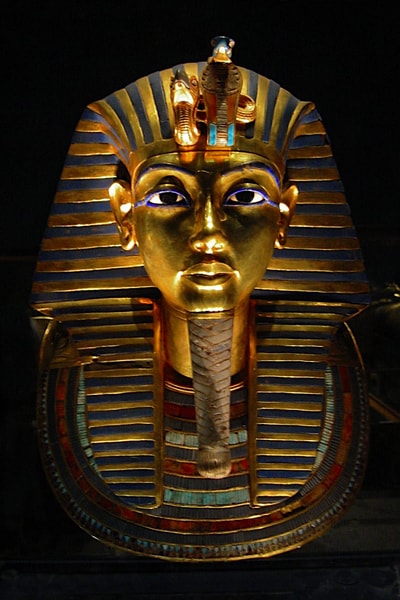 图坦卡蒙的黄金面具 Richard IJzermans (CC BY-NC-SA) ](https://www.worldhistory.org/image/1048/death-mask-of-tutankhamun/ "Death Mask of Tutankhamun")然而,新王国时期最伟大的统治者可能是拉美西斯二世(也被称为拉美西斯大帝,公元前1279-前1213年),他启动了历代统治者中最为宏伟的建筑工程,并且其统治效率之高,使他有能力实现他的计划。公元前1274年著名的卡迭石战役(发生在埃及的拉美西斯二世和赫梯的穆瓦塔里二世之间的战争),虽然在今天被认为是一场僵局,但拉美西斯二世将其宣传成一场伟大的胜利,还在许多公共工程中把自己标榜为埃及人民的捍卫者,最后还被尊为神明。
他的阿布辛贝神庙描绘了卡迭石战役的场景,而在同一地点还效仿埃赫那吞的做法,建造了一座小型神庙献给了自己最爱的王后奈菲尔塔莉。公元前1258年,在拉美西斯二世的统治下,世界上首个和平条约(卡迭石条约)得以签订,而埃及在这段时期也经历了前所未有的繁荣,这从他在位期间所建造或修复的大量纪念建筑中,便可得到印证。
[拉美西斯二世](https://www.worldhistory.org/trans/zh/1-286/)的第四子,卡梅瓦塞特(约前1281年至约前1225年),因致力于保护古老的纪念建筑和寺庙等,并记录了最初建造者的名字,因而被称为“第一位埃及学家”。很大程度上,正是由于卡梅瓦塞特的努力,拉美西斯二世的名号才得以在埃及众多古迹中显得如此突出。卡梅瓦塞特记录了自己的努力,包括古迹或寺庙的原建造者/所有者的名字,以及他父亲的名字。
[ 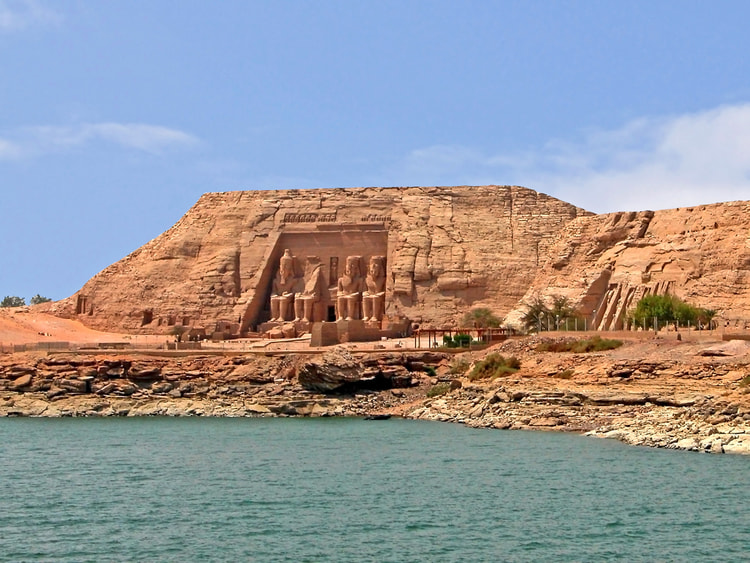 阿布辛贝全景图 Dennis Jarvis (CC BY-SA) ](https://www.worldhistory.org/image/1008/abu-simbel-panorama/ "Abu Simbel Panorama")拉美西斯二世被后人尊称为“伟大的祖先”,他的统治时间如此之长,以至于大多数子女和妻妾都先于他离世。随着时间的推移,埃及所有的臣民都出生在他的统治时期内,人们对其他法老的记忆变得模糊。他活了96岁,是古埃及人平均寿命的两倍多。据记载,在他死后,许多人担心世界末日会到来,因为他们无法想象在其他法老的统治下,埃及会变成什么样子。
### 埃及的衰败和亚历山大大帝的到来
他的继任者之一,拉美西斯三世(公元前1186-前1155年)沿袭了他的政策。但在当时,埃及巨大的财富已经引起了“海上民族”的注意,后者开始频繁侵扰埃及沿海地区。海上民族和希克索斯人一样,来源不明,但据推测他们可能来自爱琴海南部地区。在公元前1276年至前1178年间,海上民族对埃及的安全构成了威胁。拉美西斯二世在其统治早期曾在海战中击败过海上民族,他的继任者莫尼普塔(Merenptah,公元前1213-前1203年在位)也同样如此。然而,在莫尼普塔去世后,海上民族加大了攻势,占领了当时处于埃及控制下的卡迭石,并肆虐沿海地区。公元前1180年至前1178年间,拉美西斯三世与这些族群交战,最终在公元前1178年的克伊索斯战役中彻底击败了海上民族。
拉美西斯三世的统治结束后,他的继任者们试图维持既定政策,但却越来越多地遭到来自埃及本土民众、被征服地民族,尤其是祭司阶层的抵制。自从图坦卡蒙恢复了对阿蒙神的古老宗教崇拜后,尤其是在拉美西斯二世统治时期,国家迎来了极大繁荣,让阿蒙神祭司集团获得了大量土地并积累了巨大财富,在当时已经对中央王权构成威胁,破坏了埃及的统一。到了拉美西斯十一世(公元前1107-前1077年在位),即第二十王朝末期,埃及国力已经被祭司阶层的权力和腐败所严重削弱,于是国家再次分裂,中央行政体系崩溃,从而开启了所谓的埃及“第三中间期”,大约从公元前1069年至前525年。
[  第三中间期地图 Jeff Dahl (CC BY-SA) ](https://www.worldhistory.org/image/596/map-of-the-third-intermediate-period/ "Map of the Third Intermediate Period")在库什国王皮耶(公元前752-前722年)的统治下,埃及重新统一,文化再次繁荣。但从公元前671年开始,阿萨尔哈东统领的亚述人开始入侵埃及,并于公元前666年在其继任者亚述巴尼拔的率领下征服了埃及。亚述人没有制定控制这个国家的长期计划,将其留给本地的傀儡统治者,最终只能任由埃及自生自灭。然而,埃及重建并加固了防御,这就是公元前525年波斯的冈比西斯二世在佩卢西姆战役中所面对的埃及。冈比西斯二世深知埃及人对猫的崇敬之情(猫被认为是广受崇拜的女神巴斯泰特的化身),因此在进军佩卢西姆时,他命令士兵们在盾牌上画上猫的图案,并将猫和其他一些广受尊崇的动物驱赶到军队最前方。埃及军队投降,国家落入波斯人之手,此后直到公元前332年亚历山大大帝到来之前,埃及都处在波斯占领之下。
亚历山大被视作解放者而受到欢迎,并未经过战斗就征服了埃及。他在那里建立了亚历山大城,并以此为基础继续征服了腓尼基和波斯帝国的其他领地。公元前323年,亚历山大去世,他的将军托勒密一世将他的遗体带到亚历山大城,创立了托勒密王朝(公元前323年-前30年)。公元前30年,托勒密王朝最后一位统治者克利奥帕特拉七世选择了自杀,因为她和情人马克·安东尼的联军被屋大维·凯撒(后来的奥古斯都大帝)率领的罗马军队在公元前31年的阿克提姆海战中击败。随后,埃及沦为罗马帝国的一个行省(公元前30年至公元476年),以后又成为拜占庭帝国的一部分(公元527年-646年)。公元646年,信仰穆斯林的阿拉伯人在欧麦尔担任哈里发时期,征服了埃及,从此开启了埃及的伊斯兰时代。
[  一个埃及考古挖掘现场的艺术想象图 Mohawk Games (Copyright) ](https://www.worldhistory.org/image/12919/artists-depiction-of-an-excavation-in-egypt/ "Artist's Depiction of an Excavation in Egypt")然而,埃及往昔的辉煌在18和19世纪被重新发现,对当时的人们理解历史和古代世界产生了深刻影响。历史学家威尔·杜兰特的描述也引起了广泛共鸣:
> 在人类历史的黎明时期,埃及所取得的成就影响了每一个国家和每一个时代。正如福尔所言:“只要有可能,埃及通过其艺术作品的一致性、统一性和具有规范的多样性,并通过悠久时光中持续不懈的努力,展现出这个星球上迄今为止最伟大的文明奇观。”我们若能与之比肩,必将成就非凡。(217页)
埃及的文化和历史,长久以来一直吸引着全世界人们的兴趣,无论是通过19世纪早期考古学家的工作(比如商博良,他在1822年破译了罗塞塔石碑),还是霍华德·卡特在1922年发现了著名的图坦卡蒙陵墓。古埃及人将生命视作一段永恒的旅程,由神灵通过魔法创造并维系,这个信念启发了后世的文化和宗教信仰。来自埃及宗教的许多神祇偶像和信仰理念,后来都融入到新兴的基督教中,一些符号今天仍然可以辨认,其含义也大致相同。对宇宙和人类所处位置的深刻理解和发人深省的洞察力,都曾启发并不断影响了非常之多且充满想象力的作品,无论是电影或书籍,抑或绘画和宗教信仰等等,这些都是埃及文明所带来的力量。
#### Editorial Review
This human-authored definition has been reviewed by our editorial team before publication to ensure accuracy, reliability and adherence to academic standards in accordance with our [editorial policy](https://www.worldhistory.org/static/editorial-policy/).
## 参考文献
- [Bunson, M. *The Encyclopedia of Ancient Egypt.* Gramercy Books, 1991.](https://www.worldhistory.org/books/B01NH04966/)
- [David, R. *Handbook to Life in Ancient Egypt.* Oxford University Press, 2003.](https://www.worldhistory.org/books/0816050341/)
- [Flinders, Sir W. M. (William Matthew Flinders) Petrie. *The Religion of Ancient Egypt.* Public Domain Books, 2009.](https://www.worldhistory.org/books/B002RKTANY/)
- [Gods and Goddesses](http://www.ancientegypt.co.uk/gods/home.html "Gods and Goddesses"), accessed 1 Dec 2016.
- [Nardo, D. *Living in Ancient Egypt.* Thompson/Gale, 2004.](https://www.worldhistory.org/books/1601526385/)
- [Oakes, L. and Gahlin, L. *Ancient Egypt.* Hermes House, London, 2008.](https://www.worldhistory.org/books/1591431093/)
- [Shaw, I. *The Oxford History of Ancient Egypt.* Oxford University Press, 2006.](https://www.worldhistory.org/books/B000OKSGJ8/)
- [Strudwick, H. *The Encyclopedia of Ancient Egypt.* Metro Books, 2006.](https://www.worldhistory.org/books/B01MS1KVAK/)
- [Wilkinson, R. H. *The Complete Gods and Goddesses of Ancient Egypt.* Thames & Hudson, 2003.](https://www.worldhistory.org/books/0500051208/)
## 关于作者
约书亚·J·马克(Joshua J. Mark)是世界历史百科全书的联合创始人兼内容总监。他曾在纽约马里斯特学院(Marist College)担任教授,教授历史、哲学、文学和写作课程。他游历广泛,曾在希腊和德国生活。
- [Linkedin Profile](https://www.linkedin.com/pub/joshua-j-mark/38/614/339)
## 时间轴
- **c. 6000 BCE**: [Nile](https://www.worldhistory.org/nile/) River Valley first inhabited.
- **c. 6000 BCE**: [Burial](https://www.worldhistory.org/burial/) of the dead in [Egypt](https://www.worldhistory.org/egypt/).
- **c. 6000 BCE**: Earliest [Egyptian](https://www.worldhistory.org/disambiguation/Egyptian/) mastabas dug at Saqqara.
- **5500 BCE**: Oldest [faience](https://www.worldhistory.org/disambiguation/Faience/) workshop in [Egypt](https://www.worldhistory.org/egypt/) founded at Abydos.
- **5000 BCE**: Organised farming begins in [Egypt](https://www.worldhistory.org/egypt/).
- **c. 4000 BCE**: Depictions of gods and afterlife on walls of [Egyptian](https://www.worldhistory.org/disambiguation/Egyptian/) tombs.
- **c. 3414 BCE - c. 3100 BCE**: [Xois](https://www.worldhistory.org/Xois/) founded as a [city](https://www.worldhistory.org/city/) during the 1st Dynasty.
- **c. 3200 BCE**: Hieroglyphic [script](https://www.worldhistory.org/script/) developed in [Egypt](https://www.worldhistory.org/egypt/).
- **c. 3200 BCE - c. 3000 BCE**: Probable dates for creation of [Narmer Palette](https://www.worldhistory.org/Narmer_Palette/).
- **c. 3150 BCE**: King [Menes](https://www.worldhistory.org/Menes/) unifies [Egypt](https://www.worldhistory.org/egypt/) through [conquest](https://www.worldhistory.org/warfare/).
- **c. 3150 BCE - c. 3100 BCE**: Reign of [Menes](https://www.worldhistory.org/Menes/), a.k.a. [Narmer](https://www.worldhistory.org/Narmer/), first king who is thought to have unified Upper and Lower [Egypt](https://www.worldhistory.org/egypt/).
- **3150 BCE - 2613 BCE**: [Early Dynastic Period in Egypt](https://www.worldhistory.org/Early_Dynastic_Period_In_Egypt/). First Kings.
- **3100 BCE - 2181 BCE**: [Xois](https://www.worldhistory.org/Xois/) inscribed on Palermo Stone as an ancient [city](https://www.worldhistory.org/city/) during the 5th Dynasty.
- **c. 3000 BCE**: [Trade](https://www.worldhistory.org/disambiguation/trade/) already established between [Syria](https://www.worldhistory.org/syria/) and [Egypt](https://www.worldhistory.org/egypt/).
- **c. 2670 BCE**: Reign of King [Djoser](https://www.worldhistory.org/Djoser/) in [Egypt](https://www.worldhistory.org/egypt/), builder of the first [pyramid](https://www.worldhistory.org/pyramid/).
- **c. 2670 BCE - c. 2650 BCE**: The Step [Pyramid](https://www.worldhistory.org/pyramid/) is built by [Imhotep](https://www.worldhistory.org/imhotep/) under reign of King [Djoser](https://www.worldhistory.org/Djoser/).
- **2667 BCE - 2648 BCE**: [Imhotep](https://www.worldhistory.org/imhotep/) in [Egypt](https://www.worldhistory.org/egypt/) writes medical texts describing diagnosis and treatment of 100 diseases and 48 injuries.
- **c. 2667 BCE - c. 2600 BCE**: Attributed dates of [Imhotep](https://www.worldhistory.org/imhotep/)'s medical and architectural achievements.
- **c. 2613 BCE - c. 2181 BCE**: The Period of the [Old Kingdom of Egypt](https://www.worldhistory.org/Old_Kingdom_of_Egypt/).
- **c. 2560 BCE**: The [Great Pyramid of Giza](https://www.worldhistory.org/Great_Pyramid_of_Giza/) is constructed by [Pharaoh](https://www.worldhistory.org/pharaoh/) Khufu (Cheops).
- **c. 2500 BCE**: The [Great Sphinx of Giza](https://www.worldhistory.org/Great_Sphinx_of_Giza/) is built.
- **c. 2181 BCE - c. 2040 BCE**: [First Intermediate Period](https://www.worldhistory.org/disambiguation/First_Intermediate_Period/) in [Egypt](https://www.worldhistory.org/egypt/).
- **2064 BCE - 1986 BCE**: Twin Dynasty Wars in [Egypt](https://www.worldhistory.org/egypt/).
- **1800 BCE**: [Bronze](https://www.worldhistory.org/disambiguation/bronze/) working introduced to [Egypt](https://www.worldhistory.org/egypt/).
- **c. 1800 BCE**: The Kahun Gynecological Papyrus deals with [women](https://www.worldhistory.org/disambiguation/women/)'s health and contraception.
- **1783 BCE**: Avaris is built and set as capital of [Hyksos](https://www.worldhistory.org/Hyksos/).
- **c. 1782 BCE - c. 1570 BCE**: [Second Intermediate Period](https://www.worldhistory.org/disambiguation/Second_Intermediate_Period/) in [Egypt](https://www.worldhistory.org/egypt/).
- **1700 BCE**: The Kingdom of [Kush](https://www.worldhistory.org/Kush/) is formed to the south of [Egypt](https://www.worldhistory.org/egypt/).
- **1650 BCE - 1550 BCE**: [Xois](https://www.worldhistory.org/Xois/) serves as capital of the 14th Dynasty.
- **c. 1600 BCE**: The Edwin Smith Papyrus, an [Egyptian](https://www.worldhistory.org/disambiguation/Egyptian/) medical text, is written, supposedly as a copy of [Imhotep](https://www.worldhistory.org/imhotep/)'s earlier work.
- **c. 1570 BCE**: Ahmose I defeats and expels the [Hyksos](https://www.worldhistory.org/Hyksos/) from [Egypt](https://www.worldhistory.org/egypt/) and destroy their capital Avaris.
- **c. 1570 BCE - c. 1069 BCE**: The [New Kingdom of Egypt](https://www.worldhistory.org/New_Kingdom_of_Egypt/).
- **c. 1550 BCE - 1070 BCE**: Composition of the [Egyptian Book of the Dead](https://www.worldhistory.org/Egyptian_Book_of_the_Dead/).
- **1504 BCE - 1492 BCE**: [Egyptian empire](https://www.worldhistory.org/Egyptian_Empire/) reaches greatest extent under Thutmose I.
- **1500 BCE**: [Egyptian empire](https://www.worldhistory.org/Egyptian_Empire/) extends to the Euphrates.
- **1479 BCE - 1458 BCE**: Queen [Hatshepsut](https://www.worldhistory.org/hatshepsut/) rules [Egypt](https://www.worldhistory.org/egypt/).
- **c. 1458 BCE**: [Kadesh](https://www.worldhistory.org/Kadesh/) and Megiddo lead a Canaanite alliance against the [Egyptian](https://www.worldhistory.org/disambiguation/Egyptian/) invasion by [Thutmose III](https://www.worldhistory.org/Thutmose_III/).
- **1458 BCE - 1425 BCE**: Reign of [Thutmose III](https://www.worldhistory.org/Thutmose_III/) in [Egypt](https://www.worldhistory.org/egypt/).
- **c. 1457 BCE**: [Battle](https://www.worldhistory.org/disambiguation/battle/) of Megiddo: [Thutmose III](https://www.worldhistory.org/Thutmose_III/) of [Egypt](https://www.worldhistory.org/egypt/) defeats a coalition of [Canaan](https://www.worldhistory.org/canaan/), [Kadesh](https://www.worldhistory.org/Kadesh/), [Mitanni](https://www.worldhistory.org/Mitanni/), and Megiddo led by Durusha, king of Kadesh.
- **c. 1386 BCE - c. 1353 BCE**: Reign of [Amenhotep III](https://www.worldhistory.org/Amenhotep_III/) of [Egypt](https://www.worldhistory.org/egypt/).
- **1353 BCE - c. 1336 BCE**: Reign of [Akhenaten](https://www.worldhistory.org/Akhenaten/), [Tutankhamun](https://www.worldhistory.org/Tutankhamun/)'s father, 'Heretic King' of [Egypt](https://www.worldhistory.org/egypt/).
- **c. 1336 BCE - c. 1327 BCE**: Reign of [Tutankhamun](https://www.worldhistory.org/Tutankhamun/) with [Ankhsenamun](https://www.worldhistory.org/Ankhsenamun/) as queen.
- **c. 1334 BCE**: [Tutankhamun](https://www.worldhistory.org/Tutankhamun/) initiates religious reforms returning [Egypt](https://www.worldhistory.org/egypt/) to traditional belief structure.
- **1327 BCE - 1323 BCE**: Reign of Ay in [Egypt](https://www.worldhistory.org/egypt/).
- **c. 1320 BCE**: Commander-in-Chief of the Army, [Horemheb](https://www.worldhistory.org/Horemheb/), succeeds Ay as ruler of [Egypt](https://www.worldhistory.org/egypt/)
- **c. 1320 BCE - 1292 BCE**: Reign of [Horemheb](https://www.worldhistory.org/Horemheb/) in [Egypt](https://www.worldhistory.org/egypt/), [Tutankhamun](https://www.worldhistory.org/Tutankhamun/)'s name erased from record.
- **c. 1303 BCE**: Birth of [Ramesses II](https://www.worldhistory.org/Ramesses_II/) of [Egypt](https://www.worldhistory.org/egypt/).
- **1295 BCE - 1294 BCE**: The reign of [Ramesses](https://www.worldhistory.org/disambiguation/ramesses/) I in [Egypt](https://www.worldhistory.org/egypt/).
- **1295 BCE - 1188 BCE**: The 19th Dynasty of [Egypt](https://www.worldhistory.org/egypt/).
- **1294 BCE - 1279 BCE**: The reign of Seti I in [Egypt](https://www.worldhistory.org/egypt/).
- **1279 BCE - 1212 BCE**: Reign of [Ramesses II](https://www.worldhistory.org/Ramesses_II/) (The Great) in [Egypt](https://www.worldhistory.org/egypt/).
- **1274 BCE**: [Battle](https://www.worldhistory.org/disambiguation/battle/) of [Kadesh](https://www.worldhistory.org/Kadesh/) between [Pharaoh](https://www.worldhistory.org/pharaoh/) [Ramesses II](https://www.worldhistory.org/Ramesses_II/) of [Egypt](https://www.worldhistory.org/egypt/) and King Muwatalli II of the [Hittites](https://www.worldhistory.org/hittite/).
- **c. 1264 BCE - c. 1244 BCE**: Probable dates for the construction of [Abu Simbel](https://www.worldhistory.org/Abu_Simbel/).
- **1258 BCE**: The Treaty of [Kadesh](https://www.worldhistory.org/Kadesh/) between Egyptians and [Hittites](https://www.worldhistory.org/hittite/). The world's first peace treaty.
- **c. 1244 BCE - c. 1224 BCE**: Other probable dates for the construction of [Abu Simbel](https://www.worldhistory.org/Abu_Simbel/).
- **1184 BCE - 1153 BCE**: Reign of [Ramesses](https://www.worldhistory.org/disambiguation/ramesses/) III, [Pharaoh of Egypt](https://www.worldhistory.org/collection/25/pharaoh-of-egypt/).
- **1180 BCE**: The [Sea Peoples](https://www.worldhistory.org/Sea_Peoples/) begin increased incursions into [Egypt](https://www.worldhistory.org/egypt/).
- **1180 BCE - 1178 BCE**: [Ramesses](https://www.worldhistory.org/disambiguation/ramesses/) III of the 20th Dynasty fortifies [Xois](https://www.worldhistory.org/Xois/) against the threat of the invading [Sea Peoples](https://www.worldhistory.org/Sea_Peoples/).
- **1178 BCE**: [Ramesses](https://www.worldhistory.org/disambiguation/ramesses/) III defends [Egypt](https://www.worldhistory.org/egypt/) from the [Sea Peoples](https://www.worldhistory.org/Sea_Peoples/) on the shores at [Xois](https://www.worldhistory.org/Xois/), defeating them completely.
- **c. 1069 BCE - 525 BCE**: [Third Intermediate Period](https://www.worldhistory.org/Third_Intermediate_Period_of_Egypt/) in [Egypt](https://www.worldhistory.org/egypt/).
- **750 BCE**: Iron working is introduced to [Egypt](https://www.worldhistory.org/egypt/).
- **712 BCE - 671 BCE**: [Egypt](https://www.worldhistory.org/egypt/) is ruled by the Kushite dynasty.
- **671 BCE**: Second [Egyptian](https://www.worldhistory.org/disambiguation/Egyptian/) Campaign, Assyrian army successfully captures [Memphis](https://www.worldhistory.org/Memphis_(Ancient_Egypt)/) and conquers [Egypt](https://www.worldhistory.org/egypt/).
- **671 BCE**: [Egypt](https://www.worldhistory.org/egypt/) is conquered by [Assyria](https://www.worldhistory.org/assyria/).
- **667 BCE - 665 BCE**: [Ashurbanipal](https://www.worldhistory.org/Ashurbanipal/) wages [war](https://www.worldhistory.org/disambiguation/War/) in [Egypt](https://www.worldhistory.org/egypt/) to put down rebellions.
- **664 BCE**: Psamtik I becomes Pharoah in [Egypt](https://www.worldhistory.org/egypt/).
- **653 BCE**: [Egypt](https://www.worldhistory.org/egypt/) expels Assyrians.
- **601 BCE**: [Nebuchadnezzar II](https://www.worldhistory.org/Nebuchadnezzar_II/) of [Babylon](https://www.worldhistory.org/babylon/) unsuccessfully attempts to invade [Egypt](https://www.worldhistory.org/egypt/).
- **c. 525 BCE**: [Imhotep](https://www.worldhistory.org/imhotep/) is deified in [Egypt](https://www.worldhistory.org/egypt/).
- **525 BCE**: [Cambyses II](https://www.worldhistory.org/Cambyses_II/) of [Persia](https://www.worldhistory.org/Persia/) takes the [city](https://www.worldhistory.org/city/) of Pelusium, conquers [Egypt](https://www.worldhistory.org/egypt/).
- **525 BCE - 404 BCE**: [Persia](https://www.worldhistory.org/Persia/) conquers [Egypt](https://www.worldhistory.org/egypt/).
- **520 BCE**: [Darius](https://www.worldhistory.org/disambiguation/darius/) of [Persia](https://www.worldhistory.org/Persia/) links the [Nile](https://www.worldhistory.org/nile/) and the Red Sea by a canal.
- **c. 398 BCE - c. 380 BCE**: [Plato](https://www.worldhistory.org/plato/) travels in [Egypt](https://www.worldhistory.org/egypt/), [Cyrene](https://www.worldhistory.org/cyrene/), [Italy](https://www.worldhistory.org/italy/), [Syracuse](https://www.worldhistory.org/syracuse/) and [Sicily](https://www.worldhistory.org/sicily/).
- **341 BCE**: The Persians complete [conquest](https://www.worldhistory.org/warfare/) of [Egypt](https://www.worldhistory.org/egypt/).
- **332 BCE**: [Alexander the Great](https://www.worldhistory.org/Alexander_the_Great/) conquers [Phoenicia](https://www.worldhistory.org/phoenicia/) and turns toward [Egypt](https://www.worldhistory.org/egypt/).
- **331 BCE**: [Egypt](https://www.worldhistory.org/egypt/) is conquered by [Alexander the Great](https://www.worldhistory.org/Alexander_the_Great/) without resistance.
- **Jan 331 BCE**: [Alexander the Great](https://www.worldhistory.org/Alexander_the_Great/) founds [Alexandria](https://www.worldhistory.org/alexandria/) at the port town of Rhakotis in [Egypt](https://www.worldhistory.org/egypt/).
- **323 BCE**: [Death of Alexander the Great](https://www.worldhistory.org/article/2366/death-of-alexander-the-great/).
- **323 BCE - 282 BCE**: Rule of [Ptolemy I](https://www.worldhistory.org/Ptolemy_I/) Soter.
- **323 BCE - 31 BCE**: The [Hellenistic](https://www.worldhistory.org/Hellenic_World/) Age. [Greek](https://www.worldhistory.org/disambiguation/greek/) thought and [culture](https://www.worldhistory.org/disambiguation/culture/) infuses with indigenous people.
- **305 BCE - 285 BCE**: Reign of [Ptolemy I](https://www.worldhistory.org/Ptolemy_I/) in [Egypt](https://www.worldhistory.org/egypt/), who initiated the Great Library.
- **300 BCE**: [Ptolemy I](https://www.worldhistory.org/Ptolemy_I/) founds the Museum of [Alexandria](https://www.worldhistory.org/alexandria/).
- **282 BCE - 246 BCE**: Reign of [Ptolemy II](https://www.worldhistory.org/Ptolemy_II_Philadelphus/) in [Egypt](https://www.worldhistory.org/egypt/), development of Library at [Alexandria](https://www.worldhistory.org/alexandria/).
- **277 BCE - 276 BCE**: 4,000 [Celts](https://www.worldhistory.org/celt/) are employed in [Egypt](https://www.worldhistory.org/egypt/) under [Ptolemy II](https://www.worldhistory.org/Ptolemy_II_Philadelphus/).
- **259 BCE**: [Celts](https://www.worldhistory.org/celt/) in [Egypt](https://www.worldhistory.org/egypt/) fail to overthrow [Ptolemy II](https://www.worldhistory.org/Ptolemy_II_Philadelphus/) and are starved to [death](https://www.worldhistory.org/disambiguation/Death/) on an island.
- **247 BCE**: The [Lighthouse of Alexandria](https://www.worldhistory.org/Lighthouse_of_Alexandria/) (Pharos) is completed.
- **217 BCE**: 14,000 [Celts](https://www.worldhistory.org/celt/) serve under [Ptolemy](https://www.worldhistory.org/disambiguation/Ptolemy/) IV in his victory at Raphia over the [Seleucid](https://www.worldhistory.org/Seleucid_Empire/) King Antiochus III.
- **c. 69 BCE - 12 Aug 30 BCE**: Life of [Cleopatra VII](https://www.worldhistory.org/Cleopatra_VII/) of [Egypt](https://www.worldhistory.org/egypt/).
- **47 BCE**: [Cleopatra VII](https://www.worldhistory.org/Cleopatra_VII/) is sole ruler of [Egypt](https://www.worldhistory.org/egypt/); she presents herself as the goddess [Isis](https://www.worldhistory.org/isis/).
- **30 BCE**: [Egypt](https://www.worldhistory.org/egypt/) becomes province of the [Roman Empire](https://www.worldhistory.org/Roman_Empire/).
- **30 BCE**: [Death](https://www.worldhistory.org/disambiguation/Death/) of [Cleopatra VII](https://www.worldhistory.org/Cleopatra_VII/), end of the [Ptolemaic Dynasty](https://www.worldhistory.org/Ptolemaic_Dynasty/) in [Egypt](https://www.worldhistory.org/egypt/).
- **30 BCE - 14 CE**: Reign of [Augustus](https://www.worldhistory.org/augustus/) [Caesar](https://www.worldhistory.org/disambiguation/caesar/) in [Rome](https://www.worldhistory.org/Rome/), restoration of [Roman](https://www.worldhistory.org/disambiguation/Roman/) province of [Alexandria](https://www.worldhistory.org/alexandria/).
- **30 BCE - 476 CE**: [Egypt](https://www.worldhistory.org/egypt/) remains a province of the [Roman Empire](https://www.worldhistory.org/Roman_Empire/).
- **c. 1 CE**: First non-stop voyages from [Egypt](https://www.worldhistory.org/egypt/) to [India](https://www.worldhistory.org/india/).
- **c. 50 CE - c. 60 CE**: Establishment of various Christian communities in the Eastern [Mediterranean](https://www.worldhistory.org/disambiguation/mediterranean/), [Greece](https://www.worldhistory.org/greece/), [Egypt](https://www.worldhistory.org/egypt/), and at least the [city](https://www.worldhistory.org/city/) of [Rome](https://www.worldhistory.org/Rome/).
- **232 CE**: Emperor [Maximinus Thrax](https://www.worldhistory.org/Maximinus_Thrax/) commands a legion in [Egypt](https://www.worldhistory.org/egypt/).
- **c. 527 CE - 646 CE**: The [Byzantine Empire](https://www.worldhistory.org/Byzantine_Empire/) controls [Egypt](https://www.worldhistory.org/egypt/).
- **646 CE**: The Arab Muslims [conquer](https://www.worldhistory.org/warfare/) [Egypt](https://www.worldhistory.org/egypt/) under Caliph [Umar](https://www.worldhistory.org/Umar/).
## 问答
### 埃及这个名字从何而来?
“埃及”来自希腊名字“Aegyptos”,是希腊人对孟菲斯城的发音。
### 埃及文化有多古老?
埃及文化可以追溯到公元前6000年的“前王朝”时期,并且在此之前,这片土地上便已有人定居,并且还建立了一定程度的文明。
### 埃及是非洲国家吗?
埃及位于北非,因此被看做是一个非洲国家。
### 谁建造了金字塔?
金字塔是由埃及经验丰富的工匠,以及普通劳工建造的,他们要么是为了报酬,要么是为了向国王缴纳规定的劳役。总之,金字塔并不是由奴隶建造的。
## 外部链接
- [Stories My Mummy Told Me](http://storiesmymummytoldme.com/)
- [How to make a mummy - Len Bloch](http://ed.ted.com/lessons/how-to-make-a-mummy-len-bloch)
- [episode 6: The Pros and Cons of Wisdom](http://literatureandhistory.com/index.php/episode-006-the-pros-and-cons-of-wisdom)
- [Discovering Ancient Egypt hieroglyphs pharaohs pyramids mummification](https://discoveringegypt.com/)
- [44 Ancient Egypt Facts That Separate Myth From Truth](https://allthatsinteresting.com/interesting-ancient-egypt-facts)
- [Ancient Egypt Military](http://www.ancientmilitary.com/ancient-egypt-military.htm)
- [The Oriental Institute of the University of Chicago](http://oi.uchicago.edu/research/computer-laboratory/archaeological-site-photography-egypt)
- [Egyptian Life](http://www.ancientegypt.co.uk/life/home.html)
- [The Ancient Egypt Site](http://www.ancient-egypt.org/)
- [Ancient History in depth: Ancient Egyptian Magic](http://www.bbc.co.uk/history/ancient/egyptians/magic_01.shtml)
- [History: Egyptians](http://www.bbc.co.uk/history/ancient/egyptians/)
- [List of Rulers of Ancient Egypt and Nubia | Lists of Rulers | Heilbrunn Timeline of Art History | The Metropolitan Museum of Art](https://www.metmuseum.org/toah/hd/phar/hd_phar.htm)
## 引用本文
### APA
Mark, J. J. (2024, July 18). 古埃及. (C. He, 翻译). *World History Encyclopedia*.
### Chicago
Mark, Joshua J.. "古埃及." 翻译: Claude He. *World History Encyclopedia*, July 18, 2024. .
### MLA
Mark, Joshua J.. "古埃及." 翻译: Claude He. *World History Encyclopedia*, 18 Jul 2024, .
## 许可与版权
提交人: [Claude He](https://www.worldhistory.org/user/claudehe/ "User Page: Claude He"), 发表于 18 July 2024. 请查阅原始来源以获取版权信息。 请注意,从本页面链接的内容可能具有不同的许可条款。