---
title: 美索不达米亚
author: Joshua J. Mark
translator: Claude He
source: https://www.worldhistory.org/trans/zh/1-34/
format: machine-readable-alternate
license: Creative Commons Attribution-NonCommercial-ShareAlike (https://creativecommons.org/licenses/by-nc-sa/4.0/)
updated: 2024-06-18
---
# 美索不达米亚
_作者: [Joshua J. Mark](https://www.worldhistory.org/user/JPryst/)_
_译者: [Claude He](https://www.worldhistory.org/user/claudehe)_
[](https://www.worldhistory.org/trans/zh/1-22386/)[](https://www.worldhistory.org/trans/zh/2-2409/)被称为新月沃土和文明摇篮的美索不达米亚(希腊语的含义为“两河之间的土地”)是位于地中海东部的一个古老地区,其东北部与扎格罗斯山脉接壤,东南部则紧邻阿拉伯高原,大致范围包括了今天的伊拉克全境,并覆盖了今伊朗、叙利亚,科威特和土耳其的部分地区。
“两河”指的是幼发拉底河与底格里斯河。对阿拉伯人来说,这片土地被称为杰济拉(Al-Jazirah,半岛),即一片被河流包围的肥沃土地。1916年,埃及古物学家 J.H.布雷斯特(1865-1935)则使用了“新月沃土”这个词来形容位于波斯湾北边的这片区域,并把它和圣经中的伊甸园联系了起来。
美索不达米亚是许多不同文明的发源地,在跨越数千年的时光中,它为整个世界的文化和进步都做出了重大贡献。现今很多涉及到我们生活方方面面且看似理所当然的事物,都是在孕育了伟大美索不达米亚文明的两河流域最早出现或首次发明的,如文字、轮子、法典、帆船、一天24小时概念、啤酒酿造,民事权利,以及灌溉技术等。
### 文明的摇篮
和更加单一化的埃及或希腊文明不同,美索不达米亚是多种文化的结合体,而连接这些文化的唯一真正纽带是相同的书写系统、共同的神,以及他们看待女性的态度。比如,苏美尔民族的社会习俗、法律,甚至语言等都和阿卡德时期有很大区别,且两者和巴比伦文明之间也无法被看成是直接关联的。不过,不同区域的文化仍具有很多相似性或共性,如(在某些时期)妇女低下的社会权利或文字的重要性等。另外,万神殿中的众多神灵都受到了人们的顶礼膜拜,尽管这些神在不同的地区和不同的时期可能被冠以不同的称谓。
因此,实际上美索不达米亚并不是一个单一的文明,而是一个诞生了多个帝国及其文明的地区。尽管如此,人们仍然将其称为“文明的摇篮”,这主要是因为在公元前4000年的苏美尔地区,曾出现了两大事件:
- 如今公认的城市之崛起
- 文字的发明(尽管文字在埃及、印度河谷、中国,以及中美洲都曾被独立发明)
轮子的发明也被归结到美索不达米亚地区,在公元1922年,考古学家伦纳德·伍利爵士(Sir Leonard Woolley)发现了“两辆四轮马车的残骸,\[位于乌尔古城遗址\]这也是历史上发现的最古老的轮式车辆,马车甚至有皮质轮胎”(伯特曼,35)。其他被认为是美索不达米亚人的重要发明包括,但不限于:家畜的驯化、灌溉农业、常用工具、精良的武器和战争、战车、葡萄酒、啤酒、时间单位时分秒、宗教仪式,以及帆(帆船)和法典。事实上,著名苏美尔学家塞缪尔·诺亚·克莱默(Samuel Noah Kramer)曾列举了人类文明史中,由苏美尔人所创造的39项“第一”,其中包括:
> 最早的学校、最早的“拍马屁”、最早的少年犯、最早的“心理战”、最早的两院制国会、最早的历史学家、最早的减税法案、最早的“立法者”、最早的法律判例、最早的药典处方、最早的“农业年历”、最早的树荫园艺实践、最早的人类宇宙学和宇宙论、最早的道德规范、最早的职业、最早的谚语、最早的动物寓言、最早的文学争论、最早的伊甸园、最早的“诺亚方舟”、最早的“转世重生”、最早的“超级英雄”、最早的文学借用、最早的英雄时代、最早的情歌、最早的图书分类、最早的黄金时代、最早的病态社会、最早的礼拜挽歌、最早的救世主、最早的远征、最早的文学比喻、最早的性象征、最早的圣母、最早的摇篮曲、最早的文学肖像、最早的挽歌、最早的劳动者胜利以及最早的水族馆。
[ ![Lion of Babylon [Detail]](https://www.worldhistory.org/img/r/p/500x600/293.jpg?v=1767843967-1727082436) 巴比伦之狮\[详情\] oversnap (Copyright) ](https://www.worldhistory.org/image/293/lion-of-babylon-detail/ "Lion of Babylon [Detail]")从19世纪40年代开始的考古发掘表明,早在公元前一万年,美索不达米亚地区就有人类活动。这片位于两条河流之间的肥沃土地曾吸引了古代的狩猎采集者在此停留,他们后来驯化了动物,开启了定居生活,还发明了灌溉农业。贸易也紧随其后地出现了,其繁荣也带来了城镇化和城市的诞生。一般认为,文字的发明是出于对长途贸易的沟通需求,也是为了更仔细地记录账目。
### 知识与宗教
美索不达米亚在古代被认为是一个崇尚知识的地方,据说米利都的泰勒斯(公元前585年,被称为“第一个哲学家”)曾在这里学习。因为巴比伦人相信水是驱动万物运作的“第一原理”,而泰勒斯则因相同的主张而闻名,所以他很可能在该地区进行过研究。
在美索不达米亚,人们重视对知识的追求,据说那里的学校(主要服务于祭司阶层)和寺庙一样多,学校里会教授阅读、写作、宗教、法律,医学和占星术等知识。美索不达米亚文化的万神殿中有1000多位神,还有更多关于神的故事(其中包括创世神话《埃努玛·埃立什》)。一般认为,《圣经》中有不少故事,包括“人类的堕落”以及“大洪水”等等的传说,实际上都是根植于美索不达米亚的文学内容而形成的,因为这些故事最早出现在后者的《阿达帕神话》和《吉尔伽美什史诗》等世界上最古老的书面文学作品中。美索不达米亚人相信他们是在和神共处,他们的土地上也充满了神和恶魔(尽管这里的“恶魔”不应该用现代基督教中的含义来理解)。
美索不达米亚人相信,在众神战胜混乱后,这个世界便形成了。但是即使众神赢了,也并不意味着混乱不会再次降临。因此,人们需要保持日常的仪式、对神灵的虔诚、适当的丧葬仪式,以及通过其它一些应尽的社会义务等日常行为,来帮助这个世界维持平衡,从而抵挡那些会造成混乱和毁灭的势力。除了期望人们尊敬长辈、尊重他人之外,这片土地上的民众还要通过他们每天的工作来保持对神的敬重。
[  美索不达米亚地图,公元前2000年-前1600年 P L Kessler (Copyright) ](https://www.worldhistory.org/image/588/map-of-mesopotamia-2000-1600-bce/ "Map of Mesopotamia, 2000-1600 BCE")### 职业
无论男人或女人都要工作,“因为古代美索不达米亚首先是一个农业社会,主要的日常工作是种植庄稼和饲养牲畜”(伯特曼,274)。其它职业还包括抄写员、治疗师、工匠、织布工、陶工、鞋匠、渔夫、教师和牧师或女祭司。伯特曼写道:
> 社会的领袖是国王和祭司们,他们住在众多的宫殿和寺庙中并有很多人来为他们服务。随着常备军的建立和帝国的扩张,军官和职业士兵在美索不达米亚不断扩大和多样化的职业中占据了一席之地。(274)
妇女享有几乎平等的权利,可以拥有土地、申请离婚、拥有自己的产业,也可以签订贸易合同。合同、商业安排和信件都是用楔形文字写在泥板上的,并在上面用一个能够证明个人身份的滚筒印章来盖上印记。当泥板被晾干后,有时还会把它放在一个粘土做成的信封里进行密封,这样便只有收信人才能打开信封阅读里边的信件或合同了。直到字母文字被发明之前,楔形文字始终被用来作为诸如巴比伦语等闪米特语的书面形式,苏美尔语也用这种文字作为书面形式。接收货物的收据也写在楔形文字泥板上(以及包括文学作品在内的所有内容),将信息记录在泥板上要远比记录在纸莎草或纸上保存得更为久远。
世界上最早的啤酒收据就出现在美索不达米亚的乌尔城,即被称为 Alulu 的收据(约公元前2050年)。最初的啤酒和葡萄酒酿酒师,还有城镇中的治疗师等都是女性。不过当这些职业后来变得有利可图时,它们看上去似乎便被男性劳动力所取代了。无论如何,一个人所从事的劳动从来都不仅仅只是简单的“工作”,除了对社会的贡献外,还会被升华为协助诸神维持世界和平与和谐而从事的事业。
### 建筑与政体
位于每座城市中心的神庙(被称为金字形塔庙,一种当地的阶梯-金字塔结构)是城市守护神的重要象征,该城统治下任何群体都要对其表示崇拜。每个城市都建有自己的塔庙(大型城市可能不止一个)来纪念他们的守护神。美索不达米亚诞生了世界上第一批城市,这些城市主要是用晒干的砖建造的。用伯特曼的话来描述:
> 美索不达米亚的本地建筑是从它所在的土壤中生长出来的。与埃及不同,美索不达米亚,特别是它的南部地区,是没有建筑石料可供开采的”。这片土地同样缺乏可提供木材的森林,所以人们“转向其他近在咫尺的丰富自然资源:河岸的泥泞粘土和沼泽中生长的蒲草和芦苇”。用这些材料,美索不达米亚人创造了世界上最早的立柱、拱门和有顶建筑。(285)
简单的房屋是用插在地上的一捆捆扎在一起的芦苇搭建起来的,而更复杂的房屋需要使用晒干的粘土砖(后来埃及人也借鉴了这种方法)。而城市和寺庙建筑群,以及著名的塔庙等,则是用烤制的粘土砖建造的,造好后再涂上颜色。
人们认为,在任何建筑项目的规划和建设过程中,神灵们都是在场的。因此,按照严格的仪式流程来给相应的神作特定的祈祷是无比重要的,这将决定建筑能够成功、人们能否使所在的城市繁荣昌盛。
无论哪个王国或帝国统治了美索不达米亚,在任何历史时期,神在人们生活中所起的决定性作用都不会受到任何消减。无论是农夫还是国王,这种对神的敬畏都是每个人的共性。历史学家海伦·查平·梅斯写道:
> 美索不达米亚南部不稳定的生存条件导致了人们高度发达的宗教意识。像埃利都这样的祭祀中心,其历史可追溯到公元前5000年,甚至在苏美尔文明崛起之前,埃利都就已经成为了那些虔诚信仰者们心中的圣地。许多最重要的美索不达米亚城市,都出现在那些前苏美尔人的崇拜中心周围,因而加强了宗教与国家之间的密切关系。(2)
最早的国王是在公元前3600年之后的某个时期出现的,与之前的祭司统治者不同,国王直接与臣民打交道,并通过制定法律来明确自己的意志。在国王这一概念出现之前,法律很有可能是由祭司统治者根据宗教戒律来制定的,他们可能会通过迹象和预兆来接受来自神的指示。国王被看做是众神的代表,在尊崇和安抚众神的同时,也具有足够强大的权力来发布自己的命令,并用自己的声音来转达众神的意志。
[  萨尔玛那萨尔三世 A.K. (Copyright) ](https://www.worldhistory.org/image/741/shalmaneser-iii/ "Shalmaneser III")这点在著名的巴比伦汉谟拉比法典(公元前1792年-前1750年)中表现得最为明显,在美索不达米亚历史上,声称能够与神直接对话的统治者为数众多,其中最著名者要数阿卡德国王纳拉姆-辛(公元前2261年-前2224年),他甚至宣称自己就是神的化身。由于国王有责任让属下的臣民幸福安康,因此如果一个地区欣欣向荣,那么该地的统治者就会被认为是一位称职的国王。
然而,即使是强如阿卡德王萨尔贡(公元前2334年-前2279年)这样的统治者,他们也不得不面对持续不断的起义和叛乱。这些起义和叛乱来自派系或整个地区,会不断挑战国王的合法性。由于美索不达米亚是一个如此广阔的区域,其境内又存在很多不同的文化和民族,因此任何一个推行法令的中央集权者,总是不可避免地会遇到来自某个地区的阻力。
### 美索不达米亚的历史
将其历史分为几个不同的阶段后,我们便可更好地理解该地区辉煌文明的发展过程:
```
前陶器新石器时代
```
也被称为石器时代(约公元前10,000年,尽管有证据表明人类生活在此的时间要更早得多)。考古证实了原始定居点的存在以及部落间战争的早期迹象,战争的原因很可能是为了争夺适宜耕种的肥沃土地和放牧牲畜的牧场。随着狩猎采集文化向农耕文化的过渡,畜牧业在这一时期变得越来越重要。即便如此,历史学家 Marc Van De Mieroop 指出:
> 从狩猎采集到定居农业并不是一个突然的转变,而是一个缓慢的过程。在这个过程中,拥有资源的增多逐渐加重了人们对它们的依赖,但仍需通过狩猎野生动物来补充他们的食物。但农业使人们不断地转向定居生活。(12)
随着越来越多的定居点的出现,建筑技术也跟着发展起来,于是永久性的住宅建筑慢慢变得更加复杂化。
```
新石器时代(约公元前7000年)
```
在这一时期,工具和陶罐被广泛使用,一种特殊的文化开始在新月沃地出现。学者斯蒂芬·伯特曼(Stephen Bertman)写道,“在这个时代,唯一先进的技术就是‘切刃’工艺”,因为石制的工具和武器会变得更加高级。伯特曼进一步指出,“新石器时代的经济主要依赖以农业和畜牧业为基础的粮食生产”(55),与部落频繁迁徙的石器时代不同,新石器时代的经济更加稳定。随着永久定居点的出现,建筑方面的进步也随之而来,陶瓷和石器的制造也得到了发展。
[  重建的乌尔金字塔庙 wikiwikiyarou (Public Domain) ](https://www.worldhistory.org/image/198/reconstruction-of-the-ziggurat-of-ur/ "Reconstruction of the Ziggurat of Ur")```
铜器时代(公元前5900年-前3200年)
```
由于制作工具和武器的材料从石制向铜制的过渡,因此也被称为铜石并用时代。这个时代包括所谓的乌拜德时期(约公元前5000年-前4100年,以伊拉克出土文物最多的地点 Tell Al-Ubaid 而命名),在此期间,美索不达米亚出现了第一批寺庙,没有围墙的村舍也由零零散散的独立房舍发展而来。这些村舍随后在乌鲁克时期(公元前4100年-前2900年)引发了城镇化进程,位于苏美尔地区最著名的城邦包括:埃利都、乌鲁克、乌尔、基什、拉伽什、尼普尔和吉尔苏,以及埃兰的苏萨城。
通常认为,人类最早出现的城市是乌鲁克,尽管也有人认为应该是埃利都或乌尔。Van De Mieroop写道,“美索不达米亚是古代世界最密集的城市化地区”(伯特曼, 2011),贸易体系在沿底格里斯河和幼发拉底河而星罗棋布的城邦间,以及那些在位于更远地区的城邦之间产生,由此带来了史无前例的繁荣景象。
在这一时期,苏美尔人发明了轮子(公元前3500年)和文字(公元前3600年),建立了取代祭司统治的王权国家。在苏美尔和埃兰王国(公元前2700年)之间,也爆发了世界上第一场战争(苏美尔胜人获胜)。在早王朝时期(公元前2900-2334年),乌鲁克的发展进入到极盛期,城市和权力运作体系也基本稳定下来。
该地区的日益繁荣也催生出华丽的寺庙和雕塑作品,陶器和小工艺品都非常精致,出现了儿童玩具(包括女孩的玩偶和男孩的轮式手推车),以及可以确认财产所有权并代表个人签名的印章(滚筒印章)等。滚筒印章相当于现代人的身份证或驾照,事实上,就和现代人的身份证或信用卡丢失一样,当时一个人的印章如果丢失或被盗,其后果也同样是很严重的。
[  从城市到帝国的古代美索不达米亚 Simeon Netchev (CC BY-NC-ND) ](https://www.worldhistory.org/image/16859/ancient-mesopotamia-from-cities-to-empires/ "Ancient Mesopotamia from Cities to Empires")早期青铜时代(公元前3000 -公元前2119年)
在这一时期,青铜取代了铜成为制造工具和武器的材料。城邦的崛起为经济和政治的稳定奠定了基础,最终导致了阿卡德帝国(公元前2334年-前2218年)的崛起,包括两个当时最繁荣的城市中心,即阿卡德城和马瑞城的迅速发展。以该地区在文化层面的稳定为基础,其艺术创作力也得到释放,导致了更复杂的建筑和雕塑设计的产生,以及以下诸多发明或改进:
> 许多独特且重要发明:犁和轮子、战车和帆船,以及古代美索不达米亚最独特的艺术形式,即滚筒印章的出现。滚筒印章是财产所有权和商业繁荣的重要体现,它们在国家日常生活中占有重要作用。
萨尔贡大帝的阿卡德帝国是世界上第一个多民族国家,萨尔贡的女儿恩赫杜安娜(约公元前2285年-前2250年)是第一部著名文学作品的作者。马瑞的图书馆中收藏了2万多本楔形文字片(书),那里的宫殿也被认为是该地区最好的建筑之一。
```
青铜时代中期(公元前2119年-前1700年)
```
亚述王国(亚述、尼姆鲁德、沙鲁金、杜尔和尼尼微)的扩张和巴比伦王朝(以巴比伦和迦勒底为中心)的崛起为贸易活动创造了非常有利的氛围,但随之而来的则是战争的增多。库提部落是凶猛的游牧民族,他们成功地推翻了阿卡德帝国并接管了美索不达米亚的政局,但后来又被苏美尔国王所统帅的联军所打败。
汉谟拉比,巴比伦国王,曾经是一个默默无闻的人,但后来却征服了整个地区并统治了43年。在他的众多成就中,有一部著名的法典被刻在了众神的石碑上。此时,巴比伦成为了知识追求,以及艺术和文学创造的主要中心。然而,这个文化中心并没能延续下去,赫梯人将其洗劫一空,然后加喜特人又趁机占领了这里。
[  中亚述帝国时期(前1365年-前1077年) Simeon Netchev (CC BY-NC-ND) ](https://www.worldhistory.org/image/15147/map-of-the-middle-assyrian-empire/ "Map of the Middle Assyrian Empire")```
青铜时代晚期(公元前1700年-前1100年)
```
加喜特王朝(一个来自扎格罗斯山脉北部的部族,可能最早发源于今伊朗境内)崛起后,伴随着加喜特人对巴比伦的征服和相应的权力转移,文化和学术获得了扩展。在战争中,加喜特人以及更早的赫梯人发明了新的采矿和冶铁技术,而铁器的使用最终导致了青铜时代的崩溃。
随着加喜特人对权力的把持,这一时期也见证了巴比伦文化的衰落。后来,加喜特人被埃兰人打败并赶走,但埃兰人又让位给了阿拉米人。很快,早期的亚述王国发动了一系列成功的战役,在提格拉特-帕拉沙尔一世(公元前1115年-前1076年)的统治下,亚述帝国开始成型并繁荣起来;在他之后,亚述那西尔帕二世(公元前884年-前859年)进一步巩固了这个帝国。大多数美索不达米亚国家在铜器时代(公元前1250年-前1150)崩溃后要么被摧毁,要么被削弱,从而导致了短暂的“黑暗时代”。
[  亚述那西尔帕二世的战争浮雕 Geni (CC BY-SA) ](https://www.worldhistory.org/image/2802/ashurnasirpal-ii-wall-relief/ "Ashurnasirpal II Wall Relief")```
铁器时代(公元前1000年-前500年)
```
在提格拉特-帕拉沙尔三世(Tiglath-Pileser III,公元前745-727年)的统治下,这一时期见证了“新亚述帝国”的崛起和扩张,在一系列伟大的亚述王,包括萨尔贡二世(公元前722年-前705年)、西拿基立(公元前705年-前681年)、阿萨尔哈东(公元前681年-前669年)和亚述巴尼拔(公元前668年-前627年,征服了巴比伦、叙利亚、以色列和埃及)的统治下,新亚述帝国很快崛起又很快衰亡。公元前612年,巴比伦人、米底人和斯基泰人对亚述中心城市进行了多次打击,让这个帝国衰落的速度与崛起的速度变得同样迅速。
赫梯部落和米坦尼部落在这段时期内巩固了各自的权力,导致了新赫梯帝国和新巴比伦帝国的崛起。巴比伦国王尼布甲尼撒二世(公元前605/604年-前562年)在此期间摧毁了耶路撒冷(公元前588年),并迫使以色列居民迁往巴比伦,史称“巴比伦之囚”。他还在巴比伦大兴土木,建造了许多著名的建筑,如伊什塔尔门和大金字塔庙(“巴别塔”)。公元前539年,巴比伦落入波斯居鲁士二世(公元前550年-前530年)之手,这也标志着巴比伦文化事实上的终结。
```
古典时代(公元前500年-公元7世纪)
```
居鲁士二世占领巴比伦后,美索不达米亚的大部分地区沦为阿契美尼德波斯帝国的一部分,这一时期见证了该地区文化的极速转向和诸多变迁,最显著的则是楔形文字的没落。公元前331年,亚历山大大帝对波斯人的征服也带来了文化和宗教领域的“希腊化”进程,尽管亚历山大尝试再次让巴比伦成为一个重要的城市,但它的辉煌早已是昨日黄花了。
亚历山大死后,其手下将军塞琉古一世(公元前305 - 281年)控制了该地区,建立了塞琉古帝国(公元前312 - 公元63年),直到公元前63年被帕提亚人征服。但帕提亚人不久后又被萨珊人统治,后者建立了萨珊帝国(公元224 - 651年)。萨珊人尊重并留存了早期美索不达米亚文明的遗产和贡献。
在帕提亚帝国(公元前247年-公元224年)和萨珊帝国的间隙,罗马帝国于公元198年也在该地区建立了自己的势力范围(尽管罗马早在公元116 - 117年就已经到了这里,但后来又撤退了)。罗马人通过引入更好的道路和管道,极大地改善了殖民地的基础设施,并将罗马法带入了这片土地。即便如此,这一地区还是不断陷入罗马皇帝发动的战争中,先是与帕提亚人,然后是萨珊人,其目的则是为了争夺对这片土地的控制权。
公元7世纪,信仰穆斯林的阿拉伯人征服了美索不达米亚,导致法律、语言、宗教,以及文化等让位于伊斯兰教的统一,萨珊王朝保存的古老文化被摧毁。尽管某些方面的文化特征被保留下来,但正如伯特曼所指出的:“随着公元651年伊斯兰的征服,古代美索不达米亚的历史结束了”(58)。如今,曾经在底格里斯河和幼发拉底河沿岸崛起的那些大城市,大部分都沦落为干旱平原上未被挖掘的土堆或破碎的砖块。而曾经的新月沃土也由于人类活动(如农业或城市发展对土地的过度消耗)和气候变迁等因素,逐渐缩小成近似于荒漠的不毛之地。
[ 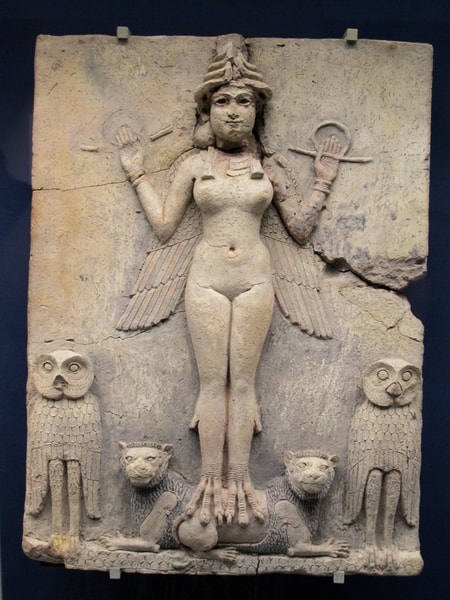 夜之女王牌匾 Davide Ferro (CC BY) ](https://www.worldhistory.org/image/2314/queen-of-the-night-plaque/ "Queen of the Night Plaque")```
留给后世的遗产
```
美索不达米亚的遗产一直延续到今天,体现在现代生活的方方面面,比如一分钟六十秒钟,一小时六十分钟。海伦·查平·梅斯写道,
> 因为社会的福祉依赖于对自然现象的密切观察,所以科学或科学产生前的活动占据了祭司们的大部分时间。例如,苏美尔人相信每个神都由一个数字所代表。60这个数字是安神的神圣符号,因此也是当时人们进行计算时所采用的基本进制单位。一小时包含的分钟数,以及圆周的角度等都是苏美尔人的概念。高度发达的农业以及精细的灌溉和水利控制系统,使苏美尔实现了粮食剩余,也孕育了大城市的出现。(4)
城市化、车轮、文字、天文学、数学、风力的使用、灌溉、农业发展、畜牧业,以及最终被改写进希伯来圣经,为基督教《旧约》提供了基本的故事等等,都源自美索不达米亚这片土地。
如前所述,克莱默在他的《历史始于苏美尔》一书中列出了美索不达米亚的39个“第一”,然而,尽管这些“第一”令人印象深刻,但美索不达米亚对世界文化的贡献并没有就此结束。美索不达米亚人通过长途贸易和文化传播影响了埃及和希腊的文化,进而通过后者影响了罗马文化,而罗马文化又为西方文明的发展和传播指明了标准。总的来说,美索不达米亚,特别是苏美尔文明,为这个世界提供了一些最久远的文化因素,尽管那些伟大城市和宫殿早已不复存在,但其遗产却一直延续到现代。
公元19世纪,来自不同国家的考古学者来到美索不达米亚挖掘证据,希望证实《旧约》中的故事。当时,《圣经》被认为是世界上最古老的书,其中的故事被认为是原创作品。寻找实物证据来支持《圣经》故事的考古学家们却遇到了完全不同的情况,一旦那些古代泥板被发现,人们很快就会明白,那上面所镌刻的并不是普通的标记,而是一种未知形态的文字。
公元1872年,学者兼翻译家乔治·史密斯(George Smith, 1840-1876)破译了这些楔形文字的泥板,从而开启了现代世界了解古代美索不达米亚文明的大门。大洪水和诺亚方舟的故事、人类堕落的故事、伊甸园的概念、甚至是约伯的抱怨,这些故事都是早在圣经文本出现前几个世纪前,便由美索不达米亚人写在泥板上了。
一旦楔形文字可以被阅读,古代美索不达米亚世界便向现代人开启了大门,它也改变了人们对世界历史和自身的理解。苏美尔文明的发现和楔形文字的故事鼓励了一种新的自由,产生了对所有知识领域进行探索的自由意识。当时的人们终于明白,圣经中所讲述的内容并不是希伯来语的原创作品,世界显然比教会所声称的要古老得多,文明的兴衰也远早于人们之前的认知,那么如果教会和学校的权威说法是错误的,也许其他领域的认知也是错误的。
当史密斯破译楔形文字时,19世纪晚期的探索精神已经开始对权威的思想范式进行了挑战,但美索不达米亚文化和宗教的发现进一步为此提供了鼓励。在古代,美索不达米亚通过其发明、创新和宗教视野影响了世界;在现代,它也确实改变了现代人理解整个历史的方式,以及每个人在人类文明持续发展这个大故事中的位置。
#### Editorial Review
This human-authored definition has been reviewed by our editorial team before publication to ensure accuracy, reliability and adherence to academic standards in accordance with our [editorial policy](https://www.worldhistory.org/static/editorial-policy/).
## 参考文献
- [Ancient Babylon: Center of Mesopotamian Civilization | LiveScience](http://www.livescience.com/28701-ancient-babylon-center-of-mesopotamian-civilization.html "Ancient Babylon: Center of Mesopotamian Civilization | LiveScience"), accessed 1 Dec 2016.
- [Bertman, S. *Handbook to Life in Ancient Mesopotamia.* Oxford University Press, 2005.](https://www.worldhistory.org/books/0195183649/)
- [Black, J & Green, A. *Gods, Demons and Symbols of Ancient Mesopotamia.* University of Texas Press, 1992.](https://www.worldhistory.org/books/0292707940/)
- [Black, J. et. al. *The Literature of Ancient Sumer.* Oxford University Press, U.S.A., 2018.](https://www.worldhistory.org/books/B01K0T86LU/)
- [Bottéro, J. *Everyday Life in Ancient Mesopotamia.* Johns Hopkins University Press, 2001.](https://www.worldhistory.org/books/0801868645/)
- [Durant, W. *Our Oriental Heritage.* Simon & Schuster, 1954.](https://www.worldhistory.org/books/B00005WJGO/)
- [Jacobsen,T. *The Treasures of Darkness.* Yale University Press, 1978.](https://www.worldhistory.org/books/0300022913/)
- [Kramer, S. N. *History Begins at Sumer.* University of Pennsylvania Press, 1988.](https://www.worldhistory.org/books/0812212762/)
- [Kramer, S. N. *The Sumerians: Their History, Culture, and Character.* University of Chicago Press, 1971.](https://www.worldhistory.org/books/0226452387/)
- [Kriwaczek, P. *Babylon: Mesopotamia and the Birth of Civilization.* Thomas Dunne Books, 2014.](https://www.worldhistory.org/books/B00DIKTPXC/)
- [Leick, G. *Mesopotamia: The Invention of the Cities.* Scarecrow Press, 2002.](https://www.worldhistory.org/books/8449312752/)
- [Leick, G. *The A to Z of Mesopotamia.* Scarecrow Press, 2010.](https://www.worldhistory.org/books/0810875772/)
- [Mehta-Jones, S. *Life in Ancient Mesopotamia.* Crabtree Publishing Company, 2004.](https://www.worldhistory.org/books/0778720667/)
- [Mesopotamia - The British Museum](http://www.mesopotamia.co.uk/ "Mesopotamia - The British Museum"), accessed 1 Dec 2016.
- [Mesopotamia](http://www.livius.org/men-mh/mesopotamia/mesopotamia.html "Mesopotamia"), accessed 1 Dec 2016.
- [Van De Mieroop, M. *A History of the Ancient Near East ca. 3000 - 323 BC \[Blackwell History of the Ancient..* Blackwell Publishing, 2006.](https://www.worldhistory.org/books/1405149116/)
- [Van De Mieroop, M. *A History of the Ancient Near East, ca. 3000-323 BC.* Wiley-Blackwell, 2015.](https://www.worldhistory.org/books/111871816X/)
- [Von Soden, W. *The Ancient Orient.* Wm. B. Eerdmans Publishing Company, 1994.](https://www.worldhistory.org/books/0802801420/)
- [Wallis Budge, E. A. *Babylonian Life and History.* Barnes & Noble Press, 2005.](https://www.worldhistory.org/books/0880298553/)
- [Wise Bauer, S. *The History of the Ancient World.* W. W. Norton & Company, 2007.](https://www.worldhistory.org/books/039305974X/)
## 关于作者
约书亚·J·马克(Joshua J. Mark)是世界历史百科全书的联合创始人兼内容总监。他曾在纽约马里斯特学院(Marist College)担任教授,教授历史、哲学、文学和写作课程。他游历广泛,曾在希腊和德国生活。
- [Linkedin Profile](https://www.linkedin.com/pub/joshua-j-mark/38/614/339)
## 时间轴
- **c. 11700 BCE**: End of the most recent glacial episode within the current Quaternary [Ice Age](https://www.worldhistory.org/Ice_Age/).
- **10000 BCE**: Beginnings of [agriculture](https://www.worldhistory.org/disambiguation/Agriculture/) in the Middle East.
- **9000 BCE**: Cultivation of wild cereals in the [Fertile Crescent](https://www.worldhistory.org/Fertile_Crescent/).
- **8000 BCE**: Ovens in use in the [Near East](https://www.worldhistory.org/Near_East/) are applied to [pottery](https://www.worldhistory.org/pottery/) production.
- **c. 6500 BCE - 4000 BCE**: The Ubaid period in [Sumer](https://www.worldhistory.org/sumer/).
- **c. 6000 BCE**: [Nineveh](https://www.worldhistory.org/nineveh/) is first settled.
- **c. 5400 BCE**: The [city](https://www.worldhistory.org/city/) of [Eridu](https://www.worldhistory.org/eridu/) is founded.
- **c. 5000 BCE**: [Godin Tepe](https://www.worldhistory.org/Godin_Tepe/) settled.
- **5000 BCE**: Irrigation and [agriculture](https://www.worldhistory.org/disambiguation/Agriculture/) begin in earnest in [Mesopotamia](https://www.worldhistory.org/Mesopotamia/).
- **c. 5000 BCE - c. 4500 BCE**: The [city](https://www.worldhistory.org/city/) of [Uruk](https://www.worldhistory.org/uruk/) founded.
- **c. 4500 BCE**: The [Sumerians](https://www.worldhistory.org/Sumerians/) built their first [temple](https://www.worldhistory.org/temple/).
- **c. 4000 BCE**: First settlement of [Ur](https://www.worldhistory.org/ur/).
- **4000 BCE - 3100 BCE**: [Uruk](https://www.worldhistory.org/uruk/) period in [Mesopotamia](https://www.worldhistory.org/Mesopotamia/). First [cities](https://www.worldhistory.org/city/).
- **c. 4000 BCE - c. 1750 BCE**: [Sumerian](https://www.worldhistory.org/Sumerians/) [civilization](https://www.worldhistory.org/civilization/) in the Tigris-Euphrates valley.
- **c. 3600 BCE**: Invention of [writing](https://www.worldhistory.org/writing/) in [Sumer](https://www.worldhistory.org/sumer/) at [Uruk](https://www.worldhistory.org/uruk/).
- **3400 BCE**: Priests become the rulers of Mesopotamian [cities](https://www.worldhistory.org/city/).
- **c. 3000 BCE - c. 2900 BCE**: [Mari](https://www.worldhistory.org/mari/), the earliest known planned [city](https://www.worldhistory.org/city/), is built near the eastern bank of the Euphrates.
- **c. 2900 BCE - c. 2334 BCE**: The [Early Dynastic](https://www.worldhistory.org/disambiguation/Early_Dynastic/) period in [Sumer](https://www.worldhistory.org/sumer/).
- **2500 BCE**: First Dynasty of Lagash under King Eannutum is first [empire](https://www.worldhistory.org/empire/) in [Mesopotamia](https://www.worldhistory.org/Mesopotamia/).
- **c. 2400 BCE**: Earliest [Sumerian](https://www.worldhistory.org/Sumerians/) sources to mention migrating Amorites in [Mesopotamia](https://www.worldhistory.org/Mesopotamia/).
- **2350 BCE**: First code of laws by Urukagina, king of Lagash.
- **2334 BCE - 2279 BCE**: [Sargon of Akkad](https://www.worldhistory.org/Sargon_of_Akkad/) (the Great) reigns over [Mesopotamia](https://www.worldhistory.org/Mesopotamia/) and creates the world's first [empire](https://www.worldhistory.org/empire/).
- **2334 BCE - 2154 BCE**: The [Akkadian Empire](https://www.worldhistory.org/akkad/) rules [Sumer](https://www.worldhistory.org/sumer/).
- **c. 2330 BCE**: [Sargon of Akkad](https://www.worldhistory.org/Sargon_of_Akkad/) sacks [Ur](https://www.worldhistory.org/ur/).
- **c. 2154 BCE - c. 2112 BCE**: The Dark Age of [Mesopotamia](https://www.worldhistory.org/Mesopotamia/).
- **c. 2141 BCE - c. 2050 BCE**: The [Gutian](https://www.worldhistory.org/Gutians/) period in [Sumer](https://www.worldhistory.org/sumer/).
- **c. 2119 BCE - c. 2112 BCE**: Reign of Utu-Hegal at [Uruk](https://www.worldhistory.org/uruk/) in [Sumer](https://www.worldhistory.org/sumer/).
- **c. 2112 BCE - 2094 BCE**: [Ur-Nammu](https://www.worldhistory.org/Ur-Nammu/)'s reign over [Sumer](https://www.worldhistory.org/sumer/).
- **c. 2112 BCE - c. 2004 BCE**: The [Ur](https://www.worldhistory.org/ur/) III period in [Sumer](https://www.worldhistory.org/sumer/), known as the [Sumerian](https://www.worldhistory.org/Sumerians/) Renaissance.
- **2100 BCE**: Ziggurats in use in [Sumerian](https://www.worldhistory.org/Sumerians/) [cities](https://www.worldhistory.org/city/) of [Eridu](https://www.worldhistory.org/eridu/), [Uruk](https://www.worldhistory.org/uruk/), [Ur](https://www.worldhistory.org/ur/), [Nippur](https://www.worldhistory.org/disambiguation/nippur/) and elsewhere.
- **c. 2100 BCE - c. 2050 BCE**: The [Code of Ur-Nammu](https://www.worldhistory.org/Code_of_Ur-Nammu/) (the oldest extant code of laws) is written.
- **c. 2100 BCE - c. 1400 BCE**: The tales of [Gilgamesh](https://www.worldhistory.org/gilgamesh/) written which inform the Epic of Gilgamesh.
- **2047 BCE - 1750 BCE**: Third Dynasty of [Ur](https://www.worldhistory.org/ur/).
- **c. 2038 BCE**: King [Shulgi of Ur](https://www.worldhistory.org/Shulgi_of_Ur/) builds his great [wall](https://www.worldhistory.org/wall/) in [Sumer](https://www.worldhistory.org/sumer/).
- **2000 BCE**: Domesticated horses introduced in [Mesopotamia](https://www.worldhistory.org/Mesopotamia/).
- **c. 2000 BCE - 1600 BCE**: [Amorite](https://www.worldhistory.org/amorite/) period in [Mesopotamia](https://www.worldhistory.org/Mesopotamia/).
- **c. 1900 BCE**: [Ashur](https://www.worldhistory.org/ashur/), future capital of the Assyrian [Empire](https://www.worldhistory.org/empire/), is founded.
- **c. 1900 BCE - c. 1400 BCE**: [Trade](https://www.worldhistory.org/disambiguation/trade/) flourishes between [Mesopotamia](https://www.worldhistory.org/Mesopotamia/) and other regions.
- **1894 BCE**: [Amorite](https://www.worldhistory.org/amorite/) dynasty established in [Babylon](https://www.worldhistory.org/babylon/).
- **1795 BCE - 1750 BCE**: Reign of [Hammurabi](https://www.worldhistory.org/hammurabi/), king of [Babylon](https://www.worldhistory.org/babylon/).
- **c. 1792 BCE**: King [Hammurabi](https://www.worldhistory.org/hammurabi/) builds walls of [Babylon](https://www.worldhistory.org/babylon/).
- **1787 BCE**: [Hammurabi](https://www.worldhistory.org/hammurabi/) of [Babylon](https://www.worldhistory.org/babylon/) conquers [Uruk](https://www.worldhistory.org/uruk/) and Isin.
- **c. 1772 BCE**: The [Code of Hammurabi](https://www.worldhistory.org/Code_of_Hammurabi/): One of the earliest codes of [law](https://www.worldhistory.org/disambiguation/law/) in the world.
- **c. 1760 BCE - c. 1757 BCE**: [Hammurabi](https://www.worldhistory.org/hammurabi/) of [Babylon](https://www.worldhistory.org/babylon/) destroys the [city](https://www.worldhistory.org/city/) of [Mari](https://www.worldhistory.org/mari/). The people of Mari are spared according to Hammurabi.
- **1755 BCE**: [Hammurabi](https://www.worldhistory.org/hammurabi/) rules the whole of [Mesopotamia](https://www.worldhistory.org/Mesopotamia/) from [Babylon](https://www.worldhistory.org/babylon/).
- **1750 BCE**: [Elamite](https://www.worldhistory.org/elam/) invasion and [Amorite](https://www.worldhistory.org/amorite/) migration ends the [Sumerian](https://www.worldhistory.org/Sumerians/) [civilization](https://www.worldhistory.org/civilization/).
- **c. 1750 BCE**: [Elam](https://www.worldhistory.org/elam/) conquers [Ur](https://www.worldhistory.org/ur/).
- **1680 BCE**: [Hurrians](https://www.worldhistory.org/Hurrians/) occupy [Assyria](https://www.worldhistory.org/assyria/).
- **1595 BCE**: King Mursilis of the [Hittites](https://www.worldhistory.org/hittite/) sacks [Babylon](https://www.worldhistory.org/babylon/). Begin of Babylonian "dark ages."
- **1595 BCE**: [Hittites](https://www.worldhistory.org/hittite/) under Mursilli I sack [Babylon](https://www.worldhistory.org/babylon/), ending [Amorite](https://www.worldhistory.org/amorite/) rule.
- **1550 BCE**: The Hurrian kingdom of [Mitanni](https://www.worldhistory.org/Mitanni/) is founded.
- **c. 1500 BCE**: Rise of the kingdom of [Mitanni](https://www.worldhistory.org/Mitanni/).
- **1500 BCE**: [Egyptian empire](https://www.worldhistory.org/Egyptian_Empire/) extends to the Euphrates.
- **1472 BCE**: [Mittani](https://www.worldhistory.org/Mitanni/) annexes [Assyria](https://www.worldhistory.org/assyria/).
- **1400 BCE**: [Assyria](https://www.worldhistory.org/assyria/) regains its independence.
- **c. 1350 BCE**: Peak of [Mitanni](https://www.worldhistory.org/Mitanni/) power, it is considered a great nation.
- **1350 BCE - 1250 BCE**: The [Hittite](https://www.worldhistory.org/hittite/) [Empire](https://www.worldhistory.org/empire/) is at its peak.
- **c. 1344 BCE - 1322 BCE**: King [Suppiluliuma I](https://www.worldhistory.org/Suppiluliuma_I/) of the [Hittites](https://www.worldhistory.org/hittite/) sacks the [Mitanni](https://www.worldhistory.org/Mitanni/) capital Washukanni and installs Artatama II as vassal king.
- **c. 1321 BCE**: Western [Mittani](https://www.worldhistory.org/Mitanni/) is conquered by the [Hittites](https://www.worldhistory.org/hittite/).
- **1285 BCE**: Peak of [Hittite](https://www.worldhistory.org/hittite/) power.
- **1244 BCE - 1208 BCE**: Reign of [Tukulti-Ninurta I](https://www.worldhistory.org/Tukulti-Ninurta_I/), King of [Assyria](https://www.worldhistory.org/assyria/).
- **1220 BCE**: [Babylon](https://www.worldhistory.org/babylon/) is under Assyrian control.
- **1080 BCE**: Aramaeans invade [Mesopotamia](https://www.worldhistory.org/Mesopotamia/).
- **1000 BCE**: Chaldeans occupy [Ur](https://www.worldhistory.org/ur/).
- **853 BCE**: Babylonian kings depend on Assyrian military support.
- **734 BCE**: [Babylon](https://www.worldhistory.org/babylon/) is captured by Chaldeans.
- **729 BCE**: [Babylon](https://www.worldhistory.org/babylon/) is occupied by Assyrians.
- **722 BCE - 705 BCE**: Peak of the Assyrian [Empire](https://www.worldhistory.org/empire/) under the reign of [Sargon II](https://www.worldhistory.org/Sargon_II/).
- **612 BCE**: Downfall of the Assyrian [empire](https://www.worldhistory.org/empire/).
- **605 BCE - 562 BCE**: [Nebuchadnezzar II](https://www.worldhistory.org/Nebuchadnezzar_II/) is king of [Babylon](https://www.worldhistory.org/babylon/).
- **539 BCE**: Fall of [Babylon](https://www.worldhistory.org/babylon/), conquered by [Cyrus](https://www.worldhistory.org/disambiguation/Cyrus/) of [Persia](https://www.worldhistory.org/Persia/). Return of the Jews.
- **500 BCE - 330 BCE**: The [Achaemenid Empire](https://www.worldhistory.org/Achaemenid_Empire/) rules in [Mesopotamia](https://www.worldhistory.org/Mesopotamia/), Persian Royal Road in use.
- **485 BCE**: [Babylon](https://www.worldhistory.org/babylon/) is destroyed by [Xerxes](https://www.worldhistory.org/Xerxes_I/), King of [Persia](https://www.worldhistory.org/Persia/).
- **323 BCE - 31 BCE**: The [Hellenistic](https://www.worldhistory.org/Hellenic_World/) Age. [Greek](https://www.worldhistory.org/disambiguation/greek/) thought and [culture](https://www.worldhistory.org/disambiguation/culture/) infuses with indigenous people.
- **312 BCE**: [Seleucos](https://www.worldhistory.org/disambiguation/Seleucos/) conquers [Babylon](https://www.worldhistory.org/babylon/) and founds the [Seleucid](https://www.worldhistory.org/Seleucid_Empire/) dynasty.
- **c. 312 BCE - 63 BCE**: Duration of the [Seleucid Empire](https://www.worldhistory.org/Seleucid_Empire/).
- **129 BCE**: Parthians [conquer](https://www.worldhistory.org/warfare/) [Mesopotamia](https://www.worldhistory.org/Mesopotamia/). The [Silk Road](https://www.worldhistory.org/Silk_Road/) to [China](https://www.worldhistory.org/china/) is now controlled by the Parthians.
- **58 BCE - 57 BCE**: [Ctesiphon](https://www.worldhistory.org/ctesiphon/) becomes Parthian capital during the reign of Orodes II.
- **115 CE - 117 CE**: [Rome](https://www.worldhistory.org/Rome/) occupies [Mesopotamia](https://www.worldhistory.org/Mesopotamia/).
- **224 CE**: Sasanians overthrow the Parthians.
- **234 CE**: Emperor [Maximinus Thrax](https://www.worldhistory.org/Maximinus_Thrax/) is governor of [Mesopotamia](https://www.worldhistory.org/Mesopotamia/).
- **651 CE**: Muslim [Conquest](https://www.worldhistory.org/warfare/) of [Mesopotamia](https://www.worldhistory.org/Mesopotamia/).
## 问答
### 美索不达米亚在现在的什么地方?
曾经的美索不达米亚包括现今伊拉克,以及叙利亚、科威特和土耳其的一部分。
### “美索不达米亚”是什么意思?
“美索不达米亚”是一个希腊词,意思是“在两条河流之间”,而两条河流指的是底格里斯河和幼发拉底河。
### 美索不达米亚因何而闻名?
美索不达米亚被称为“文明的摇篮”,因为许多文化创新和发明都起源于那里。
### 美索不达米亚是世界上最古老的文明吗?
美索不达米亚和印度河流域文明、古埃及,以及中国文明一起,是世界上最古老的文明之一。
## 外部链接
- [Iraq Heritage](http://iraqheritage.org/timeline.php)
- [Hammurabi's Code of Laws](http://ed.ted.com/on/LY8CVQZm)
- [Mesopotamia: The First Civilization](https://www.missedinhistory.com/podcasts/mesopotamia-the-first-civilization.htm)
- [episode 2: Before the Flood](http://literatureandhistory.com/index.php/episode-002-before-the-flood)
- [The Newly Discovered Tablet V of the Epic of Gilgamesh](http://etc.ancient.eu/exhibitions/giglamesh-enkidu-humbaba-cedar-forest-newest-discovered-tablet-v-epic/)
- [Sumerian Language Page](http://www.sumerian.org/)
- [The British Museum](http://www.mesopotamia.co.uk/)
- [The Oriental Institute of the University of Chicago](http://oi.uchicago.edu/research/computer-laboratory/archaeological-site-photography-mesopotamia)
- [Map, History of Ancient Akkadian, Civilization](https://www.mapsofworld.com/world-ancient-history/akkad.html)
- [Brief History of Assyrians](http://www.aina.org/brief.html)
- [Climate change fueled the rise and demise of the Neo-Assyrian Empire, superpower of the ancient world](https://theconversation.com/climate-change-fueled-the-rise-and-demise-of-the-neo-assyrian-empire-superpower-of-the-ancient-world-126661)
- [List of Rulers of Mesopotamia | Lists of Rulers | Heilbrunn Timeline of Art History | The Metropolitan Museum of Art](https://www.metmuseum.org/toah/hd/meru/hd_meru.htm)
## 引用本文
### APA
Mark, J. J. (2024, June 18). 美索不达米亚. (C. He, 翻译). *World History Encyclopedia*.
### Chicago
Mark, Joshua J.. "美索不达米亚." 翻译: Claude He. *World History Encyclopedia*, June 18, 2024. .
### MLA
Mark, Joshua J.. "美索不达米亚." 翻译: Claude He. *World History Encyclopedia*, 18 Jun 2024, .
## 许可与版权
提交人: [Claude He](https://www.worldhistory.org/user/claudehe/ "User Page: Claude He"), 发表于 18 June 2024. 请查阅原始来源以获取版权信息。 请注意,从本页面链接的内容可能具有不同的许可条款。