---
title: 蒙古戰爭
author: Mark Cartwright
translator: 晚生姓高
source: https://www.worldhistory.org/trans/zh/1-18487/
format: machine-readable-alternate
license: Creative Commons Attribution-NonCommercial-ShareAlike (https://creativecommons.org/licenses/by-nc-sa/4.0/)
updated: 2023-04-25
---
# 蒙古戰爭
_作者: [Mark Cartwright](https://www.worldhistory.org/user/markzcartwright/)_
_译者: [晚生姓高](https://www.worldhistory.org/user/ezswvyqf)_
[](https://www.worldhistory.org/trans/zh/1-22386/)[](https://www.worldhistory.org/trans/zh/2-2409/)蒙古人憑藉其快速的輕騎兵和優秀的弓箭手,在公元 13 和 14 世紀征服了亞洲的大片地區,但他們成功的另一個重要貢獻,是採了敵人的戰術和技術,使他們能夠擊敗亞洲的老牌軍事強國, 中國、波斯和東歐。 為了適應不同的挑戰和地形,蒙古人精通攻城戰和海戰,這與他們起源於亞洲草原的游牧民族截然不同。 此外,外交、間諜活動和恐怖手段被同等地使用,以在戰鬥開始之前贏得許多戰鬥。 最終,蒙古人將建立世界上有史以來最大的帝國,他們在戰鬥中的冷酷無情,會給被征服的人,蒙上一層恐懼陰影,將軍們獲得了可怕的綽號,比如“戰爭的獵犬”,他們的士兵被貼上了“戰爭的獵犬”的標籤。 魔鬼的騎士。
### [戰爭](https://www.worldhistory.org/trans/zh/1-154/)之國
蒙古部落首領合法性的主要來源,是他有能力成功地進行戰爭,並為他的追隨者獲取戰利品。 在蒙古帝國(公元 1206-1368 年)的創始人成吉思汗(公元 1206-1227 年在位)的統治下,蒙古人民因此重組,專門為國家配備永久戰爭。 創建了 98 個稱為 minghan 或“千人”的單位(後來擴大了),這些單位是部落單位,預計將為軍隊提供 1,000 人的徵兵。 可汗還有他自己的 10,000 人貼身衛隊 kesikten,這是蒙古人的精銳常備軍,為其他師,訓練指揮官。 第三個軍隊來源是從盟國和被征服的國家徵集的軍隊,在中國和波斯的戰役中,這些軍隊的人數超過了蒙古軍隊。 後來,當忽必烈(公元 1260-1294 年在位)在中國建立元朝(公元 1271-1368 年)時,那裡的蒙古軍隊完全由職業軍人組成。
蒙古領導人通過根據功績,提拔指揮官而不是像成吉思之前那樣,使用氏族資歷,來確保忠誠,並增加他們成功的機會。 動機很高,因為戰利品是平等分享,甚至有一個專門的機構 jarqu ,確保戰利品正確分配(例如,馬匹、奴隸、貴金屬、紡織品、優質製成品,甚至食物)。 指揮官們可能會從被征服的民族那裡,得到戰利品和土地或貢品。 普通士兵也可以期待獎勵,對他們徵兵的一些補償,任何 14 至 60 歲的蒙古男性都有責任獲得。
[ 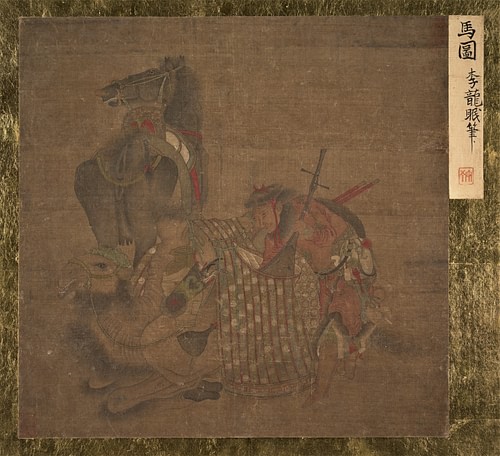 蒙古人與馬和駱駝 Metropolitan Museum of Art (Copyright) ](https://www.worldhistory.org/image/11242/mongol-with-horse--camel/ "Mongol with Horse & Camel")在慷慨賞賜的同時,成吉思也堅持紀律嚴明,任何不服從命令的士兵或指揮官都會受到嚴懲,最常見的方式是鞭打。 一名普通士兵可能會因為開小差、不按命令撤退,或在執行哨兵任務時睡覺,而被判處死刑。 儘管如此,可汗確實賦予了他的指揮官在戰場上很大的自主權,這種靈活性通常會帶來回報。
規劃和後勤是另一個經過仔細考慮的領域,最好的例子是公元 1237 年至 1242 年,在俄羅斯南部和東歐進行的複雜戰役,當時多支蒙古軍隊與各自的目標交戰,然後在預定的時間和地點重新集結。 出色的蒙古信使服務 yam ,及其一系列裝有補給品和新鮮馬匹的哨所,對隨時了解盟友和敵人的位置提供重要幫助。 煙霧信號也被用作不同部門之間的通信手段。 另一個優勢是願意招募非蒙古人。 維吾爾突厥人、庫爾德人和契丹人大量入伍,而朝鮮人和中國人是公元 1274 年和 1281 年入侵日本的軍隊的重要組成部分。 簡而言之,蒙古人時刻準備著戰爭。
### 訓練與武器
由於蒙古傳統讓年輕的男孩和女孩都參加田徑、賽馬、摔跤、狩獵和射箭比賽,因此從小就準備好戰士。 蒙古戰士——大部分是男人,有時也有女人——當時已經精通使用戰斧、長矛(通常掛在鉤子上以將敵方騎手從他們的坐騎上拉下來)、長矛、匕首、長刀,有時還有劍,這些都是典型的 短、輕且具有單一切削刃。
蒙古人選擇的武器是複合弓,它可以射出的箭的距離是競爭軍隊的兩倍。 此外,由於馬鐙和前後高的木馬鞍,提供更好的穩定,因此戰士可以在快速騎馬,同時準確地射擊,這樣弓箭手就可以轉向任何方向,包括在他身後。 複合弓由多層木、竹或牛角製成,既堅固又靈活。 由於它是按照其自然曲線上弦的,因此蒙古弓需要一定的力量才能拉出,但隨後射出的箭具有很高的準確性和穿透力。
箭頭往往由骨頭製成,金屬製成的情況更為罕見,而箭桿則由木頭、蘆葦或兩者的組合製成,箭羽則由鳥羽製成。 箭的設計根據其用途而有所不同——近距離傷人、向遠處目標射擊、攜帶毒藥、穿透裝甲,甚至吹口哨作為向其他單位發出的信號。 一個典型的騎射手攜帶兩張或三張弓,一個箭袋中裝有大約 30 支輕箭和 30 支重箭。 額外的標准設備包括一個馬毛套索、一圈繩子、一把斧頭、一個製作箭頭的銼刀、一個縫紉修理工具包、一個裝食物和過河時用作漂浮物的皮袋、兩個裝液體的皮瓶,以及一個 煮鍋。 男人睡在經典輕型蒙古包帳篷中,每十名騎手攜帶一個。
[ 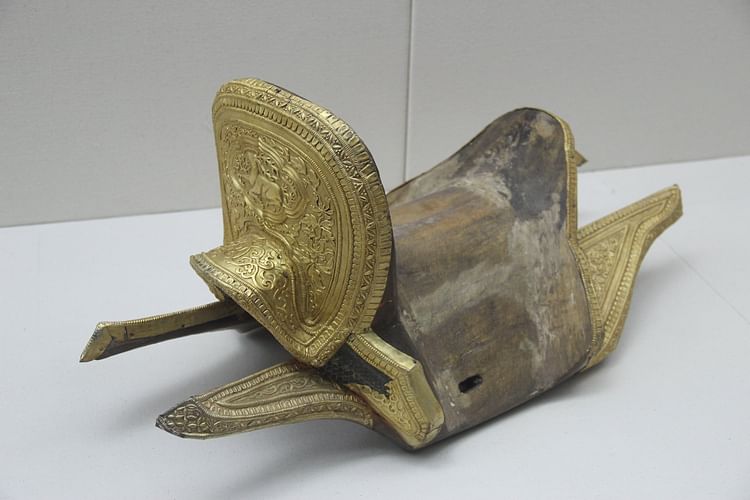 蒙古馬鞍 Gary Todd (Public Domain) ](https://www.worldhistory.org/image/11245/mongolian-saddle/ "Mongolian Saddle")對蒙古人來說,馬就是一切——旅行的工具、財富的來源和衡量財富的方式、食物,以及他們在戰爭中的巨大機動性。 蒙古馬是體型較小但體格健壯的野獸,毛髮濃密,能吃苦耐勞。 他們有出色耐力,這讓騎兵可以在一天內行 95-120 公里(60-75 英里),令人印象深刻。 蒙古人既有輕騎兵也有重騎兵,每個騎手通常有多達 16 匹備用馬匹,使他們的機動範圍很遠。 在戰場上,騎兵部隊響應鑼鼓傳達的命令(儘管奇怪的是,第一次進攻總是在沉默中進行)。 馬匹在征戰時也可以通過從頸部放血,來作為營養來源。 這本來可以補充乾糧,例如奶酪凝乳和醃肉。
### 盔甲
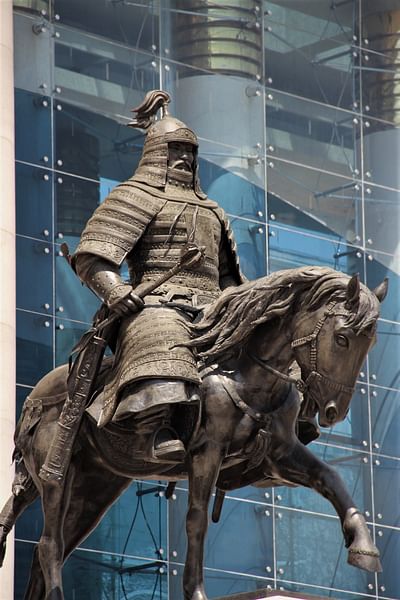
蒙古盔甲很輕,不會妨礙騎兵的速度,但如果穿著,通常由厚絎縫氈或皮革製成。 有時這種柔軟的盔甲,就像許多騎手穿的厚重外套一樣,可以添加金屬條、骨頭條或硬化/漆皮條來加強,但板甲和鎖子甲很少見,儘管有時會穿著從敵人那裡繳獲。 向中國人學習,可能會穿件絲綢汗衫,因為這樣可以在箭頭被擊中時,包裹住箭頭,保護傷口並使箭更容易拔出。
頭部由鐵製或硬化皮革頭盔保護,有時帶有護頸和中央頂部尖刺或球和羽毛。 另一種選擇是帶有側翼和上翹帽簷的傳統蒙古皮帽。 盾牌,如果使用的話,通常只由步兵攜帶,並且最常見的是小的、圓形的,由柳條或硬化皮革製成。 馬有時會獲得由上述相同材料製成的盔甲。 板甲僅限於馬的頭部,但除此之外,一些坐騎完全被帶襯墊的盔甲覆蓋。
[  博爾楚雕像 Gary Todd (Public Domain) ](https://www.worldhistory.org/image/11243/statue-of-boorchu/ "Statue of Bo'orchu")### 策略
**規劃**
蒙古人在戰爭中取得成功的重要原因,是他們在遇敵前,就做好準備。 以旅行商人或祭司和叛逃者為間諜,收集有關敵人優劣情報,並揭示敵人盟友內部或之間,是否存在任何可能對蒙古事業,有幫助的異見者。 在大規模出征前,舉行一次重要的蒙古領導人會議或 kurultai,以詳細討論計劃和戰略。 一旦進入戰場,情報就會繼續收集,偵察員會在前方 110 公里(70 英里)和分散的蒙古縱隊兩側行動,以確保他們不會措手不及或遭到伏擊。
**演習**
蒙古軍隊的行動極其迅速,並試圖通過速度和協調來戰胜對手。 目的是僅在絕對必要時才與敵人交戰,並且僅在確定了特定的弱點時才投入大量資金。 該策略旨在以最小的損失獲得最大的結果。 大約 1,000 人的騎兵部隊(a minghan)被細分為 100 人的部隊(a jagun),後者又被分為 10 人的部隊(an arban)。
戰場上的蒙古軍隊通常被分成兩翼,分別在中央部隊和先鋒隊的兩側作戰。 事實上,甚至一個蒙古人的營地也是根據這些分組劃分。 一支蒙古騎兵軍隊很少在任何地方同時超過 10,000 名騎兵,即使是像歐洲這樣規模最大的戰役,也可能只有三個這樣的 10,000 人師(tumens),其餘軍隊的規模可能是蒙古的三倍 在某些情況下,蒙古騎兵是由根據自己的傳統進行戰爭的盟友組成的。 蒙古人在野戰中通常在數量上不及敵人,但他們通過卓越的速度和戰術,克服了這劣勢。 部署相對較小的軍隊的一個缺點是難以補充傷亡人員。 通常戰敗的軍隊會被徵召入伍,但在諸如東歐等忠誠度更高的戰役中,有時確實需要撤軍,直到增援部隊從蒙古抵達。
[  蒙古捲軸,公元 1293 年 Mōko Shūrai Ekotoba (Public Domain) ](https://www.worldhistory.org/image/10974/the-mongol-scroll-1293-ce/ "The Mongol Scroll, 1293 CE")一個經典的蒙古戰略是,以小部隊進攻,然後假裝撤退,這只會將敵人引向更大的蒙古部隊。 另一種受歡迎的機動是 tulughma,即以騎兵為中心進行攻擊 - 重騎兵在前線,輕型部隊在後方,然後他們穿過前線的缺口 - 當這些部隊作為一個整體向前移動時,騎兵部隊移動 在翅膀上包圍敵軍。 該戰術是 nerge 的小規模版本,蒙古人在大草原上使用的狩獵策略,以圍堵野生動物。 有時,這些側翼會非常伸展,從而使蒙古人能夠完全包圍敵軍。 然後,一支重騎兵預備隊前來殺戮,任何逃跑的敵軍都會被無情地追擊,通常是在戰鬥結束後數日。
伏擊是另一種常見的戰術,例如使用燃燒的草地,或塵埃雲產生的煙霧來掩蓋部隊的行動,或者在暴風雪期間等最意想不到的時間發動攻擊。 蒙古人還採用,一些不同尋常的策略,來擊敗敵人。 例如,他們有時會使用毛氈假人並將它們放在騎兵部隊中的馬上,讓敵人認為他們面對的部隊比實際情況要大得多。 另一個創新策略是在被圍困的晉城開封(公元 1232 年)上空放風箏傳單,鼓勵人們叛逃以獲得現金獎勵。
**恐怖**
蒙古戰爭中最成功的策略之一是恐怖。 例如,當佔領一座城市時,所有平民都可能被處決——男人、女人、兒童、牧師,甚至貓和狗——只有少數倖存者,可以逃脫,講述城鎮的暴行。 因此,當城鎮聽說蒙古人接近時,許多人不戰而降,希望獲得寬大處理,而通常會得到。 公元 13 世紀頭十年,蒙古人在與中國北方金女真王朝的衝突中使用了一種更微妙的策略,當時蒙古人多次洗劫城市,有時同一座城市多次,然後讓金人重新奪回它們,迫使 他們來處理混亂。
另一種極其殘酷的策略是,當蒙古軍隊進攻一座堅固的城市時,他們不明智地進行抵抗,甚至將俘虜打扮成蒙古戰士,讓他們走在前列,讓守軍浪費他們寶貴的箭來殺戮。 自己的同胞。 另一個恐怖來源是蒙古人對待死者的方式。 屍體被肢解,戰士們經常從倒下的人身上奪取戰利品,通常是受害者的耳朵。
總之,由於上述所有原因,蒙古人在野戰中勢不可擋,正如著名的軍事歷史學家 S. R. Turnbull 所說:
> 因此,蒙古野戰是火力、衝擊戰術和機動性的近乎完美的結合。 這些動作本身建立在經驗、訓練和紀律的良好框架之上,就像發條一樣進行……他們相信自己是無敵的,大多數戰敗者也相信這一點,將它們視為上天的眷顧和對罪惡的懲罰。 (27-8)
### 攻城與海戰
蒙古人的裝甲袖子還有另一張王牌,即適應新型戰爭的能力。 例如,當蒙古人遇到宋朝中國、波斯和東歐諸國等敵人時,攻城戰就變得必要。 起初,摧毀堅固的城市的任務,考驗蒙古人的決心,但他們很快就從敵人和當地顧問那裡,學會瞭如何使用火藥武器,例如小型手持大砲和裝有火藥、硫磺氣體或投擲彈片的炸彈 越過城牆。 他們還有火箭、三連發弩和由扭力、配重或人拉多條槓桿繩索,驅動的大型彈射器。 一些彈射器是可移動的,而另一些則可以安裝在船上。
[  日本武士攻擊蒙古船隻 Unknown Artist (Public Domain) ](https://www.worldhistory.org/image/10980/japanese-samurai-attack-mongol-ships/ "Japanese Samurai Attack Mongol Ships")儘管有砲擊,但有些圍攻仍可能持續數年,例如在宋代設防的襄陽市,兩名伊斯蘭工程師設計的攻城槌和彈弓將其摧毀。 這些固定軍隊還需要比傳統騎兵部隊更大的後勤支持,傳統騎兵部隊,期望盡可能在陸地上生活,直到得到馬車、馱馬和駱駝的補給,而這些通常由蒙古婦女管理。 另一個陡峭的學習,是如何掌握海戰。 到公元 1270 年代和宋朝戰敗時,蒙古人擁有了自己的海軍艦隊,該艦隊由 5,000 艘船和 70,000 名水手組成,可在海上和河流上使用。 由中國人和韓國人駕駛的龐大艦隊入侵了日本和東南亞,但這些較大的船隻實際上是設計用作運兵船(它們實際上與商船相同)而不是用作戰艦。 與往常一樣,一旦遠征隊在陸地上建立起來,騎兵就應該贏得勝利。
### 衰退
蒙古人可能已經建立了一個從黑海延伸到朝鮮半島的帝國,但他們的征戰並不總是成功。 事實證明,一些城市確實難以摧毀,而且隨著他們遠離蒙古的中心地帶,後勤支持成為一個日益嚴重的問題。 對日本的兩次入侵,都因頑強的抵抗和風暴的結合而失敗。 東南亞的戰役取得了一些成功,但總體結果喜憂參半,蒙古人努力應對熱帶叢林地形、大雨、疾病、不熟悉的武器,如吹管中的毒鏢、戰象,以及有效的游擊戰戰術 。 即使在中國,他們也屈服於東亞新興的大國:明朝。 到公元 1368 年,蒙古人因一系列乾旱、飢荒和他們自己的精英之間,的王朝紛爭而變得虛弱。 事實上,人們可能會說,曾經游牧的蒙古人,實際上是被自己打敗,因為他們已經成為他,們長期之抗爭的定居社會的一部分。
#### Editorial Review
This human-authored definition has been reviewed by our editorial team before publication to ensure accuracy, reliability and adherence to academic standards in accordance with our [editorial policy](https://www.worldhistory.org/static/editorial-policy/).
## 参考文献
- [Broadbridge, A.F. *Women and the Making of the Mongol Empire.* Cambridge University Press, 2018.](https://www.worldhistory.org/books/1108441009/)
- [Buell, P.D. *Historical Dictionary of the Mongol World Empire.* Rowman & Littlefield Publishers, 2018.](https://www.worldhistory.org/books/1538111365/)
- [Ebrey, P.B. *Pre-Modern East Asia.* Cengage Learning, 2013.](https://www.worldhistory.org/books/1133606512/)
- [Lane, G. *Daily Life in the Mongol Empire.* Hackett Publishing Company, Inc., 2009.](https://www.worldhistory.org/books/0872209687/)
- [Rossabi, M. *A History of China.* Wiley-Blackwell, 2013.](https://www.worldhistory.org/books/1577181131/)
- [Saunders, J.J. *The History of the Mongol Conquests.* University of Pennsylvania Press, 2001.](https://www.worldhistory.org/books/0812217667/)
- [Turnbull, S. *Genghis Khan and the Mongol Conquests 1190-1400.* Routledge, 2019.](https://www.worldhistory.org/books/B01JXPUYO4/)
- [Turnbull, S. *Mongol Warrior 1200-1350.* Osprey Publishing, 2003.](https://www.worldhistory.org/books/184176583X/)
- [Turnbull, S. *The Mongol Invasions of Japan, 1274 and 1281.* Osprey Publishing, 2010.](https://www.worldhistory.org/books/1846034566/)
- [Turnbull, S. *The Mongols.* Osprey Publishing, 1980.](https://www.worldhistory.org/books/0850453720/)
## 关于作者
马克是一位全职作家、研究人员、历史学家与编辑,他对艺术、建筑,以及研究所有文明共有的思想尤为感兴趣。马克拥有政治哲学硕士学位,目前担任WHE出版总监一职。
## 时间轴
- **1205 CE**: The [Mongols](https://www.worldhistory.org/Mongol_Empire/) attack the [Jurchen Jin state](https://www.worldhistory.org/Jurchen_Jin_Dynasty/) in northern [China](https://www.worldhistory.org/china/).
- **1205 CE - 1255 CE**: Life of the [Mongol](https://www.worldhistory.org/Mongol_Empire/) military commander and grandson of [Genghis Khan](https://www.worldhistory.org/Genghis_Khan/), [Batu Khan](https://www.worldhistory.org/Batu_Khan/).
- **1206 CE - 1227 CE**: Reign of [Genghis Khan](https://www.worldhistory.org/Genghis_Khan/) as the ruler of the [Mongol Empire](https://www.worldhistory.org/Mongol_Empire/).
- **1206 CE - 1368 CE**: The [Mongol Empire](https://www.worldhistory.org/Mongol_Empire/) rules in Central and East Asia.
- **1209 CE**: The [Mongols](https://www.worldhistory.org/Mongol_Empire/) attack the [Jurchen Jin state](https://www.worldhistory.org/Jurchen_Jin_Dynasty/) in northern [China](https://www.worldhistory.org/china/).
- **1209 CE**: The [Mongols](https://www.worldhistory.org/Mongol_Empire/) attack the Tangut state of Xi Xia.
- **1211 CE**: The [Mongols](https://www.worldhistory.org/Mongol_Empire/) attack the [Jurchen Jin state](https://www.worldhistory.org/Jurchen_Jin_Dynasty/) in northern [China](https://www.worldhistory.org/china/).
- **1212 CE - 1215 CE**: The [Mongols](https://www.worldhistory.org/Mongol_Empire/) attack Song [China](https://www.worldhistory.org/china/), sacking over 90 [cities](https://www.worldhistory.org/city/).
- **1214 CE**: The [Jurchen Jin state](https://www.worldhistory.org/Jurchen_Jin_Dynasty/) signs a short-lived peace treaty with the [Mongol Empire](https://www.worldhistory.org/Mongol_Empire/) and is obliged to pay tribute.
- **1215 CE**: The [Mongols](https://www.worldhistory.org/Mongol_Empire/) attack the Tangut state of Xi Xia.
- **1215 CE**: The [Mongols](https://www.worldhistory.org/Mongol_Empire/) sack Beijing.
- **1215 CE**: The [Mongols](https://www.worldhistory.org/Mongol_Empire/) attack the [Jurchen Jin state](https://www.worldhistory.org/Jurchen_Jin_Dynasty/) in northern [China](https://www.worldhistory.org/china/).
- **1218 CE - 1220 CE**: The [Mongols](https://www.worldhistory.org/Mongol_Empire/) attack the Khwarazm [Empire](https://www.worldhistory.org/empire/) in Central Asia.
- **1219 CE**: A [Goryeo](https://www.worldhistory.org/Goryeo/) army allies with the [Mongols](https://www.worldhistory.org/Mongol_Empire/) to attack the [Khitan](https://www.worldhistory.org/Khitan/) in northern [Korea](https://www.worldhistory.org/Korea/).
- **1221 CE**: The [Mongols](https://www.worldhistory.org/Mongol_Empire/) attack northern Afghanistan.
- **1223 CE**: The [Mongols](https://www.worldhistory.org/Mongol_Empire/) defeat an army of the [Kievan Rus](https://www.worldhistory.org/Kievan_Rus/) at Kalka.
- **1229 CE - 1241 CE**: Reign of [Ogedei Khan](https://www.worldhistory.org/Ogedei_Khan/) as the ruler of the [Mongol Empire](https://www.worldhistory.org/Mongol_Empire/).
- **1230 CE - 1231 CE**: The [Mongols](https://www.worldhistory.org/Mongol_Empire/) attack the [Jurchen Jin State](https://www.worldhistory.org/Jurchen_Jin_Dynasty/).
- **1231 CE - 1232 CE**: [Ogedei Khan](https://www.worldhistory.org/Ogedei_Khan/) leads a [Mongol](https://www.worldhistory.org/Mongol_Empire/) invasion into [Korea](https://www.worldhistory.org/Korea/).
- **1233 CE**: Kaifeng, capital of the [Jurchen Jin State](https://www.worldhistory.org/Jurchen_Jin_Dynasty/), falls after a lengthy siege by the [Mongols](https://www.worldhistory.org/Mongol_Empire/).
- **Feb 1234 CE**: The [Mongols](https://www.worldhistory.org/Mongol_Empire/) attack and [conquer](https://www.worldhistory.org/warfare/) the [Jurchen Jin State](https://www.worldhistory.org/Jurchen_Jin_Dynasty/) in northern [China](https://www.worldhistory.org/china/).
- **1235 CE**: The [Mongols](https://www.worldhistory.org/Mongol_Empire/) invade northern Iraq and western Asia
- **1236 CE - 1242 CE**: Multiple [Mongol](https://www.worldhistory.org/Mongol_Empire/) armies attack western Asia, Russia, Poland, and Hungary.
- **21 Dec 1237 CE**: The [city](https://www.worldhistory.org/city/) of Ryazan (Riazan) is besieged and captured by the [Mongols](https://www.worldhistory.org/Mongol_Empire/).
- **1238 CE**: The [Mongols](https://www.worldhistory.org/Mongol_Empire/) invade Azerbaijan, Georgia, and [Armenia](https://www.worldhistory.org/armenia/).
- **7 Feb 1238 CE**: The [Mongols](https://www.worldhistory.org/Mongol_Empire/) capture the [city](https://www.worldhistory.org/city/) of Vladimir.
- **23 Mar 1238 CE**: The [Mongols](https://www.worldhistory.org/Mongol_Empire/) capture the [city](https://www.worldhistory.org/city/) of Torshok.
- **6 Dec 1240 CE**: The [Mongols](https://www.worldhistory.org/Mongol_Empire/) capture Kiev.
- **9 Apr 1241 CE**: The [Mongols](https://www.worldhistory.org/Mongol_Empire/) defeat an army led by Henry the Pious, the Duke of Silesia, near Liegnitz (Legnica).
- **10 Apr 1241 CE - 11 Apr 1241 CE**: The [Mongols](https://www.worldhistory.org/Mongol_Empire/) defeat an army led by Bela IV, king of Hungary, at the [Battle](https://www.worldhistory.org/disambiguation/battle/) of Mohi.
- **Dec 1241 CE**: The [Mongols](https://www.worldhistory.org/Mongol_Empire/) capture Buda and Pest.
- **Dec 1241 CE**: The [Mongols](https://www.worldhistory.org/Mongol_Empire/) capture the great [city](https://www.worldhistory.org/city/) of Gran (Esztergom) in Hungary.
- **1253 CE - 1260 CE**: A [Mongol](https://www.worldhistory.org/Mongol_Empire/) army led by Hulegu invades [Persia](https://www.worldhistory.org/Persia/) and the Middle East.
- **1256 CE**: The [Mongols](https://www.worldhistory.org/Mongol_Empire/) defeat the Ismailis (aka [the Assassins](https://www.worldhistory.org/The_Assassins/)) in [Persia](https://www.worldhistory.org/Persia/).
- **1257 CE**: The [Mongols](https://www.worldhistory.org/Mongol_Empire/) invade Vietnam.
- **1257 CE**: The [Mongols](https://www.worldhistory.org/Mongol_Empire/) [conquer](https://www.worldhistory.org/warfare/) the Dali kingdom in southern [China](https://www.worldhistory.org/china/).
- **1258 CE**: An uprising restores the monarchy in [Korea](https://www.worldhistory.org/Korea/) and makes peace with the [Mongol Empire](https://www.worldhistory.org/Mongol_Empire/).
- **1258 CE**: The [Mongols](https://www.worldhistory.org/Mongol_Empire/) [conquer](https://www.worldhistory.org/warfare/) the [Abbasid Caliphate](https://www.worldhistory.org/Abbasid_Dynasty/). During this campaign there is the infamous sacking of Baghdad and murder of the caliph.
- **Dec 1259 CE**: The [Mongols](https://www.worldhistory.org/Mongol_Empire/) besiege and capture Aleppo in [Syria](https://www.worldhistory.org/syria/).
- **1260 CE**: [Battle](https://www.worldhistory.org/disambiguation/battle/) of Ain Jalut; [Mongol](https://www.worldhistory.org/Mongol_Empire/) advance to the heartland of [Islam](https://www.worldhistory.org/islam/) is halted.
- **1260 CE - 1264 CE**: [Kublai Khan](https://www.worldhistory.org/Kublai_Khan/) fights a civil [war](https://www.worldhistory.org/disambiguation/War/) with his brother Ariq Boke for control of the [Mongol Empire](https://www.worldhistory.org/Mongol_Empire/).
- **1260 CE - 1294 CE**: Reign of [Kublai Khan](https://www.worldhistory.org/Kublai_Khan/), ruler of the [Mongol Empire](https://www.worldhistory.org/Mongol_Empire/).
- **1262 CE**: [Kublai Khan](https://www.worldhistory.org/Kublai_Khan/) captures [Karakorum](https://www.worldhistory.org/Karakorum/) after his rival nAriq Boke (1219-1266 CE) used it as his base.
- **1268 CE**: [Kublai Khan](https://www.worldhistory.org/Kublai_Khan/) resumes the [Mongol](https://www.worldhistory.org/Mongol_Empire/) attacks on [Song Dynasty](https://www.worldhistory.org/Song_Dynasty/) [China](https://www.worldhistory.org/china/).
- **1270 CE**: Part of northern [Korea](https://www.worldhistory.org/Korea/) is conquered by the [Mongol Empire](https://www.worldhistory.org/Mongol_Empire/).
- **1273 CE**: Xiangyang falls into [Mongol](https://www.worldhistory.org/Mongol_Empire/) hands.
- **1275 CE - 1279 CE**: The [Mongols](https://www.worldhistory.org/Mongol_Empire/) led by [Kublai Khan](https://www.worldhistory.org/Kublai_Khan/) attack and [conquer](https://www.worldhistory.org/warfare/) the last remnants of Song [China](https://www.worldhistory.org/china/).
- **28 Mar 1276 CE**: Lin'an, the capital of the [Song Dynasty](https://www.worldhistory.org/Song_Dynasty/), is captured by a [Mongol](https://www.worldhistory.org/Mongol_Empire/) army.
- **1277 CE**: The [Mongols](https://www.worldhistory.org/Mongol_Empire/)/[Yuan Dynasty](https://www.worldhistory.org/Yuan_Dynasty/) invade Burma.
- **19 Mar 1279 CE**: The [Mongols](https://www.worldhistory.org/Mongol_Empire/) complete their [conquest](https://www.worldhistory.org/warfare/) of [Song Dynasty](https://www.worldhistory.org/Song_Dynasty/) [China](https://www.worldhistory.org/china/) with victory at the naval [battle](https://www.worldhistory.org/disambiguation/battle/) at Yaishan.
- **1281 CE**: The [Mongols](https://www.worldhistory.org/Mongol_Empire/)/[Yuan Dynasty](https://www.worldhistory.org/Yuan_Dynasty/) [China](https://www.worldhistory.org/china/) invade Vietnam for a second time.
- **1286 CE**: The [Mongols](https://www.worldhistory.org/Mongol_Empire/)/[Yuan Dynasty](https://www.worldhistory.org/Yuan_Dynasty/) [China](https://www.worldhistory.org/china/) re-invade Vietnam.
- **1287 CE**: The [Mongols](https://www.worldhistory.org/Mongol_Empire/)/[Yuan Dynasty](https://www.worldhistory.org/Yuan_Dynasty/) [China](https://www.worldhistory.org/china/) re-invade Burma.
- **1292 CE**: A [Mongol](https://www.worldhistory.org/Mongol_Empire/)/[Yuan Dynasty](https://www.worldhistory.org/Yuan_Dynasty/) naval force attacks Java.
## 外部链接
- [Genghis Khan and the Mongol Empire (video) | Khan Academy](https://www.khanacademy.org/humanities/world-history/medieval-times/the-mongols/v/genghis-khan-and-the-mongol-empire)
## 引用本文
### APA
Cartwright, M. (2023, April 25). 蒙古戰爭. (. 晚生姓高, 翻译). *World History Encyclopedia*.
### Chicago
Cartwright, Mark. "蒙古戰爭." 翻译: 晚生姓高. *World History Encyclopedia*, April 25, 2023. .
### MLA
Cartwright, Mark. "蒙古戰爭." 翻译: 晚生姓高. *World History Encyclopedia*, 25 Apr 2023, .
## 许可与版权
提交人: [晚生姓高](https://www.worldhistory.org/user/ezswvyqf/ "User Page: 晚生姓高"), 发表于 25 April 2023. 请查阅原始来源以获取版权信息。 请注意,从本页面链接的内容可能具有不同的许可条款。