---
title: 蒙古帝國
author: Mark Cartwright
translator: 晚生姓高
source: https://www.worldhistory.org/trans/zh/1-17448/
format: machine-readable-alternate
license: Creative Commons Attribution-NonCommercial-ShareAlike (https://creativecommons.org/licenses/by-nc-sa/4.0/)
updated: 2023-05-04
---
# 蒙古帝國
_作者: [Mark Cartwright](https://www.worldhistory.org/user/markzcartwright/)_
_译者: [晚生姓高](https://www.worldhistory.org/user/ezswvyqf)_
[](https://www.worldhistory.org/trans/zh/1-22386/)[](https://www.worldhistory.org/trans/zh/2-2409/)蒙古帝國(1206-1368 年)由成吉思汗(1206-1227 年在位)建立,他是蒙古人民,第一位大汗或“全能統治者”。 [成吉思汗](https://www.worldhistory.org/trans/zh/1-18463/)通過聯合亞洲草原的游牧部落,並建立了一支具有快速、輕便和高度協調的騎兵,毀滅性有效軍隊,來建立帝國。 最終,帝國統治了從黑海到朝鮮半島的亞洲。
作為騎兵和弓箭手的專家,蒙古人在中亞及其他地區所向披靡,在伊朗、俄羅斯、東歐、中國和許多其他地方擊敗軍隊。 成吉思汗的後裔各自統治著帝國的一部分——四個汗國——其中最強大的是中國的蒙古元朝(1271-1368 年),由忽必烈汗(1260-1279 年在位)建立。 最終,蒙古人成為了久坐不動的社會的一部分,他們很容易被壓垮,許多人從傳統的薩滿教,皈依藏傳佛教或伊斯蘭教。 這是蒙古人的一個普遍症狀,不僅失去了他們的部分文化特徵,而且也失去了他們著名的軍事實力,因為四個汗國,都屈服於具有破壞性的王朝爭端和他們對手的軍隊。 儘管沒有以創造任何持久的建築奇蹟,或政治制度而聞名,蒙古人確實通過擴大貿易路線、外交使館以及傳教士和旅行者從歐亞大陸,到遠方的運動,最終將東西方世界連接起來,為世界文化做出了重大貢獻 。
### 草原游牧民族
蒙古人是亞洲草原的游牧民族,他們放牧綿羊、山羊、馬、駱駝和犛牛。 這些部落根據季節移動,住在圓形氈帳篷或蒙古包(gers)的臨時營地中。 蒙古的氣候通常很惡劣,反映了這一點,服裝溫暖、耐用且實用。 羊毛氈和動物毛皮,是製作服裝的最常見材料,男女服裝非常相似:無跟靴、寬鬆的褲子、繫著皮帶的長夾克長袍(鹿皮),以及帶圓錐形帽子的圓錐形帽子。 耳罩,而內衣則由棉花或絲綢製成。
[ 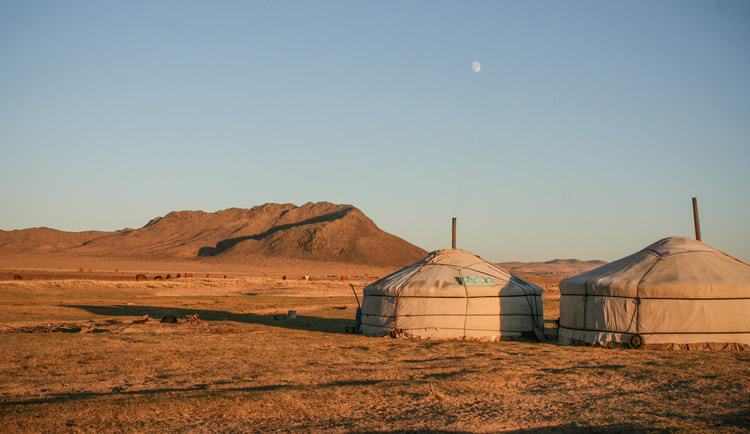 傳統蒙古包 Michael Chu (CC BY-NC-ND) ](https://www.worldhistory.org/image/11224/traditional-yurts/ "Traditional Yurts")蒙古人的飲食主要以乳製品為主,奶酪、酸奶、黃油和乾乳凝乳 (kurut) 是主食。 一種溫和的酒精飲料,kumis,是用經常喝過量的馬奶製成的。 牛群作為牛奶、羊毛甚至燃料糞便的可持續來源,太有價值,通常通過狩獵獲得肉類,通過覓食採集野生水果和蔬菜。 為了為冬天儲備食物,並為不定期的部落聚會等,特殊盛宴提供肉類,人們組織了特殊的狩獵活動。 在這些賽事中,採用了一種被稱為 nerge 的策略,騎手們包圍了一大片草原,慢慢地將獵物——從土撥鼠到狼——驅趕到一個更小的區域,在那裡他們更容易被騎馬的弓箭手殺死。 nerge 的技術、組織和紀律將在蒙古人參戰時發揮很好的作用。 蒙古世界中世紀日常生活的大部分,這些特徵至今,仍由亞洲的草原游牧民族延續。
雖然游牧生活一般是男人打獵,女人做飯,但分工並不總是那麼明確,通常男女都可以完成對方的任務,包括使用弓箭和騎馬。 婦女照料動物、搭建和收拾營地、駕駛部落的木頭車、照顧孩子、準備食物和招待客人。 與大多數其他亞洲文化相比,女性擁有更多的權利,可以擁有和繼承財產。 幾位女性甚至在大可汗統治時期擔任攝政王。 女性積極參與的生活領域是宗教。
### 宗教信仰
蒙古人的宗教沒有神聖的經文或特定的儀式,而是萬物有靈論、祖先崇拜和薩滿教的混合體。 火、土和水元素的實例、令人印象深刻的地理景點(如山脈)和自然現象(如風暴)被認為具有神。 薩滿可以是男人也可以是女人,他們被認為能夠在恍惚狀態下,與靈魂交流,並在他們的世界中旅行,幫助尋找迷失的靈魂和神聖的未來事件。
其他宗教也出現在蒙古人中,特別是景教,從 14 世紀開始,藏傳佛教(喇嘛教)開始流行,這可能是由於其薩滿教元素。 伊斯蘭教在西方汗國也廣泛採用。 不過,最重要的是,人們普遍相信主要的兩個神靈:大地或母親女神,被稱為 Etugen (Itugen),代表生育能力,Tengri (Gok Monggke Tenggeri),“藍天”或“永恆的天堂” .' 後一位神靈被視為保護神,而且至關重要的是,部落精英認為,他賦予了蒙古人統治整個世界的神聖權利。 成吉思汗和他的繼任者征服了幾乎整個亞洲大陸,並建立了當時歷史上最大的帝國,將這一想法付諸實踐。
### 成吉思汗基礎
那時的蒙古游牧部落,生活艱苦,生性好動,從小就接受騎馬射箭的訓練。 這些品質將使他們成為優秀的戰士,能夠忍受漫長而復雜的戰役,在短時間內覆蓋廣闊的領土,並且僅靠絕對最少的補給生存。 甚至婦女的角色以及她們營地和運輸的瑣事,也幫助了蒙古軍隊,因為她們為丈夫戰士提供了重要的後勤支持。 成吉思汗也許是第一個意識到,只要各個部落和氏族,能夠聯合起來,就可以稱霸世界的蒙古領袖。
成吉思汗,出生時名字鐵木真 。 1162 年,克服了被遺棄和貧困的嚴酷童年,成為 Kerait 部落首領 Toghril 的一名幹練的軍事指揮官。 《蒙古秘史》講述了成吉思的生平和時代,這是一部 13 世紀的編年史,是了解早期帝國的最佳主要資料。 從 1195 年到 1205 年大約 10 年的時間裡,他憑藉自己的力量,成為了一位領袖,並通過外交、戰爭和恐怖的無情結合,慢慢擴大了他的領土——對於許多戰士來說,這往往是加入年輕領袖的情況 或被處決。 諸如韃靼人(中世紀西方人錯誤地用在蒙古人身上的名字)、克列伊德人、奈曼人和默爾奇人等部落被納入了行列。 最後,在 1206 年所有部落首領 (kurultai) 的盛大會議上,成吉思汗被正式承認,為蒙古人的大汗或“全能統治者”。
[  蒙古帝國地圖 Arienne King (CC BY-NC-SA) ](https://www.worldhistory.org/image/11309/map-of-the-mongol-empire/ "Map of the Mongol Empire")可汗試圖通過堅持,將迄今唯一的蒙古語,用回鶻突厥人的文字,寫成書面語言,並引入一種持久的法典,試圖進一步統一他的王國。 Yam 的建立極大地促進了交流,Yam 是一個中轉站網絡,信使在騎馬穿越該州時可以使用該網絡進行補給。 帝國已經正式開始,但它即將變得更大。
### 擴張:中國北部和波斯
傳統上,蒙古部落首領通過,在忠實追隨者中,分配戰利品,來取得維持其權力地位,成吉思汗也不例外。 蒙古軍隊以 10,000 人為核心,這是可汗的貼身衛士 kesikten。 這個精英的成員,還將在整個帝國,擔任重要的行政職務。 通過從盟友和被征服領土,徵募蒙古部落和特遣隊,獲得了額外的軍隊。 主要的進攻武器是輕騎兵,其騎手擅長發射,強大的蒙古複合弓。 蒙古馬是另一項優勢,不僅因為它們的堅固性和耐力,還因為它們的絕對數量,允許騎手多達 16 匹備用坐騎,這意味著軍隊可以以極快速度,行進很遠的距離。
成吉思汗成為大汗後的第一個目標是中國北方的金國(又名女真金朝,1115-1234)。 蒙古騎兵的速度,和攻城略地的恐怖戰術得到回報,內部分裂的金國被迫向南撤退。 同時目標是西夏國(1038-1227 年),它也在中國北部,同樣無法阻止,成吉思汗在東亞的不懈進步。 這一時期的第三個目標是中國宋朝(960 - 1279 年)。 儘管成吉思洗劫了他們的許多城市,宋朝比鄰國更富有、更強大,但事實證明,宋朝更有彈性,但他們的時代終將到來。 到 1219 年,成吉思汗追擊逃到那裡,[契丹](https://www.worldhistory.org/trans/zh/1-16359/)部落,甚至北朝鮮也遭到了攻擊。
[  成吉思汗半身像 Jim Garamone (Public Domain) ](https://www.worldhistory.org/image/11220/bust-of-genghis-khan/ "Bust of Genghis Khan")成吉思汗似乎一心想要贏得“全能統治者”的稱號,現他將注意力轉向了西亞。 1218年起,波斯花剌子模帝國遭到攻擊。 一支由 100,000 人組成的蒙古軍隊橫掃一切,佔領了布哈拉和撒馬爾罕等著名城市。 1221 年,蒙古人橫掃阿富汗北部,1223 年,一支俄羅斯軍隊在卡爾卡被擊敗,然後隨著軍隊返回家園,里海被完全包圍。 該地區的穆斯林現在對成吉思有了一個新頭銜,即“受詛者”。 城市被連根拔起,平民被屠殺,甚至灌溉系統也遭到破壞。 在不到二十年的時間裡,亞洲世界發生了翻天覆地的變化。 成吉思汗於 1227 年 8 月 18 日死於不明疾病,但他的繼任者,將確保蒙古新世界秩序,的持續時間遠遠超過其創造者。
### 窩闊台汗進攻歐洲
成吉思已下令將他的帝國瓜分給他的四個兒子朮赤、察合台 (Chaghadai)、拖雷 (Tului) 和窩闊台 (Ogodei),每人統治一個汗國(儘管朮赤將在 1227 年先於他的父親去世)。 窩闊台成為新的大汗(1229-1241 年在位),因此成為所有蒙古人的統治者。 統一的帝國將持續到公元 1260 年,當時四個汗國完全自治(見下文)。
窩闊台汗進一步鞏固了蒙古國家機器,任命帝國衛隊成員和大臣為地方長官 (daruqachi),進行人口普查並實施適當的稅收制度(而不是僅僅沒收財產)。 1235年,定都蒙古喀喇崑崙。 Yam 網絡得到了擴展,貿易路線沿線的水井得到保護,旅行的商人得到軍事保護。
在征服方面,窩闊台繼續他的前任留下的工作,並在被稱為可汗“四獵犬”之一的天才將軍速不台(又名速不台,1176-1248 年)的幫助下征戰 在 1230-1 中對抗金。 1233 年金都開封淪陷,1234 年的戰役導致金帝哀宗(1224-1234 年在位)自殺,金國最終徹底崩潰。 在此期間,韓國也多次遭到襲擊。
[  蒙古戰士重建 William Cho (CC BY-SA) ](https://www.worldhistory.org/image/11223/mongol-warrior-reconstruction/ "Mongol Warrior Reconstruction")從 1235 年起,速不台統籌中亞各地的戰役,攻占了第比利斯 (Tiflis) 等城市。 從 1236 年到 1242 年,一支 150,000 人的軍隊分為五個獨立的師,然後穿過哈薩克斯坦/烏茲別克斯坦,進攻伏爾加河周圍的東歐。 在多次戰役中戰勝了保加利亞人、羅斯人、波蘭人和匈牙利人。 看似不知從何而來的蒙古騎兵被稱為“魔鬼騎士”。 基輔(1240 年)、克拉科夫(1241 年)、布達和佩斯(1241 年)等大城市都被洗劫一空。 似乎只有窩闊台在 1241 年去世才使歐洲免於進一步入侵,因為蒙古領導人隨後,被迫返回喀喇崑崙,以選舉新的可汗。 接下來的兩位可汗是貴由汗(1246-1248 年在位)和蒙哥汗(1251-1259 年在位),中間有攝政王,但最有野心的是成吉思汗的孫子忽必烈。 蒙古人的征服達到了一個全新的水平。
### 忽必烈進攻中國和日本
忽必烈的統治時間為 1260 年至 1294 年,但在此之前他與蒙哥汗一起征戰宋朝時,就已經給人留下了深刻印象。 忽必烈不得不與他的弟弟阿里不哥(1219-1266 年)爭奪大汗之位,但忽必烈贏了,即使帝國現在實際上分裂為四個汗國,他仍然感到安慰,因為他的部分仍然是最富有。 無論如何,忽必烈雄心勃勃地,想要一個更有聲望的頭銜:中國皇帝。 因此,宋人再次遭到攻擊,但這一次忽必烈使用高級彈弓進行攻城戰——這是從西亞獲得的知識。 在接下來的 11 年裡,一個又一個城市淪陷,隨著首都臨安於 1276 年 3 月 28 日淪陷,宋朝也隨之淪陷。 1279 年 3 月 19 日,一場偉大的海戰在現代澳門附近的崖山贏得了一場偉大的海戰——這是蒙古戰爭成功的另一個例子——最後的宋抵抗被平息。 忽必烈打敗了他之前所有草原游牧民族夢寐以求的東西:強大而富饒的中國。
1271 年,忽必烈宣布自己為中國皇帝,他的新秩是元朝,意思是“起源”或“中心”。 大都(北京)成為新首都,東北部的上都(上都)成為皇帝的避暑勝地。 作為一名征服者,忽必烈證明是位能幹的管理者,他將龐大的國家劃分為 12 個行省,並通過對商人有利的稅收、鼓勵使用紙幣,以及改善公路和運河,以更好地運輸貨物來促進貿易。 然而,忽必烈並不滿足,並於 1274 年和 1281 年對日本發動了兩次進攻。由於當地的頑強抵抗,和日本人稱之為“神風”的可怕風暴,兩次進攻都以失敗告終。 忽必烈並沒有被嚇倒,他在東南亞發動了進攻,入侵了越南(1257 年、1281 年和 1286 年)、緬甸(1277 年和 1287 年)和爪哇(1292 年),所有這些都只取得了喜憂參半的結果。 蒙古帝國似乎已經達到了頂峰,而 13 世紀現在只會看到衰落。
[  蒙古帝國的四大汗國 Arienne King (CC BY-NC-SA) ](https://www.worldhistory.org/image/11439/four-khanates-of-the-mongol-empire/ "Four Khanates of the Mongol Empire")### 汗國與衰落
雖然大汗們一直專注於蒙古帝國的東部地區,但中部和西部地區基本上各行其是。 以西歐亞草原為中心的金帳汗國,由成吉思汗的孫子拔都汗(卒於 1255 年)於 1227 年左右建立。它比其他所有國家都存在得更久,於 1480 年正式終結,但從 14 世紀中葉開始, 俄羅斯人和立陶宛人在該地區重新崛起。 以波斯為中心的伊爾汗國,由成吉思汗的另一個孫子旭烈兀(卒於1265年)於1260年左右建立,不斷受到東南鄰國馬木魯克蘇丹國(1261-1517年)的威脅,1335年因王朝紛爭而解體。 察合台汗國由成吉思汗的次子察合台(1183-1242 年)建立,並且仍然是最真正的蒙古國家,游牧民族的根基難以擺脫。 1363 年,王朝紛爭再次導致其崩潰。
西域三大汗國經常因邊界爭端而互相爭鬥。 每個最終接受伊斯蘭教作為國教,這本身就是精英之間爭論的另一個焦點。 伊爾汗國和察合台汗國的領土最終被帖木兒帝國(1370-1507)的創建者帖木兒(帖木兒)接管。 甚至元代中國也屈服於,來自敵對集團的再熟悉不過的內戰,在經濟疲軟、飽受飢荒和局部叛亂困擾情況下,明朝得以在 1368 年接管中國。最終,蒙古人成為 他們很容易征服久坐不動,的社會的一部分,這使他們與其他任何國家一樣容易被那些願意接受新思想和新技術的人接管。
### 蒙古遺產
蒙古人可能沒有用他們的藝術困擾許多現代博物館,也沒有留下精美的建築供人欣賞,但他們確實以其他方式留下了持久的遺產。 也許他們對世界文化的最大影響,是在東西方之間建立了第一個嚴肅的聯繫。 蒙古帝國是當時最大的連續陸地帝國,橫跨五分之一的地球,他們的士兵不得不在一端,與條頓騎士作戰,而在另一端面對武士,敵人對此一無所知 ,對方的存在。 迄今為止,中國人和歐洲人都將對方的土地視為半神話般的怪物之地。 隨著像馬可波羅(1254-1324 年)這樣的大使、傳教士、商人和旅行者被鼓勵自由穿越亞洲,因此接觸增加,思想和宗教得以傳播。 火藥、造紙、印刷術和指南針都在歐洲變得家喻戶曉。 蒙古人也在烹飪方面傳播了理念,例如將他們的 sulen (shulen) 肉湯燉成一道時至今日在亞洲廣受歡迎的菜餚。 遺憾的是,有一些不太有利的後果,例如黑死病(1347-1352 年),首先從偏遠的中國的一小塊地區轉移到黑海,再從那裡轉移到威尼斯和歐洲其他地區。 然而,在蒙古,這個帝國被人們,深情地銘記為一個黃金時代,而作為這一切的始作俑者,成吉思汗繼續在蒙古首都烏蘭巴托,舉行定期的儀式來紀念他。
#### Editorial Review
This human-authored definition has been reviewed by our editorial team before publication to ensure accuracy, reliability and adherence to academic standards in accordance with our [editorial policy](https://www.worldhistory.org/static/editorial-policy/).
## 参考文献
- [Broadbridge, A.F. *Women and the Making of the Mongol Empire.* Cambridge University Press, 2018.](https://www.worldhistory.org/books/1108441009/)
- [Buell, P.D. *Historical Dictionary of the Mongol World Empire.* Rowman & Littlefield Publishers, 2018.](https://www.worldhistory.org/books/1538111365/)
- [Ebrey, P.B. *Pre-Modern East Asia.* Cengage Learning, 2013.](https://www.worldhistory.org/books/1133606512/)
- [Lane, G. *Daily Life in the Mongol Empire.* Hackett Publishing Company, Inc., 2009.](https://www.worldhistory.org/books/0872209687/)
- [May, T. *The Mongol Empire.* Edinburgh University Press, 2018.](https://www.worldhistory.org/books/0748642366/)
- [Morgan, D. *The Mongols by David Morgan.* Wiley-Blackwell, 2019.](https://www.worldhistory.org/books/B01FGL17HW/)
- [Rossabi, M. *A History of China.* Wiley-Blackwell, 2013.](https://www.worldhistory.org/books/1577181131/)
- [Saunders, J.J. *The History of the Mongol Conquests.* University of Pennsylvania Press, 2001.](https://www.worldhistory.org/books/0812217667/)
- [Turnbull, S. *Genghis Khan & the Mongol Conquests 1190-1400.* Osprey Publishing, 2003.](https://www.worldhistory.org/books/1841765236/)
- [Turnbull, S. *Mongol Warrior 1200-1350.* Osprey Publishing, 2003.](https://www.worldhistory.org/books/184176583X/)
- [Turnbull, S. *The Mongols.* Osprey Publishing, 1980.](https://www.worldhistory.org/books/0850453720/)
## 关于作者
马克是一位全职作家、研究人员、历史学家与编辑,他对艺术、建筑,以及研究所有文明共有的思想尤为感兴趣。马克拥有政治哲学硕士学位,目前担任WHE出版总监一职。
## 时间轴
- **c. 1162 CE - 1227 CE**: Life of [Genghis Khan](https://www.worldhistory.org/Genghis_Khan/), founder of the [Mongol Empire](https://www.worldhistory.org/Mongol_Empire/).
- **1205 CE**: The [Mongols](https://www.worldhistory.org/Mongol_Empire/) attack the [Jurchen Jin state](https://www.worldhistory.org/Jurchen_Jin_Dynasty/) in northern [China](https://www.worldhistory.org/china/).
- **1205 CE - 1255 CE**: Life of the [Mongol](https://www.worldhistory.org/Mongol_Empire/) military commander and grandson of [Genghis Khan](https://www.worldhistory.org/Genghis_Khan/), [Batu Khan](https://www.worldhistory.org/Batu_Khan/).
- **1206 CE**: A great [Mongol](https://www.worldhistory.org/Mongol_Empire/) conference of tribal leaders (khuriltai) awards Temujin the title of [Genghis Khan](https://www.worldhistory.org/Genghis_Khan/) ('universal ruler').
- **1206 CE - 1227 CE**: Reign of [Genghis Khan](https://www.worldhistory.org/Genghis_Khan/) as the ruler of the [Mongol Empire](https://www.worldhistory.org/Mongol_Empire/).
- **1206 CE - 1368 CE**: The [Mongol Empire](https://www.worldhistory.org/Mongol_Empire/) rules in Central and East Asia.
- **1209 CE**: The [Mongols](https://www.worldhistory.org/Mongol_Empire/) attack the [Jurchen Jin state](https://www.worldhistory.org/Jurchen_Jin_Dynasty/) in northern [China](https://www.worldhistory.org/china/).
- **1209 CE**: The [Mongols](https://www.worldhistory.org/Mongol_Empire/) attack the Tangut state of Xi Xia.
- **1209 CE**: The [Mongols](https://www.worldhistory.org/Mongol_Empire/) attack the [Jurchen Jin state](https://www.worldhistory.org/Jurchen_Jin_Dynasty/) in northern [China](https://www.worldhistory.org/china/).
- **1211 CE**: The [Mongols](https://www.worldhistory.org/Mongol_Empire/) attack the [Jurchen Jin state](https://www.worldhistory.org/Jurchen_Jin_Dynasty/) in northern [China](https://www.worldhistory.org/china/).
- **1212 CE - 1215 CE**: The [Mongols](https://www.worldhistory.org/Mongol_Empire/) attack Song [China](https://www.worldhistory.org/china/), sacking over 90 [cities](https://www.worldhistory.org/city/).
- **1214 CE**: The [Jurchen Jin state](https://www.worldhistory.org/Jurchen_Jin_Dynasty/) signs a short-lived peace treaty with the [Mongol Empire](https://www.worldhistory.org/Mongol_Empire/) and is obliged to pay tribute.
- **1215 CE**: The [Mongols](https://www.worldhistory.org/Mongol_Empire/) attack the Tangut state of Xi Xia.
- **1215 CE**: The [Mongols](https://www.worldhistory.org/Mongol_Empire/) sack Beijing.
- **1215 CE**: The [Mongols](https://www.worldhistory.org/Mongol_Empire/) attack the [Jurchen Jin state](https://www.worldhistory.org/Jurchen_Jin_Dynasty/) in northern [China](https://www.worldhistory.org/china/).
- **1218 CE - 1220 CE**: The [Mongols](https://www.worldhistory.org/Mongol_Empire/) attack the Khwarazm [Empire](https://www.worldhistory.org/empire/) in Central Asia.
- **1219 CE**: A [Goryeo](https://www.worldhistory.org/Goryeo/) army allies with the [Mongols](https://www.worldhistory.org/Mongol_Empire/) to attack the [Khitan](https://www.worldhistory.org/Khitan/) in northern [Korea](https://www.worldhistory.org/Korea/).
- **1221 CE**: The [Mongols](https://www.worldhistory.org/Mongol_Empire/) attack northern Afghanistan.
- **1223 CE**: The [Mongols](https://www.worldhistory.org/Mongol_Empire/) defeat an army of the [Kievan Rus](https://www.worldhistory.org/Kievan_Rus/) at Kalka.
- **c. 1227 CE - 1242 CE**: Reign of Chagatai Khan, ruler of the [Mongol](https://www.worldhistory.org/Mongol_Empire/) [Chagatai Khanate](https://www.worldhistory.org/Chagatai_Khanate/) named after him.
- **c. 1227 CE - 1363 CE**: The [Mongol](https://www.worldhistory.org/Mongol_Empire/) [Chagatai Khanate](https://www.worldhistory.org/Chagatai_Khanate/) rules in Central Asia.
- **18 Aug 1227 CE**: [Death](https://www.worldhistory.org/disambiguation/Death/) of [Genghis Khan](https://www.worldhistory.org/Genghis_Khan/) from illness.
- **1228 CE - 1240 CE**: Composition of [the Secret History of the Mongols](https://www.worldhistory.org/The_Secret_History_of_the_Mongols/).
- **1229 CE - 1241 CE**: Reign of [Ogedei Khan](https://www.worldhistory.org/Ogedei_Khan/) as the ruler of the [Mongol Empire](https://www.worldhistory.org/Mongol_Empire/).
- **1230 CE - 1231 CE**: The [Mongols](https://www.worldhistory.org/Mongol_Empire/) attack the [Jurchen Jin State](https://www.worldhistory.org/Jurchen_Jin_Dynasty/).
- **1231 CE - 1232 CE**: [Ogedei Khan](https://www.worldhistory.org/Ogedei_Khan/) leads a [Mongol](https://www.worldhistory.org/Mongol_Empire/) invasion into [Korea](https://www.worldhistory.org/Korea/).
- **1233 CE**: Kaifeng, capital of the [Jurchen Jin State](https://www.worldhistory.org/Jurchen_Jin_Dynasty/), falls after a lengthy siege by the [Mongols](https://www.worldhistory.org/Mongol_Empire/).
- **1234 CE - 1236 CE**: [Ogedei Khan](https://www.worldhistory.org/Ogedei_Khan/) orders a census to be conducted for tax purposes across northern [China](https://www.worldhistory.org/china/).
- **Feb 1234 CE**: The [Mongols](https://www.worldhistory.org/Mongol_Empire/) attack and [conquer](https://www.worldhistory.org/warfare/) the [Jurchen Jin State](https://www.worldhistory.org/Jurchen_Jin_Dynasty/) in northern [China](https://www.worldhistory.org/china/).
- **1235 CE**: [Ogedei Khan](https://www.worldhistory.org/Ogedei_Khan/) orders the construction of a new capital of the [Mongol Empire](https://www.worldhistory.org/Mongol_Empire/) at [Karakorum](https://www.worldhistory.org/Karakorum/), Mongolia.
- **1235 CE**: The [Mongols](https://www.worldhistory.org/Mongol_Empire/) invade northern Iraq and western Asia
- **1235 CE - 1263 CE**: [Karakorum](https://www.worldhistory.org/Karakorum/) is capital of the [Mongol Empire](https://www.worldhistory.org/Mongol_Empire/).
- **1236 CE - 1242 CE**: Multiple [Mongol](https://www.worldhistory.org/Mongol_Empire/) armies attack western Asia, Russia, Poland, and Hungary.
- **21 Dec 1237 CE**: The [city](https://www.worldhistory.org/city/) of Ryazan (Riazan) is besieged and captured by the [Mongols](https://www.worldhistory.org/Mongol_Empire/).
- **1238 CE**: The [Mongols](https://www.worldhistory.org/Mongol_Empire/) invade Azerbaijan, Georgia, and [Armenia](https://www.worldhistory.org/armenia/).
- **7 Feb 1238 CE**: The [Mongols](https://www.worldhistory.org/Mongol_Empire/) capture the [city](https://www.worldhistory.org/city/) of Vladimir.
- **23 Mar 1238 CE**: The [Mongols](https://www.worldhistory.org/Mongol_Empire/) capture the [city](https://www.worldhistory.org/city/) of Torshok.
- **1240 CE**: The [Mongols](https://www.worldhistory.org/Mongol_Empire/) sack Halych.
- **6 Dec 1240 CE**: The [Mongols](https://www.worldhistory.org/Mongol_Empire/) capture Kiev.
- **9 Apr 1241 CE**: The [Mongols](https://www.worldhistory.org/Mongol_Empire/) defeat an army led by Henry the Pious, the Duke of Silesia, near Liegnitz (Legnica).
- **10 Apr 1241 CE - 11 Apr 1241 CE**: The [Mongols](https://www.worldhistory.org/Mongol_Empire/) defeat an army led by Bela IV, king of Hungary, at the [Battle](https://www.worldhistory.org/disambiguation/battle/) of Mohi.
- **Dec 1241 CE**: The [Mongols](https://www.worldhistory.org/Mongol_Empire/) capture Buda and Pest.
- **Dec 1241 CE**: The [Mongols](https://www.worldhistory.org/Mongol_Empire/) capture the great [city](https://www.worldhistory.org/city/) of Gran (Esztergom) in Hungary.
- **11 Dec 1241 CE**: [Ogedei Khan](https://www.worldhistory.org/Ogedei_Khan/), ruler of the [Mongol Empire](https://www.worldhistory.org/Mongol_Empire/), dies at the capital [Karakorum](https://www.worldhistory.org/Karakorum/).
- **1242 CE**: [Death](https://www.worldhistory.org/disambiguation/Death/) of Chagatai, ruler of the [Chagatai Khanate](https://www.worldhistory.org/Chagatai_Khanate/).
- **1246 CE - 1248 CE**: Reign of Guyuk Khan as ruler of the [Mongol Empire](https://www.worldhistory.org/Mongol_Empire/).
- **1251 CE**: [Batu Khan](https://www.worldhistory.org/Batu_Khan/) and the Jochid-Toluid kurultai declare Mongke Great Khan of the [Mongols](https://www.worldhistory.org/Mongol_Empire/).
- **1251 CE - 1259 CE**: Reign of [Mongke Khan](https://www.worldhistory.org/Mongke_Khan/), ruler of the [Mongol Empire](https://www.worldhistory.org/Mongol_Empire/).
- **1253 CE - 1255 CE**: The Franciscan missionary and chronicler William of Rubruck visits the [Mongol Empire](https://www.worldhistory.org/Mongol_Empire/), including the capital [Karakorum](https://www.worldhistory.org/Karakorum/).
- **1253 CE - 1260 CE**: A [Mongol](https://www.worldhistory.org/Mongol_Empire/) army led by Hulegu invades [Persia](https://www.worldhistory.org/Persia/) and the Middle East.
- **1256 CE**: The [Mongols](https://www.worldhistory.org/Mongol_Empire/) defeat the Ismailis (aka [the Assassins](https://www.worldhistory.org/The_Assassins/)) in [Persia](https://www.worldhistory.org/Persia/).
- **1257 CE**: The [Mongols](https://www.worldhistory.org/Mongol_Empire/) invade Vietnam.
- **1257 CE**: The [Mongols](https://www.worldhistory.org/Mongol_Empire/) [conquer](https://www.worldhistory.org/warfare/) the Dali kingdom in southern [China](https://www.worldhistory.org/china/).
- **1258 CE**: An uprising restores the monarchy in [Korea](https://www.worldhistory.org/Korea/) and makes peace with the [Mongol Empire](https://www.worldhistory.org/Mongol_Empire/).
- **1258 CE**: The [Mongols](https://www.worldhistory.org/Mongol_Empire/) [conquer](https://www.worldhistory.org/warfare/) the [Abbasid Caliphate](https://www.worldhistory.org/Abbasid_Dynasty/). During this campaign there is the infamous sacking of Baghdad and murder of the caliph.
- **11 Aug 1259 CE**: [Death](https://www.worldhistory.org/disambiguation/Death/) of [Mongke Khan](https://www.worldhistory.org/Mongke_Khan/), ruler of the [Mongol Empire](https://www.worldhistory.org/Mongol_Empire/).
- **Dec 1259 CE**: The [Mongols](https://www.worldhistory.org/Mongol_Empire/) besiege and capture Aleppo in [Syria](https://www.worldhistory.org/syria/).
- **1260 CE - 1264 CE**: [Kublai Khan](https://www.worldhistory.org/Kublai_Khan/) fights a civil [war](https://www.worldhistory.org/disambiguation/War/) with his brother Ariq Boke for control of the [Mongol Empire](https://www.worldhistory.org/Mongol_Empire/).
- **1260 CE - 1265 CE**: Hulegu rules the [Ilkhanate](https://www.worldhistory.org/Ilkhanate/).
- **1260 CE - 1294 CE**: Reign of [Kublai Khan](https://www.worldhistory.org/Kublai_Khan/), ruler of the [Mongol Empire](https://www.worldhistory.org/Mongol_Empire/).
- **1260 CE - 1335 CE**: The [Mongol](https://www.worldhistory.org/Mongol_Empire/) [Ilkhanate](https://www.worldhistory.org/Ilkhanate/) rules in Iran and neighbouring territories.
- **1262 CE**: [Kublai Khan](https://www.worldhistory.org/Kublai_Khan/) captures [Karakorum](https://www.worldhistory.org/Karakorum/) after his rival nAriq Boke (1219-1266 CE) used it as his base.
- **1263 CE - 1273 CE**: [Xanadu](https://www.worldhistory.org/Xanadu/) is the capital of the [Mongol Empire](https://www.worldhistory.org/Mongol_Empire/).
- **1265 CE - 1282 CE**: Abaqa rules the [Ilkhanate](https://www.worldhistory.org/Ilkhanate/).
- **1268 CE**: [Kublai Khan](https://www.worldhistory.org/Kublai_Khan/) resumes the [Mongol](https://www.worldhistory.org/Mongol_Empire/) attacks on [Song Dynasty](https://www.worldhistory.org/Song_Dynasty/) [China](https://www.worldhistory.org/china/).
- **1270 CE**: Abaqa, ruler of the [Ilkhanate](https://www.worldhistory.org/Ilkhanate/), defeats Baraq, ruler of the [Chagatai Khanate](https://www.worldhistory.org/Chagatai_Khanate/), at the [battle](https://www.worldhistory.org/disambiguation/battle/) of Herat.
- **1270 CE**: Part of northern [Korea](https://www.worldhistory.org/Korea/) is conquered by the [Mongol Empire](https://www.worldhistory.org/Mongol_Empire/).
- **1271 CE**: The [Ilkhanate](https://www.worldhistory.org/Ilkhanate/) signs a [trade](https://www.worldhistory.org/disambiguation/trade/) agreement with Venice.
- **1271 CE - 1368 CE**: The [Mongol](https://www.worldhistory.org/Mongol_Empire/) [Yuan Dynasty](https://www.worldhistory.org/Yuan_Dynasty/), founded by [Kublai Khan](https://www.worldhistory.org/Kublai_Khan/), rules [China](https://www.worldhistory.org/china/).
- **1272 CE - 1301 CE**: The [Mongol](https://www.worldhistory.org/Mongol_Empire/) leader Qaidu II dominates Central Asia and nominates khans to rule the [Chagatai Khanate](https://www.worldhistory.org/Chagatai_Khanate/).
- **1273 CE**: Abaqa, ruler of the [Ilkhanate](https://www.worldhistory.org/Ilkhanate/), sacks the [city](https://www.worldhistory.org/city/) of Bukhara in the [Chagatai Khanate](https://www.worldhistory.org/Chagatai_Khanate/).
- **1273 CE**: Xiangyang falls into [Mongol](https://www.worldhistory.org/Mongol_Empire/) hands.
- **1274 CE - 1364 CE**: [Xanadu](https://www.worldhistory.org/Xanadu/) is the summer capital of the [Mongol Empire](https://www.worldhistory.org/Mongol_Empire/).
- **1275 CE - 1279 CE**: The [Mongols](https://www.worldhistory.org/Mongol_Empire/) led by [Kublai Khan](https://www.worldhistory.org/Kublai_Khan/) attack and [conquer](https://www.worldhistory.org/warfare/) the last remnants of Song [China](https://www.worldhistory.org/china/).
- **c. 1275 CE - 1292 CE**: [Marco Polo](https://www.worldhistory.org/Marco_Polo/) serves [Kublai Khan](https://www.worldhistory.org/Kublai_Khan/) in [Mongol](https://www.worldhistory.org/Mongol_Empire/) [Yuan Dynasty](https://www.worldhistory.org/Yuan_Dynasty/) [China](https://www.worldhistory.org/china/).
- **28 Mar 1276 CE**: Lin'an, the capital of the [Song Dynasty](https://www.worldhistory.org/Song_Dynasty/), is captured by a [Mongol](https://www.worldhistory.org/Mongol_Empire/) army.
- **1277 CE**: The [Ilkhanate](https://www.worldhistory.org/Ilkhanate/) defeats a Mamluk army in Lesser [Armenia](https://www.worldhistory.org/armenia/).
- **1277 CE**: The [Mongols](https://www.worldhistory.org/Mongol_Empire/)/[Yuan Dynasty](https://www.worldhistory.org/Yuan_Dynasty/) invade Burma.
- **19 Mar 1279 CE**: The [Mongols](https://www.worldhistory.org/Mongol_Empire/) complete their [conquest](https://www.worldhistory.org/warfare/) of [Song Dynasty](https://www.worldhistory.org/Song_Dynasty/) [China](https://www.worldhistory.org/china/) with victory at the naval [battle](https://www.worldhistory.org/disambiguation/battle/) at Yaishan.
- **1281 CE**: The [Mongols](https://www.worldhistory.org/Mongol_Empire/)/[Yuan Dynasty](https://www.worldhistory.org/Yuan_Dynasty/) [China](https://www.worldhistory.org/china/) invade Vietnam for a second time.
- **1282 CE - 1284 CE**: Ahmad Teguder rules the [Ilkhanate](https://www.worldhistory.org/Ilkhanate/).
- **1284 CE - 1291 CE**: Arghun rules the [Ilkhanate](https://www.worldhistory.org/Ilkhanate/).
- **1286 CE**: The [Mongols](https://www.worldhistory.org/Mongol_Empire/)/[Yuan Dynasty](https://www.worldhistory.org/Yuan_Dynasty/) [China](https://www.worldhistory.org/china/) re-invade Vietnam.
- **1287 CE**: The [Mongols](https://www.worldhistory.org/Mongol_Empire/)/[Yuan Dynasty](https://www.worldhistory.org/Yuan_Dynasty/) [China](https://www.worldhistory.org/china/) re-invade Burma.
- **Dec 1288 CE**: The [Ilkhanate](https://www.worldhistory.org/Ilkhanate/) agrees a [trade](https://www.worldhistory.org/disambiguation/trade/) deal with Genoa.
- **1291 CE - 1295 CE**: Gaikhatu rules the [Ilkhanate](https://www.worldhistory.org/Ilkhanate/).
- **1292 CE**: A [Mongol](https://www.worldhistory.org/Mongol_Empire/)/[Yuan Dynasty](https://www.worldhistory.org/Yuan_Dynasty/) naval force attacks Java.
- **1295 CE**: Baidu rules the [Ilkhanate](https://www.worldhistory.org/Ilkhanate/).
- **1295 CE**: Ghazan, ruler of the [Ilkhanate](https://www.worldhistory.org/Ilkhanate/), converts to [Islam](https://www.worldhistory.org/islam/).
- **1295 CE - 1304 CE**: Ghazan rules the [Ilkhanate](https://www.worldhistory.org/Ilkhanate/).
- **Nov 1299 CE**: The [Ilkhanate](https://www.worldhistory.org/Ilkhanate/) briefly captures Mamluk-controlled Aleppo and Damascus.
- **1303 CE**: The Mamluks defeat an [Ilkhanate](https://www.worldhistory.org/Ilkhanate/) army in [Syria](https://www.worldhistory.org/syria/) at Marj al-Suffar.
- **1304 CE - 1316 CE**: Oljeitu rules the [Ilkhanate](https://www.worldhistory.org/Ilkhanate/).
- **1316 CE - 1335 CE**: [Abu](https://www.worldhistory.org/disambiguation/Abu/) Said rules the [Ilkhanate](https://www.worldhistory.org/Ilkhanate/).
- **1322 CE**: The [Ilkhanate](https://www.worldhistory.org/Ilkhanate/) and Mamluk Sultanate sign a peace treaty.
- **1335 CE**: The [Ilkhanate](https://www.worldhistory.org/Ilkhanate/) disintegrates into smaller states following dynastic disputes.
- **1347 CE - 1363 CE**: Tughlugh [Timur](https://www.worldhistory.org/Timur/) rules as the last Khan of the [Chagatai Khanate](https://www.worldhistory.org/Chagatai_Khanate/). Upon his [death](https://www.worldhistory.org/disambiguation/Death/), the state disintegrates.
- **1370 CE**: The last [Yuan Dynasty](https://www.worldhistory.org/Yuan_Dynasty/) emperor, Toghon Temur (r. 1333-1368 CE), dies at [Karakorum](https://www.worldhistory.org/Karakorum/).
- **1430 CE**: The [city](https://www.worldhistory.org/city/) of [Xanadu](https://www.worldhistory.org/Xanadu/), once the capital of the [Mongol Empire](https://www.worldhistory.org/Mongol_Empire/), is definitively abandoned.
## 外部链接
- [The Legacy of Genghis Khan | Essay | The Metropolitan Museum of Art | Heilbrunn Timeline of Art History](https://www.metmuseum.org/toah/hd/khan1/hd_khan1.htm)
- [Genghis Khan and the Mongol Empire (video) | Khan Academy](https://www.khanacademy.org/humanities/world-history/medieval-times/the-mongols/v/genghis-khan-and-the-mongol-empire)
## 引用本文
### APA
Cartwright, M. (2023, May 04). 蒙古帝國. (. 晚生姓高, 翻译). *World History Encyclopedia*.
### Chicago
Cartwright, Mark. "蒙古帝國." 翻译: 晚生姓高. *World History Encyclopedia*, May 04, 2023. .
### MLA
Cartwright, Mark. "蒙古帝國." 翻译: 晚生姓高. *World History Encyclopedia*, 04 May 2023, .
## 许可与版权
提交人: [晚生姓高](https://www.worldhistory.org/user/ezswvyqf/ "User Page: 晚生姓高"), 发表于 04 May 2023. 请查阅原始来源以获取版权信息。 请注意,从本页面链接的内容可能具有不同的许可条款。