---
title: 古代朝鮮
author: Mark Cartwright
translator: 晚生姓高
source: https://www.worldhistory.org/trans/zh/1-11087/
format: machine-readable-alternate
license: Creative Commons Attribution-NonCommercial-ShareAlike (https://creativecommons.org/licenses/by-nc-sa/4.0/)
updated: 2023-08-22
---
# 古代朝鮮
_作者: [Mark Cartwright](https://www.worldhistory.org/user/markzcartwright/)_
_译者: [晚生姓高](https://www.worldhistory.org/user/ezswvyqf)_
[](https://www.worldhistory.org/trans/zh/1-22386/)[](https://www.worldhistory.org/trans/zh/2-2409/)朝鮮位於亞洲大陸,東海岸的一個大半島上,自新石器時代以來,就有人居住。 第一個可識別的政治國家,是公元前第一個千年下半葉的古朝鮮。 從公元前1世紀到公元7世紀的三國時期,半島由百濟、高句麗、新羅以及伽倻聯盟統治。
新羅在中國的大力援助下,最終征服了所有其他朝鮮國家,形成了統一的新羅王國,一直統治到公元 935 年。 從公元 10 世紀起,該半島一直由高麗王國統治,直到公元 13 世紀蒙古人入侵,結束了朝鮮的獨立。
儘管兩個地區之間存在重大衝突,但與中國保持著密切的文化和政治聯繫。 日本是另一個貿易夥伴,也參與了韓國的文化交流。 古代朝鮮對世界文化,做出了許多獨特的貢獻,包括活字印刷術的發明(譯者評:不是韓國發明)、精湛的青瓷陶瓷、精美的新羅金冠、亞洲最古老的天文台、精美的鎏金青銅佛像、石塔、韓紙、世界上最珍貴的紙張,和暖炕地暖系統。
### 史前朝鮮
朝鮮半島自公元前一萬年(或更早)起就有人以狩獵、捕魚和採集為生。 已知最早的定居點可以追溯到, 公元前 6,000 年。 公元前 2 世紀的巨石建築仍然,點綴在韓國的景觀中,數量超過 200,000 座。 石墓由巨大的單塊石頭,建造而成,很可能被用作墳墓標記。 其他類型的墓葬,採用石砌墓穴的形式,與死者一起埋葬,有天河石珠寶等貴重物品。
這一時期的住宅通常是地下的,屋頂由柱子支撐,並有一個中央壁爐。 村莊往往位於山坡上,有時被木柵欄包圍。 考古發現包括由石頭、骨頭和貝殼製成的珠寶; 碎石手斧; 石杵和研缽; 石犁、鐮刀和鋤頭; 和黑曜石或石板箭頭。 早期的陶器,特別是帶有刻紋裝飾的平底棕色碗,顯示了與中國遼寧省,和遼東半島社區的文化聯繫。 新石器時代的陶器和黑曜石物品也表明了與古代日本的早期海上貿易。
農業最早從公元前二千年開始出現,並在公元前 700 年,從中國引入稻米種植技術的幫助。 朝鮮青銅時代與從滿洲帶來的金屬文化處於同一時期。 大同江沿岸某些墓葬中出土的劍、鐘、鏡子等精美青銅器,表明存在著部落精英文化。 其他常見的青銅製品,包括細長的匕首、矛頭、皮帶扣和扇形斧頭。 韓國鐵器時代始於公元前 3 世紀,慶州當時的墓葬發現證明了這一點。 正是在這個時期,第一個國家古朝鮮成立了。
[  韓國江華島桌支石墓 Hairwizard91 (CC BY-SA) ](https://www.worldhistory.org/image/5670/table-dolmen-ganghwa-korea/ "Table Dolmen, Ganghwa, Korea")### 古朝鮮
根據公元 13 世紀《三國大事記》中記載的韓國神話,古朝鮮由檀君王建(又名檀君)於公元前 2333 年創建,檀君是神煥雄與母熊的後代,變成了一個女人。 考古證據表明,這個國家是由大同流域,和遼河流域周圍的防禦小城鎮,聯盟組成的,也許是從公元前 7 世紀開始,更確切地說是從公元前 4 世紀開始。公元前100 年中國史學家,[司馬遷](https://www.worldhistory.org/trans/zh/1-11981/)所著的《史記》,雖然在書中提到過。現代歷史學家仍在爭論,是否可以將古朝鮮描述為一個國家,它究竟存在於何時,其首都在哪裡,以及確切的領土,是什麼在其控制之下。
古朝鮮的繁榮得益於農業的進步(使用從中國引進的鐵工具)和豐富的金、銀、銅、錫和鋅等自然資源。 此時,著名的暖炕地板采暖系統被發明,並生產出第一個韓國灰色陶器。 然而,古朝鮮因鄰國燕國的進攻而衰弱。 公元前300 年,開始了長期的衰落。古朝鮮最終在公元前2 世紀崩潰,其繼承者維滿朝鮮,也沒有持續很長時間,因為在公元前108 年,它被中國漢朝征服(公元前206 年– 公元前220 年)。 漢人對鹽和鐵等自然資源很感興趣,他們將朝鮮分為四個郡,由中央政府直接管轄。
[  朝鮮三國地圖 Ashraf Kamel (CC BY-NC-SA) ](https://www.worldhistory.org/image/5790/three-kingdoms-of-korea-map/ "Three Kingdoms of Korea Map")古朝鮮的領土後來成為高句麗(高句麗),而此時的朝鮮南部,通常被稱為原始三國時期,則分為邊韓、馬韓和錦韓三韓(與中國漢朝沒有關係) ),成為後來的三國時期的百濟(百濟)、伽耶(加耶)、新羅三個國家。 這些王國受益於來自崩潰的古朝鮮,和戰敗的威滿朝鮮國家的難民帶來的複雜文化。
### 三國時期
三國時期(公元前57年至公元668年)的四個國家不斷競爭,因此它們結成不斷變化的聯盟,彼此之間,以及與中國和日本,這兩個地區主導力量的聯盟。 根據基於公元 12 世紀 Samguk sagi(《三國史記》)的傳統,這發生在公元前 1 世紀,但現代歷史學家更喜歡公元 2 世紀或 3 世紀(甚至更晚)作為更準確的時間。各州可以被描述為,擁有更加中央集權的政府的日期。
定都平壤的高句麗在公元 5 世紀光開土大帝(391-413 年)統治時期尤其繁榮,光開土大帝,沒有辜負,他的另一個頭銜“疆域的擴張者”,並允許高句麗統治朝鮮北部、滿洲里的大部分地區,和內蒙古的一部分。 與此同時,定都金城(慶州)的新羅在法興王(公元514-540 年在位)統治時期蓬勃發展,由於牛拉等農業創新,實現了更大程度的中央集權,並在東海岸繁榮發展犁和灌溉系統。 加耶被擠壓在半島南部,更強大的鄰國之間,從未完全發展,成為一個中央集權的王國。 新羅於公元532年佔領,伽倻統治城邦金完伽倻(本伽倻),數十年後該國徹底崩潰。 公元前 4 世紀末,百濟在金草皋國王的統治下表現出色,並在漢城(今光州)建都。 公元433 至553 年間,與新羅結盟帶來了一定的穩定,但在公元554 年,在關山城(今沃川)的一場戰鬥中,百濟試圖收復因新羅入侵而失去的領土,他們的30,000 軍隊被擊敗,百濟宋王被殺。
這三個王國的政府體係與古代朝鮮歷史上的其餘部分大致相同。 君主在來自土地貴族的高級行政官員的幫助下進行統治。 政府任命的官員,在當地部落首領的幫助下管理各省。 大多數人口是土地農民,國家向他們徵收稅收,通常以實物形式支付。 國家還可以,強迫公民參軍或參與政府項目,例如建造防禦工事。 社會階梯的最底層是奴隸(通常是戰俘或負債累累的人)和罪犯,他們被迫在貴族的莊園里工作。 社會被嚴格劃分為社會等級,最好的體現是新羅聖骨等級制度,它以出生為基礎,規定了一個人的工作可能性、納稅義務,甚至一個人可以穿的衣服或可以使用的器具。
朝鮮國家之間的內訌,最終在中國的干預下得到解決。 高句麗在公元 7 世紀,成功擊退,中國隋朝的三次入侵,隨後唐朝(公元 618-907 年)在公元 644 年試圖入侵,但偉大的將軍楊滿春,再次為朝鮮人帶來了勝利。 兩年前,高句麗與百濟聯手,成功入侵新羅領土,但唐朝對朝鮮的計劃並未結束,他們決定以新羅為臨時盟友,以擊敗另外兩個朝鮮國家。 公元 660 年,金庾信將軍率領的 5 萬新羅軍隊,和唐高宗派出的 13 萬海軍,足以摧毀百濟及其國王義子,被中國攻入。 然後在公元 667 年平壤陷落,第二年高句麗國王 Bojang 和他的 20 萬臣民同樣被俘到中國。 然而,新羅無意成為中國的附庸國,並在梅索松(公元 675 年)和基博爾波(公元 676 年)的戰鬥中擊敗了剩餘的唐軍。 新羅隨後於公元 668 年控制了整個朝鮮,形成了一個新的國家,即統一新羅王國。
### 統一新羅王國
統一新羅王國(公元668-935年)是第一個統治整個朝鮮半島的王朝。 當時北方有一個國家,渤海(Parhae),但其大部分領土位於滿洲,因此大多數歷史學家不認為它是朝鮮的國家。
[  新羅金冠 National Museum of Korea (CC BY) ](https://www.worldhistory.org/image/5844/silla-gold-crown/ "Silla Gold Crown")整個國家現在分為九個省(舊三個王國各三個)和五個二級首都。 金城繼續作為首都,當時稱為 Seorabeol,受益於廣泛的重建計劃、遊樂宮殿和寺廟,最終擁有約 90 萬人口。 一系列的行政區、地、縣被創建到村級。 為了鞏固王國,麻煩的民族和前王國的統治精英被強行遷移,村長被迫將長子送到首都行政部門或軍隊工作。 王國的繁榮得益於農業的繁榮,廣泛的灌溉項目,和整個東海的貿易,提高了農業的生產力。 長期沒有戰爭也意味著藝術和科學空前繁榮。
國家從公元八世紀開始緩慢衰落,很大程度上,是由於其階級結構的僵化,仍然基於骨級制度,即權利和義務的嚴格社會分類。 缺乏超越出生階級的機會不僅造成思想和創新的停滯,而且貴族也開始憎恨國王的權力。 在社會階梯的另一端,農民對不斷,向他們徵收的稅收,越來越不滿。 最重要的是,當地的土地貴族,變得越來越難,受到首都的控制。 國家正在從內部分崩離析。
兩個人會給新羅國王帶來特別的麻煩。 農民領袖堅暄,利用公元892年的政治動亂,在西南部復興了古老的百濟王國。 與此同時,貴族佛教僧侶領袖貢耶,於公元 901 年在北方宣佈建立,一個新的高句麗國家,稱為“後高句麗”。 隨後又發生了一場混亂的半島控制權鬥爭,就像三國時期一樣,實際上這個時期通常被稱為後三國時期。 公元927年,Kyon Hwon襲擊了金城,而Gung Ye的不受歡迎和狂熱的暴政,導致他死於人民之手。 公元 918 年,他的首任大臣、能幹的王建接替了他,他攻擊了現在陷入領導層內訌的後百濟,然後攻擊了新羅。 新羅最後一位國王慶順於公元 935 年投降,王建再次統一國家,但改名為高麗王朝。
### 高麗
高麗(Koryo)從公元 918 年到公元 1392 年統治朝鮮,這個王國的名稱,也是半島英文名稱“Korea”的由來。 王建選擇北部城市松島(現代開城)作為他的新首都,並宣布自己為國王。 由於他對創建新國家的貢獻,他被追贈為“太祖王”或“偉大的創始人”。 新國家並非沒有外部威脅,北方的契丹部落兩次進攻高麗。 公元 1033 年,他們最終被擊敗,並修建了一道橫跨朝鮮邊境的防禦牆。
[ 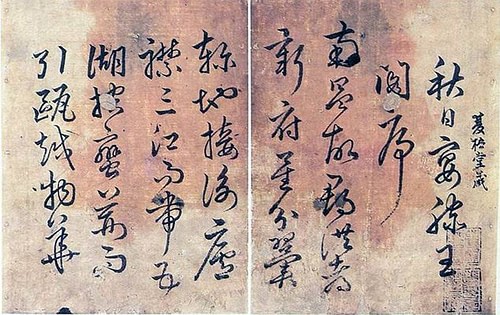 韓國書法 Han Ho (Public Domain) ](https://www.worldhistory.org/image/5679/korean-calligraphy/ "Korean Calligraphy")從此,王國蓬勃發展,首都鬆島擁有 1000 多家商店。 韓國首次鑄造自己的貨幣(公元996 年),雲邊(又名hwalgu)銀花瓶是從公元1101 年開始鑄造的,它具有高麗帝國的形狀,並通過在上面刻上官方印章來標記為合法貨幣。他們。 發明了移動金屬活字印刷,並改進了舊的木版印刷方法。 隨後,佛教文獻在這一時期蓬勃發展,人們對用金富植 (Kim Pu-sik) 於公元 1145 年撰寫的著名《三國史》(《三國史》)記錄國家歷史產生了興趣。
繁榮也有其缺點,導致統治精英日益頹廢、腐敗和社會動盪。 公元 1126 年和 1135 年爆發了公開叛亂,最終被平息,但在義宗統治時期,事情達到了緊要關頭,他因建造奢華的宮殿和水上公園,而受到嚴厲批評。 軍隊無事可做,在上流社會也沒有地位,於公元 1170 年發動了政變。 義宗被他的兄弟明宗取代,但他僅保留為傀儡君主。 高麗社會各個階層之間,數十年的動盪,內鬥隨之而來,出現了更多的政變、暗殺和奴隸叛亂。 但更糟糕的還在後頭。 統一蒙古部落的成吉思汗橫掃中國,他的兒子窩闊台汗,於公元1231年將注意力轉向朝鮮。 次年,高麗被迫遷都江華島。 雖然統治精英安全地安頓在他們的島上,但高麗的其他人口,在接下來的三十年裡,不得不面對六次蒙古人的入侵。 到了公元 1258 年,人民已經受夠了,軍事統治者被暗殺,國王重新獲得全權,並與蒙古人講和。 直到公元 1392 年,李成桂將軍建立新的朝鮮國家,朝鮮才會再次獨立。
### 與中國、日本的關係
韓國和中國的關係可以追溯到神話時代,當時聖人箕子和 5,000 名追隨者離開中國並定居在檀君王國。 當後者決定在山頂靜修時,吉子於公元前 1122 年被任命為古朝鮮國王。 這個神話可能代表鐵器時代文化傳入韓國。
[ 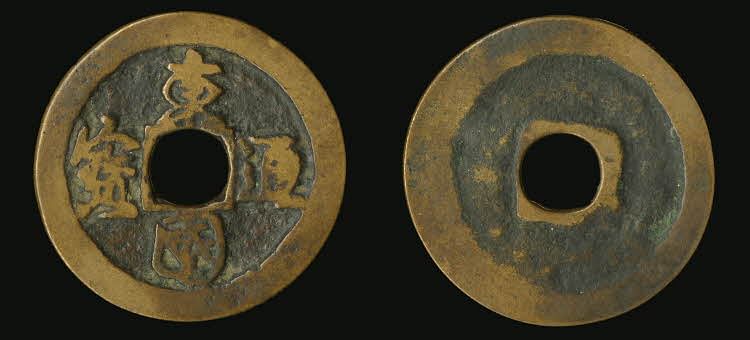 高麗王朝銅幣 Mark Cartwright (CC BY-NC-SA) ](https://www.worldhistory.org/image/5718/goryeo-dynasty-bronze-coin/ "Goryeo Dynasty Bronze Coin")整個時期,兩個地區之間的貿易一直在進行。 鐵、金、銀、銅、人參、麻製品、松子、家具、紙張和馬匹出口到中國,絲綢、茶葉、香料、藥物、陶瓷、書籍和書寫材料則相反。 中國文化很可能是由逃離公元前 4 世紀戰國時期衝突的難民帶到朝鮮的。 這種早期文化影響的考古證據,也許最好地體現,在大同江地區坑葬墓的使用,以及其中經常出現,的馬匹陷阱中。 後來的文化聯繫更加明確,韓國採用了漢字系統、王號、造幣、文學和藝術元素。 學生、學者頻繁赴華留學。
同樣,從青銅時代起,與日本的外交和文化關係就一直在持續。 日本的佤族(Wae)與伽倻聯盟,有著特別密切的聯繫。 後者的文化更為先進,出口了大量的鐵,但一個國家到底在多大程度上,影響甚至控制了另一個國家,學者們仍然存在爭議。 百濟文化尤其是通過教師、學者和藝術家輸出到日本,他們也傳播了孔子經典文本等中國文化。 統一新羅王國與日本南部保持著關係,特別是在奈良和平安時代。 高麗也繼續保持貿易關係,並進口日本商品,特別是劍和折扇。
### 韓國宗教
韓國歷來信奉薩滿教,首先從中國引進了儒教,然後是道教和佛教,韓國從公元 4 世紀起將後者,定為官方國教。 國家行政部門遵循儒家原則,並且是該系統內職位,入學考試的重要組成部分。 然而佛教是最強大的信仰,寺廟和寺院隨處可見。 佛教寺廟寺院憑藉其土地、皇家贊助和免稅而變得富有,整個宗教機構與國家本身相媲美。 許多這樣的寺院,甚至擁有自己的武裝部隊,從武僧和普通民眾中招募。 佛教不僅被精英家庭(他們經常送兒子到寺院學習並出家)所信仰,而且也被下層階級所信仰。
[  石窟庵佛像 Jinho Jung (CC BY-NC-SA) ](https://www.worldhistory.org/image/5830/buddha-statue-seokguram-grotto/ "Buddha Statue, Seokguram Grotto")### 韓國藝術
三國時期大量生產高燒灰陶器。 陶瓷上裝飾有切口,使用額外的粘土片,並切掉粘土以產生格子效果。 然而,無論哪個時期,最著名的韓國陶瓷,都是高麗王國生產的淡綠色青瓷。 這些瓷器也稱為綠瓷,釉面光滑,通常有精美的鑲嵌圖案(sanggam),尤其是佛教圖案,如蓮花、仙鶴和雲彩。 青瓷於公元九世紀首次從中國傳入韓國,但韓國陶工的製造技術非常精湛,以至於他們的產品出口回中國,即使在今天,韓國青瓷仍然是世界上最珍貴的陶瓷之一。
墓葬繪畫在高句麗墓葬中最為明顯。 其中 80 多個房間的房,裝飾有色彩鮮豔的日常生活場景、居住者的肖像和神話生物。 這些畫是通過將顏料直接塗在石牆上或,石灰灰泥底座上製成的。
[  高麗青瓷魚龍壺 National Museum of Korea (CC BY) ](https://www.worldhistory.org/image/5606/celadon-fish-dragon-ewer-goryeo-dynasty/ "Celadon Fish-Dragon Ewer, Goryeo Dynasty")佛教藝術在整個半島都很流行,鎏金青銅被用來製作富有表現力的佛像、彌勒佛像和菩薩像。 巨大的人物也是從巨石和岩壁上雕刻出來的。 鎏金青銅也被用來製造華麗的香爐、舍利盒和王冠。 最著名的韓國王冠是新羅王國,用金片製成的王冠。 它們有樹木和雄鹿般的樹枝,代表著與薩滿教的聯繫。 各種珠寶均採用金工技術製成,例如佈線、沖壓、切割和造粒。 玉石通常被雕刻成新月形狀,是這些閃閃發光的裝飾品的流行裝飾形式。 自統一新羅王國以來,韓國金屬工匠的另一項技能是鑄造大型青銅鐘(pomjong),這些鐘在佛教寺廟中用於宣布儀式。
### 韓國建築
韓國現存最好的有歷史記錄之前的,建築遺跡是巨石結構、防禦牆和石砌墳墓。 古代韓國支石墓的傑出例子,是江華島的桌式結構,其歷史可以追溯到公元 170 年。 公元前 1000 年,韓國青銅時代。 韓國各地還發現了與墓葬環境無關、可能用作標記石的獨立立石(豎石)。
不幸的是,公元 16 世紀之前的古朝鮮公共建築,幾乎沒有倖存。 因此,古代韓國的建築,最能在墓室壁畫和那些仍然矗立的建築中看到,例如益山百濟彌勒寺的石塔,它有六座原來的 7-9 層。 石塔是韓國對佛教建築的獨特貢獻,另外兩個優秀的例子,是慶州附近,建於公元 8 世紀的,佛國寺的多寶塔 (Dabotap) 和石甲塔 (Seokgatap) 塔。
[  韓國浮石寺無量水田 ko:Excretion (CC BY-SA) ](https://www.worldhistory.org/image/5614/muryangsujeon-buseoksa-korea/ "Muryangsujeon, Buseoksa, Korea")大型土堆墓葬是三國時期的典型特徵。 這些土丘是土堆,內部有石砌或磚砌的死者內室,通常有水平入口通道(新羅墳墓除外,沒有入口)。 其中最大的陵墓之一位於高句麗曾經的首都貢內(今通溝),被認為是光開土大帝(公元 391-412 年在位)的陵墓。 它長 75 米,使用 3 x 5 米的塊。
統一新羅時期傑出的石結構建築之一,是慶州東部的佛教石窟庵。 它建於公元 751 年至 774 年之間,有一個圓形圓頂內室,內室有一尊巨大的坐佛。 另一個有趣的新羅建築,是公元 7 世紀中葉的瞻星台 (Cheomseongdae)。 它高 9 米,就像一個日晷,但也有一個朝南的窗戶,可以在每年春分時,捕捉到室內地板上的陽光。 它是東亞現存最古老的天文台。
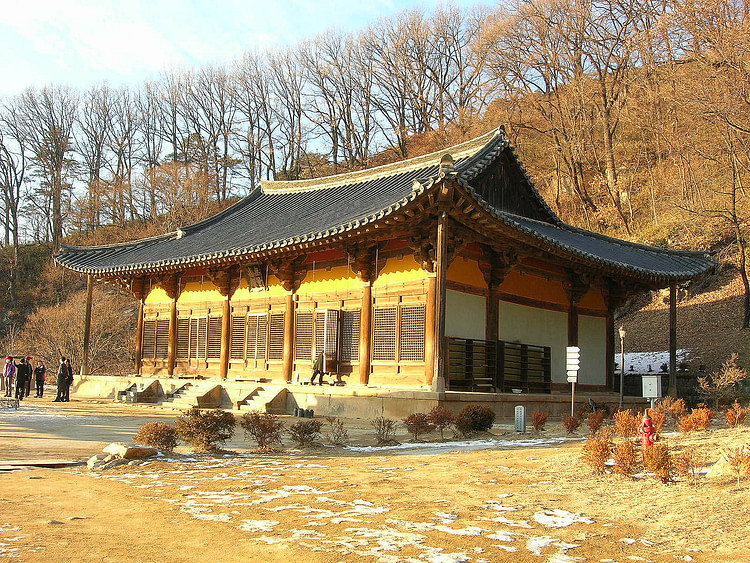
位於龍州普石寺的 13 世紀高麗長生殿 (Muryangsujeon) 體現了韓國較大房屋和宮殿的建築風格。 它是整個韓國現存最古老的木結構建築之一。 韓國建築物的屋頂,如永生殿中所示,通常是高坡度的,以便於雨水的排出,並且足夠堅固,可以抵抗冬季積雪的重量。 它們的高度也很高,以便在溫暖的月份,空氣流通。 古代屋頂由木樑製成,然後在一層土上鋪上瓷磚(giwa)以提供額外的隔熱效果。 為了美觀,屋頂是凹形的,屋簷也輕輕向上彎曲(cheoma)。 這種曲率允許冬季額外的陽光進入建築物,同時在夏季提供一點額外的陰涼。
[ 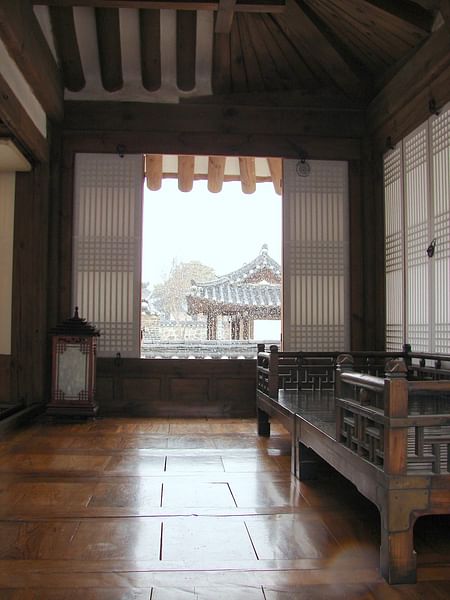 韓屋室內裝飾 Neothinker (Public Domain) ](https://www.worldhistory.org/image/5674/hanok-interior/ "Hanok Interior")韓國傳統建築(韓屋)的內牆由木頭和紙製成,通常用作滑動門(changhoji)。 房間的地板可以是木地板並稍微抬高(maru系統),以在炎熱的月份保持房間涼爽,也可以使用冬季所需的地暖暖炕系統。 後一種類型由石頭製成,覆蓋著蠟紙,有一個煙道系統,熱空氣從房屋的主壁爐中流出。 外部門窗採用互鎖木柵(changsal)製成,通常雕刻成高度裝飾性的格子(kkotsal)。 房屋被劃分為特定用途的區域,通常封閉一個庭院或花園區域。
最後,建築物的直接地形是一個重要的考慮因素,因此建築師努力將其設計和諧地融入自然環境(pungsu)並充分利用風景(andae)。 最好的地方是背靠山脈擋風,面向廣闊的平原,有一條河流流過,為家庭提供正能量或氣。
This content was made possible with generous support from the [British Korean Society](http://www.britishkoreansociety.org.uk/?utm_source=ancient.eu&utm_medium=link&utm_campaign=ancient.eu).
#### Editorial Review
This human-authored definition has been reviewed by our editorial team before publication to ensure accuracy, reliability and adherence to academic standards in accordance with our [editorial policy](https://www.worldhistory.org/static/editorial-policy/).
## 参考文献
- [Buckley Ebrey, P. *Pre-Modern East Asia.* Wadsworth Publishing, 2013.](https://www.worldhistory.org/books/1133606512/)
- [Jackson, B. *Korean Architecture.* Seoul Selection USA, Inc., 2013.](https://www.worldhistory.org/books/8997639234/)
- [Jinwung Kim. *A History of Korea"Land of the Morning Calm" to States in Conflict.* Indiana University Press, 2012.](https://www.worldhistory.org/books/0253000246/)
- [Ki-baik Lee. *A New History of Korea.* Harvard University Asia Center, 1984.](https://www.worldhistory.org/books/067461576X/)
- Kim, C. *The Arts of Korea.* Thames & Hudson, 1966
- [Koehler, R. *Korean Ceramics.* Seoul Selection USA, Inc., 2013.](https://www.worldhistory.org/books/8997639072/)
- [Kyung Hwang. *A History of Korea.* Palgrave Macmillan, 2010.](https://www.worldhistory.org/books/0230205461/)
- [Portal, J. *Korea: Art & Archaeology.* Thames & Hudson, 2000.](https://www.worldhistory.org/books/0500282021/)
- [Pratt, K. *Korea.* Routledge, 1999.](https://www.worldhistory.org/books/0700704639/)
- [Seth, M.J. *A History of Korea.* Rowman & Littlefield Publishers, 1777.](https://www.worldhistory.org/books/B01JXS673S/)
## 关于作者
马克是一位全职作家、研究人员、历史学家与编辑,他对艺术、建筑,以及研究所有文明共有的思想尤为感兴趣。马克拥有政治哲学硕士学位,目前担任WHE出版总监一职。
## 时间轴
- **2333 BCE**: Traditional founding of [Gojoseon](https://www.worldhistory.org/Gojoseon/) by [Dangun](https://www.worldhistory.org/Dangun/) Wanggeom (Tangun).
- **c. 1200 BCE**: The thatched village of Hunam-ri near the [Han](https://www.worldhistory.org/Han_Dynasty/) River of [Korea](https://www.worldhistory.org/Korea/) is built.
- **1122 BCE**: Traditional date that Gija (Jizi) becomes king of [Gojoseon](https://www.worldhistory.org/Gojoseon/).
- **194 BCE - 180 BCE**: Wiman Joseon (Wiman Choson) takes control of [Gojoseon](https://www.worldhistory.org/Gojoseon/), declaring himself king.
- **57 BCE - 4 CE**: Reign of traditional founder of [Korea](https://www.worldhistory.org/Korea/)'s [Silla](https://www.worldhistory.org/Silla/) kingdom Hyeokgeose.
- **57 BCE - 668 CE**: [Three Kingdoms Period in Korea](https://www.worldhistory.org/Three_Kingdoms_Period_in_Korea/) ([Silla](https://www.worldhistory.org/Silla/), [Goguryeo](https://www.worldhistory.org/Goguryeo/), and [Baekje](https://www.worldhistory.org/Baekje/)).
- **57 BCE - 918 CE**: The [Silla](https://www.worldhistory.org/Silla/) Kingdom rules in [Korea](https://www.worldhistory.org/Korea/), first as one of the Three Kingdoms and then alone from 668 CE.
- **37 BCE**: Traditional founding date of the [Goguryeo](https://www.worldhistory.org/Goguryeo/) Kindom in northern [Korea](https://www.worldhistory.org/Korea/).
- **37 BCE - 668 CE**: The [Goguryeo](https://www.worldhistory.org/Goguryeo/) kingdom rules in northern [Korea](https://www.worldhistory.org/Korea/).
- **18 BCE**: Traditional founding date of the [Baekje](https://www.worldhistory.org/Baekje/) kingdom in [Korea](https://www.worldhistory.org/Korea/).
- **18 BCE - 660 CE**: The [Baekje](https://www.worldhistory.org/Baekje/) Kingdom rules in western [Korea](https://www.worldhistory.org/Korea/).
- **3 CE**: The [Goguryeo](https://www.worldhistory.org/Goguryeo/) capital is established at Gungnae.
- **42 CE - 532 CE**: The [Gaya](https://www.worldhistory.org/Gaya/) ([Kaya](https://www.worldhistory.org/Gaya/)) Confederation rules in central [Korea](https://www.worldhistory.org/Korea/).
- **342 CE**: Murong Huang invades [Korea](https://www.worldhistory.org/Korea/) from [China](https://www.worldhistory.org/china/) and sacks the [Goguryeo](https://www.worldhistory.org/Goguryeo/) capital of Gungnae, taking 50,000 inhabitants prisoner.
- **371 CE**: [Baekje](https://www.worldhistory.org/Baekje/) conquers the Mahan federation and attacks [Pyongyang](https://www.worldhistory.org/Pyongyang/), killing the [Goguryeo](https://www.worldhistory.org/Goguryeo/) king Gogugwon.
- **372 CE**: A Confucian Academy is established in the [Goguryeo](https://www.worldhistory.org/Goguryeo/) kingdom of northern [Korea](https://www.worldhistory.org/Korea/) and Buddism is adopted as the state [religion](https://www.worldhistory.org/religion/).
- **375 CE**: The Sogi, a history of the [Baekje](https://www.worldhistory.org/Baekje/) Kingdom in [Korea](https://www.worldhistory.org/Korea/), is written.
- **375 CE - 384 CE**: Reign of [Baekje](https://www.worldhistory.org/Baekje/) king Geungusu in western [Korea](https://www.worldhistory.org/Korea/).
- **384 CE**: [Buddhism](https://www.worldhistory.org/buddhism/) is adopted as the state [religion](https://www.worldhistory.org/religion/) by the [Baekje](https://www.worldhistory.org/Baekje/) kingdom of western [Korea](https://www.worldhistory.org/Korea/).
- **384 CE - 385 CE**: Reign of [Baekje](https://www.worldhistory.org/Baekje/) king Chimnyu in western [Korea](https://www.worldhistory.org/Korea/).
- **391 CE - 413 CE**: Reign of [Goguryeo](https://www.worldhistory.org/Goguryeo/) king [Gwanggaeto the Great](https://www.worldhistory.org/Gwanggaeto_the_Great/) in northern [Korea](https://www.worldhistory.org/Korea/).
- **427 CE**: [Pyongyang](https://www.worldhistory.org/Pyongyang/) replaces Gungnae as the [Goguryeo](https://www.worldhistory.org/Goguryeo/) capital.
- **433 CE - 553 CE**: [Baekje](https://www.worldhistory.org/Baekje/) forms an alliance with the [Silla](https://www.worldhistory.org/Silla/) kingdom in [Korea](https://www.worldhistory.org/Korea/).
- **475 CE**: [Goguryeo](https://www.worldhistory.org/Goguryeo/) attacks the [Baekje](https://www.worldhistory.org/Baekje/) kingdom, killing the king Gaero and forcing the abandonment of Hansong, his capital.
- **475 CE**: A new [Baekje](https://www.worldhistory.org/Baekje/) capital is established at Ungjin (modern Gongju/Kongju).
- **479 CE - 501 CE**: Reign of [Baekje](https://www.worldhistory.org/Baekje/) king Dongseong in western [Korea](https://www.worldhistory.org/Korea/).
- **520 CE**: [Silla](https://www.worldhistory.org/Silla/) king Beopheung introduces the [bone rank system](https://www.worldhistory.org/Bone_Rank_System/) (Golpum).
- **525 CE**: The [tomb of King Muryeong](https://www.worldhistory.org/article/963/the-tomb-of-king-muryeong/) of [Baekje](https://www.worldhistory.org/Baekje/) is built near Gongju, [Korea](https://www.worldhistory.org/Korea/).
- **532 CE**: [Silla](https://www.worldhistory.org/Silla/) captures and destroys the [Gaya](https://www.worldhistory.org/Gaya/) [city](https://www.worldhistory.org/city/) of Bon-Gaya in southern [Korea](https://www.worldhistory.org/Korea/).
- **538 CE**: A new [Baekje](https://www.worldhistory.org/Baekje/) capital is established at Sabi (modern Buyeo/Puyo).
- **554 CE**: The [Silla](https://www.worldhistory.org/Silla/) kingdom attacks the [Baekje](https://www.worldhistory.org/Baekje/) kingdom and occupies the lower [Han](https://www.worldhistory.org/Han_Dynasty/) River valley.
- **554 CE**: At the [battle](https://www.worldhistory.org/disambiguation/battle/) of Gwansan Fortress (modern Okcheon) the [Baekje](https://www.worldhistory.org/Baekje/) army is defeated by the [Silla](https://www.worldhistory.org/Silla/) and King Seong is killed.
- **562 CE**: [Silla](https://www.worldhistory.org/Silla/) conquers the [Gaya](https://www.worldhistory.org/Gaya/) [city](https://www.worldhistory.org/city/) of Daegaya in southern [Korea](https://www.worldhistory.org/Korea/).
- **595 CE - 673 CE**: The life of famed Korean general [Kim Yu-sin](https://www.worldhistory.org/Kim_Yu-sin/).
- **c. 600 CE**: Fine quality paper known as [hanji](https://www.worldhistory.org/Hanji/) is produced in ancient [Korea](https://www.worldhistory.org/Korea/).
- **612 CE**: [Goguryeo](https://www.worldhistory.org/Goguryeo/) general Eulji Mundeok wins a great victory against the Chinese [Sui](https://www.worldhistory.org/Sui_Dynasty/) at the [battle](https://www.worldhistory.org/disambiguation/battle/) of the Salsu River.
- **617 CE - 686 CE**: Life of the Korean [Buddhist](https://www.worldhistory.org/buddhism/) philosopher [Wonhyo](https://www.worldhistory.org/Wonhyo/).
- **625 CE - 702 CE**: Life of the Korean scholar-monk Uisang.
- **628 CE**: The [Goguryeo](https://www.worldhistory.org/Goguryeo/) kingdom of northern [Korea](https://www.worldhistory.org/Korea/) builds a 480-km defensive [wall](https://www.worldhistory.org/wall/) as protection against attack from [China](https://www.worldhistory.org/china/).
- **642 CE**: The [Baekje](https://www.worldhistory.org/Baekje/) and [Goguryeo](https://www.worldhistory.org/Goguryeo/) kingdoms join forces against the [Silla](https://www.worldhistory.org/Silla/) and [conquer](https://www.worldhistory.org/warfare/) Taeya-song (modern Hapchon).
- **644 CE**: A [Goguryeo](https://www.worldhistory.org/Goguryeo/) army defeats a combined [Silla](https://www.worldhistory.org/Silla/) and [Tang](https://www.worldhistory.org/Tang_Dynasty/) army.
- **660 CE**: The [Baekje](https://www.worldhistory.org/Baekje/) kingdom in [Korea](https://www.worldhistory.org/Korea/) falls to a joint [Silla](https://www.worldhistory.org/Silla/) and Chinese [Tang Dynasty](https://www.worldhistory.org/Tang_Dynasty/) army and naval attack.
- **661 CE**: A [Tang Dynasty](https://www.worldhistory.org/Tang_Dynasty/) army unsuccessfully besieges the [Goguryeo](https://www.worldhistory.org/Goguryeo/) capital of [Pyongyang](https://www.worldhistory.org/Pyongyang/).
- **663 CE**: A rebel [Baekje](https://www.worldhistory.org/Baekje/) army is finally crushed by the [Silla](https://www.worldhistory.org/Silla/) in [Korea](https://www.worldhistory.org/Korea/), ending the Baekje kingdom.
- **667 CE**: A [Tang Dynasty](https://www.worldhistory.org/Tang_Dynasty/) army besieges the [Goguryeo](https://www.worldhistory.org/Goguryeo/) capital of [Pyongyang](https://www.worldhistory.org/Pyongyang/) for a second time, this time successfully.
- **668 CE**: The [Goguryeo](https://www.worldhistory.org/Goguryeo/) kingdom of northern [Korea](https://www.worldhistory.org/Korea/) collapses following an attack by the [Tang Dynasty](https://www.worldhistory.org/Tang_Dynasty/) of [China](https://www.worldhistory.org/china/).
- **668 CE - 935 CE**: [Unified Silla Kingdom](https://www.worldhistory.org/Unified_Silla_Kingdom/) in [Korea](https://www.worldhistory.org/Korea/).
- **675 CE**: A [Silla](https://www.worldhistory.org/Silla/) army defeats a [Tang](https://www.worldhistory.org/Tang_Dynasty/) force at the battles of Maesosong.
- **676 CE**: A [Silla](https://www.worldhistory.org/Silla/) army defeats a [Tang](https://www.worldhistory.org/Tang_Dynasty/) force at the [battle](https://www.worldhistory.org/disambiguation/battle/) of Kibolpo, thus gaining control of the whole Korean peninsula.
- **682 CE**: A National Confucian Academy is established in the [Unified Silla Kingdom](https://www.worldhistory.org/Unified_Silla_Kingdom/).
- **698 CE - 926 CE**: The [Balhae](https://www.worldhistory.org/Balhae/) kingdom rules in Manchuria and northern [Korea](https://www.worldhistory.org/Korea/).
- **751 CE - 774 CE**: The [Buddhist](https://www.worldhistory.org/buddhism/) cave [temple](https://www.worldhistory.org/temple/) at Seokguram (Sokkuram) east of [Gyeongju](https://www.worldhistory.org/Gyeongju/), [Korea](https://www.worldhistory.org/Korea/) is built.
- **751 CE - 790 CE**: The [Buddhist](https://www.worldhistory.org/buddhism/) [Bulguksa temple](https://www.worldhistory.org/Bulguksa_Temple/) complex is built east of [Gyeongju](https://www.worldhistory.org/Gyeongju/), [Korea](https://www.worldhistory.org/Korea/).
- **771 CE**: The large [bronze](https://www.worldhistory.org/disambiguation/bronze/) bell at the [Buddhist](https://www.worldhistory.org/buddhism/) shrine at Bongdeoksa, [Korea](https://www.worldhistory.org/Korea/), also known as the Emille Bell, is cast.
- **828 CE**: [Jang Bogo](https://www.worldhistory.org/Jang_Bogo/) establishes a garrison at Cheonghae, the Cheonghaejin fortress is constructed.
- **857 CE - 915 CE**: Life of Korean poet and scholar [Choe Chiwon](https://www.worldhistory.org/Choe_Chiwon/).
- **889 CE - 935 CE**: The Later [Three Kingdoms period in Korea](https://www.worldhistory.org/Three_Kingdoms_Period_in_Korea/).
- **918 CE - 943 CE**: Reign of [Goryeo](https://www.worldhistory.org/Goryeo/) founder King Taejo (formerly [Wang Geon](https://www.worldhistory.org/Taejo_of_Goryeo/)).
- **918 CE - 1392 CE**: The [Goryeo Dynasty](https://www.worldhistory.org/Goryeo/) rules in [Korea](https://www.worldhistory.org/Korea/).
- **927 CE**: Rebel leader Gyeon Hwon attacks [Gyeongju](https://www.worldhistory.org/Gyeongju/), capital of the [Unified Silla Kingdom](https://www.worldhistory.org/Unified_Silla_Kingdom/).
- **935 CE**: The last [Silla](https://www.worldhistory.org/Silla/) king, Gyeongsun, surrenders to [Wang Geon](https://www.worldhistory.org/Taejo_of_Goryeo/) ruler of [Goryeo](https://www.worldhistory.org/Goryeo/).
- **994 CE**: The [Khitan](https://www.worldhistory.org/Khitan/) [Liao dynasty](https://www.worldhistory.org/Khitan/) invades the Korean peninsula.
- **1033 CE**: [Goryeo](https://www.worldhistory.org/Goryeo/) wins a decisive [battle](https://www.worldhistory.org/disambiguation/battle/) against the northern [Khitan](https://www.worldhistory.org/Khitan/) tribes.
- **1101 CE**: The unbyong (aka hwalgu) [silver](https://www.worldhistory.org/Silver/) vases are first made and used as currency in [Korea](https://www.worldhistory.org/Korea/).
- **1126 CE**: A rebellion led by the king's father-in-[law](https://www.worldhistory.org/disambiguation/law/) I Jagyeom is quashed in [Goryeo](https://www.worldhistory.org/Goryeo/).
- **1126 CE**: The [Goryeo](https://www.worldhistory.org/Goryeo/) kingdom of [Korea](https://www.worldhistory.org/Korea/) submits to vassal status towards the [Jurchen Jin dynasty](https://www.worldhistory.org/Jurchen_Jin_Dynasty/).
- **1145 CE**: The '[Samguk sagi](https://www.worldhistory.org/Samguk_Sagi/)' ('History of the Three Kingdoms') is written by Gim Busik in [Goryeo](https://www.worldhistory.org/Goryeo/).
- **1170 CE**: The military stages a coup in [Goryeo](https://www.worldhistory.org/Goryeo/). King Uijong is replaced by his brother Myeongjong as a puppet sovereign.
- **1219 CE**: A [Goryeo](https://www.worldhistory.org/Goryeo/) army allies with the [Mongols](https://www.worldhistory.org/Mongol_Empire/) to attack the [Khitan](https://www.worldhistory.org/Khitan/) in northern [Korea](https://www.worldhistory.org/Korea/).
- **1231 CE - 1232 CE**: [Ogedei Khan](https://www.worldhistory.org/Ogedei_Khan/) leads a [Mongol](https://www.worldhistory.org/Mongol_Empire/) invasion into [Korea](https://www.worldhistory.org/Korea/).
- **1234 CE**: Movable [metal](https://www.worldhistory.org/disambiguation/metal/) type printing is invented in [Goryeo](https://www.worldhistory.org/Goryeo/), [Korea](https://www.worldhistory.org/Korea/).
- **1258 CE**: An uprising restores the monarchy in [Korea](https://www.worldhistory.org/Korea/) and makes peace with the [Mongol Empire](https://www.worldhistory.org/Mongol_Empire/).
- **1285 CE**: The [Samguk yusa](https://www.worldhistory.org/Samguk_Yusa/) ('Memorabilia of the Three Kingdoms') is written by Iryeon in [Korea](https://www.worldhistory.org/Korea/).
## 外部链接
- [List of Rulers of Korea | Lists of Rulers | Heilbrunn Timeline of Art History | The Metropolitan Museum of Art](https://www.metmuseum.org/toah/hd/koru/hd_koru.htm)
## 引用本文
### APA
Cartwright, M. (2023, August 22). 古代朝鮮. (. 晚生姓高, 翻译). *World History Encyclopedia*.
### Chicago
Cartwright, Mark. "古代朝鮮." 翻译: 晚生姓高. *World History Encyclopedia*, August 22, 2023. .
### MLA
Cartwright, Mark. "古代朝鮮." 翻译: 晚生姓高. *World History Encyclopedia*, 22 Aug 2023, .
## 许可与版权
提交人: [晚生姓高](https://www.worldhistory.org/user/ezswvyqf/ "User Page: 晚生姓高"), 发表于 22 August 2023. 请查阅原始来源以获取版权信息。 请注意,从本页面链接的内容可能具有不同的许可条款。