---
title: 罗马帝国
author: Joshua J. Mark
translator: Jinfeng Zhang
source: https://www.worldhistory.org/trans/zh/1-100/
format: machine-readable-alternate
license: Creative Commons Attribution-NonCommercial-ShareAlike (https://creativecommons.org/licenses/by-nc-sa/4.0/)
updated: 2024-06-20
---
# 罗马帝国
_作者: [Joshua J. Mark](https://www.worldhistory.org/user/JPryst/)_
_译者: [Jinfeng Zhang](https://www.worldhistory.org/user/jinfengzhang)_
[](https://www.worldhistory.org/trans/zh/1-22386/)[](https://www.worldhistory.org/trans/zh/2-2409/)罗马帝国在其鼎盛时期(117 年)是西方文明中最庞大的政治和社会结构。在罗马共和国奠定的基础上,帝国成为当时世界上领土最大和最强的政治和军事实体,并稳步扩张,直到 476 年西罗马帝国灭亡。
到 285 年,帝国已经发展得过于庞大,无法由罗马中央政府统治,因此戴克里先皇帝(Diocletian,284-305 年在位)将帝国分为西罗马和东罗马两个帝国。在西罗马,帝国从奥古斯都. 凯撒(公元前 27 年-公元14 年)成为罗马第一位皇帝开始,到罗马末代皇帝罗穆卢斯. 奥古斯都卢斯(Romulus Augustulus,公元 475 年-476 年)被日耳曼国王奥多阿克(Odoacer,公元 476 年-493 年)废黜时结束。在东罗马,罗马帝国作为拜占庭帝国继续存在,直到君士坦丁十一世(1449-1453 年在位)去世,君士坦丁堡于 1453 年落入奥斯曼土耳其人之手。罗马帝国对西方文明的影响是深远的,它对西方文化的几乎所有方面都做出了持久的贡献。
### 早期王朝
公元前 31 年阿克提姆战役(Battle of Actium)之后,凯撒大帝的养子及继承人盖乌斯.屋大维. 图里努斯(Gaius Octavian Thurinus)成为罗马第一位皇帝,取名奥古斯都. 凯撒。尽管凯撒大帝通常被认为是罗马的第一位皇帝,但这是不正确的。他从未拥有过 “皇帝 ”的头衔,而是 “独裁者”,元老院不能不授予他这个头衔,因为凯撒在当时拥有至高无上的军事和政治权力。与此相反,元老院心甘情愿地授予奥古斯都皇帝的称号,对他大加赞扬并赋予他权力,因为他消灭了罗马的敌人,带来了急需的稳定。
奥古斯都从公元前 27 年开始统治罗马帝国,直到公元 14 年去世。在此期间,正如他自己所说, “我发现罗马是一座泥土之城,但离开后它却是一座大理石之城。”。奥古斯都改革了罗马城的法律,进而改革了帝国的法律,确保了罗马边境的安全,启动了大规模的建设项目(主要由他忠实的将军阿格里帕(Agrippa,公元前 63-12 年)实施,他建造了第一座万神殿),并确保了帝国作为历史上最伟大的政治和文化强国之一(如果不是最伟大)的永恒声誉。由他发起的罗马和平(Pax Romana),又称奥古斯塔和平(Pax Augusta),是一个前所未有的和平与繁荣时期,并持续了 200 多年。
奥古斯都死后,权力传给了他的继承人提比略(Tiberius,14-37 年),提比略延续了奥古斯都的许多政策,但缺乏奥古斯都所特有的个性和远见。这种趋势或多或少会在随后的几位皇帝身上稳定地延续下去: 卡里古拉(Caligula ,37-41 年)、克劳狄乌斯(Claudius ,41-54 年)和尼禄(Nero ,54-68 年)。帝国的前五位统治者被称为儒略-克劳狄王朝(Julio-Claudian Dynasty),因为他们是儒略和克劳狄这两个姓氏的后裔(通过出生或收养)。
虽然卡里古拉因其堕落和明显的精神错乱而声名狼藉,但他的早期统治还是值得称赞的,他的继任者克劳狄乌斯也是如此,他扩大了罗马在不列颠的权力和领土。尼禄的统治就不那么令人称道了。卡里古拉和克劳狄乌斯都是在任上被暗杀的(卡里古拉是被他的禁卫军暗杀的,而克劳狄乌斯显然是被他的妻子暗杀的)。尼禄的自杀结束了儒略-克劳狄王朝,并引发了被称为 “四帝之年” 的社会动荡时期。
这四位统治者分别是加尔巴(Galba)、奥托(Otho)、维特里乌斯(Vitellius)和维斯帕先(Vespasian)。尼禄于 68 年自杀后,加尔巴(Galba)于 69 年开始执政,但很快就被证明不适合承担这一责任。他被禁卫军暗杀。奥托在加尔巴死后迅速继位,古代记录显示他有望成为一位好皇帝。然而,维特里乌斯将军(General Vitellius)为了自己的权力,发动了短暂的内战,最终奥托自杀,维特里乌斯(Vitellius)登基。
事实证明,维特里乌斯并不比加尔巴更适合统治罗马,因为他很快沉沦于奢华的娱乐和盛宴,忘记了自己作为罗马皇帝的职责。罗马军团宣布维斯帕先(Vespasian)将军为皇帝,向罗马进军。维特里乌斯被维斯帕先的部下杀害,维斯帕先(69-79 年)从加尔巴登基之日起正好一年后登上皇位。
维斯帕先建立的弗拉维王朝(Flavian Dynasty)的特点是大规模的建筑项目、经济繁荣和帝国扩张。维斯帕先在位期间经济繁荣,他的建筑项目包括最初建造的弗拉维圆形剧场(著名的罗马竞技场),他的儿子提图斯(Titus ,79-81 年在位)完成了该项目。提图斯统治初期,维苏威火山(Mount Vesuvius)于 79 年爆发,庞贝城和赫库兰尼姆城(Herculaneum)被掩埋。
[  罗马皇帝图密善,卢浮宫 Mary Harrsch (Photographed at the Musée de Louvre) (CC BY-NC-SA) ](https://www.worldhistory.org/image/1154/roman-emperor-domitian-louvre/ "Roman Emperor Domitian, Louvre")古代文献普遍赞扬他对这场灾难以及 80 年罗马大火的处理。提图斯于 81 年死于热病,他的弟弟图密善(Domitian ,81-96 年)继位。图密善扩大并确保了罗马的疆域,修复了大火对城市造成的破坏,继续执行其兄发起的建设项目,并改善了帝国的经济。尽管如此,他的专制手段和政策使他不受罗马元老院的欢迎,于 96 年被暗杀。
### 五贤帝
图密善的继任者是他的顾问涅尔瓦(Nerva),涅尔瓦建立了涅尔瓦-安敦尼王朝(Nervan-Antonin Dynasty),96-192 年统治罗马。这一时期的繁荣得益于被称为罗马五贤帝的统治。96 年至 180 年间,五位杰出皇帝依次执政,将罗马帝国推向了鼎盛时期:
- 涅尔瓦(96-98 年)
- 图拉真(98-117 年)
- 哈德良(117-138 年)
- 安敦尼.毕尤(138-161 年)
- 马可.奥勒留(161-180 年)
在他们的领导下,罗马帝国日益强大、稳定,规模和范围也不断扩大。卢基乌斯.维鲁斯(Lucius Verus)和康茂德(Commodus)是涅尔瓦-安敦尼王朝的最后两位皇帝。维鲁斯曾与马可.奥勒留共同担任皇帝,直到 169 年去世,似乎一直没有什么作为。康茂德(180-192 年)是奥勒留的儿子和继任者,也是罗马有史以来最不光彩的皇帝之一,人们普遍认为他放纵自己,胡作非为,以帝国为代价。192 年,他在浴池中被自己的摔跤伙伴勒死,从而结束了涅尔瓦-安敦尼王朝,并让地方长官佩蒂纳克斯(Pertinax,很可能是他策划了对康茂德的暗杀)掌权。
[  庞贝古城和维苏威火山 mchen007 (Copyright) ](https://www.worldhistory.org/image/301/pompeii-and-mt-vesuvius/ "Pompeii and Mt. Vesuvius")### 塞维鲁王朝
佩蒂纳克斯在位仅三个月就遇刺身亡。在被称为 “五帝之年 ”的时期,又有四位皇帝相继继位,最终塞维鲁(Septimus Severus)掌权。塞维鲁(193-211 年)建立了塞维鲁王朝,打败了帕提亚人,并扩张了帝国版图。他在非洲和不列颠的征战范围广泛,耗资巨大,导致罗马后来财政困难。他的儿子卡拉卡拉(Caracalla)和盖塔(Geta)先后继位,直到卡拉卡拉杀害了自己的兄弟。
[  罗马海滩袭击 The Creative Assembly (Copyright) ](https://www.worldhistory.org/image/5173/roman-beach-attack/ "Roman Beach Attack")卡拉卡拉一直统治到 217 年,他被自己的卫士刺杀身亡。正是在卡拉卡拉统治时期,罗马公民权扩大到包括帝国境内的所有自由人。据说颁布这项法律是为了增加税收,因为通过这项法律后,中央政府可以向更多的人征税。塞维鲁王朝主要在朱莉娅. 梅萨(Julia Maesa,被称为 “女皇”)的指导和操纵下继续延续,直到亚历山大. 塞维鲁(Alexander Severus , 222-235 年)于 235 年被暗杀,帝国陷入了被称为 “三世纪危机 ”的混乱之中(持续时间为 235-284 年)。
### 东罗马帝国和西罗马帝国
这一时期也被称为帝国危机,其特点是内战不断,不同的军事领导人为争夺帝国的控制权而战。历史学家还进一步指出,这场危机造成了广泛的社会动荡和经济不稳定(部分原因是塞维鲁王朝造成罗马货币贬值),最终导致帝国解体,分裂为三个独立的地区。奥勒利安(Aurelian,270-275 年)重新统一了帝国,戴克里先(Diocletian)进一步发展和完善了他的政策,建立了四帝共治(Tetrarchy),以维持整个帝国的秩序。
即便如此,帝国的版图仍然十分辽阔,戴克里先为了提高管理效率,在 285 年将帝国一分为二,将他的一位官员马克西米安(Maximian ,286-305 年)提升为共治皇帝。这样,他创建了西罗马帝国和东罗马帝国(又称拜占庭帝国)。由于帝国危机的一个主要原因是继承权不明确,戴克里先下令在个人统治之初就必须选择并批准继承人。其中两位继任者是将军马克森提乌斯(Maxentius)和君士坦丁(Constantine)。戴克里先于 305 年主动退出统治,帝国的四元制解体,帝国的相互竞争的地区争夺统治权。戴克里先于 311 年去世后,马克森提乌斯和君士坦丁使帝国再次陷入内战。
### 君士坦丁与基督教
312 年,君士坦丁在米尔维安桥战役(Battle of the Milvian Bridge)中击败马克森提乌斯,成为西罗马帝国和东罗马帝国的唯一皇帝(306-337 年在位,324-337 年掌握最高权力)。君士坦丁认为耶稣基督是他取得胜利的功臣,他颁布了一系列法律,如《米兰敕令》(Edict of Milan ,313 年),规定在整个帝国实行宗教宽容,特别是对后来被称为基督教的信仰实行宽容政策。
[  君士坦丁雕像 Dana Murray (CC BY-NC-SA) ](https://www.worldhistory.org/image/3632/the-colossus-of-constantine/ "The Colossus of Constantine")与早期罗马皇帝宣称与神灵有特殊关系以增强其权威和地位(例如卡拉卡拉与塞拉皮斯的关系,戴克里先与朱庇特的关系)一样,君士坦丁选择了耶稣基督的形象。在第一次尼西亚公会议(First Council of Nicea ,325 年)上,他主持了编纂信仰的会议,并就耶稣的神性以及收集哪些手稿以形成今天的《圣经》等重要问题做出了决定。他稳定了帝国,重估了货币价值,改革了军队,并在拜占庭(今伊斯坦布尔)旧址上建立了他所称的新罗马城,即后来的君士坦丁堡。
他之所以被称为君士坦丁大帝,是因为后来的基督教学者将他视为强大的信仰捍卫者,但正如许多历史学家所指出的那样,这一尊称也可以很容易地归因于他的宗教、文化和政治改革,以及他的作战技巧和大型建设项目。君士坦丁死后,他的儿子们继承了帝国,并很快开始了一系列的相互争斗,这些冲突有可能使君士坦丁所取得的成就前功尽弃。
他的三个儿子君士坦丁二世、君士坦提乌斯二世和君士坦斯一世瓜分了罗马帝国,但很快又为谁应得更多而争斗不休。在这些冲突中,君士坦丁二世和君士坦斯先后被杀。君士坦提乌斯二世在指定他的堂弟尤利安(Julian)为继任者和继承人后去世。尤利安皇帝在位仅两年(361-363 年),在此期间,他试图通过一系列旨在提高政府效率的改革来恢复罗马昔日的辉煌。
作为一名新柏拉图哲学家,尤利安拒绝接受基督教,并将帝国的衰落归咎于基督教和君士坦丁对基督教的拥护。虽然尤利安正式宣布了宗教宽容政策,但他有计划地将基督徒从有影响力的政府职位中除名,禁止教授和传播宗教,并禁止基督徒服兵役。他在对波斯人作战时去世,结束了君士坦丁开创的王朝。他是罗马最后一位异教徒皇帝,因反对基督教而被称为 “背教者尤利安”(Julian the Apostate')。
[  拜占庭帝国,公元460年 Tataryn77 (CC BY-SA) ](https://www.worldhistory.org/image/7704/byzantine-empire-c-460-ce/ "Byzantine Empire c. 460 CE")在约维安(Jovian)的短暂统治下,基督教重新成为帝国的主导信仰,并废除了尤利安的各种法令,之后皇帝的责任落到了狄奥多西一世的身上。狄奥多西一世(Theodosius I ,379-395 年)将君士坦丁和约维安的宗教改革进行到底,取缔了整个帝国的异教崇拜,关闭了学校和大学,并在 380 年宣布基督教为罗马国教后,将异教寺庙改建为基督教堂。
正是在这一时期,柏拉图著名的学院被狄奥多西下令关闭。他的许多改革措施都不受罗马贵族和信奉传统异教价值观的普通民众的欢迎。异教所提供的社会责任和宗教信仰的统一被宗教制度所割裂,这种宗教制度将诸神从人间和人类社会中移除,宣称只有一个神来统治天堂。
这个新的神与古代的神不同,他对罗马没有特殊的兴趣——他是所有人的神——这使罗马宗教与罗马政府保持距离。在此之前,罗马的宗教信仰是由国家支持的,宗教仪式和节日都是为了提高政府的地位。狄奥多西一世投入了如此多的精力来推广基督教,以至于他似乎忽视了作为皇帝的其他职责,他也是最后一个同时统治东罗马帝国和西罗马帝国的皇帝。
[  西罗马帝国的陷落,公元480年 Simeon Netchev (CC BY-NC-ND) ](https://www.worldhistory.org/image/17289/map-of-the-fall-of-the-western-roman-empire-c-480/ "Map of the Fall of the Western Roman Empire, c. 480 CE")### 罗马帝国的衰落
从 376 年到 382 年,罗马与入侵的哥特人进行了一系列战斗,这就是今天所说的哥特战争(Gothic Wars)。在 378 年 8 月 9 日的阿德里安堡战役(Battle of Adrianople)中,罗马皇帝瓦伦斯(Valens ,364-378 年)战败,历史学家认为这次战役是西罗马帝国衰落的关键。关于帝国衰落的原因,人们提出了各种理论,但即使在今天,关于这些具体原因是什么,也没有达成普遍一致的看法。爱德华. 吉本(Edward Gibbon)在他的《罗马帝国衰亡史》(The History of the Decline and Fall of the Roman Empire)中提出了一个著名的观点:基督教扮演了关键作用,因为基督教破坏了异教的帝国社会习俗。
然而,关于基督教是帝国衰落的根本原因的理论早在吉本之前就有争论,神学家奥罗修斯(Orosius,约 5 世纪)早在 418 年就认为基督教与罗马的衰落无关。奥罗修斯声称,导致罗马衰落的主要是异教本身和异教习俗。导致罗马灭亡的其他因素包括:
- 帝国规模过大导致政局不稳
- 帝国一分为二的自身利益
- 蛮族部落的入侵
- 政府腐败
- 雇佣军
- 过度依赖奴隶劳动力
- 大规模失业和通货膨胀
帝国幅员辽阔,难以治理,即使一分为二也难以管理。东罗马帝国繁荣昌盛,而西罗马帝国则举步维艰,双方都没有考虑过帮助对方。东罗马和西罗马更多地将对方视为竞争对手而非队友,主要从自身利益出发。日耳曼部落日益强大,不断入侵罗马,如果不是政府腐败,特别是省级总督的腐败,以及罗马人整体上对哥特人的公平待遇,这些问题本可以得到更有效的解决。
罗马军队主要由与罗马毫无血缘关系的蛮族雇佣兵组成,无法再像以前那样有效地保卫边境,政府也无法像以前那样轻松地在各省征税。此外,塞维鲁王朝时期开始的货币贬值不断助长通货膨胀,而奴隶劳动的广泛存在剥夺了下层公民的工作机会,增加了失业率。西哥特人在三世纪为躲避匈奴人的入侵而来到帝国,他们随后的叛乱也被认为是导致帝国衰落的一个因素。
[  入侵罗马帝国 MapMaster (CC BY-SA) ](https://www.worldhistory.org/image/4131/invasions-of-the-roman-empire/ "Invasions of the Roman Empire")西罗马帝国于 476 年 9 月 4 日正式灭亡,当时皇帝罗穆卢斯.奥古斯都卢斯被日耳曼国王奥多阿克废黜(但也有历史学家将灭亡时间定为 480 年,即朱利乌斯.尼波斯去世之时)。东罗马帝国作为拜占庭帝国一直延续到 1453 年,虽然早期被称为 “罗马帝国”,但与古代罗马帝国并无太多相似之处。西罗马帝国后来被改称为神圣罗马帝国(962-1806 年),但这一结构也与古代罗马帝国相去甚远,只是一个名义上的 “帝国”。
### 罗马帝国的遗产
罗马帝国的发明和创新深刻地改变了古代人民的生活,至今仍在世界各地的文化中继续使用。道路和建筑、室内管道、渡槽甚至快干水泥方面的进步都是由罗马人发明或改进的。
西方使用的日历源于凯撒大帝制定的日历,一周中各天的名称(罗曼语)和一年中各月份名称也来自罗马。甚至退回不需要的购买商品的做法也源自罗马,罗马法律规定,消费者可以将有缺陷或不想要的商品退还给卖家。
公寓楼(称为 insula)、公共厕所、锁和钥匙、报纸,甚至袜子都是罗马人发明的,还有鞋子、邮政系统(仿照波斯人)、化妆品、放大镜以及文学作品中的讽刺概念。在罗马帝国时期,医学、法律、宗教、政府和战争领域也取得了重大发展。
罗马人善于借鉴并改进他们所征服地区的土著居民的发明或概念。因此,很难说什么是罗马人的 “原创 ”发明,什么是对已有概念、技术或工具的创新。不过,可以肯定地说,罗马帝国留下的遗产经久不衰,至今仍影响着人们的生活方式。
[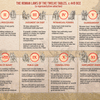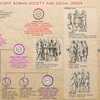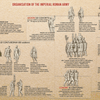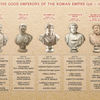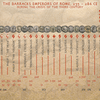](https://www.worldhistory.org/collection/184/ancient-rome-in-8-infographics/)Image Gallery#### [Ancient Rome in 8 Infographics](https://www.worldhistory.org/collection/184/ancient-rome-in-8-infographics/)
The culture of ancient Rome intricately blended laws, military values, and cultural innovations to lay the groundwork for a civilization that endured...
#### Editorial Review
This human-authored definition has been reviewed by our editorial team before publication to ensure accuracy, reliability and adherence to academic standards in accordance with our [editorial policy](https://www.worldhistory.org/static/editorial-policy/).
## 参考文献
- [Adkins, L. & Adkins, R. A. *Handbook to Life in Ancient Rome.* Oxford University Press, 1998.](https://www.worldhistory.org/books/0195123328/)
- [Durant, W. *Caesar and Christ.* Simon & Schuster, 1980.](https://www.worldhistory.org/books/0671115006/)
- [Gibbon, E. *The History of the Decline and Fall of the Roman Empire.* Penguin, 2000.](https://www.worldhistory.org/books/B002XHNO8S/)
- [Grant, M. *Readings in the Classical Historians.* Scribner, 1993.](https://www.worldhistory.org/books/0684192454/)
- [Grant, M. *The Climax of Rome.* Weidenfeld, London, 1993.](https://www.worldhistory.org/books/0297813919/)
- [Harvey, B. K. *Daily Life in Ancient Rome.* Focus, 2016.](https://www.worldhistory.org/books/1585107956/)
- [Herwig, W. *History of the Goths.* University of California Press, 1988.](https://www.worldhistory.org/books/B001JL5UWW/)
- [Kelly, C. *The Roman Empire.* Oxford University Press, 2006.](https://www.worldhistory.org/books/0192803913/)
- [Lewis, J. E. *The Mammoth Book of Eyewitness Ancient Rome.* Running Press, 2003.](https://www.worldhistory.org/books/078671168X/)
- [Mellor, R. *The Historians of Ancient Rome.* Routledge, 2012.](https://www.worldhistory.org/books/0415527163/)
- [Polybius. *The Rise of the Roman Empire.* Penguin Classics, 1980.](https://www.worldhistory.org/books/0140443622/)
- [Tacitus. *Annals of Tacitus.* Cambridge University Press, 2001.](https://www.worldhistory.org/books/0521469961/)
- [The Roman Empire](http://www.roman-empire.net/ "The Roman Empire"), accessed 1 Dec 2016.
- [Titus Livy. *Livy's Histories.* Penguin Classics, 2002.](https://www.worldhistory.org/books/0140448098/)
## 关于作者
约书亚·J·马克(Joshua J. Mark)是世界历史百科全书的联合创始人兼内容总监。他曾在纽约马里斯特学院(Marist College)担任教授,教授历史、哲学、文学和写作课程。他游历广泛,曾在希腊和德国生活。
- [Linkedin Profile](https://www.linkedin.com/pub/joshua-j-mark/38/614/339)
## 时间轴
- **753 BCE**: The legendary founding date of [Rome](https://www.worldhistory.org/Rome/).
- **212 BCE**: The Romans [conquer](https://www.worldhistory.org/warfare/) [Saguntum](https://www.worldhistory.org/Saguntum/) from the Carthaginians.
- **206 BCE - 205 BCE**: The Romans [conquer](https://www.worldhistory.org/warfare/) [Gades](https://www.worldhistory.org/Gades/). End of the Carthaginian presence on the Iberian Peninsula.
- **191 BCE**: [Delphi](https://www.worldhistory.org/delphi/) comes under [Roman](https://www.worldhistory.org/disambiguation/Roman/) control.
- **c. 191 BCE**: The [Achaean League](https://www.worldhistory.org/Achaean_League/) signs a treaty of alliance with [Rome](https://www.worldhistory.org/Rome/).
- **188 BCE**: [Rome](https://www.worldhistory.org/Rome/) gives [Samos](https://www.worldhistory.org/samos/) its independence.
- **166 BCE**: [Rome](https://www.worldhistory.org/Rome/) gives dominion over the [Cyclades](https://www.worldhistory.org/Cyclades/) to [Athens](https://www.worldhistory.org/Athens/).
- **c. 150 BCE**: Macedonia becomes a [Roman](https://www.worldhistory.org/disambiguation/Roman/) province.
- **150 BCE**: The Lusitani are betrayed and slaughtered by the Romans.
- **148 BCE**: [Corcyra](https://www.worldhistory.org/corcyra/) is made part of the [Roman](https://www.worldhistory.org/disambiguation/Roman/) province of Macedonia.
- **146 BCE**: [Thessalonica](https://www.worldhistory.org/Thessalonica/) is made the captial of the [Roman](https://www.worldhistory.org/disambiguation/Roman/) province of [Macedon](https://www.worldhistory.org/macedon/).
- **146 BCE**: End of the [Third Punic War](https://www.worldhistory.org/Third_Punic_War/). [Carthage](https://www.worldhistory.org/carthage/) is destroyed and its lands become the [Roman](https://www.worldhistory.org/disambiguation/Roman/) province [Africa](https://www.worldhistory.org/disambiguation/africa/).
- **146 BCE**: [Utica](https://www.worldhistory.org/Utica/) is made the capital of the [Roman](https://www.worldhistory.org/disambiguation/Roman/) province of [Africa](https://www.worldhistory.org/disambiguation/africa/).
- **133 BCE**: [Lydia](https://www.worldhistory.org/lydia/) and its captial [Sardis](https://www.worldhistory.org/sardis/) comes under [Roman](https://www.worldhistory.org/disambiguation/Roman/) rule.
- **129 BCE**: [Samos](https://www.worldhistory.org/samos/) becomes part of the [Roman](https://www.worldhistory.org/disambiguation/Roman/) province of Asia.
- **96 BCE**: Cyrenaica becomes a [Roman](https://www.worldhistory.org/disambiguation/Roman/) province.
- **74 BCE**: The [city](https://www.worldhistory.org/city/) of [Cyrene](https://www.worldhistory.org/cyrene/) comes under [Roman](https://www.worldhistory.org/disambiguation/Roman/) control.
- **64 BCE**: [Tyre](https://www.worldhistory.org/Tyre/) becomes a [Roman](https://www.worldhistory.org/disambiguation/Roman/) colony.
- **64 BCE**: [Byblos](https://www.worldhistory.org/Byblos/) conquered by the [Roman](https://www.worldhistory.org/disambiguation/Roman/) general [Pompey the Great](https://www.worldhistory.org/pompey/).
- **63 BCE**: [Jerash](https://www.worldhistory.org/Jerash/) in [Jordan](https://www.worldhistory.org/Jordan/) becomes part of the [Roman](https://www.worldhistory.org/disambiguation/Roman/) province of [Syria](https://www.worldhistory.org/syria/).
- **48 BCE**: [Butrint](https://www.worldhistory.org/Butrint/) formally becomes a [Roman](https://www.worldhistory.org/disambiguation/Roman/) colony.
- **44 BCE**: [Julius Caesar](https://www.worldhistory.org/Julius_Caesar/) founds the [Roman](https://www.worldhistory.org/disambiguation/Roman/) colony of [Corinth](https://www.worldhistory.org/corinth/).
- **41 BCE**: [Rome](https://www.worldhistory.org/Rome/) takes control over [Naxos](https://www.worldhistory.org/Naxos/) in the [Cyclades](https://www.worldhistory.org/Cyclades/).
- **37 BCE - 4 BCE**: Reign of [Herod the Great](https://www.worldhistory.org/Herod_the_Great/) over Judea.
- **31 BCE**: [Octavian](https://www.worldhistory.org/augustus/) uses [Corcyra](https://www.worldhistory.org/corcyra/) as a [Roman](https://www.worldhistory.org/disambiguation/Roman/) naval base.
- **30 BCE**: [Egypt](https://www.worldhistory.org/egypt/) becomes province of the [Roman Empire](https://www.worldhistory.org/Roman_Empire/).
- **30 BCE - 476 CE**: [Egypt](https://www.worldhistory.org/egypt/) remains a province of the [Roman Empire](https://www.worldhistory.org/Roman_Empire/).
- **27 BCE**: [Philippi](https://www.worldhistory.org/Philippi/) gains the honorary title of Colonia Iulia Augusta Philippensis.
- **c. 27 BCE**: [Augustus](https://www.worldhistory.org/augustus/) makes [Gortyn](https://www.worldhistory.org/Gortyn/) the capital of the [Roman](https://www.worldhistory.org/disambiguation/Roman/) province of [Crete](https://www.worldhistory.org/crete/) & [Cyrene](https://www.worldhistory.org/cyrene/).
- **27 BCE - 19 BCE**: Cantabrian Wars: [Roman](https://www.worldhistory.org/disambiguation/Roman/) [conquest](https://www.worldhistory.org/warfare/) of the Iberian Penninsula.
- **25 BCE**: [Galatia](https://www.worldhistory.org/galatia/) is peacefully absorbed into the [Roman Empire](https://www.worldhistory.org/Roman_Empire/).
- **14 BCE - 96 CE**: [Rome](https://www.worldhistory.org/Rome/) launches an extensive cultural patronage and construction programme in [Iberia](https://www.worldhistory.org/disambiguation/iberia/).
- **1 CE - 100 CE**: [Mithraism](https://www.worldhistory.org/Mithraic_Mysteries/) spreads in the [Roman empire](https://www.worldhistory.org/Roman_Empire/).
- **6 CE**: [Publius Quinctilius Varus](https://www.worldhistory.org/Publius_Quinctilius_Varus/) is made governor of Germania.
- **9 CE**: The Rhine River is established as the boundary between the Latin and German speaking worlds, following the defeat of the [Roman army](https://www.worldhistory.org/Roman_Army/), under the command of Varus, at the [Battle](https://www.worldhistory.org/disambiguation/battle/) of the Teutoburg Forest.
- **43 CE**: Romans invade [Britain](https://www.worldhistory.org/disambiguation/Britain/) under Aulus Plautius.
- **43 CE**: [Claudius](https://www.worldhistory.org/claudius/) commences the [Roman](https://www.worldhistory.org/disambiguation/Roman/) [conquest](https://www.worldhistory.org/warfare/) of [Britain](https://www.worldhistory.org/disambiguation/Britain/).
- **43 CE - 47 CE**: Romans [conquer](https://www.worldhistory.org/warfare/) South [Britain](https://www.worldhistory.org/disambiguation/Britain/) and claim the territory as part of [Roman Empire](https://www.worldhistory.org/Roman_Empire/).
- **44 CE**: [Caesarea](https://www.worldhistory.org/disambiguation/Caesarea/) made capital of imperial province.
- **47 CE - 50 CE**: Londinium (London) founded, roads constructed.
- **51 CE**: [Briton](https://www.worldhistory.org/Ancient_Britain/) rebel leader [Caratacus](https://www.worldhistory.org/caratacus/) defeated, rebellion crushed.
- **54 CE - 60 CE**: [Roman](https://www.worldhistory.org/disambiguation/Roman/) general Corbulo successfully campaigns in [Armenia](https://www.worldhistory.org/armenia/).
- **68 CE - 69 CE**: [Year of the Four Emperors](https://www.worldhistory.org/Year_of_the_Four_Emperors/): Civil [war](https://www.worldhistory.org/disambiguation/War/) in [Rome](https://www.worldhistory.org/Rome/).
- **75 CE - 77 CE**: Romans defeat the last of the Northern tribes; [Roman](https://www.worldhistory.org/disambiguation/Roman/) [conquest](https://www.worldhistory.org/warfare/) of [Britain](https://www.worldhistory.org/disambiguation/Britain/) complete.
- **76 CE - 138 CE**: Life of Emperor [Hadrian](https://www.worldhistory.org/hadrian/).
- **85 CE - 86 CE**: Dacians invade Moesia and defeat the Romans.
- **86 CE**: The [Roman](https://www.worldhistory.org/disambiguation/Roman/) general Cornelius Fuscus invades [Dacia](https://www.worldhistory.org/dacia/). He is ambushed and his army is annihilated.
- **88 CE**: Resolved to avenge Fuscus' defeat, [Domitian](https://www.worldhistory.org/domitian/) sends another army to [Dacia](https://www.worldhistory.org/dacia/) under Tettius Iulianus. This general is victorious on the mountainous pass of Tapae, in the south-west of modern Romania.
- **101 CE - 106 CE**: [Trajan](https://www.worldhistory.org/trajan/) conquers [Dacia](https://www.worldhistory.org/dacia/).
- **106 CE**: [Jerash](https://www.worldhistory.org/Jerash/) in [Jordan](https://www.worldhistory.org/Jordan/) becomes part of the [Roman](https://www.worldhistory.org/disambiguation/Roman/) province of [Arabia](https://www.worldhistory.org/Arabia/).
- **115 CE - 117 CE**: [Rome](https://www.worldhistory.org/Rome/) occupies [Mesopotamia](https://www.worldhistory.org/Mesopotamia/).
- **116 CE**: Invasion and annexation of the [Fertile Crescent](https://www.worldhistory.org/Fertile_Crescent/) region by [Rome](https://www.worldhistory.org/Rome/) under [Trajan](https://www.worldhistory.org/trajan/).
- **11 Aug 117 CE - 10 Jul 138 CE**: Reign of [Roman Emperor](https://www.worldhistory.org/Roman_Emperor/) [Hadrian](https://www.worldhistory.org/hadrian/).
- **121 CE - 125 CE**: First trip of [Hadrian](https://www.worldhistory.org/hadrian/) around the [Empire](https://www.worldhistory.org/empire/): [Gaul](https://www.worldhistory.org/gaul/), Germania, Noricum, [Britain](https://www.worldhistory.org/disambiguation/Britain/), Cappadocia, [Galatia](https://www.worldhistory.org/galatia/), Bithynia, Asia, [Greece](https://www.worldhistory.org/greece/), Moesia, [Dacia](https://www.worldhistory.org/dacia/), and Pannonia.
- **26 Apr 121 CE - 17 Mar 180 CE**: Life of [Marcus Aurelius](https://www.worldhistory.org/Marcus_Aurelius/).
- **142 CE**: The [Antonine Wall](https://www.worldhistory.org/Antonine_Wall/) built under [Antoninus Pius](https://www.worldhistory.org/Antoninus_Pius/), north of [Hadrian's Wall](https://www.worldhistory.org/Hadrians_Wall/).
- **165 CE - 167 CE**: [Plague](https://www.worldhistory.org/disambiguation/plague/) epidemic in the [Roman empire](https://www.worldhistory.org/Roman_Empire/).
- **167 CE**: Marcomanni sack [Aquileia](https://www.worldhistory.org/aquileia/).
- **167 CE - 180 CE**: Marcomannic Wars.
- **168 CE**: Germanic tribes cross the Danube into the [Roman Empire](https://www.worldhistory.org/Roman_Empire/).
- **192 CE**: Emperor [Commodus](https://www.worldhistory.org/commodus/) is murdered, civil [war](https://www.worldhistory.org/disambiguation/War/) ensues (until 197 CE).
- **195 CE**: First Parthian [war](https://www.worldhistory.org/disambiguation/War/).
- **197 CE - 198 CE**: Second Parthian [war](https://www.worldhistory.org/disambiguation/War/).
- **198 CE - 209 CE**: Reign of [Caracalla](https://www.worldhistory.org/Caracalla/) with his father [Septimius Severus](https://www.worldhistory.org/Septimius_Severus/).
- **200 CE**: Completion of the [Roman](https://www.worldhistory.org/disambiguation/Roman/) road system.
- **c. 204 CE - 270 CE**: Life of [Plotinus](https://www.worldhistory.org/Plotinus/).
- **209 CE - Dec 211 CE**: Reign of [Caracalla](https://www.worldhistory.org/Caracalla/) with his father [Septimius Severus](https://www.worldhistory.org/Septimius_Severus/) and his brother Geta (Feb - Dec 211 only with Geta).
- **212 CE**: [Caracalla](https://www.worldhistory.org/Caracalla/)'s edict grants [Roman citizenship](https://www.worldhistory.org/article/859/roman-citizenship/) to all free inhabitants of the [Roman Empire](https://www.worldhistory.org/Roman_Empire/).
- **212 CE**: [Rome](https://www.worldhistory.org/Rome/) withdraws from region of [Scotland](https://www.worldhistory.org/disambiguation/Scotland/).
- **212 CE**: [Roman citizenship](https://www.worldhistory.org/article/859/roman-citizenship/) granted to all inhabitants of the [empire](https://www.worldhistory.org/empire/).
- **232 CE**: Emperor [Maximinus Thrax](https://www.worldhistory.org/Maximinus_Thrax/) commands a legion in [Egypt](https://www.worldhistory.org/egypt/).
- **234 CE**: Emperor [Maximinus Thrax](https://www.worldhistory.org/Maximinus_Thrax/) is governor of [Mesopotamia](https://www.worldhistory.org/Mesopotamia/).
- **238 CE**: Year of the Six Emperors in the [Roman Empire](https://www.worldhistory.org/Roman_Empire/).
- **242 CE**: Osroene, with its capital at [Edessa](https://www.worldhistory.org/edessa/), is made into a [Roman](https://www.worldhistory.org/disambiguation/Roman/) province.
- **250 CE**: [Thessalonica](https://www.worldhistory.org/Thessalonica/) is made a [Roman](https://www.worldhistory.org/disambiguation/Roman/) colony.
- **260 CE**: [Shapur I](https://www.worldhistory.org/Shapur_I/) captures the [Roman emperor](https://www.worldhistory.org/Roman_Emperor/) [Valerian](https://www.worldhistory.org/valerian/) at [Edessa](https://www.worldhistory.org/edessa/).
- **261 CE**: [Thugga](https://www.worldhistory.org/Dougga/) is made a [Roman](https://www.worldhistory.org/disambiguation/Roman/) colonia.
- **262 CE - 266 CE**: Odaenathus expels Persian garrisons and restores [Syria](https://www.worldhistory.org/syria/) and [Armenia](https://www.worldhistory.org/armenia/) to the [Roman Empire](https://www.worldhistory.org/Roman_Empire/). Odaenathus invades [Mesopotamia](https://www.worldhistory.org/Mesopotamia/), and inflicts two defeats upon [Shapur I](https://www.worldhistory.org/Shapur_I/), which ends with the sack of [Ctesiphon](https://www.worldhistory.org/ctesiphon/).
- **Sep 270 CE - c. Sep 275 CE**: Reign of [Roman emperor](https://www.worldhistory.org/Roman_Emperor/) [Aurelian](https://www.worldhistory.org/Aurelian/).
- **271 CE**: [Aurelian](https://www.worldhistory.org/Aurelian/) defends the [Roman Empire](https://www.worldhistory.org/Roman_Empire/) against Juthungi, Alamanni, and Marcomanni incursions.
- **272 CE - 273 CE**: [Aurelian](https://www.worldhistory.org/Aurelian/) successfully campaigns against Palmyra.
- **285 CE**: The [Roman empire](https://www.worldhistory.org/Roman_Empire/) is split into the Western and Eastern [Roman](https://www.worldhistory.org/disambiguation/Roman/) empires.
- **312 CE**: [Roman emperor](https://www.worldhistory.org/Roman_Emperor/) [Constantine I](https://www.worldhistory.org/Constantine_I/) tolerates [Christianity](https://www.worldhistory.org/christianity/).
- **337 CE**: Ascension of [Constantius II](https://www.worldhistory.org/Constantius_II/).
- **337 CE**: [Death](https://www.worldhistory.org/disambiguation/Death/) of Emperor [Constantine I](https://www.worldhistory.org/Constantine_I/).
- **361 CE**: [Death](https://www.worldhistory.org/disambiguation/Death/) of [Constantius II](https://www.worldhistory.org/Constantius_II/).
- **367 CE**: [Picts](https://www.worldhistory.org/picts/), Scots, [Saxons](https://www.worldhistory.org/Saxons/), and [Franks](https://www.worldhistory.org/Franks/) attack the [Roman Empire](https://www.worldhistory.org/Roman_Empire/).
- **376 CE**: The [Visigoths](https://www.worldhistory.org/visigoth/) are fleeing the [Huns](https://www.worldhistory.org/Huns/), entering the [Eastern Roman Empire](https://www.worldhistory.org/Byzantine_Empire/).
- **391 CE**: Emperor Theodosius I closes pagan temples.
- **410 CE**: [Rome](https://www.worldhistory.org/Rome/) withdraws forces from [Britain](https://www.worldhistory.org/disambiguation/Britain/).
- **410 CE**: The Romans withdraw from [Britain](https://www.worldhistory.org/disambiguation/Britain/).
- **426 CE**: [Roman Emperor](https://www.worldhistory.org/Roman_Emperor/) Theodosius II orders closure of [Epidaurus](https://www.worldhistory.org/epidaurus/) sanctuary.
- **439 CE**: [Vandals](https://www.worldhistory.org/Vandals/) take [Carthage](https://www.worldhistory.org/carthage/) from the [Western Roman Empire](https://www.worldhistory.org/Western_Roman_Empire/) and make it their new capital.
- **523 CE**: Emperor Justinian seizes [Caesarea](https://www.worldhistory.org/disambiguation/Caesarea/).
- **565 CE**: [Death](https://www.worldhistory.org/disambiguation/Death/) of [Justinian I](https://www.worldhistory.org/Justinian_I/) after 38 years ruling the [Roman Empire](https://www.worldhistory.org/Roman_Empire/).
## 问答
### 罗马帝国的年代是什么时候?
罗马帝国始于公元前 27 年,西罗马帝国灭亡于公元 476 年,东罗马帝国灭亡于公元 1453 年。
### 谁是罗马的第一位皇帝?
奥古斯都·凯撒是罗马的第一位皇帝,在位时间是公元前 27 年至公元 14 年。
### 罗马五贤帝是谁?
罗马五贤帝分别是涅尔瓦、图拉真、哈德良、安东尼·毕尤和马可·奥勒留,公元 96 年至 180 年期间统治。
### 罗马帝国为什么衰落?
西罗马帝国于公元 476 年衰落,原因很多,包括:政治不稳定、宗教/文化不稳定、政府腐败、过度依赖奴隶劳动、雇佣军、失业和通货膨胀以及野蛮部落的入侵。东罗马帝国于公元 1453 年被奥斯曼土耳其人攻陷。
## 外部链接
- [Roman Empire - KS2 History - BBC Bitesize](https://www.bbc.com/bitesize/topics/zwmpfg8)
- [Interactive Map of the Roman Empire and Celtic Lands](http://resourcesforhistory.com/map.htm)
- [40 maps that explain the Roman Empire](http://www.vox.com/2014/8/19/5942585/40-maps-that-explain-the-roman-empire)
- [following hadrian photography](https://followinghadrianphotography.com/)
- [The Fall of Rome Podcast](https://fallofromepodcast.wordpress.com/)
- [ORBIS: The Stanford Geospatial Network Model of the Roman World](http://orbis.stanford.edu/)
- [The History of Rome](https://thehistoryofrome.typepad.com/)
- [Rome Project](http://blogs.dalton.org/rome/)
- [10 Innovations That Built Ancient Rome](https://www.history.com/news/10-innovations-that-built-ancient-rome)
- [mariamilani Ancient Rome](https://mariamilani.com/ancient_rome/ancient_roman_inventions.htm)
- [Smith College Museum of Ancient Inventions: Sarculum](https://www.smith.edu/hsc/museum/ancient_inventions/hoe2.html)
- [Inventions and Discoveries](http://thegreatestempire.weebly.com/inventions-and-discoveries.html)
- [What was it like in Roman Britain?](https://www.bbc.com/bitesize/articles/ztqg4wx)
- [The Roman Army and warfare](https://www.historylearningsite.co.uk/ancient-rome/the-roman-army-and-warfare/)
- [mariamilani Ancient Rome](https://mariamilani.com/ancient_rome/Ancient_Roman_Medicine.htm)
- [Medicine and Health in Ancient Rome](https://www.unrv.com/medicine.php)
- [Account Suspended](http://www.the-romans.co.uk/women.htm)
- [15 Interesting Women of Ancient Rome](http://listverse.com/2011/10/20/15-interesting-women-of-ancient-rome/)
- [What was life like in ancient Rome?](https://www.bbc.com/bitesize/articles/z2sm6sg)
- [7 Major Emperors During the Rise of the Roman Empire](https://online.norwich.edu/academic-programs/resources/7-major-emperors-during-the-rise-of-the-roman-empire )
- [The Roman Empire | The Complete Illustrated History](https://roman-empire.net/)
- [List of Rulers of the Roman Empire | Lists of Rulers | Heilbrunn Timeline of Art History | The Metropolitan Museum of Art](https://www.metmuseum.org/toah/hd/roru/hd_roru.htm)
- [The Roman Empire (27 B.C.–393 A.D.) | Essay | The Metropolitan Museum of Art | Heilbrunn Timeline of Art History](https://www.metmuseum.org/toah/hd/roem/hd_roem.htm)
## 引用本文
### APA
Mark, J. J. (2024, June 20). 罗马帝国. (J. Zhang, 翻译). *World History Encyclopedia*.
### Chicago
Mark, Joshua J.. "罗马帝国." 翻译: Jinfeng Zhang. *World History Encyclopedia*, June 20, 2024. .
### MLA
Mark, Joshua J.. "罗马帝国." 翻译: Jinfeng Zhang. *World History Encyclopedia*, 20 Jun 2024, .
## 许可与版权
提交人: [Jinfeng Zhang](https://www.worldhistory.org/user/jinfengzhang/ "User Page: Jinfeng Zhang"), 发表于 20 June 2024. 请查阅原始来源以获取版权信息。 请注意,从本页面链接的内容可能具有不同的许可条款。