---
title: Römisches Reich
author: Joshua J. Mark
translator: Marina Wrackmeyer
source: https://www.worldhistory.org/trans/de/1-100/romisches-reich/
format: machine-readable-alternate
license: Creative Commons Attribution-NonCommercial-ShareAlike (https://creativecommons.org/licenses/by-nc-sa/4.0/)
updated: 2026-07-24
---
# Römisches Reich
_Verfasst von [Joshua J. Mark](https://www.worldhistory.org/user/JPryst/)_
_Übersetzt von [Marina Wrackmeyer](https://www.worldhistory.org/user/m.wrackmeyer)_
Das Römische Reich war auf dem Höhepunkt seiner Macht (um 117 n. Chr.) die weitreichendste politische und gesellschaftliche Struktur der westlichen Zivilisation. Das Reich, das auf den von der Römischen Republik geschaffenen Grundlagen aufbaute, entwickelte sich zur größten und mächtigsten politischen und militärischen Einheit der damaligen Welt und dehnte sich bis zu seinem Untergang im Westen im Jahr 476 stetig aus.
Bis zum Jahr 285 war das Reich zu sehr gewachsen, um nur von der Zentralregierung in Rom aus regiert zu werden, und wurde daher von Kaiser Diokletian (Regierungszeit 284–305) in ein West- und ein Oströmisches Reich aufgeteilt. Das Reich begann mit Augustus’ Krönung zum ersten Kaiser Roms (Regierungszeit 27 v. Chr. – 14 n. Chr.) und endete im Westen, als der letzte römische Kaiser, Romulus Augustulus (Regierungszeit 475–476), vom germanischen König Odoaker (Regierungszeit 476–493) abgesetzt wurde.
Im Osten bestand es als Byzantinisches Reich weiter bis zum Tod von Konstantin XI. (Regierungszeit 1449–1453) und dem Fall Konstantinopels an die osmanischen Türken im Jahr 1453. Der Einfluss des Römischen Reiches auf die westliche Zivilisation war tiefgreifend und prägte durch seine bleibenden Beiträge praktisch jeden Aspekt der westlichen Kultur.
### Die frühen Dynastien
Nach der Schlacht bei Actium im Jahr 31 v. Chr. wurde Gaius Octavius Thurinus, Julius Cäsars Neffe und Erbe, der erste Kaiser Roms und nahm den Namen Augustus an. Obwohl [Julius Cäsar](https://www.worldhistory.org/trans/de/1-95/julius-casar/) oft als erster Kaiser Roms angesehen wird, ist dies nicht richtig. Er trug niemals den Titel „Kaiser“, sondern vielmehr den Titel „Diktator“ – einen Titel, den der Senat ihm zwangsläufig verleihen musste, da Cäsar zu jener Zeit die höchste militärische und politische Macht innehatte. Im Gegensatz dazu verlieh der Senat Augustus bereitwillig den Titel des Kaisers und überhäufte ihn mit Lob und Macht zum Dank, da er Roms Feinde vernichtet und dringend benötigte Stabilität gebracht hatte.
Das Reich wurde von Augustus von 27 v. Chr. bis zu seinem Tod im Jahr 14 n. Chr. regiert. In dieser Zeit, wie er selbst sagte, „fand er Rom als Stadt aus Ziegeln vor und hinterließ es als Stadt aus Marmor“. Augustus reformierte die Gesetze der Stadt und damit auch die des Reiches, sicherte Roms Grenzen, initiierte gewaltige Bauprojekte (größtenteils durchgeführt von seinem treuen Feldherrn Agrippa, der 63–12 v. Chr. lebte und das erste Pantheon errichtete) und sicherte dem Reich einen bleibenden Ruf als eine der größten, wenn nicht gar die größte politische und kulturelle Macht der Geschichte. Die von ihm eingeleitete Pax Romana („römischer Frieden“), auch bekannt als Pax Augusta, war eine Zeit des Friedens und Wohlstands, wie man sie bis dahin noch nicht gekannt hatte, und sollte über 200 Jahre andauern.
#### Book Promotion
[  ](https://www.worldhistory.org/static/book-the-romans/ "The Romans: Antiquity's Ultimate Transformative Culture")### The Romans: Antiquity's Ultimate Transformative Culture
by Mark Cartwright WHE's third book, written by Mark Cartwright, examines nine different aspects of daily life for those who lived in what became the vast Roman Empire. We will discover what the Romans ate, what they wore, and who married whom. We will see what a Roman town looked like, what the religious practices entailed, how the state was governed, and what was on offer for people to forget their troubles and be royally entertained. The nine chapters all strive to answer a single question: What did it mean to be a Roman? [Learn More](https://www.worldhistory.org/static/book-the-romans/)
.sponsor.book img.key_art {
box-shadow: none !important;
}
.button_container {
margin-top: 1em;
}
.sponsor.book h3 {
text-transform: none;
margin-top: 0px;
margin-bottom: 15px;
font-family: "Libre Baskerville", "Palatino Linotype", "Book Antiqua", Palatino, serif;
}
.sponsor_message {
margin-left: 190px;
font-family: Karla, Arial, Helvetica, sans-serif;
line-height: 140%;
min-height: 200px;
}
.sponsor.book {
padding: 20px;
margin: 25px 0px;
background-color: #f3f3f3;
}
.sponsor.book .key_art {
margin-top: 0px;
margin-bottom: 10px;
float: left;
}
.sponsor h4 {
font-weight: bold;
text-transform: uppercase;
color: #000;
margin-bottom: 10px;
margin-top: 0px;
font-family: Karla,Arial,Helvetica,sans-serif;
font-size: 13px;
padding: 0;
}
.sponsor_book_author {
color: #999;
margin: -10px 0px 20px;
}
@media (max-width: 1199px) {
.sponsor.book .key_art {
float: none;
width: 100%;
}
.sponsor.book .sponsor_message {
margin-left: 0px;
}
.sponsor.book h3 {
margin-top: 20px;
margin-bottom: 10px;
}
}
@media (max-width: 767px) {
}
Nach Augustus’ Tod ging die Macht auf seinen Erben Tiberius (Regierungszeit 14–37) über, der viele der politischen Maßnahmen seines Vorgängers fortsetzte, dem jedoch die Charakterstärke und Weitsicht fehlten, die Augustus ausgezeichnet hatten. Dieser Trend sollte sich mehr oder weniger kontinuierlich bei den nachfolgenden Kaisern fortsetzen: Caligula (Regierungszeit 37–41), Claudius (Regierungszeit 41–54) und Nero (Regierungszeit 54–68). Diese ersten fünf Herrscher des Reiches werden als die julisch-claudische Dynastie bezeichnet, benannt nach den beiden Familiennamen, von denen sie entweder durch Geburt oder Adoption abstammten: Julius und Claudius.
Obwohl Caligula für seine Verderbtheit und seinen offensichtlichen Wahnsinn berüchtigt wurde, war seine frühe Regierungszeit lobenswert, ebenso wie die seines Nachfolgers Claudius, der Roms Macht und Territorium in Britannien ausdehnte; weniger lobenswert war die von Nero. Caligula und Claudius wurden beide während ihrer Amtszeit ermordet (Caligula von seiner Prätorianergarde und Claudius wohl von seiner Frau). Neros Selbstmord beendete die julisch-claudische Dynastie und leitete die als „Vierkaiserjahr“ bekannte Zeit sozialer Unruhen ein.
Diese vier Herrscher waren Galba, Otho, Vitellius und Vespasian. Nach Neros Selbstmord im Jahr 68 übernahm Galba die Herrschaft (69) und erwies sich fast augenblicklich als der Verantwortung nicht gewachsen. Er wurde von der Prätorianergarde ermordet. Otho folgte ihm noch am selben Tag seines Todes rasch nach, und antike Überlieferungen deuten darauf hin, dass man von ihm erwartete, ein guter Kaiser zu werden. General Vitellius strebte jedoch selbst nach der Macht und löste so den kurzen Bürgerkrieg aus, der mit Othos Selbstmord und Vitellius’ Thronbesteigung endete.
Vitellius erwies sich als ebenso wenig regierungsfähig wie Galba zuvor, da er sich fast augenblicklich luxuriösen Vergnügungen und Festmahlen hingab und dabei seine Pflichten vernachlässigte. Die Legionen erklärten General Vespasian zum Kaiser und marschierten auf Rom. Vitellius wurde von Vespasians Männern ermordet, und Vespasian (Regierungszeit 69–79) übernahm die Macht genau ein Jahr nach dem Tag, an dem Galba erstmals den Thron bestiegen hatte.
Vespasian begründete die flavische Dynastie, die von groß angelegten Bauprojekten, wirtschaftlichem Wohlstand und der Ausdehnung des Reiches gekennzeichnet war. Der Wohlstand unter Vespasians Regierungszeit ist belegt durch seine Bauprojekte, zu denen auch der Baubeginn des Flavischen Amphitheaters (des berühmten Kolosseums in Rom) gehörte, das von seinem Sohn Titus (Regierungszeit 79–81) vollendet werden sollte. Zu Beginn der Regierungszeit von Titus kam es im Jahr 79 zum Ausbruch des Vesuvs, der die Städte [Pompeji](https://www.worldhistory.org/trans/de/1-529/pompeji/) und Herculaneum unter sich begrub.
[  Römischer Kaiser Domitian, Louvre Mary Harrsch (Photographed at the Musée de Louvre) (CC BY-NC-SA) ](https://www.worldhistory.org/image/1154/roman-emperor-domitian-louvre/ "Roman Emperor Domitian, Louvre")Antike Quellen loben einhellig seinen Umgang mit dieser Katastrophe sowie mit dem großen Brand Roms im Jahr 80. Titus starb im Jahr 81 an Fieber und wurde von seinem Bruder Domitian (Regierungszeit 81–96) beerbt.
Domitian erweiterte und sicherte die Grenzen Roms, beseitigte die durch den großen Brand verursachten Schäden an der Stadt, setzte die von seinem Bruder begonnenen Bauprojekte fort und verbesserte die Wirtschaft des Reiches. Dennoch machten ihn seine autokratischen Methoden und seine Politik beim römischen Senat unbeliebt, und er wurde im Jahr 96 ermordet.
### Die fünf guten Kaiser
Domitians Nachfolger war sein Berater Nerva, der die Nerva-antoninische Dynastie begründete, die von 96 bis 192 über Rom herrschte. Diese Zeit ist geprägt von zunehmendem Wohlstand, der den als „die fünf guten Kaiser Roms“ bekannten Herrschern zu verdanken ist. Zwischen 96 und 180 regierten nacheinander fünf außergewöhnliche Männer und brachten das Römische Reich in seine Blütezeit:
- Nerva (Regierungszeit 96–98)
- Trajan (Regierungszeit 98–117)
- Hadrian (Regierungszeit 117–138)
- Antoninus Pius (Regierungszeit 138–161)
- Mark Aurel (Regierungszeit 161–180)
Unter ihrer Führung wurde das Römische Reich stärker, stabiler und dehnte sich in Größe und Einfluss aus. Lucius Verus und Commodus waren die letzten beiden Kaiser der antoninischen Dynastie. Verus war bis zu seinem Tod im Jahr 169 Mitkaiser an der Seite von Mark Aurel und scheint recht ineffektiv gewesen zu sein. Commodus (Regierungszeit 180–192), Mark Aurels Sohn und Nachfolger, war einer der schändlichsten Kaiser, die Rom je gesehen hatte, und wird allgemein als jemand dargestellt, der sich selbst und seinen Launen auf Kosten des Reiches hingab. Er wurde im Jahr 192 im Bad von seinem Ringkampfpartner erwürgt, wodurch die antoninische Dynastie endete und der Präfekt Pertinax (der höchstwahrscheinlich Commodus’ Ermordung inszeniert hatte) an die Macht kam.
[  Pompeji und der Vesuv mchen007 (Copyright) ](https://www.worldhistory.org/image/301/pompeii-and-mt-vesuvius/ "Pompeii and Mt. Vesuvius")### Die severische Dynastie
Pertinax regierte nur drei Monate, bevor er ermordet wurde. Auf ihn folgten in rascher Abfolge vier weitere Kaiser in einer als zweites Vierkaiserjahr (auch Fünfkaiserjahr) bekannten Zeit, die mit dem Machtantritt von Septimius Severus ihren Höhepunkt fand. Severus (Regierungszeit 193–211) begründete die Dynastie der Severer, besiegte die Parther und erweiterte das Reich. Seine Feldzüge in Afrika und Britannien waren umfangreich und kostspielig und trugen zu den späteren finanziellen Schwierigkeiten Roms bei. Seine Nachfolger waren seine Söhne Caracalla und Geta, bis Caracalla seinen Bruder ermorden ließ.
[  Römischer Küstenangriff The Creative Assembly (Copyright) ](https://www.worldhistory.org/image/5173/roman-beach-attack/ "Roman Beach Attack")Caracalla regierte bis zum Jahr 217, als er von seinem Leibwächter ermordet wurde. Unter Caracallas Herrschaft wurde das römische Bürgerrecht auf alle freien Männer im Reich ausgeweitet. Dieses Gesetz soll als Mittel zur Steigerung der Steuereinnahmen erlassen worden sein – schlichtweg, weil es nach seiner Verabschiedung mehr Menschen gab, die die Zentralregierung besteuern konnte. Die severische Dynastie bestand weiter, in hohem Maße unter der Leitung und Einflussnahme von Julia Maesa (bezeichnet als „Kaiserin“), bis zu Severus Alexanders (Regierungszeit 222–235) Ermordung im Jahr 235, die das Reich in ein Chaos stürzte, das als „Reichskrise des 3. Jahrhunderts“ bekannt geworden ist (235–284).
### Zwei Reiche: Ost und West
Diese Zeit der Reichskrise war geprägt von ständigen Bürgerkriegen, da verschiedene Militärführer um die Kontrolle über das Reich kämpften. Die Krise wurde von Historikern zudem aufgrund weit verbreiteter sozialer Unruhen, wirtschaftlicher Instabilität (die zum Teil durch die Abwertung der römischen Währung durch die Severer begünstigt wurde) und schließlich der Auflösung des Reiches, das in drei separate Regionen zerfiel, besonders hervorgehoben. Das Reich wurde von Aurelian (270–275) wiedervereinigt und seine Politik von Diokletian weiterentwickelt und verbessert. Dieser führte die Tetrarchie (die Herrschaft zu viert) ein, um die Ordnung im gesamten Reich aufrechtzuerhalten.
Dennoch war das Reich immer noch so riesig, dass Diokletian es um das Jahr 285 in zwei Hälften teilte. Er versuchte so, eine effizientere Verwaltung zu ermöglichen und setzte einen seiner Offiziere, Maximian (Regierungszeit 286–305), als Mitkaiser ein. Damit schuf er das Weströmische Reich und das Oströmische Reich (auch bekannt als Byzantinisches Reich). Da eine der Hauptursachen der damaligen Krise die Unklarheit bei der Thronfolge war, verfügte Diokletian, dass Nachfolger bereits zu Beginn der Regierungszeit eines Herrschers ausgewählt und bestätigt werden mussten. Zwei dieser Nachfolger waren die Feldherren Maxentius und Konstantin. Diokletian zog sich 305 freiwillig von der Herrschaft zurück, und die Tetrarchie löste sich auf, als rivalisierende Regionen des Reiches miteinander um die Vorherrschaft wetteiferten. Nach Diokletians Tod im Jahr 311 stürzten Maxentius und Konstantin das Reich erneut in einen Bürgerkrieg.
### Konstantin und das Christentum
Im Jahr 312 besiegte Konstantin Maxentius in der Schlacht an der Milvischen Brücke und wurde alleiniger Kaiser sowohl des West- als auch des Oströmischen Reiches (er regierte von 306 bis 337, übte die größte Macht jedoch von 324 bis 307 aus). In der Überzeugung, dass Jesus Christus für seinen Sieg verantwortlich war, erließ Konstantin eine Reihe von Gesetzen wie die Mailänder Vereinbarung (313), die religiöse Toleranz im gesamten Reich vorschrieb, insbesondere Toleranz gegenüber dem Glauben, der als Christentum bekannt wurde.
[  Kolossalstatue Konstantins des Großen Dana Murray (CC BY-NC-SA) ](https://www.worldhistory.org/image/3632/the-colossus-of-constantine/ "The Colossus of Constantine")So wie frühere römische Kaiser eine besondere Beziehung zu einer Gottheit beansprucht hatten, um ihre Autorität und ihr Ansehen zu stärken (zum Beispiel Caracalla mit Serapis oder Diokletian mit Jupiter), wählte Konstantin die Gestalt Jesu Christi. Auf dem Ersten Konzil von Nicäa (325) leitete er die Versammlung, um den Glauben zu kodifizieren und über wichtige Fragen zu entscheiden, wie etwa die Göttlichkeit Jesu und welche Handschriften zusammengetragen werden sollten, um das Buch zu bilden, das heute als die Bibel bekannt ist. Er stabilisierte das Reich, wertete die Währung auf und reformierte das Militär. Außerdem gründete er an der Stelle der ehemaligen Stadt Byzanz (dem heutigen Istanbul) eine Stadt, die er „Neues Rom“ nannte und die später als Konstantinopel bekannt wurde.
Er ist als Konstantin der Große bekannt, was auf spätere christliche Schriftsteller zurückgeführt wird, da sie in ihm einen mächtigen Verfechter ihres Glaubens sahen – doch wie viele Historiker angemerkt haben, könnte dieser Ehrentitel ebenso gut auf seine religiösen, kulturellen und politischen Reformen sowie auf seine Fähigkeiten im Kampf und seine groß angelegten Bauprojekte zurückgehen. Nach seinem Tod erbten seine Söhne das Reich und gerieten recht schnell untereinander in eine Reihe von Konflikten, die all das zunichte zu machen drohten, was Konstantin erreicht hatte.
Seine drei Söhne, Konstantin II., Constantius II. und Constans, teilten das Römische Reich unter sich auf, gerieten jedoch bald in Streit darüber, wer von ihnen mehr verdiene. In diesen Konflikten kamen Konstantin II. und Constans ums Leben. Constantius II. starb später, nachdem er seinen Cousin Julian zu seinem Nachfolger und Erben ernannt hatte. Kaiser Julian regierte nur zwei Jahre (361–363) und versuchte in dieser Zeit, Rom durch eine Reihe von Reformen, die auf eine Steigerung der Effizienz in der Regierung abzielten, zu seinem früheren Glanz zurückzuführen.
Als neuplatonischer Philosoph lehnte Julian das Christentum ab und machte den Glauben sowie Konstantins Eintreten dafür für den Niedergang des Reiches verantwortlich. Obwohl er offiziell eine Politik der religiösen Toleranz verkündete, entfernte Julian systematisch Christen aus einflussreichen Regierungspositionen, verbot die Lehre und Verbreitung der Religion und schloss Christen vom Militärdienst aus. Sein Tod während eines Feldzugs gegen die Perser beendete die Dynastie, die Konstantin begründet hatte. Er war der letzte heidnische Kaiser Roms und wurde wegen seiner Ablehnung des Christentums als „Julian Apostata“ („der Abtrünnige“) bekannt.
[  Byzantinisches Reich, ca. 460 n. Chr. Tataryn77 (CC BY-SA) ](https://www.worldhistory.org/image/7704/byzantine-empire-c-460-ce/ "Byzantine Empire c. 460 CE")Nach der kurzen Regierungszeit Jovians, der das Christentum wieder als vorherrschende Religion des Reiches etablierte und Julians verschiedene Edikte aufhob, fiel Theodosius I. die kaiserliche Verantwortung zu. Theodosius I. (Regierungszeit 379–395) führte die religiösen Reformen Konstantins und Jovians konsequent zu Ende, verbot den heidnischen Kult im gesamten Reich, schloss Schulen und Universitäten und wandelte heidnische Tempel in christliche Kirchen um, nachdem er 380 das Christentum zur Staatsreligion Roms erklärt hatte.
In dieser Zeit wurde Platons berühmte Akademie durch ein Dekret Theodosius’ geschlossen. Viele seiner Reformen waren sowohl bei der römischen Aristokratie als auch beim einfachen Volk, das an den traditionellen Werten heidnischer Bräuche festhielt, unbeliebt. Die Einheit von gesellschaftlichen Pflichten und religiösem Glauben, die das Heidentum geboten hatte, wurde durch die Einführung einer Religion, die die Götter von der Erde und der menschlichen Gesellschaft entfernte und nur einen einzigen Gott verkündete, der vom Himmel aus herrschte, zerstört.
Dieser neue Gott hatte, anders als die Götter der Vergangenheit, als Gott aller Menschen kein besonderes Interesse an Rom, und dies führte zu einer Entfremdung der Religion vom römischen Staat. Zuvor war der römische Glaube staatlich gefördert worden, und Rituale und Feste dienten dazu, den Status der Regierung zu stärken. Theodosius I. widmete der Förderung des Christentums so viel Mühe, dass er offenbar andere kaiserliche Pflichten vernachlässigte, und er sollte der letzte sein, der sowohl das Oströmische als auch das Weströmische Reich regierte.
[  Der Untergang des Römischen Reiches, ca. 480 n. Chr. Simeon Netchev (CC BY-NC-ND) ](https://www.worldhistory.org/image/17289/map-of-the-fall-of-the-western-roman-empire-c-480/ "Map of the Fall of the Western Roman Empire, c. 480 CE")### Der [Untergang des Römischen Reiches](https://www.worldhistory.org/trans/de/2-835/untergang-des-romischen-reiches/)
Von 376 bis 382 führte Rom eine Reihe von Schlachten gegen die einfallenden Goten, heute als Gotenkriege bekannt. In der Schlacht von Adrianopel am 9. August 378 wurde der römische Kaiser Valens (Regierungszeit 364–378) besiegt, und Historiker sehen dieses Ereignis als entscheidend für den Niedergang des Weströmischen Reiches an. Es wurden verschiedene Theorien zur Ursache des Untergangs des Reiches aufgestellt, doch bis heute herrscht keine allgemeine Einigkeit darüber, welche konkreten Faktoren verantwortlich waren. Edward Gibbon hat in seinem berühmten Werk *„*Verfall und Untergang des Römischen Imperiums*“* (*The History of the Decline and Fall of the Roman Empire*) argumentiert, dass das Christentum eine entscheidende Rolle spielte, da die neue Religion die sozialen Sitten des Reiches untergrub, die zuvor durch das Heidentum gestützt worden waren.
Die Theorie, dass das Christentum eine der Hauptursachen für den Untergang des Reiches war, wurde jedoch schon lange vor Gibbon diskutiert, da der Theologe Orosius bereits zu seinen Lebzeiten im Jahr 418 die Unschuld des Christentums am Niedergang Roms beteuerte. Orosius behauptete, es seien in erster Linie das Heidentum selbst und heidnische Bräuche gewesen, die den Untergang Roms herbeigeführt hätten. Weitere Faktoren, die zum Untergang Roms beitrugen, sind:
- Politische Instabilität aufgrund der Größe des Reiches
- Eigeninteressen der beiden Hälften des Reiches
- Einfall barbarischer Stämme
- Korruption in der Regierung
- Söldnerarmeen
- Übermäßige Abhängigkeit von Sklavenarbeit
- Massive Arbeitslosigkeit und Inflation
Die unüberschaubare Weite des Reiches, selbst nach der Teilung in zwei Hälften, erschwerte dessen Verwaltung. Das Oströmische Reich blühte auf, während das Weströmische Reich zu kämpfen hatte, und keines der beiden Reiche war darauf bedacht, dem anderen zu helfen. Ost- und Westrom sahen sich eher als Konkurrenten denn als Verbündete und handelten in erster Linie in ihrem jeweiligen eigenen Interesse. Der wachsenden Stärke der germanischen Stämme und ihren ständigen Einfällen in Rom hätte man durch Unterbindung der Korruption in der Regierung – insbesondere unter den Statthaltern in den Provinzen – und insgesamt faire Behandlung der Goten durch die Römer wirksamer begegnen können.
Das römische Militär, das größtenteils aus barbarischen Söldnern ohne ethnische Bindung zu Rom bestand, konnte die Grenzen nicht mehr so effizient sichern wie einst, und auch die Regierung hatte Schwierigkeiten, in den Provinzen Steuern einzutreiben. Darüber hinaus hatte die unter der severischen Dynastie begonnene Geldentwertung die Inflation stetig vorangetrieben, während die weit verbreitete Sklavenarbeit den Bürgern der unteren Schichten Arbeitsplätze entzog und so die Arbeitslosigkeit anstieg. Die Ankunft der vor den einfallenden Hunnen fliehenden Westgoten im Reich im dritten Jahrhundert sowie ihre anschließenden Aufstände werden ebenfalls als Faktoren genannt, die zum Niedergang beitrugen.
[  Invasionen des Römischen Reiches MapMaster (CC BY-SA) ](https://www.worldhistory.org/image/4131/invasions-of-the-roman-empire/ "Invasions of the Roman Empire")Das Weströmische Reich fiel offiziell am 4. September 476, als Kaiser Romulus Augustulus vom germanischen König Odoaker abgesetzt wurde (obwohl einige Historiker das Ende mit Julius Nepos’ Tod im Jahr 480 datieren). Das Oströmische Reich bestand als Byzantinisches Reich bis 1453 fort, und obwohl es anfangs einfach als „das Römische Reich“ bezeichnet wurde, hatte es mit jenem Staat kaum noch etwas gemeinsam. Das Weströmische Reich sollte später als Heiliges Römisches Reich (962–1806) neu erfunden werden, doch auch dieses Konstrukt war weit vom römischen Reich der Antike entfernt und nur dem Namen nach ein „Reich“.
### Das Erbe des Römischen Reiches
Erfindungen und Fortschritte, die das Römische Reich hervorbrachte, veränderten das Leben der Menschen in der Antike tiefgreifend und finden auch heute noch in Kulturen auf der ganzen Welt Anwendung. Innovationen im Straßen- und Hochbau, bei der Sanitärtechnik, bei Aquädukten und sogar bei schnell trocknendem Zement wurden von den Römern entweder erfunden oder weiterentwickelt.
Der im Westen verwendete Kalender leitet sich von dem von Julius Cäsar geschaffenen ab, und auch die Namen der Wochentage in romanischen Sprachen sowie der Monate stammen aus Rom. Sogar die Möglichkeit, einen gekauften Artikel zurückzugeben, wenn man ihn doch nicht haben möchte, stammt aus Rom, wo es Verbrauchern gesetzlich erlaubt war, mangelhafte oder unerwünschte Waren an den Verkäufer zurückzugeben.
Wohnkomplexe (bekannt als „*insula*“), öffentliche Toiletten, Schlösser und Schlüssel, Zeitungen und sogar Socken wurden von den Römern entwickelt, ebenso wie Schuhe, ein Postsystem (nach persischem Vorbild), Kosmetika, die Lupe und das Konzept der Satire in der Literatur. Während der Zeit des Reiches wurden auch in den Bereichen Medizin, Recht, Religion, Staatsführung und Kriegsführung bedeutende Fortschritte erzielt.
Die Römer waren geschickt darin, Erfindungen oder Konzepte, die sie bei der einheimischen Bevölkerung der von ihnen eroberten Regionen vorfanden, zu übernehmen und weiterzuentwickeln. Es ist daher schwer zu sagen, was eine „ursprüngliche“ römische Erfindung ist und was eine Weiterentwicklung eines bereits bestehenden Konzepts, einer Technik oder eines Werkzeugs darstellt. Man kann jedoch mit Sicherheit sagen, dass das Römische Reich ein bleibendes Erbe hinterlassen hat, das die Lebensweise der Menschen bis heute prägt.
[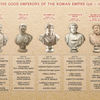](https://www.worldhistory.org/collection/184/ancient-rome-in-8-infographics/)Image Gallery#### [Ancient Rome in 8 Infographics](https://www.worldhistory.org/collection/184/ancient-rome-in-8-infographics/)
The culture of ancient Rome intricately blended laws, military values, and cultural innovations to lay the groundwork for a civilization that endured...
#### Editorial Review
This human-authored definition has been reviewed by our editorial team before publication to ensure accuracy, reliability and adherence to academic standards in accordance with our [editorial policy](https://www.worldhistory.org/static/editorial-policy/).
## Literaturverzeichnis
- [Adkins, L. & Adkins, R. A. *Handbook to Life in Ancient Rome.* Oxford University Press, 1998.](https://www.worldhistory.org/books/0195123328/)
- [Durant, W. *Caesar and Christ.* Simon & Schuster, 1980.](https://www.worldhistory.org/books/0671115006/)
- [Gibbon, E. *The History of the Decline and Fall of the Roman Empire.* Penguin, 2000.](https://www.worldhistory.org/books/B002XHNO8S/)
- [Grant, M. *Readings in the Classical Historians.* Scribner, 1993.](https://www.worldhistory.org/books/0684192454/)
- [Grant, M. *The Climax of Rome.* Weidenfeld, London, 1993.](https://www.worldhistory.org/books/0297813919/)
- [Harvey, B. K. *Daily Life in Ancient Rome.* Focus, 2016.](https://www.worldhistory.org/books/1585107956/)
- [Herwig, W. *History of the Goths.* University of California Press, 1988.](https://www.worldhistory.org/books/B001JL5UWW/)
- [Kelly, C. *The Roman Empire.* Oxford University Press, 2006.](https://www.worldhistory.org/books/0192803913/)
- [Lewis, J. E. *The Mammoth Book of Eyewitness Ancient Rome.* Running Press, 2003.](https://www.worldhistory.org/books/078671168X/)
- [Mellor, R. *The Historians of Ancient Rome.* Routledge, 2012.](https://www.worldhistory.org/books/0415527163/)
- [Polybius. *The Rise of the Roman Empire.* Penguin Classics, 1980.](https://www.worldhistory.org/books/0140443622/)
- [Tacitus. *Annals of Tacitus.* Cambridge University Press, 2001.](https://www.worldhistory.org/books/0521469961/)
- [The Roman Empire](http://www.roman-empire.net/ "The Roman Empire"), accessed 1 Dec 2016.
- [Titus Livy. *Livy's Histories.* Penguin Classics, 2002.](https://www.worldhistory.org/books/0140448098/)
## Autor
Joshua J. Mark ist Mitbegründer der WHE und ehemaliger Professor am Marist College in New York, wo er Geschichte, Philosophie, Literatur und Schreiben unterrichtet hat. Er ist weitgereist und hat in Griechenland und Deutschland gelebt.
- [Linkedin Profile](https://www.linkedin.com/pub/joshua-j-mark/38/614/339)
## Zeitleiste
- **753 BCE**: The legendary founding date of [Rome](https://www.worldhistory.org/Rome/).
- **212 BCE**: The Romans [conquer](https://www.worldhistory.org/warfare/) [Saguntum](https://www.worldhistory.org/Saguntum/) from the Carthaginians.
- **206 BCE - 205 BCE**: The Romans [conquer](https://www.worldhistory.org/warfare/) [Gades](https://www.worldhistory.org/Gades/). End of the Carthaginian presence on the Iberian Peninsula.
- **191 BCE**: [Delphi](https://www.worldhistory.org/delphi/) comes under [Roman](https://www.worldhistory.org/disambiguation/Roman/) control.
- **c. 191 BCE**: The [Achaean League](https://www.worldhistory.org/Achaean_League/) signs a treaty of alliance with [Rome](https://www.worldhistory.org/Rome/).
- **188 BCE**: [Rome](https://www.worldhistory.org/Rome/) gives [Samos](https://www.worldhistory.org/samos/) its independence.
- **166 BCE**: [Rome](https://www.worldhistory.org/Rome/) gives dominion over the [Cyclades](https://www.worldhistory.org/Cyclades/) to [Athens](https://www.worldhistory.org/Athens/).
- **c. 150 BCE**: Macedonia becomes a [Roman](https://www.worldhistory.org/disambiguation/Roman/) province.
- **150 BCE**: The Lusitani are betrayed and slaughtered by the Romans.
- **148 BCE**: [Corcyra](https://www.worldhistory.org/corcyra/) is made part of the [Roman](https://www.worldhistory.org/disambiguation/Roman/) province of Macedonia.
- **146 BCE**: [Thessalonica](https://www.worldhistory.org/Thessalonica/) is made the captial of the [Roman](https://www.worldhistory.org/disambiguation/Roman/) province of [Macedon](https://www.worldhistory.org/macedon/).
- **146 BCE**: End of the [Third Punic War](https://www.worldhistory.org/Third_Punic_War/). [Carthage](https://www.worldhistory.org/carthage/) is destroyed and its lands become the [Roman](https://www.worldhistory.org/disambiguation/Roman/) province [Africa](https://www.worldhistory.org/disambiguation/africa/).
- **146 BCE**: [Utica](https://www.worldhistory.org/Utica/) is made the capital of the [Roman](https://www.worldhistory.org/disambiguation/Roman/) province of [Africa](https://www.worldhistory.org/disambiguation/africa/).
- **133 BCE**: [Lydia](https://www.worldhistory.org/lydia/) and its captial [Sardis](https://www.worldhistory.org/sardis/) comes under [Roman](https://www.worldhistory.org/disambiguation/Roman/) rule.
- **129 BCE**: [Samos](https://www.worldhistory.org/samos/) becomes part of the [Roman](https://www.worldhistory.org/disambiguation/Roman/) province of Asia.
- **96 BCE**: Cyrenaica becomes a [Roman](https://www.worldhistory.org/disambiguation/Roman/) province.
- **74 BCE**: The [city](https://www.worldhistory.org/city/) of [Cyrene](https://www.worldhistory.org/cyrene/) comes under [Roman](https://www.worldhistory.org/disambiguation/Roman/) control.
- **64 BCE**: [Tyre](https://www.worldhistory.org/Tyre/) becomes a [Roman](https://www.worldhistory.org/disambiguation/Roman/) colony.
- **64 BCE**: [Byblos](https://www.worldhistory.org/Byblos/) conquered by the [Roman](https://www.worldhistory.org/disambiguation/Roman/) general [Pompey the Great](https://www.worldhistory.org/pompey/).
- **63 BCE**: [Jerash](https://www.worldhistory.org/Jerash/) in [Jordan](https://www.worldhistory.org/Jordan/) becomes part of the [Roman](https://www.worldhistory.org/disambiguation/Roman/) province of [Syria](https://www.worldhistory.org/syria/).
- **48 BCE**: [Butrint](https://www.worldhistory.org/Butrint/) formally becomes a [Roman](https://www.worldhistory.org/disambiguation/Roman/) colony.
- **44 BCE**: [Julius Caesar](https://www.worldhistory.org/Julius_Caesar/) founds the [Roman](https://www.worldhistory.org/disambiguation/Roman/) colony of [Corinth](https://www.worldhistory.org/corinth/).
- **41 BCE**: [Rome](https://www.worldhistory.org/Rome/) takes control over [Naxos](https://www.worldhistory.org/Naxos/) in the [Cyclades](https://www.worldhistory.org/Cyclades/).
- **37 BCE - 4 BCE**: Reign of [Herod the Great](https://www.worldhistory.org/Herod_the_Great/) over Judea.
- **31 BCE**: [Octavian](https://www.worldhistory.org/augustus/) uses [Corcyra](https://www.worldhistory.org/corcyra/) as a [Roman](https://www.worldhistory.org/disambiguation/Roman/) naval base.
- **30 BCE**: [Egypt](https://www.worldhistory.org/egypt/) becomes province of the [Roman Empire](https://www.worldhistory.org/Roman_Empire/).
- **30 BCE - 476 CE**: [Egypt](https://www.worldhistory.org/egypt/) remains a province of the [Roman Empire](https://www.worldhistory.org/Roman_Empire/).
- **27 BCE**: [Philippi](https://www.worldhistory.org/Philippi/) gains the honorary title of Colonia Iulia Augusta Philippensis.
- **c. 27 BCE**: [Augustus](https://www.worldhistory.org/augustus/) makes [Gortyn](https://www.worldhistory.org/Gortyn/) the capital of the [Roman](https://www.worldhistory.org/disambiguation/Roman/) province of [Crete](https://www.worldhistory.org/crete/) & [Cyrene](https://www.worldhistory.org/cyrene/).
- **27 BCE - 19 BCE**: Cantabrian Wars: [Roman](https://www.worldhistory.org/disambiguation/Roman/) [conquest](https://www.worldhistory.org/warfare/) of the Iberian Penninsula.
- **16 Jan 27 BCE**: [Octavian](https://www.worldhistory.org/augustus/) is given the title "[Augustus](https://www.worldhistory.org/augustus/)" by the [Roman Senate](https://www.worldhistory.org/Roman_Senate/), becoming Augustus [Caesar](https://www.worldhistory.org/disambiguation/caesar/), the first [Roman Emperor](https://www.worldhistory.org/Roman_Emperor/), ending the [Roman Republic](https://www.worldhistory.org/Roman_Republic/) and beginning the [Roman Empire](https://www.worldhistory.org/Roman_Empire/).
- **25 BCE**: [Galatia](https://www.worldhistory.org/galatia/) is peacefully absorbed into the [Roman Empire](https://www.worldhistory.org/Roman_Empire/).
- **14 BCE - 96 CE**: [Rome](https://www.worldhistory.org/Rome/) launches an extensive cultural patronage and construction programme in [Iberia](https://www.worldhistory.org/disambiguation/iberia/).
- **6 Mar 12 BCE**: [Augustus](https://www.worldhistory.org/augustus/) [Caesar](https://www.worldhistory.org/disambiguation/caesar/) is named High Priest (Pontifex Maximus), becoming the head of the College of Pontiffs in [Rome](https://www.worldhistory.org/Rome/) and uniting religious and political authority in one man as emperor and beginning the tradition of a [Roman Emperor](https://www.worldhistory.org/Roman_Emperor/) holding the title of High Priest until the late 4th century.
- **1 CE - 100 CE**: [Mithraism](https://www.worldhistory.org/Mithraic_Mysteries/) spreads in the [Roman empire](https://www.worldhistory.org/Roman_Empire/).
- **6 CE**: [Publius Quinctilius Varus](https://www.worldhistory.org/Publius_Quinctilius_Varus/) is made governor of Germania.
- **9 CE**: The Rhine River is established as the boundary between the Latin and German speaking worlds, following the defeat of the [Roman army](https://www.worldhistory.org/Roman_Army/), under the command of Varus, at the [Battle](https://www.worldhistory.org/disambiguation/battle/) of the Teutoburg Forest.
- **24 Jan 41 CE**: The [Roman Emperor](https://www.worldhistory.org/Roman_Emperor/) [Caligula](https://www.worldhistory.org/Caligula/) is assassinated in [Rome](https://www.worldhistory.org/Rome/) by members of the [Praetorian Guard](https://www.worldhistory.org/Praetorian_Guard/) with the support of the Senate.
- **43 CE**: Romans invade [Britain](https://www.worldhistory.org/disambiguation/Britain/) under Aulus Plautius.
- **43 CE**: [Claudius](https://www.worldhistory.org/claudius/) commences the [Roman](https://www.worldhistory.org/disambiguation/Roman/) [conquest](https://www.worldhistory.org/warfare/) of [Britain](https://www.worldhistory.org/disambiguation/Britain/).
- **43 CE - 47 CE**: Romans [conquer](https://www.worldhistory.org/warfare/) South [Britain](https://www.worldhistory.org/disambiguation/Britain/) and claim the territory as part of [Roman Empire](https://www.worldhistory.org/Roman_Empire/).
- **44 CE**: [Caesarea](https://www.worldhistory.org/disambiguation/Caesarea/) made capital of imperial province.
- **47 CE - 50 CE**: Londinium (London) founded, roads constructed.
- **51 CE**: [Briton](https://www.worldhistory.org/Ancient_Britain/) rebel leader [Caratacus](https://www.worldhistory.org/caratacus/) defeated, rebellion crushed.
- **54 CE - 60 CE**: [Roman](https://www.worldhistory.org/disambiguation/Roman/) general Corbulo successfully campaigns in [Armenia](https://www.worldhistory.org/armenia/).
- **11 Feb 55 CE**: The murder of [Tiberius](https://www.worldhistory.org/Tiberius/) [Claudius](https://www.worldhistory.org/claudius/) [Caesar](https://www.worldhistory.org/disambiguation/caesar/) [Britannicus](https://www.worldhistory.org/Britannicus/) by poison at a banquet in [Rome](https://www.worldhistory.org/Rome/) one day before his 14th birthday, orchestrated by his stepbrother, [Nero](https://www.worldhistory.org/Nero/), to remove him as a rival for the seat of power. Britannicus' [death](https://www.worldhistory.org/disambiguation/Death/) secured Nero's ascension as [Roman Emperor](https://www.worldhistory.org/Roman_Emperor/).
- **19 Apr 65 CE**: The Pisonian Conspiracy, a plot to kill [Roman Emperor](https://www.worldhistory.org/Roman_Emperor/) [Nero](https://www.worldhistory.org/Nero/), is betrayed by the freedman Milichus who was hoping for a handsome reward for informing on his former master and the others involved. Nero ordered the conspirators to either commit suicide or be executed, including the philosopher [Seneca](https://www.worldhistory.org/Seneca/) the Younger, while others were exiled, such as the stoic philosopher [Musonius Rufus](https://www.worldhistory.org/Musonius_Rufus/).
- **68 CE - 69 CE**: [Year of the Four Emperors](https://www.worldhistory.org/Year_of_the_Four_Emperors/): Civil [war](https://www.worldhistory.org/disambiguation/War/) in [Rome](https://www.worldhistory.org/Rome/).
- **9 Jun 68 CE**: [Roman Emperor](https://www.worldhistory.org/Roman_Emperor/) [Nero](https://www.worldhistory.org/Nero/) commits suicide after being declared a public enemy by the [Roman Senate](https://www.worldhistory.org/Roman_Senate/). His [death](https://www.worldhistory.org/disambiguation/Death/) ends the [Julio-Claudian dynasty](https://www.worldhistory.org/collection/111/julio-claudian-dynasty/) and leads to the [Year of the Four Emperors](https://www.worldhistory.org/Year_of_the_Four_Emperors/).
- **16 Apr 73 CE**: The mountain fortress of [Masada](https://www.worldhistory.org/Masada/), in present-day [Israel](https://www.worldhistory.org/disambiguation/Israel/), falls to the Romans after a long siege during the First Jewish Revolt. After breaking through the [wall](https://www.worldhistory.org/wall/) with a battering ram, the Romans found the 960 Jewish defenders had killed themselves rather than be taken prisoner.
- **75 CE - 77 CE**: Romans defeat the last of the Northern tribes; [Roman](https://www.worldhistory.org/disambiguation/Roman/) [conquest](https://www.worldhistory.org/warfare/) of [Britain](https://www.worldhistory.org/disambiguation/Britain/) complete.
- **76 CE - 138 CE**: Life of Emperor [Hadrian](https://www.worldhistory.org/hadrian/).
- **85 CE - 86 CE**: Dacians invade Moesia and defeat the Romans.
- **86 CE**: The [Roman](https://www.worldhistory.org/disambiguation/Roman/) general Cornelius Fuscus invades [Dacia](https://www.worldhistory.org/dacia/). He is ambushed and his army is annihilated.
- **88 CE**: Resolved to avenge Fuscus' defeat, [Domitian](https://www.worldhistory.org/domitian/) sends another army to [Dacia](https://www.worldhistory.org/dacia/) under Tettius Iulianus. This general is victorious on the mountainous pass of Tapae, in the south-west of modern Romania.
- **27 Jan 98 CE**: [Trajan](https://www.worldhistory.org/trajan/) succeeds [Nerva](https://www.worldhistory.org/Nerva/) as [Roman Emperor](https://www.worldhistory.org/Roman_Emperor/), reigning until 117, and now recognized as the second of the "Five Good Emperors.".
- **101 CE - 106 CE**: [Trajan](https://www.worldhistory.org/trajan/) conquers [Dacia](https://www.worldhistory.org/dacia/).
- **106 CE**: [Jerash](https://www.worldhistory.org/Jerash/) in [Jordan](https://www.worldhistory.org/Jordan/) becomes part of the [Roman](https://www.worldhistory.org/disambiguation/Roman/) province of [Arabia](https://www.worldhistory.org/Arabia/).
- **115 CE - 117 CE**: [Rome](https://www.worldhistory.org/Rome/) occupies [Mesopotamia](https://www.worldhistory.org/Mesopotamia/).
- **116 CE**: Invasion and annexation of the [Fertile Crescent](https://www.worldhistory.org/Fertile_Crescent/) region by [Rome](https://www.worldhistory.org/Rome/) under [Trajan](https://www.worldhistory.org/trajan/).
- **11 Aug 117 CE - 10 Jul 138 CE**: Reign of [Roman Emperor](https://www.worldhistory.org/Roman_Emperor/) [Hadrian](https://www.worldhistory.org/hadrian/).
- **121 CE - 125 CE**: First trip of [Hadrian](https://www.worldhistory.org/hadrian/) around the [Empire](https://www.worldhistory.org/empire/): [Gaul](https://www.worldhistory.org/gaul/), Germania, Noricum, [Britain](https://www.worldhistory.org/disambiguation/Britain/), Cappadocia, [Galatia](https://www.worldhistory.org/galatia/), Bithynia, Asia, [Greece](https://www.worldhistory.org/greece/), Moesia, [Dacia](https://www.worldhistory.org/dacia/), and Pannonia.
- **26 Apr 121 CE - 17 Mar 180 CE**: Life of [Marcus Aurelius](https://www.worldhistory.org/Marcus_Aurelius/).
- **25 Feb 138 CE**: [Roman Emperor](https://www.worldhistory.org/Roman_Emperor/) [Hadrian](https://www.worldhistory.org/hadrian/) adopts [Antoninus Pius](https://www.worldhistory.org/Antoninus_Pius/) as his son and successor, ensuring a smooth transition of power after his [death](https://www.worldhistory.org/disambiguation/Death/) in July of that same year. Antoninus Pius would do the same in adopting [Marcus Aurelius](https://www.worldhistory.org/Marcus_Aurelius/), the last of the Five Good Emperors of [Rome](https://www.worldhistory.org/Rome/).
- **10 Jul 138 CE**: [Roman Emperor](https://www.worldhistory.org/Roman_Emperor/) [Hadrian](https://www.worldhistory.org/hadrian/) dies at the age of 62 at his villa near Naples, in the region of modern-[Italy](https://www.worldhistory.org/italy/), most likely from heart failure, naming [Antoninus Pius](https://www.worldhistory.org/Antoninus_Pius/) as his successor and continuing the line of the "Five Good Emperors of [Rome](https://www.worldhistory.org/Rome/)" that ended with Pius' successor, [Marcus Aurelius](https://www.worldhistory.org/Marcus_Aurelius/).
- **142 CE**: The [Antonine Wall](https://www.worldhistory.org/Antonine_Wall/) built under [Antoninus Pius](https://www.worldhistory.org/Antoninus_Pius/), north of [Hadrian's Wall](https://www.worldhistory.org/Hadrians_Wall/).
- **165 CE - 167 CE**: [Plague](https://www.worldhistory.org/disambiguation/plague/) epidemic in the [Roman empire](https://www.worldhistory.org/Roman_Empire/).
- **167 CE**: Marcomanni sack [Aquileia](https://www.worldhistory.org/aquileia/).
- **167 CE - 180 CE**: Marcomannic Wars.
- **168 CE**: Germanic tribes cross the Danube into the [Roman Empire](https://www.worldhistory.org/Roman_Empire/).
- **17 Mar 180 CE**: [Commodus](https://www.worldhistory.org/commodus/) becomes Emperor of [Rome](https://www.worldhistory.org/Rome/) following the [death](https://www.worldhistory.org/disambiguation/Death/) of his father, [Marcus Aurelius](https://www.worldhistory.org/Marcus_Aurelius/). Famously depicted as a villain in the popular film [Gladiator](https://www.worldhistory.org/gladiator/), Commodus ruled poorly and was assassinated in 192.
- **192 CE**: Emperor [Commodus](https://www.worldhistory.org/commodus/) is murdered, civil [war](https://www.worldhistory.org/disambiguation/War/) ensues (until 197 CE).
- **195 CE**: First Parthian [war](https://www.worldhistory.org/disambiguation/War/).
- **197 CE - 198 CE**: Second Parthian [war](https://www.worldhistory.org/disambiguation/War/).
- **198 CE - 209 CE**: Reign of [Caracalla](https://www.worldhistory.org/Caracalla/) with his father [Septimius Severus](https://www.worldhistory.org/Septimius_Severus/).
- **200 CE**: Completion of the [Roman](https://www.worldhistory.org/disambiguation/Roman/) road system.
- **c. 204 CE - 270 CE**: Life of [Plotinus](https://www.worldhistory.org/Plotinus/).
- **209 CE - Dec 211 CE**: Reign of [Caracalla](https://www.worldhistory.org/Caracalla/) with his father [Septimius Severus](https://www.worldhistory.org/Septimius_Severus/) and his brother Geta (Feb - Dec 211 only with Geta).
- **4 Feb 211 CE**: [Roman Emperor](https://www.worldhistory.org/Roman_Emperor/) [Septimius Severus](https://www.worldhistory.org/Septimius_Severus/) dies of illness while on campaign in [Britain](https://www.worldhistory.org/disambiguation/Britain/). His sons [Caracalla](https://www.worldhistory.org/Caracalla/) and Geta succeed him as co-emperors until December 211 when Caracalla has Geta assassinated, along with an estimated 20,000 of his supporters and friends, to assume full control of the [Roman Empire](https://www.worldhistory.org/Roman_Empire/).
- **212 CE**: [Caracalla](https://www.worldhistory.org/Caracalla/)'s edict grants [Roman citizenship](https://www.worldhistory.org/article/859/roman-citizenship/) to all free inhabitants of the [Roman Empire](https://www.worldhistory.org/Roman_Empire/).
- **212 CE**: [Rome](https://www.worldhistory.org/Rome/) withdraws from region of [Scotland](https://www.worldhistory.org/disambiguation/Scotland/).
- **212 CE**: [Roman citizenship](https://www.worldhistory.org/article/859/roman-citizenship/) granted to all inhabitants of the [empire](https://www.worldhistory.org/empire/).
- **8 Apr 217 CE**: [Roman Emperor](https://www.worldhistory.org/Roman_Emperor/) [Caracalla](https://www.worldhistory.org/Caracalla/) is assassinated while traveling between [Edessa](https://www.worldhistory.org/edessa/) and Carrhae on campaign against the [Parthian Empire](https://www.worldhistory.org/Parthia_(Empire)/). Stopping on the road to relieve himself, he was stabbed by the soldier Justin Martialis, most likely acting on orders from Praetorian prefect [Macrinus](https://www.worldhistory.org/Macrinus/), who succeeded Caracalla three days later.
- **232 CE**: Emperor [Maximinus Thrax](https://www.worldhistory.org/Maximinus_Thrax/) commands a legion in [Egypt](https://www.worldhistory.org/egypt/).
- **234 CE**: Emperor [Maximinus Thrax](https://www.worldhistory.org/Maximinus_Thrax/) is governor of [Mesopotamia](https://www.worldhistory.org/Mesopotamia/).
- **238 CE**: Year of the Six Emperors in the [Roman Empire](https://www.worldhistory.org/Roman_Empire/).
- **242 CE**: Osroene, with its capital at [Edessa](https://www.worldhistory.org/edessa/), is made into a [Roman](https://www.worldhistory.org/disambiguation/Roman/) province.
- **250 CE**: [Thessalonica](https://www.worldhistory.org/Thessalonica/) is made a [Roman](https://www.worldhistory.org/disambiguation/Roman/) colony.
- **260 CE**: [Shapur I](https://www.worldhistory.org/Shapur_I/) captures the [Roman emperor](https://www.worldhistory.org/Roman_Emperor/) [Valerian](https://www.worldhistory.org/valerian/) at [Edessa](https://www.worldhistory.org/edessa/).
- **261 CE**: [Thugga](https://www.worldhistory.org/Dougga/) is made a [Roman](https://www.worldhistory.org/disambiguation/Roman/) colonia.
- **262 CE - 266 CE**: Odaenathus expels Persian garrisons and restores [Syria](https://www.worldhistory.org/syria/) and [Armenia](https://www.worldhistory.org/armenia/) to the [Roman Empire](https://www.worldhistory.org/Roman_Empire/). Odaenathus invades [Mesopotamia](https://www.worldhistory.org/Mesopotamia/), and inflicts two defeats upon [Shapur I](https://www.worldhistory.org/Shapur_I/), which ends with the sack of [Ctesiphon](https://www.worldhistory.org/ctesiphon/).
- **Sep 270 CE - c. Sep 275 CE**: Reign of [Roman emperor](https://www.worldhistory.org/Roman_Emperor/) [Aurelian](https://www.worldhistory.org/Aurelian/).
- **271 CE**: [Aurelian](https://www.worldhistory.org/Aurelian/) defends the [Roman Empire](https://www.worldhistory.org/Roman_Empire/) against Juthungi, Alamanni, and Marcomanni incursions.
- **272 CE - 273 CE**: [Aurelian](https://www.worldhistory.org/Aurelian/) successfully campaigns against Palmyra.
- **285 CE**: The [Roman empire](https://www.worldhistory.org/Roman_Empire/) is split into the Western and Eastern [Roman](https://www.worldhistory.org/disambiguation/Roman/) empires.
- **23 Feb 303 CE**: [Roman Emperor](https://www.worldhistory.org/Roman_Emperor/) [Diocletian](https://www.worldhistory.org/Diocletian/) orders the church at Nicomedia razed to the ground, all documents held there burned, and anything of value seized, beginning eight years of the Great Persecution (Diocletianic Persecution) of Christians in the [Roman Empire](https://www.worldhistory.org/Roman_Empire/).
- **312 CE**: [Roman emperor](https://www.worldhistory.org/Roman_Emperor/) [Constantine I](https://www.worldhistory.org/Constantine_I/) tolerates [Christianity](https://www.worldhistory.org/christianity/).
- **27 Oct 312 CE**: According to tradition, on the evening before the [Battle](https://www.worldhistory.org/disambiguation/battle/) of the Milvian Bridge between [Constantine I](https://www.worldhistory.org/Constantine_I/) and Maxentius over who would rule the [Roman Empire](https://www.worldhistory.org/Roman_Empire/), [Constantine](https://www.worldhistory.org/disambiguation/Constantine/) received a vision from [God](https://www.worldhistory.org/God/) telling him to put "the heavenly sign" on the shields of his soldiers for victory. Constantine believed the vision, had the shields painted with the sign (probably the Chi-Rho) and won the battle. The event is often referenced as the Vision of the Cross.
- **28 Oct 312 CE**: The [Battle](https://www.worldhistory.org/disambiguation/battle/) of the Milvian Bridge is fought between emperors [Constantine I](https://www.worldhistory.org/Constantine_I/) and Maxentius for control of the [Roman Empire](https://www.worldhistory.org/Roman_Empire/), ending in a victory for [Constantine](https://www.worldhistory.org/disambiguation/Constantine/) I who, in gratitude for a vision of victory he claimed to have received from [God](https://www.worldhistory.org/God/) the night before, ends the persecution of Christians and, eventually, paves the way for [Christianity](https://www.worldhistory.org/christianity/) to become the state [religion](https://www.worldhistory.org/religion/).
- **7 Mar 321 CE**: [Roman Emperor](https://www.worldhistory.org/Roman_Emperor/) [Constantine I](https://www.worldhistory.org/Constantine_I/) declares "The Venerable Day of the Sun" a day of rest, thereby establishing Sunday and the tradition of not working on the first day of the week.
- **337 CE**: Ascension of [Constantius II](https://www.worldhistory.org/Constantius_II/).
- **337 CE**: [Death](https://www.worldhistory.org/disambiguation/Death/) of Emperor [Constantine I](https://www.worldhistory.org/Constantine_I/).
- **19 Feb 356 CE**: [Roman Emperor](https://www.worldhistory.org/Roman_Emperor/) [Constantius II](https://www.worldhistory.org/Constantius_II/) issues his decree ordering the closure of all pagan temples in the [Roman Empire](https://www.worldhistory.org/Roman_Empire/) and prohibiting pagan rites associated with the former state [religion](https://www.worldhistory.org/religion/) of [Rome](https://www.worldhistory.org/Rome/). Contrary to popular opinion, this decree did not result in the immediate closure of pagan sites which took some time to go into effect.
- **361 CE**: [Death](https://www.worldhistory.org/disambiguation/Death/) of [Constantius II](https://www.worldhistory.org/Constantius_II/).
- **5 Mar 363 CE**: [Roman Emperor](https://www.worldhistory.org/Roman_Emperor/) Julian marches from [Antioch](https://www.worldhistory.org/Antiochia/) with 90,000 troops to invade the [Sassanian Empire](https://www.worldhistory.org/Sasanian_Empire/), ignoring bad omens, and is later mortally wounded, dying in June 363.
- **367 CE**: [Picts](https://www.worldhistory.org/picts/), Scots, [Saxons](https://www.worldhistory.org/Saxons/), and [Franks](https://www.worldhistory.org/Franks/) attack the [Roman Empire](https://www.worldhistory.org/Roman_Empire/).
- **376 CE**: The [Visigoths](https://www.worldhistory.org/visigoth/) are fleeing the [Huns](https://www.worldhistory.org/Huns/), entering the [Eastern Roman Empire](https://www.worldhistory.org/Byzantine_Empire/).
- **9 Aug 378 CE**: The [Battle of Adrianople](https://www.worldhistory.org/Battle_of_Adrianople/) is fought near Adrianople (modern-day Edirne, [Turkey](https://www.worldhistory.org/Asia_Minor/)) during the Gothic [War](https://www.worldhistory.org/disambiguation/War/) of 376-382 between the [Goths](https://www.worldhistory.org/Goths/) and their allies under [Fritigern](https://www.worldhistory.org/Fritigern/) and the forces of the [Eastern Roman Empire](https://www.worldhistory.org/Byzantine_Empire/) under Emperor Valens, ending in a resounding victory for the Goths and the [death](https://www.worldhistory.org/disambiguation/Death/) of Valens. The [battle](https://www.worldhistory.org/disambiguation/battle/) is often cited as the beginning of the end of the [Western Roman Empire](https://www.worldhistory.org/Western_Roman_Empire/).
- **391 CE**: Emperor Theodosius I closes pagan temples.
- **1 Jan 404 CE**: Christian [Roman Emperor](https://www.worldhistory.org/Roman_Emperor/) Honorius bans gladiatorial games after Saint Telemachus is stoned to [death](https://www.worldhistory.org/disambiguation/Death/) in an amphitheater when he tries to break up a fight between gladiators. Honorius' ban ends the traditional games in the [Roman Empire](https://www.worldhistory.org/Roman_Empire/).
- **410 CE**: [Rome](https://www.worldhistory.org/Rome/) withdraws forces from [Britain](https://www.worldhistory.org/disambiguation/Britain/).
- **410 CE**: The Romans withdraw from [Britain](https://www.worldhistory.org/disambiguation/Britain/).
- **24 Aug 410 CE**: The traditional date given for the sack of [Rome](https://www.worldhistory.org/Rome/) by the [Visigoths](https://www.worldhistory.org/visigoth/) under their king [Alaric](https://www.worldhistory.org/Alaric/) I. Rome was no longer the administrative capital of the [Western Roman Empire](https://www.worldhistory.org/Western_Roman_Empire/) but still held symbolic meaning and its sack was an enormous blow to the morale of the people, considered by modern historians as a pivotal event in the decline and [fall of the Western Roman Empire](https://www.worldhistory.org/article/835/fall-of-the-western-roman-empire/).
- **426 CE**: [Roman Emperor](https://www.worldhistory.org/Roman_Emperor/) Theodosius II orders closure of [Epidaurus](https://www.worldhistory.org/epidaurus/) sanctuary.
- **439 CE**: [Vandals](https://www.worldhistory.org/Vandals/) take [Carthage](https://www.worldhistory.org/carthage/) from the [Western Roman Empire](https://www.worldhistory.org/Western_Roman_Empire/) and make it their new capital.
- **16 Mar 455 CE**: Western [Roman Emperor](https://www.worldhistory.org/Roman_Emperor/) Valentinian III is assassinated by two of his bodyguards while practicing archery in the Campus Martius in [Rome](https://www.worldhistory.org/Rome/). His assassins were formerly in the service of General Flavius Aetius and killed him to avenge their general's [death](https://www.worldhistory.org/disambiguation/Death/).
- **523 CE**: Emperor Justinian seizes [Caesarea](https://www.worldhistory.org/disambiguation/Caesarea/).
- **565 CE**: [Death](https://www.worldhistory.org/disambiguation/Death/) of [Justinian I](https://www.worldhistory.org/Justinian_I/) after 38 years ruling the [Roman Empire](https://www.worldhistory.org/Roman_Empire/).
- **17 Feb 1776 CE**: The first volume of [Edward Gibbon](https://www.worldhistory.org/Edward_Gibbon/)'s monumental work \*The History of the Decline and Fall of the [Roman Empire](https://www.worldhistory.org/Roman_Empire/)\* is published and becomes an instant best-seller and the most influential work on the [Roman](https://www.worldhistory.org/disambiguation/Roman/) [Empire](https://www.worldhistory.org/empire/) up through the 20th century. The six volumes were published between 1776-1789.
## Fragen und Antworten
### In welchem Zeitraum bestand das Römische Reich?
Das Römische Reich entstand im Jahr 27 v. Chr. und ging im Westen im Jahr 476 n. Chr. unter. Im Osten hatte es bis zum Jahr 1453 Bestand.
### Wer war der erste Kaiser Roms?
Augustus regierte von 27 v. Chr. bis 14 n. Chr. als erster Kaiser Roms.
### Wer waren die fünf guten Kaiser Roms?
Die sogenannten fünf guten Kaiser Roms waren: Nerva, Trajan, Hadrian, Antoninus Pius und Mark Aurel, die zwischen 96 und 180 n. Chr. regierten.
### Warum ging das Römische Reich unter?
Das Weströmische Reich verfiel und ging im Jahr 476 n. Chr. aus vielen Gründen unter, darunter: politische Instabilität, religiöse und kulturelle Instabilität, Korruption in der Regierung, übermäßige Abhängigkeit von Sklavenarbeit, Söldnerarmeen, Arbeitslosigkeit und Inflation sowie Einfälle barbarischer Stämme. Im Osten fiel das Reich im Jahr 1453 an die Osmanen.
## Externe Links
- [Roman Empire - KS2 History - BBC Bitesize](https://www.bbc.com/bitesize/topics/zwmpfg8)
- [Interactive Map of the Roman Empire and Celtic Lands](http://resourcesforhistory.com/map.htm)
- [40 maps that explain the Roman Empire](http://www.vox.com/2014/8/19/5942585/40-maps-that-explain-the-roman-empire)
- [following hadrian photography](https://followinghadrianphotography.com/)
- [The Fall of Rome Podcast](https://fallofromepodcast.wordpress.com/)
- [ORBIS: The Stanford Geospatial Network Model of the Roman World](http://orbis.stanford.edu/)
- [The History of Rome](https://thehistoryofrome.typepad.com/)
- [Rome Project](http://blogs.dalton.org/rome/)
- [10 Innovations That Built Ancient Rome](https://www.history.com/news/10-innovations-that-built-ancient-rome)
- [mariamilani Ancient Rome](https://mariamilani.com/ancient_rome/ancient_roman_inventions.htm)
- [Smith College Museum of Ancient Inventions: Sarculum](https://www.smith.edu/hsc/museum/ancient_inventions/hoe2.html)
- [Inventions and Discoveries](http://thegreatestempire.weebly.com/inventions-and-discoveries.html)
- [What was it like in Roman Britain?](https://www.bbc.com/bitesize/articles/ztqg4wx)
- [The Roman Army and warfare](https://www.historylearningsite.co.uk/ancient-rome/the-roman-army-and-warfare/)
- [mariamilani Ancient Rome](https://mariamilani.com/ancient_rome/Ancient_Roman_Medicine.htm)
- [Medicine and Health in Ancient Rome](https://www.unrv.com/medicine.php)
- [Account Suspended](http://www.the-romans.co.uk/women.htm)
- [15 Interesting Women of Ancient Rome](http://listverse.com/2011/10/20/15-interesting-women-of-ancient-rome/)
- [What was life like in ancient Rome?](https://www.bbc.com/bitesize/articles/z2sm6sg)
- [7 Major Emperors During the Rise of the Roman Empire](https://online.norwich.edu/academic-programs/resources/7-major-emperors-during-the-rise-of-the-roman-empire )
- [The Roman Empire | The Complete Illustrated History](https://roman-empire.net/)
- [List of Rulers of the Roman Empire | Lists of Rulers | Heilbrunn Timeline of Art History | The Metropolitan Museum of Art](https://www.metmuseum.org/toah/hd/roru/hd_roru.htm)
- [The Roman Empire (27 B.C.–393 A.D.) | Essay | The Metropolitan Museum of Art | Heilbrunn Timeline of Art History](https://www.metmuseum.org/toah/hd/roem/hd_roem.htm)
## Dieses Werk zitieren
### APA
Mark, J. J. (2026, July 24). Römisches Reich. (M. Wrackmeyer, Übersetzer). *World History Encyclopedia*.
### Chicago
Mark, Joshua J.. "Römisches Reich." Übersetzt von Marina Wrackmeyer. *World History Encyclopedia*, July 24, 2026. .
### MLA
Mark, Joshua J.. "Römisches Reich." Übersetzt von Marina Wrackmeyer. *World History Encyclopedia*, 24 Jul 2026, .
## Lizenz und Copyright
Eingereicht von [Marina Wrackmeyer](https://www.worldhistory.org/user/m.wrackmeyer/ "User Page: Marina Wrackmeyer"), veröffentlicht am 24 July 2026. Bitte prüfen Sie die Originalquelle(n) auf Urheberrechtsinformationen. Bitte beachten Sie, dass von dieser Seite verlinkte Inhalte andere Lizenzbedingungen haben können.