---
title: আখামেনীয় সাম্রাজ্য
author: Jan van der Crabben
translator: Tuli Banerjee
source: https://www.worldhistory.org/trans/bn/1-322/
format: machine-readable-alternate
updated: 2026-01-06
---
# আখামেনীয় সাম্রাজ্য
লিখেছেন [Jan van der Crabben](https://www.worldhistory.org/user/jvdc/)_
অনুবাদ করেছেন [Tuli Banerjee](https://www.worldhistory.org/user/tulibanerjee)_
জাগ্রোস পর্বতমালার পূর্বে, একটি উঁচু মালভূমি ভারতের দিকে বিস্তৃত। মিশর যখন হাইকসোসের বিরুদ্ধে উত্থান করছিল, তখন কাস্পিয়ান সাগরের উত্তর দিক থেকে পশুপালক উপজাতিদের একটি ঢেউ এই অঞ্চলে এবং পেরিয়ে ভারতে প্রবাহিত হচ্ছিল। অ্যাসিরিয়ানরা যখন তাদের নতুন [সাম্রাজ্য](https://www.worldhistory.org/trans/bn/1-99/) তৈরি করেছিল, তখন দ্বিতীয় তরঙ্গ জাগ্রোস এবং হিন্দু কুশের মধ্যবর্তী পুরো প্রসার জুড়ে ছিল। কিছু উপজাতি বসতি স্থাপন করেছিল, অন্যরা তাদের আধা-যাযাবর জীবনধারা বজায় রেখেছিল। এরা ছিল ইরানি জনগণ।
### যাযাবর উপজাতি
পুলিশ এবং আইন আদালতের অভাব থাকা সমস্ত যাযাবর জনগণের মতো, ইরানী উপজাতিদের জন্য একটি সম্মানের কোড ছিল এবং তাদের ধর্মীয় বিশ্বাস কৃষকদের থেকে আলাদা ছিল। যেখানে মিশর এবং [মেসোপটেমিয়া](https://www.worldhistory.org/trans/bn/1-34/)র কৃষকরা প্রকৃতির দেবতাদের নগর অভিভাবকে রূপান্তরিত করেছিল, ইরানিরা তাদের কয়েকটি সার্বজনীন নীতিতে পাতন করতে শুরু করেছিল। জরথুষ্ট্র, যিনি প্রায় 1000 খ্রিস্টপূর্বাব্দে বাস করতেন, এই প্রক্রিয়াটি চালিয়েছিলেন। তাঁর কাছে একমাত্র ঈশ্বর ছিলেন সৃষ্টিকর্তা, আহুরা মাজদা, যিনি আলো, শৃঙ্খলা, সত্যের আবহনকারী ছিলেন; সেই আইন বা যুক্তি যার দ্বারা পৃথিবী গঠিত হয়েছিল। এমনকি যারা জরথুষ্ট্রীয়দের অনুশীলন করছিলেন না [তারা](https://www.worldhistory.org/trans/bn/1-19947/)ও এমন একটি [সংস্কৃত](https://www.worldhistory.org/trans/bn/1-12138/)ি দ্বারা আকার ধারণ করেছিলেন যা সত্য বলার মতো সাধারণ নৈতিক ধারণাগুলিকে মূল্য দেয়।
#### Book Extract
[](https://www.worldhistory.org/books/162008287X/ "Atlas of Empires")### Atlas of Empires
by Peter Davidson This article is an extract from the book *Atlas of Empires*, republished with permission. This book tells the story of how and why the great empires of history came into being, operated and ultimately declined, and discusses the future of the empire in today's globalized world. [Buy on Amazon](https://amzn.to/2x9l3u3) [Buy on Bookdepository](https://www.bookdepository.com/Atlas-Empires-Peter-Davidson/9781620082874?a_aid=ahe)
.sponsor.book img.key_art {
box-shadow: none !important;
}
.button_container {
margin-top: 1em;
}
.sponsor.book h3 {
text-transform: none;
margin-top: 0px;
margin-bottom: 15px;
font-family: "Libre Baskerville", "Palatino Linotype", "Book Antiqua", Palatino, serif;
}
.sponsor_message {
margin-left: 190px;
font-family: Karla, Arial, Helvetica, sans-serif;
line-height: 140%;
min-height: 200px;
}
.sponsor.book {
padding: 20px;
margin: 25px 0px;
background-color: #f3f3f3;
}
.sponsor.book .key_art {
margin-top: 0px;
margin-bottom: 10px;
float: left;
}
.sponsor h4 {
font-weight: bold;
text-transform: uppercase;
color: #000;
margin-bottom: 10px;
margin-top: 0px;
font-family: Karla,Arial,Helvetica,sans-serif;
font-size: 13px;
padding: 0;
}
.sponsor_book_author {
color: #999;
margin: -10px 0px 20px;
}
@media (max-width: 1199px) {
.sponsor.book .key_art {
float: none;
width: 100%;
}
.sponsor.book .sponsor_message {
margin-left: 0px;
}
.sponsor.book h3 {
margin-top: 20px;
margin-bottom: 10px;
}
}
@media (max-width: 767px) {
}
কিছু অঞ্চলে, একটি উপজাতি তার নেতৃত্বে অন্যান্য উপজাতিদের একটি সংগ্রহ সংগ্রহ করতে সক্ষম হত। মেদীরা ছিল এরকম একজন। তারা পূর্ব জাগ্রোসের একবাতানা ('সভাস্থল') এ একটি রাজধানী তৈরি করেছিল যেখান থেকে তারা তাদের ক্ষমতা প্রসারিত করেছিল। খ্রিস্টপূর্ব 612 সালে, মেডিসের রাজা সায়াক্সারেস ক্যালডিয়ানদের সাথে [নিনেভে](https://www.worldhistory.org/trans/bn/1-294/)তে আক্রমণ করেছিলেন, যার পরে তিনি উত্তর-পশ্চিমে ধাক্কা দিয়েছিলেন। খ্রিস্টপূর্ব 585 সালে, মেডিরা হ্যালিস নদীতে লিডিয়ানদের সাথে লড়াই করছিল যখন একটি সূর্যগ্রহণ উভয় পক্ষকে শান্তি স্থাপনে ভয় দেখায়। এর পরপরই, সায়াক্সারেস তার পুত্র অ্যাস্টিয়েজেসের (585-550 খ্রিস্টপূর্বাব্দ) কাছে এক ধরণের সাম্রাজ্য রেখে মারা যান।
যে অঞ্চলগুলিতে উপজাতিরা মাদীদের শ্রদ্ধা নিবেদন করেছিল তার মধ্যে একটি ছিল পারস্য, যা এলামের ওপারে ইকবাতানার দক্ষিণ-পূর্বে অবস্থিত। পারস্যে প্রায় 10 বা 15 টি উপজাতি ছিল, যার মধ্যে একটি ছিল পাসারগাদে। পাসারগাদারের নেতা সর্বদা আখামেনিড বংশ থেকে এসেছিলেন এবং খ্রিস্টপূর্বাব্দ 559 সালে, একজন নতুন নেতা নির্বাচিত হয়েছিল: সাইরাস দ্বিতীয় ('মহান')।
### সাইরাস দ্বিতীয়
আমাদের বলা হয়েছে যে সাইরাস তার মায়ের পক্ষে অ্যাস্টিয়েজের নাতি ছিলেন, তবে এটি তাকে মেডিয়ান জোয়াল ঝেড়ে ফেলতে চাওয়াকে থামাতে পারেনি। খ্রিস্টপূর্ব 552 এর মধ্যে, তিনি পারস্য উপজাতিদের একটি ফেডারেশনে পরিণত করেছিলেন এবং ধারাবাহিক বিদ্রোহ শুরু করেছিলেন। খ্রিস্টপূর্ব 550 সালে যখন তার দাদার সাথে অনিবার্য শোডাউন এসেছিল, তখন মেডিয়ারা বিদ্রোহ করেছিল এবং সাইরাসের সাথে একবাটানার দিকে যাত্রা করার জন্য যোগ দিয়েছিল।
সাইরাস 'পারস্যের শাহ' উপাধি গ্রহণ করেছিলেন এবং তার বিজয়ের স্থানে একটি রাজধানী তৈরি করেছিলেন, যাকে তিনি তার গোত্রের নামে পাসারগাদা নামে অভিহিত করেছিলেন। তবে মাদিয়াদের জয় করার ফলে সাইরাস অগণিত বিভিন্ন জাতির একটি অস্পষ্ট, বিস্তৃত সাম্রাজ্যের সাথে অবতরণ করেছিল। তিনি সাংস্কৃতিক বৈচিত্র্য, সন্দেহ এবং সরাসরি শত্রুতার মুখোমুখি হয়েছিলেন। লুদিয়া ও ক্যালডিয়ান বাবিলের মাদীদের সঙ্গে চুক্তি হয়েছিল; পারস্য দখলের বিষয়ে কেউই স্বাচ্ছন্দ্য বোধ করেননি।
[ 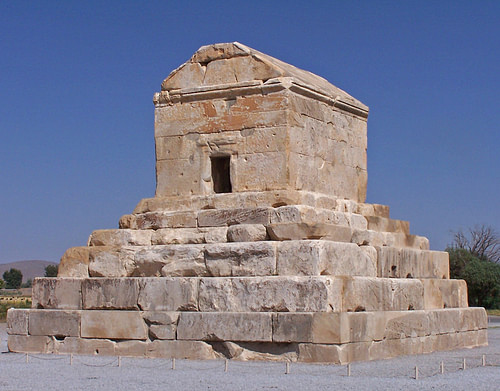 সাইরাসের সমাধি Sebastià Giralt (CC BY-SA) ](https://www.worldhistory.org/image/264/tomb-of-cyrus/ "Tomb of Cyrus")লিডিয়া জিতেছিলেন কারণ সাইরাস নিয়ম অনুসারে খেলেননি। এক শরৎকালে হ্যালিস নদীর কাছে একটি সিদ্ধান্তহীন যুদ্ধের পরে, রাজা ক্রোয়েসাস (আনুমানিক 560 - খ্রিস্টপূর্বাব্দ 546) প্রথা অনুসারে বসন্তে পুনরায় লড়াই শুরু করার প্রত্যাশায় সার্ডিসে ফিরে এসেছিলেন। কিন্তু সাইরাস তাকে অনুসরণ করে বাড়িতে যান এবং সার্দিস দখল করেন, যা লিডিয়ার রাজধানী এবং আয়নিয়ান শহরগুলির মধ্যে সবচেয়ে ধনী ছিল। এক শতাব্দী আগে, লিডিয়া প্রথম মুদ্রা তৈরি করেছিল, যা আইওনিয়াকে বাণিজ্যের কেন্দ্র করে তুলেছিল। এখন এই সমস্ত কিছু কোরাসের উপর পড়েছিল।
ক্রোয়েসাসের ক্ষেত্রে, মনে হচ্ছে সাইরাস তার জীবন বাঁচিয়েছেন, আবার সমস্ত নজির বিপরীতে। কোরস বিজিত শাসকদের রেহাই দেওয়ার জন্য খ্যাতি অর্জন করেছিলেন, যাতে কীভাবে তাদের জমি শাসন করা যায় সে বিষয়ে তিনি তাদের পরামর্শ চাইতে পারেন। এই খ্যাতির কতটুকু নিশ্চিত ছিল তা জানা মুশকিল, তবে সাইরাসের আগে কেউই এটি চাইত না; এটা দুর্বলতার লক্ষণ হতে পারত।
### অনেক জাতির সাম্রাজ্য
এর বিপরীতে, কোরস সহযোগিতাকে এক শক্তি হিসেবে দেখেছিলেন, বিশেষ করে যখন প্রধান পুরস্কার হল [ব্যাবিলন](https://www.worldhistory.org/trans/bn/1-53/) পাওয়ার বিষয়ে। বিশ্বের সর্বশ্রেষ্ঠ শহর জোর করে দখল করার চেষ্টা না করে কোরস এর রাজা নাবোনিডাসের অজনপ্রিয়তাকে কাজে লাগানোর জন্য এক প্রচারণা চালিয়েছিলেন। এই বার্তা ছিল কোরাসের কাছে বাবিলের ঐতিহ্য আরও নিরাপদ হবে। তিনি শহরে প্রবেশ করার সময় দরজাগুলি খুলে দেওয়া হয়েছিল এবং খেজুর গাছগুলি তাঁর সামনে রাখা হয়েছিল।
একবার বাবেলে গেলে, কোরস সেই ধর্মীয় অনুষ্ঠানগুলো পালন করেছিলেন, যেগুলো নবোনিডাস অবহেলা করেছিলেন এবং বাজেয়াপ্ত করা মূর্তিগুলো সারা দেশে তাদের মন্দিরগুলোতে ফিরিয়ে দিয়েছিলেন। এই কাজগুলি সাইরাসকে ব্যাবিলনে বৈধ শাসন দাবি করতে সক্ষম করেছিল; ব্যাবিলনীয় দেবতাদের দ্বারা অনুমোদিত শাসন। তারপরে তিনি ব্যাখ্যা করেছিলেন যে এটি তার সাম্রাজ্যে কী জায়গা নেবে; তার একটি সাম্রাজ্য হবে যা কার্যত তার এবং তার তত্ত্বাবধানে থাকা বিভিন্ন লোকের মধ্যে এক ধরণের চুক্তির উপর ভিত্তি করে। তারা তাদের শ্রদ্ধা নিবেদন করবে এবং তিনি নিশ্চিত করবেন যে সবাই তাদের নিজস্ব দেবতাদের উপাসনা করতে এবং তাদের রীতিনীতি অনুসারে জীবনযাপন করতে পারে।
[ 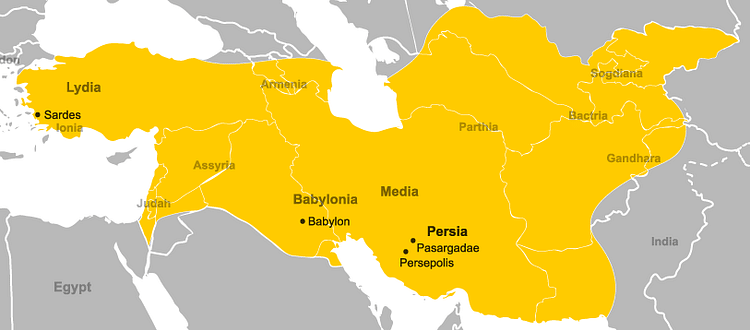 সাইরাস দ্য গ্রেটের সাম্রাজ্য SG (CC BY-SA) ](https://www.worldhistory.org/image/265/empire-of-cyrus-the-great/ "Empire of Cyrus the Great")নির্বাসিত ইহুদিদের বাড়ি যাওয়ার অনুমতি দেওয়া হয়েছিল এবং জেরুজালেমে একটি নতুন মন্দির নির্মাণের জন্য অর্থ দেওয়া হয়েছিল। এটি সাইরাসকে ওল্ড টেস্টামেন্টে একটি উজ্জ্বল [লেখা](https://www.worldhistory.org/trans/bn/1-72/) অর্জন করেছিল এবং সেইসাথে তাকে মিশরের বিরুদ্ধে একটি দরকারী বাফার রাষ্ট্র সরবরাহ করেছিল। সাইরাসের বহুসংস্কৃতিবাদ অবশেষে একটি স্থায়ী সাম্রাজ্যবাদী শান্তিকে একটি বাস্তব সম্ভাবনা করে তুলেছিল এবং পরবর্তী সাম্রাজ্যগুলি স্থিতিশীল শাসন অর্জনের জন্য যেভাবে চেষ্টা করেছিল তা সংজ্ঞায়িত করেছিল। সাইরাসের কাছে এটি স্পষ্ট ছিল যে এটিই একমাত্র উপায় যা তিনি তার বিজয় ধরে রাখার আশা করতে পারেন, তবে তার এমন একটি [দর্শন](https://www.worldhistory.org/trans/bn/1-340/) ছিল যা কেবল নদী উপত্যকার [সভ্যতা](https://www.worldhistory.org/trans/bn/1-10175/)র বাইরের কেউ কল্পনা করতে পারে, স্থানীয় দেবতাদের প্রতি তাদের গভীর আসক্তি রয়েছে।
### রাজাদের রাজা
সাইরাসের পুত্র এবং উত্তরসূরি দ্বিতীয় ক্যাম্বিসেস (529-522 খ্রিস্টপূর্বাব্দ) মিশরকে পারস্য সাম্রাজ্যের সাথে যুক্ত করেছিলেন, তবে তারপরে বাড়িতে একটি বিদ্রোহ শুরু হয়েছিল, যার নেতৃত্বে একজন মেডিয়ান পুরোহিত ক্যাম্বিসেসের ভাই হিসাবে পরিচয় দিয়েছিলেন, যাকে ক্যাম্বিসেস গোপনে হত্যা করেছিলেন। ক্যাম্বিসেস তাড়াতাড়ি ফিরে এসেছিলেন কিন্তু পথেই মারা গিয়েছিলেন, তার এক জেনারেল, একজন দূরবর্তী আত্মীয়কে প্রবেশ করতে বাধ্য করেছিলেন। তার নাম ছিল দারিয়াস। দারিয়াস প্রথম ('মহান') সিংহাসনের ভাওনাকারীকে হত্যা করেছিলেন, কিন্তু এখন সর্বত্র বিদ্রোহ ছড়িয়ে পড়ছিল এবং তিনি নিজেকে সাইরাসের বিজয়গুলি পুনরায় প্রতিষ্ঠা করতে হয়েছিলেন। সেনাবাহিনী এবং পারস্যের সম্ভ্রান্ত বংশের সমর্থনে, সাম্রাজ্যবাদী শাসন থেকে ধনী হয়ে দারিয়াস সাম্রাজ্য পুনরুদ্ধার করেন এবং এটিকে সিন্ধু উপত্যকায় প্রসারিত করেন, যা ব্যাবিলনের চেয়ে কয়েকগুণ বেশি মূল্যবান পুরস্কার।
দারিয়াস বুঝতে পেরেছিলেন যে, সাম্রাজ্য যদি কাজ করতে চায়, তা হলে এর জন্য দক্ষ সংগঠনের প্রয়োজন ছিল। তিনি এটিকে 20 টি সত্রপি বা প্রদেশে বিভক্ত করেছিলেন, প্রতিটি পারস্যকে শ্রদ্ধা জানানোর জন্য একটি নির্দিষ্ট হার প্রদান করেছিলেন। প্রতিটি ক্ষত্রপ কেন্দ্রীয়ভাবে নিযুক্ত সাট্রাপ বা গভর্নর দ্বারা পরিচালিত হত, যিনি প্রায়শই দারিয়াসের সাথে সম্পর্কিত। সাট্রাপকে ক্ষমতার ঘাঁটি তৈরি করতে বাধা দেওয়ার জন্য, দারিয়াস কেবল তার কাছে জবাবদিহি করার জন্য একটি পৃথক সামরিক সেনাপতি নিয়োগ করেছিলেন। 'রাজার কান' নামে পরিচিত রাজকীয় গুপ্তচররা উভয়ের উপর নজর রেখেছিল এবং ডাক পরিষেবার মাধ্যমে দারিয়াসকে ফিরে এসেছিল - সাম্রাজ্যটি রাস্তার একটি নেটওয়ার্ক দ্বারা সংযুক্ত ছিল যার সাথে কুরিয়াররা এক দিনের ভ্রমণের ব্যবধানে স্টেশনগুলিতে ঘোড়া পরিবর্তন করতে পারত।
দারিয়াস এই কাঠামোর বেশিরভাগ অংশ অ্যাসিরীয়দের কাছ থেকে নিয়েছিলেন, কেবল এটি বৃহত্তর আকারে প্রয়োগ করেছিলেন, তবে তার শ্রদ্ধার ব্যবহার নতুন কিছু ছিল। এর আগে, কর মূলত ঝামেলা এড়ানোর জন্য অর্থ প্রদান করা হত তবে দারিয়াস এটিকে কর হিসাবে বিবেচনা করেছিলেন। তিনি এটি একটি নৌবাহিনী তৈরির জন্য ব্যবহার করেছিলেন এবং সেচের কাজ, খনিজ অনুসন্ধান, রাস্তা এবং নীল নদ ও লোহিত সাগরের মধ্যে একটি খালের জন্য অর্থ পাম্প করার জন্য ব্যাপক জন-ব্যয় কর্মসূচি শুরু করেছিলেন।
[  অমরদের পদমর্যাদা dynamosquito (CC BY-SA) ](https://www.worldhistory.org/image/85/ranks-of-immortals/ "Ranks of Immortals")তিনি একটি সাধারণ মুদ্রাও প্রতিষ্ঠা করেছিলেন, যা বাড়ি থেকে দূরে কাজ করা আরও সহজ করে তুলেছিল। দারিয়াস এখন পারস্য স্থপতিদের নির্দেশনায় পার্সেপোলিসে একটি রাজকীয় রাজধানী তৈরি করার জন্য সারা সাম্রাজ্য থেকে কারিগরদের দলকে একত্রিত করেছিলেন। এখানে তিনি তার সোনা এবং রৌপ্য একটি বিশাল ভল্টে রাখতে পারতেন (যা শীঘ্রই খুব ছোট হয়ে যায়) এবং তার সাম্রাজ্যের বহু-জাতিগত পরিধি প্রদর্শন করতে পারে। পার্সেপোলিস সাম্রাজ্যের মধ্যে প্রায় প্রতিটি সংস্কৃতির শৈল্পিক শৈলীর জন্য একটি প্রদর্শনী কেস হয়ে ওঠে, যা ফার্সি নকশার একটি ফ্রেমে অনুষ্ঠিত হয়েছিল। এটি ছিল সাইরাসের সাম্রাজ্য সম্পর্কে ধারণার একটি কল্পনা।
কিন্তু দারিয়াস কখনও কোরসকে স্বীকার করেননি। মনে হয় তার কাঁধে একটি চিপ ছিল যে তিনি সাইরাসের আখামেনিড বংশের শাখার অন্তর্ভুক্ত ছিলেন না। তিনি সাইরাসের কৃতিত্বকে ছাড়িয়ে যাওয়ার সাথে সাথে তিনি নিজেকে আরও উচ্চতর উপায়ে বহন করতে শুরু করেছিলেন, গ্র্যান্ডার শাহানশাহ ('রাজাদের রাজা') এর জন্য শাহ উপাধিটি বাদ দিয়েছিলেন। কিন্তু, পার্সেপোলিসের মতো, এটি সরাসরি কোরসের দর্শন থেকে অনুসরণ করেছিল। সাইরাস যখন শহরে প্রবেশ করেছিলেন তখন তিনি ব্যাবিলনের রাজার ভূমিকা পালন করেছিলেন, তবে তার সাম্রাজ্যের ধারণাটি এমন একজন শাসকের দাবি করেছিল যিনি কোনও একটি সম্প্রদায়ের স্বার্থের সাথে যুক্ত সমস্ত রাজাদের উপরে দাঁড়িয়েছিলেন। এর জন্য রাজাদের একজন রাজার প্রয়োজন ছিল।
### অপমান ও অবক্ষয়
দারিয়াসের পরবর্তী শাসন ভূমধ্যসাগরে সমস্যা দেখেছিল। 499 খ্রিস্টপূর্বাব্দে আইওনিয়ায় একটি গ্রীক বিদ্রোহ হয়েছিল। শেষ পর্যন্ত এটি বাতিল করার পরে, দারিয়াসের নৌবহর বিদ্রোহীদের সমর্থন করার জন্য এথেন্সকে শাস্তি দেওয়ার জন্য যাত্রা করেছিল, কেবল একটি আশ্চর্যজনক পরাজয়ের মুখোমুখি হয়েছিল। পারস্যের প্রশাসনিক যন্ত্র যদি বিপজ্জনকভাবে দুর্বল না দেখায়, তবে গ্রীকদের একটি শিক্ষা দিতে হবে। তবে দারিয়াস যখন পুনর্নিরস্ত্রীকরণ অভিযানের তহবিলের জন্য কর বাড়িয়েছিলেন, তখন তিনি মিশরের মতো আরও গুরুত্বপূর্ণ অঞ্চলে অস্থিরতা উস্কে দিয়েছিলেন।
মিশরে শৃঙ্খলা পুনরুদ্ধার এবং গ্রীক প্রশ্নটি গ্রহণ করার জন্য দারিয়াসের পুত্র প্রথম জেরক্সেস (486-465 খ্রিস্টপূর্বাব্দ) এর উপর পড়েছিল। জেরক্সেস নিজেকে দারিয়াসের চেয়ে আরও উঁচুতে বহন করেছিলেন এবং দুজন দুর্দান্ত সাম্রাজ্য নির্মাতাদের অনুসরণ করার জন্য, আরও অনেক কিছু প্রমাণ করার ছিল। কিন্তু তার সাংস্কৃতিক সংবেদনশীলতার অভাব ছিল। যখন কর বৃদ্ধি 482 খ্রিস্টপূর্বাব্দে ব্যাবিলনে দাঙ্গা সৃষ্টি করেছিল, তখন জেরক্সেস শহরটি ধ্বংস করেছিলেন, মন্দিরটি ধ্বংস করেছিলেন এবং মারদুকের শক্ত সোনার মূর্তিটি গলিয়ে দিয়েছিলেন, যা একজন মানুষের আকারের তিনগুণ ছিল। এর সাথে ব্যাবিলন মহত্ত্ব চলে গেল।
মারডুকের সোনা জেরক্সকে 480 খ্রিস্টপূর্বাব্দে গ্রীকদের চূর্ণ করার জন্য তার বাহিনী জড়ো করতে দেয়। তবে খুব তাড়াতাড়ি যুদ্ধে বাধ্য হয়ে তিনি তার বাবার চেয়েও ভয়াবহ অপমানের শিকার হন। এর পরে, জেরক্সিস মূলত তার দরবার এবং হারেমের বিলাসিতায় সরে এসেছেন বলে মনে হয়। সাইরাস যখন ব্যাবিলনে প্রবেশ করেছিলেন তখন তিনি জনসাধারণের ব্যবহারের জন্য একজন মেসোপটেমিয়ার রাজার আচরণ অনুকরণ করেছিলেন, কিন্তু এখন পারস্য শাসকদের ব্যক্তিগত জীবন মেসোপটেমিয়ার রূপ নিয়েছে। বিলাসবহুল বিচ্ছিন্নতায় চুপ করে থাকা, পরবর্তী আখামেনিডরা হারেম ষড়যন্ত্র এবং প্রাসাদ হত্যাকাণ্ডের ক্রমবর্ধমান গৌরবময় প্যান্টোমাইম খেলেছিল।
[ 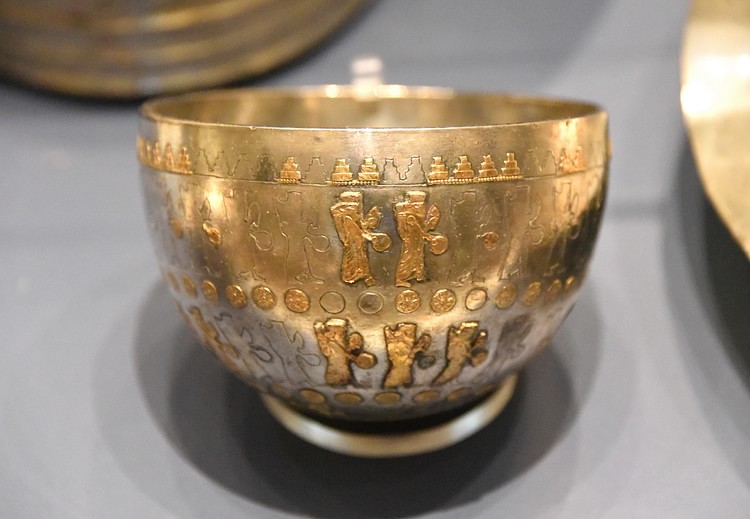 আখামেনিড সিলভার ড্রিংকিং বাটি Osama Shukir Muhammed Amin (Copyright) ](https://www.worldhistory.org/image/4826/achaemenid-silver-drinking-bowl/ "Achaemenid Silver Drinking Bowl")সাইরাস এবং দারিয়াস যে সাম্রাজ্য তৈরি করেছিলেন তা 200 বছর ধরে এই স্লাইডকে অবক্ষয় করার জন্য যথেষ্ট শক্তিশালী ছিল, তবে ধীরে ধীরে এটি তার ক্ষতি করেছিল। ক্ষত্রপরা তাদের নিজস্ব ক্ষমতার দ্বীপ তৈরি করেছিল। কর বাড়তে থাকায় মুদ্রাস্ফীতি কামড় দিতে শুরু করে। এমনকি সাম্রাজ্যের বহুসংস্কৃতিবাদ, প্রাথমিকভাবে এর দুর্দান্ত শক্তিরও ত্রুটি ছিল; বিশাল সেনাবাহিনীটি ছিল সৈন্যদের একটি বিস্ময়কর রাগব্যাগ যারা তাদের নিজস্ব ঐতিহ্য অনুসারে প্রশিক্ষিত এবং সজ্জিত ছিল, সবাই বিভিন্ন ভাষায় কথা বলে।
খ্রিস্টপূর্ব 401 সালে, সাইরাস দ্য ইয়ঙ্গার, লিডিয়া, ফ্রিজিয়া এবং ক্যাপাডোসিয়ার সত্রপ, 10,000 গ্রীক ভাড়াটে সৈন্যদের সহায়তায় তার ভাই দ্বিতীয় আর্টাক্সার্ক্সিস (404-358 খ্রিস্টপূর্বাব্দ) এর বিরুদ্ধে একটি অভ্যুত্থান করেছিলেন যারা অভ্যুত্থান ব্যর্থ হওয়ার পরে দেশে ফিরে এসেছিলেন। তারা যে তথ্য নিয়ে এসেছিল তা খ্রিস্টপূর্ব 334 সালে [আলেকজান্ডার দ্য গ্রেট](https://www.worldhistory.org/trans/bn/1-265/)ের বিজয়ী আগমনের পথ প্রশস্ত করেছিল।
পারস্য ছিল প্রথম প্রকৃত সাম্রাজ্য, একটি সাংগঠনিক কাঠামো সহ একটি সাম্রাজ্য যা বিভিন্ন প্রজা জনগোষ্ঠীকে কীভাবে শাসন করতে হয় তার বাস্তবসম্মত ধারণা থেকে বিকশিত হয়েছিল। এটি একজন সম্রাটের ভূমিকাকে সংজ্ঞায়িত করে এবং রোমান থেকে ব্রিটিশদের ভবিষ্যতের সাম্রাজ্যের জন্য একটি টেমপ্লেট স্থাপন করে। আলেকজান্ডার যখন মৃতপ্রায় পারস্য সাম্রাজ্যকে তার নিজস্ব দর্শন দিয়ে প্রতিস্থাপন করতে এসেছিলেন, তখন তিনি তার মনের সামনে সাইরাসের উদাহরণ রেখেছিলেন।
#### Editorial Review
This human-authored definition has been reviewed by our editorial team before publication to ensure accuracy, reliability and adherence to academic standards in accordance with our [editorial policy](https://www.worldhistory.org/static/editorial-policy/).
## গ্রন্থপঞ্জী
- [Davidson, Peter. *Atlas of Empires.* CompanionHouse Books, 2018.](https://www.worldhistory.org/books/162008287X/)
## লেখকের সম্পর্কে
জান ওয়ার্ল্ড হিস্ট্রি এনসাইক্লোপিডিয়ার প্রতিষ্ঠাতা এবং সিইও। তিনি কিংস কলেজ থেকে এমএ ওয়ার স্টাডিজ করেছেন এবং তিনি 2006 সাল থেকে ইতিহাস সম্পর্কিত ডিজিটাল মিডিয়ার ক্ষেত্রে কাজ করেছেন।
- [Linkedin Profile](https://www.linkedin.com/in/janvdc)
## সময়রেখা
- **c. 7200 BCE**: [Elamite](https://www.worldhistory.org/elam/) community of Chogha Bonut established.
- **4395 BCE**: [City](https://www.worldhistory.org/city/) of [Susa](https://www.worldhistory.org/susa/) founded in region of ancient [Persia](https://www.worldhistory.org/Persia/).
- **c. 3000 BCE**: [Aryan](https://www.worldhistory.org/Aryan/) tribes of Indo-Iranians migrate to the region, among them are Persians.
- **c. 1500 BCE - c. 1000 BCE**: Development of the [religion](https://www.worldhistory.org/religion/) of [Zoroastrianism](https://www.worldhistory.org/zoroastrianism/) in region of ancient [Persia](https://www.worldhistory.org/Persia/).
- **c. 1000 BCE**: [Scythians](https://www.worldhistory.org/Scythians/) migrate from [Persia](https://www.worldhistory.org/Persia/) into the Asian steppes.
- **850 BCE**: [Medes](https://www.worldhistory.org/Medes/) migrate into Iran from Asia.
- **750 BCE**: Persians migrate into Iran from Asia.
- **727 BCE - 675 BCE**: [Medes](https://www.worldhistory.org/Medes/) unite during the reign of their king Dayukku (aka Deioces).
- **675 BCE - 640 BCE**: Persians settle in [Persis](https://www.worldhistory.org/Persis/) during the reign of their king Teispes.
- **628 BCE - 551 BCE**: Life of [Zoroaster](https://www.worldhistory.org/zoroaster/), according to Pahlavi sources.
- **553 BCE**: [Cyrus the Great](https://www.worldhistory.org/Cyrus_the_Great/) successfully rebels against the [Medes](https://www.worldhistory.org/Medes/) and establishes the [Achaemenid Empire](https://www.worldhistory.org/Achaemenid_Empire/) of [Persia](https://www.worldhistory.org/Persia/).
- **c. 550 BCE**: [Cyrus the Great](https://www.worldhistory.org/Cyrus_the_Great/) of [Persia](https://www.worldhistory.org/Persia/) founds the [Achaemenid Empire](https://www.worldhistory.org/Achaemenid_Empire/).
- **c. 550 BCE - 330 BCE**: The Persian [Achaemenid Empire](https://www.worldhistory.org/Achaemenid_Empire/) reigns over Central Asia, [Mesopotamia](https://www.worldhistory.org/Mesopotamia/), [Anatolia](https://www.worldhistory.org/Asia_Minor/), and [Egypt](https://www.worldhistory.org/egypt/).
- **547 BCE**: [Anatolia](https://www.worldhistory.org/Asia_Minor/) conquered by the Persians. [Ephesos](https://www.worldhistory.org/ephesos/) remains neutral.
- **547 BCE**: [Phrygia](https://www.worldhistory.org/phrygia/) becomes a Satrapy of the [Persian empire](https://www.worldhistory.org/disambiguation/Persian_Empire/).
- **546 BCE**: The Persians occupy [Cyprus](https://www.worldhistory.org/cyprus/), being invited by Cypriot leaders.
- **539 BCE**: Fall of [Babylon](https://www.worldhistory.org/babylon/), conquered by [Cyrus](https://www.worldhistory.org/disambiguation/Cyrus/) of [Persia](https://www.worldhistory.org/Persia/). Return of the Jews.
- **c. 539 BCE**: [Cyrus the Great](https://www.worldhistory.org/Cyrus_the_Great/) conquers [Babylon](https://www.worldhistory.org/babylon/); the [Fertile Crescent](https://www.worldhistory.org/Fertile_Crescent/) is controlled by the [Achaemenid Empire](https://www.worldhistory.org/Achaemenid_Empire/) (The First [Persian Empire](https://www.worldhistory.org/disambiguation/Persian_Empire/)).
- **530 BCE**: [Persia](https://www.worldhistory.org/Persia/) conquers the [Indus Valley](https://www.worldhistory.org/Indus_Valley_Civilization/).
- **530 BCE - 522 BCE**: Reign of [Cambyses II](https://www.worldhistory.org/Cambyses_II/) of [Persia](https://www.worldhistory.org/Persia/).
- **525 BCE - 404 BCE**: [Persia](https://www.worldhistory.org/Persia/) conquers [Egypt](https://www.worldhistory.org/egypt/).
- **522 BCE**: [Darius I](https://www.worldhistory.org/Darius_I/) ([Darius the Great](https://www.worldhistory.org/Darius_I/)) succeeds to the throne of [Persia](https://www.worldhistory.org/Persia/) after the [death](https://www.worldhistory.org/disambiguation/Death/) of [Cambyses II](https://www.worldhistory.org/Cambyses_II/).
- **522 BCE**: The Persian satrapy of [Armenia](https://www.worldhistory.org/armenia/) briefly cedes from the [Achaemenid Empire](https://www.worldhistory.org/Achaemenid_Empire/) but is brought under control by [Darius I](https://www.worldhistory.org/Darius_I/).
- **520 BCE**: [Darius I](https://www.worldhistory.org/Darius_I/) of [Persia](https://www.worldhistory.org/Persia/) fights the [Scythians](https://www.worldhistory.org/Scythians/) (not very successfully).
- **c. 520 BCE - c. 325 CE**: [Achaemenid](https://www.worldhistory.org/disambiguation/Achaemenid/) rule in the [Gandhara](https://www.worldhistory.org/Gandhara_Civilization/) region.
- **c. 515 BCE**: [Darius I](https://www.worldhistory.org/Darius_I/) moves the capital of [Persia](https://www.worldhistory.org/Persia/) from [Pasargadae](https://www.worldhistory.org/Pasargadae/) to [Persepolis](https://www.worldhistory.org/persepolis/).
- **c. 513 BCE - c. 512 BCE**: [Darius I](https://www.worldhistory.org/Darius_I/) of [Persia](https://www.worldhistory.org/Persia/) campaigns against [Scythians](https://www.worldhistory.org/Scythians/) into European [Scythia](https://www.worldhistory.org/Scythians/), past the Danube River, Scythians refuse to fight and [Darius](https://www.worldhistory.org/disambiguation/darius/) is forced to abandon the campaign due to lack of provisions.
- **c. 499 BCE**: [Naxos](https://www.worldhistory.org/Naxos/) is attacked by [Darius](https://www.worldhistory.org/disambiguation/darius/)' Persian forces.
- **499 BCE - 493 BCE**: Ionian [cities](https://www.worldhistory.org/city/) rebel against Persian rule.
- **c. 498 BCE**: Ionians and [Greek](https://www.worldhistory.org/disambiguation/greek/) allies invade and burn [Sardis](https://www.worldhistory.org/sardis/) (capital of [Lydia](https://www.worldhistory.org/lydia/)).
- **492 BCE**: [Darius I](https://www.worldhistory.org/Darius_I/) of [Persia](https://www.worldhistory.org/Persia/) invades [Greece](https://www.worldhistory.org/greece/).
- **490 BCE**: [Rhodes](https://www.worldhistory.org/Rhodes/) comes under Persian rule.
- **490 BCE**: [Naxos](https://www.worldhistory.org/Naxos/) is attacked for a second time by Persian forces.
- **11 Sep 490 BCE**: A combined force of [Greek](https://www.worldhistory.org/disambiguation/greek/) hoplites defeat the Persians at [Marathon](https://www.worldhistory.org/marathon/).
- **486 BCE**: [Xerxes](https://www.worldhistory.org/Xerxes_I/) succeeds to the throne of [Persia](https://www.worldhistory.org/Persia/) after the [death](https://www.worldhistory.org/disambiguation/Death/) of [Darius I](https://www.worldhistory.org/Darius_I/).
- **485 BCE**: [Babylon](https://www.worldhistory.org/babylon/) is destroyed by [Xerxes](https://www.worldhistory.org/Xerxes_I/), King of [Persia](https://www.worldhistory.org/Persia/).
- **485 BCE - 465 BCE**: Reign of [Xerxes I](https://www.worldhistory.org/Xerxes_I/) (the Great) of [Persia](https://www.worldhistory.org/Persia/).
- **480 BCE**: Persians destroy the sanctuary at [Sounion](https://www.worldhistory.org/sounion/).
- **480 BCE**: Sack of [Athens](https://www.worldhistory.org/Athens/) by the Persians under [Xerxes](https://www.worldhistory.org/Xerxes_I/). The [Agora](https://www.worldhistory.org/agora/) is destroyed.
- **480 BCE**: Persian forces attack the sanctuary of [Delphi](https://www.worldhistory.org/delphi/).
- **Jul 480 BCE**: [Xerxes I](https://www.worldhistory.org/Xerxes_I/) makes extensive preparations to invade mainland [Greece](https://www.worldhistory.org/greece/) by building depots, canals and a boat bridge across the Hellespont.
- **Aug 480 BCE**: The indecisive [battle](https://www.worldhistory.org/disambiguation/battle/) of Artemision between the [Greek](https://www.worldhistory.org/disambiguation/greek/) and Persian fleets of [Xerxes I](https://www.worldhistory.org/Xerxes_I/). The Greeks withdraw to [Salamis](https://www.worldhistory.org/disambiguation/Salamis/).
- **Aug 480 BCE**: [Battle of Thermopylae](https://www.worldhistory.org/thermopylae/). 300 Spartans under King [Leonidas](https://www.worldhistory.org/disambiguation/Leonidas/) and other [Greek](https://www.worldhistory.org/disambiguation/greek/) allies hold back the Persians led by [Xerxes I](https://www.worldhistory.org/Xerxes_I/) for three days but are defeated.
- **Sep 480 BCE**: [Battle of Salamis](https://www.worldhistory.org/Battle_of_Salamis/) where the [Greek](https://www.worldhistory.org/disambiguation/greek/) naval fleet led by [Themistocles](https://www.worldhistory.org/Themistocles/) defeats the invading armada of [Xerxes I](https://www.worldhistory.org/Xerxes_I/) of [Persia](https://www.worldhistory.org/Persia/).
- **479 BCE**: [Xerxes](https://www.worldhistory.org/Xerxes_I/)' Persian forces are defeated by [Greek](https://www.worldhistory.org/disambiguation/greek/) forces at [Plataea](https://www.worldhistory.org/Plataea/) effectively ending [Persia](https://www.worldhistory.org/Persia/)'s imperial ambitions in [Greece](https://www.worldhistory.org/greece/).
- **478 BCE**: [Sparta](https://www.worldhistory.org/sparta/) withdraws from alliance against [Persia](https://www.worldhistory.org/Persia/).
- **c. 478 BCE**: [Xerxes I](https://www.worldhistory.org/Xerxes_I/) builds the Gate of All Nations, the Hall of 100 Columns and the grand [Palace](https://www.worldhistory.org/disambiguation/palace/) of [Xerxes](https://www.worldhistory.org/Xerxes_I/).
- **c. 449 BCE**: Peace is agreed on by [Athens](https://www.worldhistory.org/Athens/) and [Persia](https://www.worldhistory.org/Persia/), sometimes referred to as the [Peace of Callias](https://www.worldhistory.org/Peace_of_Callias/).
- **c. 449 BCE**: Ionian [cities](https://www.worldhistory.org/city/) become independent from [Persia](https://www.worldhistory.org/Persia/) under the [Peace of Callias](https://www.worldhistory.org/Peace_of_Callias/).
- **412 BCE**: [Sparta](https://www.worldhistory.org/sparta/) allies with [Persia](https://www.worldhistory.org/Persia/).
- **401 BCE**: Retreat from [Persia](https://www.worldhistory.org/Persia/) of [Xenophon](https://www.worldhistory.org/xenophon/) and the ten thousand mercenaries.
- **c. 380 BCE - 330 BCE**: Life of [Darius](https://www.worldhistory.org/disambiguation/darius/) III of [Persia](https://www.worldhistory.org/Persia/).
- **341 BCE**: The Persians complete [conquest](https://www.worldhistory.org/warfare/) of [Egypt](https://www.worldhistory.org/egypt/).
- **c. 336 BCE**: Artaxerxes III builds the Hall of 32 Columns, the [Palace](https://www.worldhistory.org/disambiguation/palace/) of Artaxerxes and the Unfinished Gate.
- **May 334 BCE**: [Alexander the Great](https://www.worldhistory.org/Alexander_the_Great/) invades the Persian [Achaemenid Empire](https://www.worldhistory.org/Achaemenid_Empire/).
- **5 Nov 333 BCE**: [Battle of Issus](https://www.worldhistory.org/Battle_of_Issus/). [Alexander the Great](https://www.worldhistory.org/Alexander_the_Great/) is victorious against [Darius](https://www.worldhistory.org/disambiguation/darius/) III of [Persia](https://www.worldhistory.org/Persia/).
- **331 BCE**: [Egypt](https://www.worldhistory.org/egypt/) is conquered by [Alexander the Great](https://www.worldhistory.org/Alexander_the_Great/) without resistance.
- **1 Oct 331 BCE**: [Battle of Gaugamela](https://www.worldhistory.org/Battle_of_Gaugamela/). [Alexander the Great](https://www.worldhistory.org/Alexander_the_Great/) calls himself "King of Asia."
- **330 BCE**: Persian [Achaemenid Empire](https://www.worldhistory.org/Achaemenid_Empire/) falls to [Alexander the Great](https://www.worldhistory.org/Alexander_the_Great/).
- **330 BCE**: [Death](https://www.worldhistory.org/disambiguation/Death/) of [Darius](https://www.worldhistory.org/disambiguation/darius/) III and end of the [Achaemenid Empire](https://www.worldhistory.org/Achaemenid_Empire/) of [Persia](https://www.worldhistory.org/Persia/).
- **May 330 BCE**: [Persepolis](https://www.worldhistory.org/persepolis/) is burned and looted by [Alexander the Great](https://www.worldhistory.org/Alexander_the_Great/).
- **Jan 329 BCE - May 327 BCE**: [Alexander](https://www.worldhistory.org/disambiguation/Alexander/) conquers [Bactria](https://www.worldhistory.org/Bactria/) and [Sogdiana](https://www.worldhistory.org/sogdiana/).
- **312 BCE - 63 BCE**: The [Seleucid Empire](https://www.worldhistory.org/Seleucid_Empire/) replaces the [Achaemenid Empire](https://www.worldhistory.org/Achaemenid_Empire/).
- **247 BCE - 224 BCE**: [Parthia](https://www.worldhistory.org/disambiguation/Parthia/) replaces the [Seleucid Empire](https://www.worldhistory.org/Seleucid_Empire/).
- **247 BCE - 224 CE**: [Empire](https://www.worldhistory.org/empire/) of the Parthians.
- **63 BCE**: The [Roman](https://www.worldhistory.org/disambiguation/Roman/) general [Pompey](https://www.worldhistory.org/pompey/) defeats the [Seleucid](https://www.worldhistory.org/Seleucid_Empire/) Antiochus XIII and incorporates [Syria](https://www.worldhistory.org/syria/) as a province of the [Roman empire](https://www.worldhistory.org/Roman_Empire/).
- **224 CE**: [Zoroastrianism](https://www.worldhistory.org/zoroastrianism/) becomes Persian state [religion](https://www.worldhistory.org/religion/) under the [Sassanian Empire](https://www.worldhistory.org/Sasanian_Empire/).
- **224 CE**: Sasanians overthrow the Parthians.
- **224 CE - 651 CE**: The [Sassanian Empire](https://www.worldhistory.org/Sasanian_Empire/) replaces the [Parthian Empire](https://www.worldhistory.org/Parthia_(Empire)/).
- **240 CE - 270 CE**: Reign of [Shapur I](https://www.worldhistory.org/Shapur_I/), who first brought the [Sassanian empire](https://www.worldhistory.org/Sasanian_Empire/) to its peak.
- **260 CE**: [Shapur I](https://www.worldhistory.org/Shapur_I/) captures the [Roman emperor](https://www.worldhistory.org/Roman_Emperor/) [Valerian](https://www.worldhistory.org/valerian/) at [Edessa](https://www.worldhistory.org/edessa/).
- **607 CE - 627 CE**: East [Rome](https://www.worldhistory.org/Rome/) defeats [Sasanian](https://www.worldhistory.org/Sasanian_Empire/) [Persia](https://www.worldhistory.org/Persia/).
- **651 CE**: [Sassanian Empire](https://www.worldhistory.org/Sasanian_Empire/) conquered during the Muslim Arab invasion of the 7th century CE.
## প্রশ্ন ও উত্তর
### আখামেনীয় সাম্রাজ্য কিসের জন্য পরিচিত ছিল?
আকামেনিড পারস্য সাম্রাজ্য কার্যকরভাবে অনেক জাতি ও সংস্কৃতির একটি সাম্রাজ্য তৈরির জন্য বিখ্যাত, প্রতিটি বিজিত সংস্কৃতিকে আধা-স্বাধীন প্রদেশের আকারে যুক্তিসঙ্গত পরিমাণে স্বায়ত্তশাসন এবং স্ব-শাসন দেয় যাকে সাত্রপি বলা হয়। সাম্রাজ্যটি গ্রিক-পারস্য যুদ্ধে গ্রীক নগর-রাজ্যগুলির সাথে লড়াই করার জন্য এবং শেষ পর্যন্ত আলেকজান্ডার দ্য গ্রেট দ্বারা জয় করার জন্যও বিখ্যাত।
### আখামেনীয় সাম্রাজ্যকে কে পরাজিত করেছিল?
আলেকজান্ডার দ্য গ্রেট 330 খ্রিস্টপূর্বাব্দে ইসাস (333 খ্রিস্টপূর্বাব্দ) এবং গাউগামেলা (331 খ্রিস্টপূর্বাব্দ) যুদ্ধে বেশ কয়েকটি নির্ণায়ক ম্যাসেডোনিয়ান বিজয়ের পরে আকামেনিড সাম্রাজ্যকে পরাজিত করেছিলেন। আলেকজান্ডার খ্রিস্টপূর্ব 323 সালে তাঁর মৃত্যুর আগ পর্যন্ত সংক্ষিপ্তভাবে রাজাদের রাজা ছিলেন, যখন তিনি পারস্যের সেলুসিড সাম্রাজ্যের প্রতিষ্ঠাতা সেলুকোস প্রথম নিকেটর দ্বারা স্থলাভিষিক্ত হন।
## বহিঃসংযোগসমূহ
- [The Achaemenid Persian Empire (550–330 B.C.) | Essay | The Metropolitan Museum of Art | Heilbrunn Timeline of Art History](https://www.metmuseum.org/toah/hd/acha/hd_acha.htm)
- [Long live the King… of Kings! Accession ritual in ancient Persia | British Museum](https://www.britishmuseum.org/blog/long-live-king-kings-accession-ritual-ancient-persia)
## এই কাজটি উদ্ধৃত করুন
### APA
Davidson, P. (2026, January 06). আখামেনীয় সাম্রাজ্য. (T. Banerjee, অনুবাদক). *World History Encyclopedia*.
### Chicago
Davidson, Peter. "আখামেনীয় সাম্রাজ্য." অনুবাদ করেছেন Tuli Banerjee. *World History Encyclopedia*, January 06, 2026. .
### MLA
Davidson, Peter. "আখামেনীয় সাম্রাজ্য." অনুবাদ করেছেন Tuli Banerjee. *World History Encyclopedia*, 06 Jan 2026, .
## লাইসেন্স ও কপিরাইট
দ্বারা জমা দেওয়া [Tuli Banerjee](https://www.worldhistory.org/user/tulibanerjee/ "User Page: Tuli Banerjee"), এতে প্রকাশিত হয়েছে 06 January 2026. কপিরাইট তথ্যের জন্য অনুগ্রহ করে মূল উৎস(গুলি) পরীক্ষা করুন। অনুগ্রহ করে লক্ষ্য করুন যে এই পৃষ্ঠা থেকে লিঙ্ক করা বিষয়বস্তুর লাইসেন্সিং শর্ত ভিন্ন হতে পারে।