---
title: মঙ্গোল সাম্রাজ্য
author: Mark Cartwright
translator: Manika Chattopadhyay
source: https://www.worldhistory.org/trans/bn/1-17448/
format: machine-readable-alternate
license: Creative Commons Attribution-NonCommercial-ShareAlike (https://creativecommons.org/licenses/by-nc-sa/4.0/)
updated: 2025-12-03
---
# মঙ্গোল সাম্রাজ্য
লিখেছেন [Mark Cartwright](https://www.worldhistory.org/user/markzcartwright/)_
অনুবাদ করেছেন [Manika Chattopadhyay](https://www.worldhistory.org/user/monica.qot)_
মঙ্গোল [সাম্রাজ্য](https://www.worldhistory.org/trans/bn/1-99/) (1206-1368) চেঙ্গিস খান (রাজত্বকাল 1206-1227) দ্বারা প্রতিষ্ঠিত হয়েছিল, যিনি মঙ্গোল জনগণের প্রথম মহান খান বা 'সার্বজনীন শাসক'। চেঙ্গিস এশীয় স্তেপের যাযাবর উপজাতিদের একত্রিত করে এবং দ্রুত, হালকা এবং অত্যন্ত সমন্বিত অশ্বারোহী বাহিনীর সাথে একটি বিধ্বংসী কার্যকর সেনাবাহিনী তৈরি করে সাম্রাজ্য গঠন করেছিলেন। অবশেষে, সাম্রাজ্যটি কৃষ্ণ সাগর থেকে কোরীয় উপদ্বীপ পর্যন্ত এশিয়া আধিপত্য বিস্তার করে।
দক্ষ অশ্বারোহী এবং তীরন্দাজ, মঙ্গোলরা মধ্য এশিয়া এবং এর বাইরেও অপ্রতিরোধ্য প্রমাণিত হয়েছিল, ইরান, রাশিয়া, পূর্ব [ইউরোপ](https://www.worldhistory.org/trans/bn/1-35/), চীন এবং অন্যান্য অনেক জায়গায় সেনাবাহিনীকে পরাজিত করেছিল। চেঙ্গিসের বংশধররা প্রত্যেকে সাম্রাজ্যের একটি অংশ শাসন করেছিল - চারটি খানাত - যার মধ্যে সবচেয়ে শক্তিশালী ছিল চীনের মঙ্গোল ইউয়ান রাজবংশ (1271-1368), যা কুবলাই খান (রাজত্বকাল 1260-1279) দ্বারা প্রতিষ্ঠিত হয়েছিল। অবশেষে, মঙ্গোলরা অলস সমাজের অংশ হয়ে ওঠে যা [তারা](https://www.worldhistory.org/trans/bn/1-19947/) খুব সহজেই পরাজিত করেছিল এবং অনেকে ঐতিহ্যবাহী শামানিজম থেকে তিব্বতী [বৌদ্ধধর্ম](https://www.worldhistory.org/trans/bn/1-11144/) বা ইসলামে ধর্মান্তরিত হয়েছিল। এটি মঙ্গোলদের কেবল তাদের সাংস্কৃতিক পরিচয়ের অংশই নয়, তাদের বিখ্যাত সামরিক শক্তিও হারানোর একটি সাধারণ লক্ষণ ছিল, কারণ চারটি খানাত সকলেই ক্ষতিকারক রাজবংশীয় বিরোধ এবং তাদের প্রতিদ্বন্দ্বীদের সেনাবাহিনীর কাছে আত্মসমর্পণ করেছিল। যদিও কোনও স্থায়ী স্থাপত্য বিস্ময় বা রাজনৈতিক প্রতিষ্ঠান তৈরির জন্য বিখ্যাত নয়, মঙ্গোলরা সম্প্রসারিত বাণিজ্য রুট, কূটনৈতিক দূতাবাস এবং ইউরেশিয়া থেকে দূর প্রাচ্যে মিশনারি এবং ভ্রমণকারীদের চলাচলের মাধ্যমে পূর্ব ও পশ্চিম বিশ্বকে অবশেষে সংযুক্ত করার বিশ্ব [সংস্কৃত](https://www.worldhistory.org/trans/bn/1-12138/)িতে উল্লেখযোগ্য অবদান রেখেছিল।
#### Book Promotion
[  ](https://amzn.to/4isZ4B5 "The Forsaken 14th Century")### The Forsaken 14th Century
by World History Encyclopedia WHE's first book takes a truly global outlook and introduces readers to the different cultures that survived, thrived, and fell amid adversity in the 14th century. Filled with in-depth text written by WHE authors, many exclusive maps, and plenty of illustrations, The Forsaken 14th Century takes you on a global journey from the nomads of the Mongol Empire to the Black Death in Europe, the booming trade on the Swahili Coast to the Aztecs and the Māori settlements in New Zealand. [Learn More](https://amzn.to/4isZ4B5)
.sponsor.book img.key_art {
box-shadow: none !important;
}
.button_container {
margin-top: 1em;
}
.sponsor.book h3 {
text-transform: none;
margin-top: 0px;
margin-bottom: 15px;
font-family: "Libre Baskerville", "Palatino Linotype", "Book Antiqua", Palatino, serif;
}
.sponsor_message {
margin-left: 190px;
font-family: Karla, Arial, Helvetica, sans-serif;
line-height: 140%;
min-height: 200px;
}
.sponsor.book {
padding: 20px;
margin: 25px 0px;
background-color: #f3f3f3;
}
.sponsor.book .key_art {
margin-top: 0px;
margin-bottom: 10px;
float: left;
}
.sponsor h4 {
font-weight: bold;
text-transform: uppercase;
color: #000;
margin-bottom: 10px;
margin-top: 0px;
font-family: Karla,Arial,Helvetica,sans-serif;
font-size: 13px;
padding: 0;
}
.sponsor_book_author {
color: #999;
margin: -10px 0px 20px;
}
@media (max-width: 1199px) {
.sponsor.book .key_art {
float: none;
width: 100%;
}
.sponsor.book .sponsor_message {
margin-left: 0px;
}
.sponsor.book h3 {
margin-top: 20px;
margin-bottom: 10px;
}
}
@media (max-width: 767px) {
}
### স্তেপের যাযাবর
মঙ্গোলরা এশিয়ান স্টেপের পশুপালক যাযাবর ছিল যারা ভেড়া, ছাগল, ঘোড়া, উট এবং চমরী গামী পালন করত। এই উপজাতিরা ঋতু অনুসারে স্থানান্তরিত হয়েছিল এবং বৃত্তাকার অনুভূত তাঁবু বা ইয়ার্টস (গার্স) এর অস্থায়ী [শিব](https://www.worldhistory.org/trans/bn/1-10216/)িরে বাস করত। মঙ্গোলিয়ার জলবায়ু প্রায়শই কঠোর হয় এবং এটি প্রতিফলিত করে, পোশাক উষ্ণ, টেকসই এবং ব্যবহারিক ছিল। ভেড়ার পশম এবং পশুর পশম থেকে অনুভূত পোশাক তৈরির জন্য সবচেয়ে সাধারণ উপাদান ছিল যা পুরুষ এবং মহিলা উভয়ের জন্যই উল্লেখযোগ্যভাবে অনুরূপ ছিল: হিললেস বুট, ব্যাগি ট্রাউজার, চামড়ার বেল্টের সাথে পরা একটি লম্বা জ্যাকেট-পোশাক (ডিল) এবং কানের ফ্ল্যাপের সাথে একটি শঙ্কু আকৃতির টুপি, যখন অন্তর্বাসগুলি সুতি বা রেশম থেকে তৈরি করা হয়েছিল।
[ 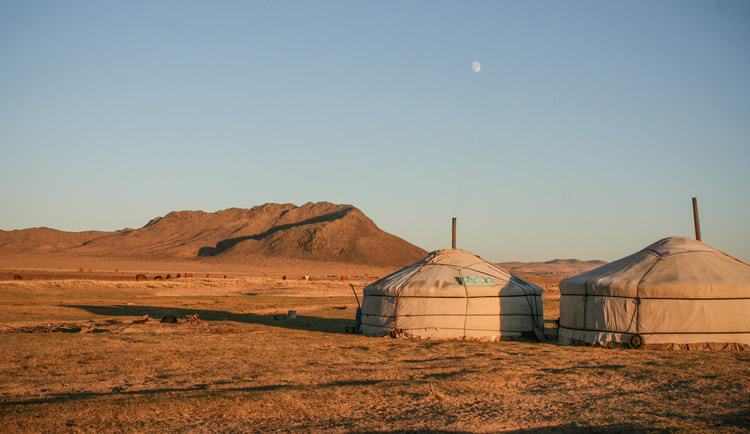 ঐতিহ্যবাহী ইয়ার্টস Michael Chu (CC BY-NC-ND) ](https://www.worldhistory.org/image/11224/traditional-yurts/ "Traditional Yurts")মঙ্গোল ডায়েট বেশিরভাগ দুগ্ধ-ভিত্তিক ছিল যার মধ্যে পনির, দই, মাখন এবং শুকনো দুধের দই (কুরুত) প্রধান ছিল। একটি হালকা অ্যালকোহলযুক্ত পানীয়, কুমিস, ঘোড়ার দুধ থেকে তৈরি করা হত যা প্রায়শই অতিরিক্ত পান করা হত। দুধ, পশম এবং এমনকি জ্বালানির জন্য গোবরের টেকসই উত্স হিসাবে পশুপালগুলি খুব মূল্যবান হওয়ায়, মাংস সাধারণত শিকারের মাধ্যমে অর্জিত হত এবং বুনো ফল এবং শাকসব্জী সংগ্রহ করা হত। শীতের জন্য মজুদ করতে এবং অনিয়মিত উপজাতি সমাবেশের মতো বিশেষ ভোজের জন্য মাংস সরবরাহ করার জন্য, বিশেষ শিকারের আয়োজন করা হয়েছিল। এই ইভেন্টগুলিতে নার্জ নামে পরিচিত একটি কৌশল প্রয়োগ করা হয়েছিল যেখানে রাইডাররা স্তেপের একটি বিশাল অঞ্চল ঘিরে রেখেছিল এবং ধীরে ধীরে খেলাটি চালিত করেছিল - মারমোট থেকে নেকড়ে পর্যন্ত যে কোনও কিছু - একটি ছোট অঞ্চলে যেখানে তাদের আরও সহজে অশ্বারোহী তীরন্দাজদের দ্বারা হত্যা করা যেতে পারে। যুদ্ধে যাওয়ার সময় মঙ্গোলদের কৌশল, সংগঠন এবং শৃঙ্খলা তাদের ভালভাবে সহায়তা করবে। মঙ্গোল বিশ্বের মধ্যযুগীয় দৈনন্দিন জীবনের এই বৈশিষ্ট্যগুলির বেশিরভাগই আজও এশিয়া জুড়ে স্টেপ যাযাবরদের দ্বারা অব্যাহত রয়েছে।
যদিও যাযাবর জীবন সাধারণত পুরুষদের শিকার করতে দেখে এবং মহিলারা রান্না করে, শ্রমের বিভাজন সর্বদা এতটা পরিষ্কার ছিল না এবং প্রায়শই উভয় লিঙ্গই ধনুক ব্যবহার এবং অশ্বারোহণ সহ একে অপরের কাজগুলি সম্পাদন করতে পারত। মহিলারা পশুদের পরিচর্যা করত, শিবির স্থাপন এবং প্যাক করত, উপজাতির ওয়াগন চালাত, বাচ্চাদের দেখাশোনা করত, খাদ্যদ্রব্য প্রস্তুত করত এবং অতিথিদের আপ্যায়ন করত। অন্যান্য সমসাময়িক এশীয় সংস্কৃতির তুলনায় নারীদের অধিকার বেশি ছিল এবং তারা সম্পত্তির মালিক এবং উত্তরাধিকার উভয়ই করতে পারত। এমনকি বেশ কয়েকজন মহিলা গ্রেট খানদের রাজত্বের মধ্যে মন্ত্রে রিজেন্ট হিসাবে শাসন করেছিলেন। মঙ্গোল জীবনের আরেকটি ক্ষেত্র যেখানে নারীরা সক্রিয়ভাবে জড়িত ছিল তা ছিল ধর্ম।
### ধর্মীয় বিশ্বাস
মঙ্গোলদের ধর্মে কোনও পবিত্র গ্রন্থ বা বিশেষ অনুষ্ঠান ছিল না বরং অ্যানিমিজম, পূর্বপুরুষের উপাসনা এবং শামানিজমের মিশ্রণ ছিল। আগুন, পৃথিবী এবং জলের উপাদানগুলির উদাহরণ, পর্বতের মতো চিত্তাকর্ষক ভৌগোলিক স্থান এবং ঝড়ের মতো প্রাকৃতিক ঘটনাগুলি আত্মার অধিকারী বলে মনে করা হত। শামানরা, যারা পুরুষ এবং মহিলা উভয়ই হতে পারে, তারা এই আত্মাদের সাথে যোগাযোগ করতে এবং তাদের বিশ্বে ভ্রমণ করতে সক্ষম বলে মনে করা হয়েছিল, হারিয়ে যাওয়া আত্মা এবং ঐশ্বরিক ভবিষ্যতের ঘটনাগুলি খুঁজে পেতে সহায়তা করে।
অন্যান্য ধর্মগুলি মঙ্গোলদের মধ্যে উপস্থিত ছিল, বিশেষত নেস্টোরিয়ান খ্রিস্টান ধর্ম এবং 14 তম শতাব্দী থেকে, তিব্বতী বৌদ্ধধর্ম (লামাবাদ) জনপ্রিয় হয়ে ওঠে, সম্ভবত এর শামানিস্টিক উপাদানগুলির জন্য ধন্যবাদ। পশ্চিমা খানাতগুলিতেও ইসলাম ব্যাপকভাবে গৃহীত হয়েছিল। সর্বোপরি, যদিও, প্রধান দুটি দেবতার উপর একটি ব্যাপক বিশ্বাস ছিল: পৃথিবী বা মাদার দেবী, যিনি ইটুজেন (ইটুজেন) নামে পরিচিত, যিনি [উর](https://www.worldhistory.org/trans/bn/1-128/)্বরতার প্রতিনিধিত্ব করেছিলেন এবং টেংরি (গোক মংকে টেঙ্গেরি), 'নীল আকাশ' বা 'চিরন্তন স্বর্গ'। এই পরবর্তী দেবতাকে একজন রক্ষক দেবতা হিসাবে দেখা হত এবং গুরুত্বপূর্ণভাবে, উপজাতি অভিজাতরা তাকে মঙ্গোল জনগণকে পুরো বিশ্ব শাসন করার জন্য একটি ঐশ্বরিক অধিকার দিয়েছিল বলে মনে করা হয়েছিল। চেঙ্গিস খান এবং তার উত্তরসূরিরা প্রায় পুরো এশিয়া মহাদেশ জয় করে এবং ইতিহাসে সেই সময় পর্যন্ত দেখা বৃহত্তম সাম্রাজ্য তৈরি করে এই ধারণাটি ধ্বংসাত্মক অনুশীলনে পরিণত করেছিলেন।
### ফাউন্ডেশন চেঙ্গিস খান
মঙ্গোল যাযাবর উপজাতিরা তখন কঠিন জীবনে অভ্যস্ত ছিল, প্রকৃতিগতভাবে অত্যন্ত গতিশীল ছিল এবং শৈশব থেকেই ঘোড়ায় চড়তে এবং ধনুক মারার জন্য প্রশিক্ষিত ছিল। এই গুণাবলী তাদের দীর্ঘ এবং জটিল অভিযান সহ্য করতে সক্ষম চমৎকার যোদ্ধা হিসাবে পরিণত করবে, অল্প সময়ের মধ্যে বিপুল পরিমাণে অঞ্চল কভার করবে এবং কেবল পরম ন্যূনতম সরবরাহে বেঁচে থাকবে। এমনকি মহিলাদের ভূমিকা এবং তাদের ক্যাম্প তৈরি এবং পরিবহনের কাজগুলি মঙ্গোল সেনাবাহিনীকে সহায়তা করেছিল কারণ তারা তাদের স্বামী যোদ্ধাদের জন্য গুরুত্বপূর্ণ লজিস্টিক সহায়তা সরবরাহ করেছিল। চেঙ্গিস খান সম্ভবত প্রথম মঙ্গোল নেতা যিনি উপলব্ধি করেছিলেন যে যদি কেবল বিভিন্ন উপজাতি এবং গোষ্ঠীকে একত্রিত করা যায় তবে মঙ্গোলরা বিশ্বকে আধিপত্য বিস্তার করতে পারে।
চেঙ্গিস, জন্মগ্রহণকারী তেমুজিন সি. 1162, পরিত্যক্ত এবং দারিদ্র্যের একটি কঠোর শৈশব কাটিয়ে ওঠেন এবং নিজেকে কেরাইত উপজাতির প্রধান টোঘরিলের জন্য একজন দক্ষ সামরিক কমান্ডার হিসাবে প্রতিষ্ঠিত করেছিলেন। চেঙ্গিদের জীবন এবং সময়গুলি মঙ্গোলদের গোপন ইতিহাসে বলা হয়েছে, এটি 13 তম শতাব্দীর একটি ইতিহাস যা প্রাথমিক সাম্রাজ্যের জন্য আমাদের সেরা প্রাথমিক উত্স। 1195 থেকে 1205 সাল পর্যন্ত প্রায় 10 বছরের সময়কালে, চেঙ্গিস তার নিজের অধিকারে নেতা হয়ে ওঠেন এবং ধীরে ধীরে কূটনীতি, যুদ্ধ এবং সন্ত্রাসের নির্মম মিশ্রণের মাধ্যমে তার ডোমেনকে প্রসারিত করেছিলেন - অনেক যোদ্ধার জন্য এটি প্রায়শই তরুণ নেতার সাথে যোগ দেওয়া বা মৃত্যুদণ্ড কার্যকর করার ঘটনা ছিল। টার্টারদের মতো উপজাতিদের (মধ্যযুগীয় পশ্চিমারা মঙ্গোলদের জন্য ভুলভাবে প্রয়োগ করা একটি নাম), কেরেইডস, নাইমান এবং মেরকিডদের মতো উপজাতিদের লাইনে আনা হয়েছিল। অবশেষে, 1206 সালে সমস্ত উপজাতি নেতাদের (একটি কুরুলতাই) একটি বিশাল সভায়, চেঙ্গিস খান (ওরফে চিঙ্গিস খান) আনুষ্ঠানিকভাবে মঙ্গোলদের মহান খান বা 'সার্বজনীন শাসক' হিসাবে স্বীকৃত হয়েছিল।
[  মঙ্গোল সাম্রাজ্যের মানচিত্র Arienne King (CC BY-NC-SA) ](https://www.worldhistory.org/image/11309/map-of-the-mongol-empire/ "Map of the Mongol Empire")খান জোর দিয়ে তার রাজ্যকে আরও একীভূত করার চেষ্টা করেছিলেন যে উইঘুর তুর্কিদের লিপি ব্যবহার করে এবং একটি স্থায়ী আইন কোড, ইয়াসা প্রবর্তনের মাধ্যমে এতদিন পর্যন্ত একমাত্র কথিত মঙ্গোল ভাষাকে লিখিত করা হয়েছিল। ইয়াম প্রতিষ্ঠার মাধ্যমে যোগাযোগকে ব্যাপকভাবে সহায়তা করা হয়েছিল, স্টেজিং পোস্টগুলির একটি নেটওয়ার্ক যা বার্তাবাহকরা রাজ্য জুড়ে চলার সময় পুনরায় সরবরাহের জন্য ব্যবহার করতে পারে। সাম্রাজ্য ইতিমধ্যে আন্তরিকভাবে শুরু হয়েছিল তবে এটি পুরো অনেক বড় হতে চলেছে।
### সম্প্রসারণ: উত্তর চীন ও পারস্য
মঙ্গোল উপজাতি নেতারা ঐতিহ্যগতভাবে তাদের অনুগত অনুগামীদের মধ্যে যুদ্ধের লুণ্ঠন বিতরণ করে তাদের ক্ষমতার অবস্থান অর্জন করেছিলেন এবং তারপরে বজায় রেখেছিলেন এবং চেঙ্গিসও এর ব্যতিক্রম ছিল না। মঙ্গোল সেনাবাহিনী প্রায় 10,000 পুরুষের উপর ভিত্তি করে ছিল, যা খানের ব্যক্তিগত দেহরক্ষী, কেসিকটেন ছিল। এই অভিজাতদের সদস্যরা সাম্রাজ্য জুড়ে গুরুত্বপূর্ণ প্রশাসনিক পদে অধিষ্ঠিত হবেন। মিত্র এবং বিজিত অঞ্চলগুলি থেকে মঙ্গোল উপজাতি এবং দলগুলির বাধ্যতামূলক নিয়োগের মাধ্যমে অতিরিক্ত সৈন্য অর্জন করা হয়েছিল। প্রধান আক্রমণাত্মক অস্ত্র ছিল হালকা অশ্বারোহী বাহিনী যার আরোহীরা শক্তিশালী মঙ্গোল যৌগিক ধনুক গুলি চালাতে পারদর্শী। মঙ্গোল ঘোড়াগুলি তাদের দৃঢ়তা এবং সহনশীলতা উভয়ের জন্যই আরেকটি সম্পদ ছিল, তবে তাদের নিখুঁত সংখ্যার জন্যও, আরোহীদের 16 টি অতিরিক্ত মাউন্ট পর্যন্ত অনুমতি দেয় যার অর্থ একটি সেনাবাহিনী দুর্দান্ত গতিতে বিশাল দূরত্ব ভ্রমণ করতে পারে।
গ্রেট খান হওয়ার পরে চেঙ্গিসের প্রথম লক্ষ্য ছিল উত্তর চীনের জিন রাজ্য (ওরফে জুরচেন জিন রাজবংশ, 1115-1234)। দখলকৃত শহরগুলির সাথে মোকাবেলা করার সময় মঙ্গোল অশ্বারোহী বাহিনীর গতি এবং সন্ত্রাসী কৌশল লভ্যাংশ অর্জন করেছিল এবং অভ্যন্তরীণভাবে ভাঙা জিন রাজ্য দক্ষিণে পিছু হটতে বাধ্য হয়েছিল। একটি যুগপৎ লক্ষ্য ছিল শি জিয়ার তাঙ্গুট রাজ্য (ওরফে সি-হসিয়া, 1038-1227), এছাড়াও উত্তর চীনে এবং একইভাবে পূর্ব এশিয়া জুড়ে চেঙ্গিসের নিরলস অগ্রগতি থামাতে অক্ষম। এই সময়কালে তৃতীয় লক্ষ্য ছিল সং রাজবংশ চীন (ওরফে সুং, 960 - 1279)। প্রতিবেশীদের চেয়ে ধনী এবং আরও শক্তিশালী, গানটি আরও স্থিতিস্থাপক প্রমাণিত হয়েছিল, যদিও চেঙ্গিস তাদের অনেক শহর ছিন্ন করেছিল, তবে তাদের সময় আসবে। 1219 সালের মধ্যে, এমনকি উত্তর কোরিয়াও আক্রমণ করা হয়েছিল কারণ চেঙ্গিস সেখানে পালিয়ে আসা ঝামেলাপূর্ণ খিতান উপজাতিদের তাড়া করেছিল।
[  চেঙ্গিস খানের আবক্ষ মূর্তি Jim Garamone (Public Domain) ](https://www.worldhistory.org/image/11220/bust-of-genghis-khan/ "Bust of Genghis Khan")আপাতদৃষ্টিতে 'সার্বজনীন শাসক' হিসাবে তার উপাধি অর্জনের উদ্দেশ্যে, চেঙ্গিস এখন পশ্চিম এশিয়ার দিকে মনোনিবেশ করেছিলেন। 1218 সাল থেকে, পারস্য খোয়ারাজম সাম্রাজ্য আক্রমণ করা হয়। 100,000 পুরুষের একটি মঙ্গোল সেনাবাহিনী বুখারা এবং সমরকন্দের মতো উল্লেখযোগ্য শহরগুলি দখল করে সমস্ত আগতদের একপাশে সরিয়ে দেয়। 1221 সালে মঙ্গোলরা উত্তর আফগানিস্তানে প্রবেশ করেছিল, 1223 সালে একটি রাশিয়ান সেনাবাহিনী কালকায় পরাজিত হয়েছিল এবং তারপরে সেনাবাহিনী দেশে ফিরে আসার সাথে সাথে কাস্পিয়ান সাগর সম্পূর্ণরূপে ঘিরে ফেলা হয়েছিল। এই অঞ্চলের মুসলমানরা এখন চেঙ্গিদের জন্য একটি নতুন উপাধি পেয়েছিল, 'অভিশপ্ত'। সিটগুলি তাদের ভিত্তি পর্যন্ত ধ্বংস করা হয়েছিল, বেসামরিক লোকদের গণহত্যা করা হয়েছিল এবং এমনকি সেচ ব্যবস্থাও ধ্বংস হয়ে গিয়েছিল। দুই দশকেরও কম সময়ের মধ্যে এশীয় বিশ্ব উল্টে গেছে। চেঙ্গিস খান 18 আগস্ট 1227 সালে একটি অজানা অসুস্থতায় মারা যান, তবে তার উত্তরসূরিরা নিশ্চিত করেছিলেন যে মঙ্গোল নতুন বিশ্ব ব্যবস্থা তার স্রষ্টাকে ছাড়িয়ে যাবে।
### ইউরোপে হামলা চালিয়েছেন ওগেদেই খান
চেঙ্গিস আদেশ দিয়েছিলেন যে তার সাম্রাজ্য তার চার পুত্র জোচি, চাগাতাই (চাঘাদাই), তোলুই (তুলুই) এবং ওগেদেই (ওগোদেই) এর মধ্যে ভাগ করা হবে, প্রত্যেকে একটি খানাত শাসন করবে (যদিও জোচি 1227 সালে তার পিতার পূর্ববর্তী হবে)। ওগেদেই নতুন গ্রেট খান (রাজত্বকাল 1229-1241) এবং এইভাবে সমস্ত মঙ্গোলদের শাসক হন। একীভূত সাম্রাজ্য 1260 খ্রিস্টাব্দ অবধি স্থায়ী হবে যখন চারটি খানাত সম্পূর্ণ স্বায়ত্তশাসিত হয়ে ওঠে (নীচে দেখুন)।
ওগেদেই খান সাম্রাজ্যবাদী দেহরক্ষীর সদস্য এবং মন্ত্রীদের আঞ্চলিক গভর্নর (দারুকাচি) হিসাবে নিয়োগ করে, একটি আদমশুমারি পরিচালনা করে এবং একটি যথাযথ কর ব্যবস্থা আরোপ করে (নিছক সম্পত্তি বাজেয়াপ্ত করার বিপরীতে) মঙ্গোল রাষ্ট্র যন্ত্রকে আরও সুসংহত করেছিলেন। 1235 সালে, একটি রাজধানী নির্বাচন করা হয়েছিল, মঙ্গোলিয়ার কারাকোরাম (কারাকোরুম)। ইয়াম নেটওয়ার্ক প্রসারিত হয়েছিল, বাণিজ্য রুট বরাবর কূপগুলি সুরক্ষিত করা হয়েছিল এবং ভ্রমণকারী বণিকদের সামরিক সুরক্ষা দেওয়া হয়েছিল।
বিজয়ের ক্ষেত্রে, ওগেদেই তার পূর্বসূরী যেখানে ছেড়ে গিয়েছিলেন ঠিক সেখানেই চলে গিয়েছিলেন এবং প্রতিভাবান জেনারেল সুবুতাইয়ের (ওরফে সুবেয়েতেই, 1176-1248) সহায়তায় খানের 'চার হাউন্ডস' হিসাবে পরিচিত, 1230-1 সালে জিনের বিরুদ্ধে প্রচারণা চালিয়েছিলেন। 1233 সালে কাইফেংয়ের জিন রাজধানী পতন ঘটে এবং 1234 সালের অভিযানে জিন সম্রাট আইজং (রাজত্বকাল 1224-1234) এর আত্মহত্যা এবং জিন রাজ্যের সম্পূর্ণ ও চূড়ান্ত পতন ঘটে। এই সময়েও কোরিয়ায় বারবার অভিযান চালানো হয়।
[  মঙ্গোল যোদ্ধা পুনর্গঠন William Cho (CC BY-SA) ](https://www.worldhistory.org/image/11223/mongol-warrior-reconstruction/ "Mongol Warrior Reconstruction")1235 সাল থেকে সুবুতাই মধ্য এশিয়া জুড়ে অভিযানের সমন্বয় করেছিলেন, তিফলিস (তিবিলিসি) এর মতো শহরগুলি দখল করেছিলেন। 1236 থেকে 1242 সাল পর্যন্ত, 150,000 পুরুষের একটি সেনাবাহিনী পাঁচটি পৃথক বিভাগে সংগঠিত হয়েছিল তারপরে কাজাখস্তান / উজবেকিস্তানের মধ্য দিয়ে ভলগা নদীর চারপাশে পূর্ব ইউরোপ আক্রমণ করার জন্য যাত্রা করেছিল। একাধিক অভিযানে বুলগের, রুশ, পোলস এবং হাঙ্গেরিয়ানদের বিরুদ্ধে বিজয় অর্জন করা হয়েছিল। আপাতদৃষ্টিতে কোথাও থেকে আসা মঙ্গোল অশ্বারোহী বাহিনী 'শয়তানের অশ্বারোহী' নামে পরিচিত হয়ে ওঠে। কিয়েভ (1240), ক্রাকো (1241), বুডা এবং পেস্ট (1241) এর মতো দুর্দান্ত শহরগুলি সমস্ত লুটপাট এবং লুট করা হয়েছিল। মনে হয়েছিল যে 1241 সালে কেবল ওগেদেনের মৃত্যুই ইউরোপকে আরও আক্রমণ থেকে রক্ষা করেছিল কারণ মঙ্গোল নেতারা তখন নতুন খান নির্বাচন করার জন্য কারাকোরামে ফিরে যেতে বাধ্য হয়েছিলেন। পরবর্তী দু'জন খান হলেন গুয়ুক খান (রাজত্বকাল 1246-1248) এবং মংকে খান (রাজত্বকাল 1251-1259) এবং এর মধ্যে রিজেন্টরা শাসন করেছিলেন, তবে এটি চেঙ্গিসের নাতি কুবলাই হবেন, যিনি মঙ্গোল বিজয়কে সম্পূর্ণ নতুন স্তরে নিয়ে যাওয়ার সময় সবচেয়ে বড় উচ্চাকাঙ্ক্ষা দেখিয়েছিলেন।
### চীন ও জাপানের ওপর কুবলাই খানের আক্রমণ
কুবলাই খান 1260 থেকে 1294 সাল পর্যন্ত রাজত্ব করেছিলেন, তবে তিনি এর আগে একটি ছাপ ফেলেছিলেন যখন তিনি মংকে খানের সাথে সং চীনের বিরুদ্ধে প্রচারণা চালিয়েছিলেন। কুবলাই তার ছোট ভাই আরিক বোকের (1219-1266) সাথে গ্রেট খানের পদের জন্য লড়াই করতে হয়েছিল, তবে কুবলাই জিতেছিলেন এবং সাম্রাজ্যটি এখন কার্যকরভাবে চারটি খানাতে বিভক্ত হলেও তিনি সান্ত্বনা পেয়েছিলেন যে তার অংশটি সবচেয়ে ধনী ছিল। কুবলাই যাই হোক না কেন, আরও মর্যাদাপূর্ণ উপাধির জন্য উচ্চাকাঙ্ক্ষী ছিলেন: চীনা সম্রাট। ফলস্বরূপ, সং আবার আক্রমণ করা হয়েছিল, তবে এবার কুবলাই উচ্চতর ক্যাটাপল্ট ব্যবহার করে অবরোধ যুদ্ধে লিপ্ত হয়েছিল - পশ্চিম এশিয়া থেকে অর্জিত জ্ঞান। পরবর্তী 11 বছরে শহরের পর শহর পতন ঘটে এবং 1276 সালের 28 শে মার্চ রাজধানী লিনানের পতনের সাথে সাথে সং রাজবংশেরও পতন ঘটে। 1279 সালের 19 মার্চ আধুনিক ম্যাকাওয়ের কাছে ইয়াইশানে একটি দুর্দান্ত নৌ যুদ্ধ জিতেছে - মঙ্গোল যুদ্ধে সফল অভিযোজনের আরেকটি উদাহরণ - এবং শেষ সং প্রতিরোধ বাতিল করা হয়েছিল। কুবলাই তার পূর্ববর্তী সমস্ত স্তেপ যাযাবররা যা স্বপ্ন দেখেছিল তাকে পরাজিত করেছিল: শক্তিশালী এবং অত্যন্ত ধনী চীন রাষ্ট্র।
1271 সালে কুবলাই নিজেকে চীনের সম্রাট এবং তার নতুন আদেশ ইউয়ান রাজবংশ ঘোষণা করেছিলেন, যার অর্থ 'উত্স' বা 'কেন্দ্র'। দাইদু (বেইজিং) নতুন রাজধানী করা হয়েছিল, উত্তর-পূর্বে জানাদু (শাংডু) সম্রাটের গ্রীষ্মকালীন পশ্চাদপসরণ ছিল। একজন বিজয়ী হিসাবে একজন দক্ষ প্রশাসক হিসাবে প্রমাণিত হয়ে কুবলাই তার বিশাল রাজ্যকে 12 টি প্রদেশে সংগঠিত করেছিলেন এবং বণিকদের জন্য উপকারী কর, কাগজের অর্থের উত্সাহ এবং পণ্য পরিবহনের জন্য সড়ক ও খাল নেটওয়ার্কের উন্নতির মাধ্যমে বাণিজ্য প্রচার করেছিলেন। যদিও কুবলাই সন্তুষ্ট ছিলেন না এবং 1274 এবং 1281 সালে জাপানের উপর দুটি আক্রমণ শুরু করেছিলেন। উভয়ই কঠোর স্থানীয় প্রতিরোধ এবং ভয়াবহ ঝড়ের ফলে ব্যর্থ হবে যাকে জাপানিরা কামিকাজে বা 'ঐশ্বরিক বাতাস' বলবে। বিচলিত না হয়ে, কুবলাই ভিয়েতনাম (1257, 1281 এবং 1286), বার্মা (1277 এবং 1287) এবং জাভা (1292) আক্রমণ করে দক্ষিণ-পূর্ব এশিয়ায় আক্রমণ শুরু করে, সবগুলিই কেবল মিশ্র ফলাফল অর্জন করে। মনে হয়েছিল মঙ্গোল সাম্রাজ্য তার শীর্ষে পৌঁছেছে এবং 13 তম শতাব্দীতে এখন কেবল পতন দেখা যাবে।
[  মঙ্গোল সাম্রাজ্যের চারটি খানাত Arienne King (CC BY-NC-SA) ](https://www.worldhistory.org/image/11439/four-khanates-of-the-mongol-empire/ "Four Khanates of the Mongol Empire")### খানাত ও পতন
গ্রেট খানরা মঙ্গোল সাম্রাজ্যের পূর্ব অংশে ব্যস্ত থাকলেও মধ্য ও পশ্চিম অংশগুলি মূলত তাদের নিজস্ব পথে চলে যায়। পশ্চিম ইউরেশীয় স্তেপকে কেন্দ্র করে অবস্থিত গোল্ডেন হোর্ড 1227 সালের দিকে চেঙ্গিসের নাতি বাতু খান (মৃত্যু 1255) দ্বারা প্রতিষ্ঠিত হয়েছিল। এটি অন্য সবাইকে ছাড়িয়ে যাবে, আনুষ্ঠানিকভাবে 1480 সালে শেষ হবে, তবে চতুর্দশ শতাব্দীর মাঝামাঝি থেকে, রাশিয়ান এবং লিথুয়ানিয়ানরা এই অঞ্চলে পুনরুত্থান করেছিল। পারস্যকে কেন্দ্র করে ইলখানাত প্রতিষ্ঠা করেছিলেন হুলেগু (মৃত্যু 1265), 1260 সালের দিকে চেঙ্গিসের আরেক নাতি। এটি তার দক্ষিণ-পূর্ব প্রতিবেশী মামলুক সালতানাত (1261-1517) দ্বারা ক্রমাগত হুমকির মুখে পড়বে এবং 1335 সালে রাজবংশীয় বিরোধের কারণে ভেঙে যায়। চাগাতাই খানাত চেঙ্গিসের দ্বিতীয় পুত্র চাগাতাই (1183-1242) দ্বারা প্রতিষ্ঠিত হয়েছিল এবং এটি সবচেয়ে সত্যিকারের মঙ্গোল রাষ্ট্র হিসাবে থাকবে যেখানে যাযাবর শিকড়গুলি ঝাঁকুনি দেওয়া কঠিন প্রমাণিত হয়েছিল। আবার, রাজবংশীয় বিরোধগুলি 1363 সালে এর পতন নিয়ে আসে।
তিনটি পশ্চিমা খানাতই সীমান্ত বিরোধে ক্রমাগত একে অপরের সাথে লড়াই করত। প্রত্যেকে শেষ পর্যন্ত ইসলামকে তাদের রাষ্ট্রধর্ম হিসাবে গ্রহণ করবে, এটি অভিজাতদের মধ্যে বিতর্কের আরেকটি হাড়। ইলখানাত এবং চাগাতাই খানাতের অঞ্চলগুলি শেষ পর্যন্ত তৈমুরি সাম্রাজ্যের প্রতিষ্ঠাতা তৈমুর (তামেরলেন) দ্বারা দখল করা হয়েছিল (1370-1507)। এমনকি ইউয়ান চীন প্রতিদ্বন্দ্বী গোষ্ঠীগুলির কাছ থেকে খুব পরিচিত গৃহযুদ্ধের কাছে আত্মসমর্পণ করেছিল এবং দুর্বল অর্থনীতি এবং দুর্ভিক্ষ এবং স্থানীয় বিদ্রোহের দ্বারা বেষ্টিত, [মিং রাজবংশ](https://www.worldhistory.org/trans/bn/1-17848/) 1368 সালে চীন দখল করতে সক্ষম হয়েছিল। শেষ পর্যন্ত, মঙ্গোলরা এত সহজেই জয় করা বসে থাকা সমাজের একটি অংশ হয়ে ওঠে যা তাদের নতুন ধারণা এবং প্রযুক্তি গ্রহণ করতে ইচ্ছুকদের দ্বারা দখলের জন্য অন্য যে কোনও রাষ্ট্রের মতো সংবেদনশীল করে তুলেছিল।
[  খোঁড়া তৈমুর সাম্রাজ্যের মানচিত্র, আনুমানিক 1404 খ্রিস্টাব্দ Simeon Netchev (CC BY-NC-ND) ](https://www.worldhistory.org/image/17689/map-of-the-empire-of-timur-the-lame-c-1404-ce/ "Map of the Empire of Timur the Lame, c. 1404 CE")### মঙ্গোল উত্তরাধিকার
মঙ্গোলরা হয়তো অনেক আধুনিক জাদুঘরের কিউরেটরদের তাদের শিল্প নিয়ে বিরক্ত করেনি, বা প্রশংসা করার জন্য সূক্ষ্ম বিল্ডিং রেখে যায়নি, তবে তারা অন্য উপায়ে একটি স্থায়ী উত্তরাধিকার রেখে গেছে। সম্ভবত বিশ্ব সংস্কৃতিতে তাদের সবচেয়ে বড় প্রভাব ছিল প্রাচ্য ও পাশ্চাত্যের মধ্যে প্রথম গুরুতর সংযোগ তৈরি করা। মঙ্গোল সাম্রাজ্য, সেই সময় পর্যন্ত বৃহত্তম সংলগ্ন স্থল সাম্রাজ্য, বিশ্বের এক-পঞ্চমাংশ জুড়ে বিস্তৃত ছিল এবং তাদের সৈন্যরা এক প্রান্তে টিউটোনিক নাইটদের সাথে লড়াই করতে বাধ্য হয়েছিল এবং অন্য প্রান্তে তারা সামুরাই যোদ্ধাদের মুখোমুখি হয়েছিল, যার মধ্যে শত্রুর কারও অন্যের অস্তিত্ব সম্পর্কে কোনও ধারণা ছিল না। এতদিন পর্যন্ত, চীনা এবং ইউরোপীয়রা একে অপরের ভূমিকে দানবদের একটি আধা-পৌরাণিক স্থান হিসাবে দেখত। রাষ্ট্রদূত হিসাবে, মিশনারি, বণিক এবং মার্কো পোলোর (1254-1324) মতো ভ্রমণকারীদের অবাধে এশিয়া অতিক্রম করতে উত্সাহিত করা হয়েছিল, তাই যোগাযোগ বৃদ্ধি পেয়েছিল এবং ধারণা এবং ধর্ম ছড়িয়ে পড়েছিল। বারুদ, কাগজ, মুদ্রণ এবং কম্পাস সবই ইউরোপে পরিচিত হয়ে ওঠে। মঙ্গোলরা রান্নার ক্ষেত্রেও ধারণা ছড়িয়ে দিয়েছিল, যেমন তাদের সুলেন (শুলেন) ঝোল-কাম-স্টু আজও এশিয়া জুড়ে একটি জনপ্রিয় খাবার তৈরি করে। হায়, কম সুবিধাজনক পরিণতি ছিল, যেমন [ব্ল্যাক ডেথ](https://www.worldhistory.org/trans/bn/1-17097/) (1347-1352), প্রথমে প্রত্যন্ত চীনের একটি পকেট থেকে কৃষ্ণ সাগরে এবং সেখান থেকে ভেনিস এবং ইউরোপের বাকি অংশে স্থানান্তরিত হয়েছিল। মঙ্গোলিয়ায়, যদিও, সাম্রাজ্যটিকে স্বর্ণযুগ হিসাবে স্নেহের সাথে স্মরণ করা হয় এবং এই সবকিছুর সূচনাকারী চেঙ্গিস খানকে মঙ্গোলিয়ার রাজধানী উলানবাটারে নিয়মিত অনুষ্ঠানের মাধ্যমে সম্মানিত করা হয়।
#### Editorial Review
This human-authored definition has been reviewed by our editorial team before publication to ensure accuracy, reliability and adherence to academic standards in accordance with our [editorial policy](https://www.worldhistory.org/static/editorial-policy/).
## গ্রন্থপঞ্জী
- [Broadbridge, A.F. *Women and the Making of the Mongol Empire.* Cambridge University Press, 2018.](https://www.worldhistory.org/books/1108441009/)
- [Buell, P.D. *Historical Dictionary of the Mongol World Empire.* Rowman & Littlefield Publishers, 2018.](https://www.worldhistory.org/books/1538111365/)
- [Ebrey, P.B. *Pre-Modern East Asia.* Cengage Learning, 2013.](https://www.worldhistory.org/books/1133606512/)
- [Lane, G. *Daily Life in the Mongol Empire.* Hackett Publishing Company, Inc., 2009.](https://www.worldhistory.org/books/0872209687/)
- [May, T. *The Mongol Empire.* Edinburgh University Press, 2018.](https://www.worldhistory.org/books/0748642366/)
- [Morgan, D. *The Mongols by David Morgan.* Wiley-Blackwell, 2019.](https://www.worldhistory.org/books/B01FGL17HW/)
- [Rossabi, M. *A History of China.* Wiley-Blackwell, 2013.](https://www.worldhistory.org/books/1577181131/)
- [Saunders, J.J. *The History of the Mongol Conquests.* University of Pennsylvania Press, 2001.](https://www.worldhistory.org/books/0812217667/)
- [Turnbull, S. *Genghis Khan & the Mongol Conquests 1190-1400.* Osprey Publishing, 2003.](https://www.worldhistory.org/books/1841765236/)
- [Turnbull, S. *Mongol Warrior 1200-1350.* Osprey Publishing, 2003.](https://www.worldhistory.org/books/184176583X/)
- [Turnbull, S. *The Mongols.* Osprey Publishing, 1980.](https://www.worldhistory.org/books/0850453720/)
## লেখকের সম্পর্কে
মার্ক একজন পূর্ণকালীন লেখক, গবেষক, ইতিহাসবিদ এবং সম্পাদক। বিশেষ আগ্রহের মধ্যে রয়েছে শিল্প, স্থাপত্য এবং সমস্ত সভ্যতা ভাগ করে নেওয়া ধারণাগুলি আবিষ্কার করা। তিনি রাজনৈতিক দর্শনে এমএ করেছেন এবং ডাব্লুএইচই প্রকাশনা পরিচালক।
## সময়রেখা
- **c. 1162 CE - 1227 CE**: Life of [Genghis Khan](https://www.worldhistory.org/Genghis_Khan/), founder of the [Mongol Empire](https://www.worldhistory.org/Mongol_Empire/).
- **1205 CE**: The [Mongols](https://www.worldhistory.org/Mongol_Empire/) attack the [Jurchen Jin state](https://www.worldhistory.org/Jurchen_Jin_Dynasty/) in northern [China](https://www.worldhistory.org/china/).
- **1205 CE - 1255 CE**: Life of the [Mongol](https://www.worldhistory.org/Mongol_Empire/) military commander and grandson of [Genghis Khan](https://www.worldhistory.org/Genghis_Khan/), [Batu Khan](https://www.worldhistory.org/Batu_Khan/).
- **1206 CE**: A great [Mongol](https://www.worldhistory.org/Mongol_Empire/) conference of tribal leaders (khuriltai) awards Temujin the title of [Genghis Khan](https://www.worldhistory.org/Genghis_Khan/) ('universal ruler').
- **1206 CE - 1227 CE**: Reign of [Genghis Khan](https://www.worldhistory.org/Genghis_Khan/) as the ruler of the [Mongol Empire](https://www.worldhistory.org/Mongol_Empire/).
- **1206 CE - 1368 CE**: The [Mongol Empire](https://www.worldhistory.org/Mongol_Empire/) rules in Central and East Asia.
- **1209 CE**: The [Mongols](https://www.worldhistory.org/Mongol_Empire/) attack the [Jurchen Jin state](https://www.worldhistory.org/Jurchen_Jin_Dynasty/) in northern [China](https://www.worldhistory.org/china/).
- **1209 CE**: The [Mongols](https://www.worldhistory.org/Mongol_Empire/) attack the Tangut state of Xi Xia.
- **1209 CE**: The [Mongols](https://www.worldhistory.org/Mongol_Empire/) attack the [Jurchen Jin state](https://www.worldhistory.org/Jurchen_Jin_Dynasty/) in northern [China](https://www.worldhistory.org/china/).
- **1211 CE**: The [Mongols](https://www.worldhistory.org/Mongol_Empire/) attack the [Jurchen Jin state](https://www.worldhistory.org/Jurchen_Jin_Dynasty/) in northern [China](https://www.worldhistory.org/china/).
- **1212 CE - 1215 CE**: The [Mongols](https://www.worldhistory.org/Mongol_Empire/) attack Song [China](https://www.worldhistory.org/china/), sacking over 90 [cities](https://www.worldhistory.org/city/).
- **1214 CE**: The [Jurchen Jin state](https://www.worldhistory.org/Jurchen_Jin_Dynasty/) signs a short-lived peace treaty with the [Mongol Empire](https://www.worldhistory.org/Mongol_Empire/) and is obliged to pay tribute.
- **1215 CE**: The [Mongols](https://www.worldhistory.org/Mongol_Empire/) attack the Tangut state of Xi Xia.
- **1215 CE**: The [Mongols](https://www.worldhistory.org/Mongol_Empire/) sack Beijing.
- **1215 CE**: The [Mongols](https://www.worldhistory.org/Mongol_Empire/) attack the [Jurchen Jin state](https://www.worldhistory.org/Jurchen_Jin_Dynasty/) in northern [China](https://www.worldhistory.org/china/).
- **1218 CE - 1220 CE**: The [Mongols](https://www.worldhistory.org/Mongol_Empire/) attack the Khwarazm [Empire](https://www.worldhistory.org/empire/) in Central Asia.
- **1219 CE**: A [Goryeo](https://www.worldhistory.org/Goryeo/) army allies with the [Mongols](https://www.worldhistory.org/Mongol_Empire/) to attack the [Khitan](https://www.worldhistory.org/Khitan/) in northern [Korea](https://www.worldhistory.org/Korea/).
- **1221 CE**: The [Mongols](https://www.worldhistory.org/Mongol_Empire/) attack northern Afghanistan.
- **1223 CE**: The [Mongols](https://www.worldhistory.org/Mongol_Empire/) defeat an army of the [Kievan Rus](https://www.worldhistory.org/Kievan_Rus/) at Kalka.
- **c. 1227 CE - 1242 CE**: Reign of Chagatai Khan, ruler of the [Mongol](https://www.worldhistory.org/Mongol_Empire/) [Chagatai Khanate](https://www.worldhistory.org/Chagatai_Khanate/) named after him.
- **c. 1227 CE - 1363 CE**: The [Mongol](https://www.worldhistory.org/Mongol_Empire/) [Chagatai Khanate](https://www.worldhistory.org/Chagatai_Khanate/) rules in Central Asia.
- **18 Aug 1227 CE**: [Death](https://www.worldhistory.org/disambiguation/Death/) of [Genghis Khan](https://www.worldhistory.org/Genghis_Khan/) from illness.
- **1228 CE - 1240 CE**: Composition of [the Secret History of the Mongols](https://www.worldhistory.org/The_Secret_History_of_the_Mongols/).
- **1229 CE - 1241 CE**: Reign of [Ogedei Khan](https://www.worldhistory.org/Ogedei_Khan/) as the ruler of the [Mongol Empire](https://www.worldhistory.org/Mongol_Empire/).
- **1230 CE - 1231 CE**: The [Mongols](https://www.worldhistory.org/Mongol_Empire/) attack the [Jurchen Jin State](https://www.worldhistory.org/Jurchen_Jin_Dynasty/).
- **1231 CE - 1232 CE**: [Ogedei Khan](https://www.worldhistory.org/Ogedei_Khan/) leads a [Mongol](https://www.worldhistory.org/Mongol_Empire/) invasion into [Korea](https://www.worldhistory.org/Korea/).
- **1233 CE**: Kaifeng, capital of the [Jurchen Jin State](https://www.worldhistory.org/Jurchen_Jin_Dynasty/), falls after a lengthy siege by the [Mongols](https://www.worldhistory.org/Mongol_Empire/).
- **1234 CE - 1236 CE**: [Ogedei Khan](https://www.worldhistory.org/Ogedei_Khan/) orders a census to be conducted for tax purposes across northern [China](https://www.worldhistory.org/china/).
- **Feb 1234 CE**: The [Mongols](https://www.worldhistory.org/Mongol_Empire/) attack and [conquer](https://www.worldhistory.org/warfare/) the [Jurchen Jin State](https://www.worldhistory.org/Jurchen_Jin_Dynasty/) in northern [China](https://www.worldhistory.org/china/).
- **1235 CE**: [Ogedei Khan](https://www.worldhistory.org/Ogedei_Khan/) orders the construction of a new capital of the [Mongol Empire](https://www.worldhistory.org/Mongol_Empire/) at [Karakorum](https://www.worldhistory.org/Karakorum/), Mongolia.
- **1235 CE**: The [Mongols](https://www.worldhistory.org/Mongol_Empire/) invade northern Iraq and western Asia
- **1235 CE - 1263 CE**: [Karakorum](https://www.worldhistory.org/Karakorum/) is capital of the [Mongol Empire](https://www.worldhistory.org/Mongol_Empire/).
- **1236 CE - 1242 CE**: Multiple [Mongol](https://www.worldhistory.org/Mongol_Empire/) armies attack western Asia, Russia, Poland, and Hungary.
- **21 Dec 1237 CE**: The [city](https://www.worldhistory.org/city/) of Ryazan (Riazan) is besieged and captured by the [Mongols](https://www.worldhistory.org/Mongol_Empire/).
- **1238 CE**: The [Mongols](https://www.worldhistory.org/Mongol_Empire/) invade Azerbaijan, Georgia, and [Armenia](https://www.worldhistory.org/armenia/).
- **7 Feb 1238 CE**: The [Mongols](https://www.worldhistory.org/Mongol_Empire/) capture the [city](https://www.worldhistory.org/city/) of Vladimir.
- **23 Mar 1238 CE**: The [Mongols](https://www.worldhistory.org/Mongol_Empire/) capture the [city](https://www.worldhistory.org/city/) of Torshok.
- **1240 CE**: The [Mongols](https://www.worldhistory.org/Mongol_Empire/) sack Halych.
- **6 Dec 1240 CE**: The [Mongols](https://www.worldhistory.org/Mongol_Empire/) capture Kiev.
- **9 Apr 1241 CE**: The [Mongols](https://www.worldhistory.org/Mongol_Empire/) defeat an army led by Henry the Pious, the Duke of Silesia, near Liegnitz (Legnica).
- **10 Apr 1241 CE - 11 Apr 1241 CE**: The [Mongols](https://www.worldhistory.org/Mongol_Empire/) defeat an army led by Bela IV, king of Hungary, at the [Battle](https://www.worldhistory.org/disambiguation/battle/) of Mohi.
- **Dec 1241 CE**: The [Mongols](https://www.worldhistory.org/Mongol_Empire/) capture Buda and Pest.
- **Dec 1241 CE**: The [Mongols](https://www.worldhistory.org/Mongol_Empire/) capture the great [city](https://www.worldhistory.org/city/) of Gran (Esztergom) in Hungary.
- **11 Dec 1241 CE**: [Ogedei Khan](https://www.worldhistory.org/Ogedei_Khan/), ruler of the [Mongol Empire](https://www.worldhistory.org/Mongol_Empire/), dies at the capital [Karakorum](https://www.worldhistory.org/Karakorum/).
- **1242 CE**: [Death](https://www.worldhistory.org/disambiguation/Death/) of Chagatai, ruler of the [Chagatai Khanate](https://www.worldhistory.org/Chagatai_Khanate/).
- **1246 CE - 1248 CE**: Reign of Guyuk Khan as ruler of the [Mongol Empire](https://www.worldhistory.org/Mongol_Empire/).
- **1251 CE**: [Batu Khan](https://www.worldhistory.org/Batu_Khan/) and the Jochid-Toluid kurultai declare Mongke Great Khan of the [Mongols](https://www.worldhistory.org/Mongol_Empire/).
- **1251 CE - 1259 CE**: Reign of [Mongke Khan](https://www.worldhistory.org/Mongke_Khan/), ruler of the [Mongol Empire](https://www.worldhistory.org/Mongol_Empire/).
- **1253 CE - 1255 CE**: The Franciscan missionary and chronicler William of Rubruck visits the [Mongol Empire](https://www.worldhistory.org/Mongol_Empire/), including the capital [Karakorum](https://www.worldhistory.org/Karakorum/).
- **1253 CE - 1260 CE**: A [Mongol](https://www.worldhistory.org/Mongol_Empire/) army led by Hulegu invades [Persia](https://www.worldhistory.org/Persia/) and the Middle East.
- **1256 CE**: The [Mongols](https://www.worldhistory.org/Mongol_Empire/) defeat the Ismailis (aka [the Assassins](https://www.worldhistory.org/The_Assassins/)) in [Persia](https://www.worldhistory.org/Persia/).
- **1257 CE**: The [Mongols](https://www.worldhistory.org/Mongol_Empire/) invade Vietnam.
- **1257 CE**: The [Mongols](https://www.worldhistory.org/Mongol_Empire/) [conquer](https://www.worldhistory.org/warfare/) the Dali kingdom in southern [China](https://www.worldhistory.org/china/).
- **1258 CE**: An uprising restores the monarchy in [Korea](https://www.worldhistory.org/Korea/) and makes peace with the [Mongol Empire](https://www.worldhistory.org/Mongol_Empire/).
- **1258 CE**: The [Mongols](https://www.worldhistory.org/Mongol_Empire/) [conquer](https://www.worldhistory.org/warfare/) the [Abbasid Caliphate](https://www.worldhistory.org/Abbasid_Dynasty/). During this campaign there is the infamous sacking of Baghdad and murder of the caliph.
- **11 Aug 1259 CE**: [Death](https://www.worldhistory.org/disambiguation/Death/) of [Mongke Khan](https://www.worldhistory.org/Mongke_Khan/), ruler of the [Mongol Empire](https://www.worldhistory.org/Mongol_Empire/).
- **Dec 1259 CE**: The [Mongols](https://www.worldhistory.org/Mongol_Empire/) besiege and capture Aleppo in [Syria](https://www.worldhistory.org/syria/).
- **1260 CE - 1264 CE**: [Kublai Khan](https://www.worldhistory.org/Kublai_Khan/) fights a civil [war](https://www.worldhistory.org/disambiguation/War/) with his brother Ariq Boke for control of the [Mongol Empire](https://www.worldhistory.org/Mongol_Empire/).
- **1260 CE - 1265 CE**: Hulegu rules the [Ilkhanate](https://www.worldhistory.org/Ilkhanate/).
- **1260 CE - 1294 CE**: Reign of [Kublai Khan](https://www.worldhistory.org/Kublai_Khan/), ruler of the [Mongol Empire](https://www.worldhistory.org/Mongol_Empire/).
- **1260 CE - 1335 CE**: The [Mongol](https://www.worldhistory.org/Mongol_Empire/) [Ilkhanate](https://www.worldhistory.org/Ilkhanate/) rules in Iran and neighbouring territories.
- **1262 CE**: [Kublai Khan](https://www.worldhistory.org/Kublai_Khan/) captures [Karakorum](https://www.worldhistory.org/Karakorum/) after his rival nAriq Boke (1219-1266 CE) used it as his base.
- **1263 CE - 1273 CE**: [Xanadu](https://www.worldhistory.org/Xanadu/) is the capital of the [Mongol Empire](https://www.worldhistory.org/Mongol_Empire/).
- **1265 CE - 1282 CE**: Abaqa rules the [Ilkhanate](https://www.worldhistory.org/Ilkhanate/).
- **1268 CE**: [Kublai Khan](https://www.worldhistory.org/Kublai_Khan/) resumes the [Mongol](https://www.worldhistory.org/Mongol_Empire/) attacks on [Song Dynasty](https://www.worldhistory.org/Song_Dynasty/) [China](https://www.worldhistory.org/china/).
- **1270 CE**: Abaqa, ruler of the [Ilkhanate](https://www.worldhistory.org/Ilkhanate/), defeats Baraq, ruler of the [Chagatai Khanate](https://www.worldhistory.org/Chagatai_Khanate/), at the [battle](https://www.worldhistory.org/disambiguation/battle/) of Herat.
- **1270 CE**: Part of northern [Korea](https://www.worldhistory.org/Korea/) is conquered by the [Mongol Empire](https://www.worldhistory.org/Mongol_Empire/).
- **1271 CE**: The [Ilkhanate](https://www.worldhistory.org/Ilkhanate/) signs a [trade](https://www.worldhistory.org/disambiguation/trade/) agreement with Venice.
- **1271 CE - 1368 CE**: The [Mongol](https://www.worldhistory.org/Mongol_Empire/) [Yuan Dynasty](https://www.worldhistory.org/Yuan_Dynasty/), founded by [Kublai Khan](https://www.worldhistory.org/Kublai_Khan/), rules [China](https://www.worldhistory.org/china/).
- **1272 CE - 1301 CE**: The [Mongol](https://www.worldhistory.org/Mongol_Empire/) leader Qaidu II dominates Central Asia and nominates khans to rule the [Chagatai Khanate](https://www.worldhistory.org/Chagatai_Khanate/).
- **1273 CE**: Abaqa, ruler of the [Ilkhanate](https://www.worldhistory.org/Ilkhanate/), sacks the [city](https://www.worldhistory.org/city/) of Bukhara in the [Chagatai Khanate](https://www.worldhistory.org/Chagatai_Khanate/).
- **1273 CE**: Xiangyang falls into [Mongol](https://www.worldhistory.org/Mongol_Empire/) hands.
- **1274 CE - 1364 CE**: [Xanadu](https://www.worldhistory.org/Xanadu/) is the summer capital of the [Mongol Empire](https://www.worldhistory.org/Mongol_Empire/).
- **1275 CE - 1279 CE**: The [Mongols](https://www.worldhistory.org/Mongol_Empire/) led by [Kublai Khan](https://www.worldhistory.org/Kublai_Khan/) attack and [conquer](https://www.worldhistory.org/warfare/) the last remnants of Song [China](https://www.worldhistory.org/china/).
- **c. 1275 CE - 1292 CE**: [Marco Polo](https://www.worldhistory.org/Marco_Polo/) serves [Kublai Khan](https://www.worldhistory.org/Kublai_Khan/) in [Mongol](https://www.worldhistory.org/Mongol_Empire/) [Yuan Dynasty](https://www.worldhistory.org/Yuan_Dynasty/) [China](https://www.worldhistory.org/china/).
- **28 Mar 1276 CE**: Lin'an, the capital of the [Song Dynasty](https://www.worldhistory.org/Song_Dynasty/), is captured by a [Mongol](https://www.worldhistory.org/Mongol_Empire/) army.
- **1277 CE**: The [Ilkhanate](https://www.worldhistory.org/Ilkhanate/) defeats a Mamluk army in Lesser [Armenia](https://www.worldhistory.org/armenia/).
- **1277 CE**: The [Mongols](https://www.worldhistory.org/Mongol_Empire/)/[Yuan Dynasty](https://www.worldhistory.org/Yuan_Dynasty/) invade Burma.
- **19 Mar 1279 CE**: The [Mongols](https://www.worldhistory.org/Mongol_Empire/) complete their [conquest](https://www.worldhistory.org/warfare/) of [Song Dynasty](https://www.worldhistory.org/Song_Dynasty/) [China](https://www.worldhistory.org/china/) with victory at the naval [battle](https://www.worldhistory.org/disambiguation/battle/) at Yaishan.
- **1281 CE**: The [Mongols](https://www.worldhistory.org/Mongol_Empire/)/[Yuan Dynasty](https://www.worldhistory.org/Yuan_Dynasty/) [China](https://www.worldhistory.org/china/) invade Vietnam for a second time.
- **1282 CE - 1284 CE**: Ahmad Teguder rules the [Ilkhanate](https://www.worldhistory.org/Ilkhanate/).
- **1284 CE - 1291 CE**: Arghun rules the [Ilkhanate](https://www.worldhistory.org/Ilkhanate/).
- **1286 CE**: The [Mongols](https://www.worldhistory.org/Mongol_Empire/)/[Yuan Dynasty](https://www.worldhistory.org/Yuan_Dynasty/) [China](https://www.worldhistory.org/china/) re-invade Vietnam.
- **1287 CE**: The [Mongols](https://www.worldhistory.org/Mongol_Empire/)/[Yuan Dynasty](https://www.worldhistory.org/Yuan_Dynasty/) [China](https://www.worldhistory.org/china/) re-invade Burma.
- **Dec 1288 CE**: The [Ilkhanate](https://www.worldhistory.org/Ilkhanate/) agrees a [trade](https://www.worldhistory.org/disambiguation/trade/) deal with Genoa.
- **1291 CE - 1295 CE**: Gaikhatu rules the [Ilkhanate](https://www.worldhistory.org/Ilkhanate/).
- **1292 CE**: A [Mongol](https://www.worldhistory.org/Mongol_Empire/)/[Yuan Dynasty](https://www.worldhistory.org/Yuan_Dynasty/) naval force attacks Java.
- **1295 CE**: Baidu rules the [Ilkhanate](https://www.worldhistory.org/Ilkhanate/).
- **1295 CE**: Ghazan, ruler of the [Ilkhanate](https://www.worldhistory.org/Ilkhanate/), converts to [Islam](https://www.worldhistory.org/islam/).
- **1295 CE - 1304 CE**: Ghazan rules the [Ilkhanate](https://www.worldhistory.org/Ilkhanate/).
- **Nov 1299 CE**: The [Ilkhanate](https://www.worldhistory.org/Ilkhanate/) briefly captures Mamluk-controlled Aleppo and Damascus.
- **1303 CE**: The Mamluks defeat an [Ilkhanate](https://www.worldhistory.org/Ilkhanate/) army in [Syria](https://www.worldhistory.org/syria/) at Marj al-Suffar.
- **1304 CE - 1316 CE**: Oljeitu rules the [Ilkhanate](https://www.worldhistory.org/Ilkhanate/).
- **1316 CE - 1335 CE**: [Abu](https://www.worldhistory.org/disambiguation/Abu/) Said rules the [Ilkhanate](https://www.worldhistory.org/Ilkhanate/).
- **1322 CE**: The [Ilkhanate](https://www.worldhistory.org/Ilkhanate/) and Mamluk Sultanate sign a peace treaty.
- **1335 CE**: The [Ilkhanate](https://www.worldhistory.org/Ilkhanate/) disintegrates into smaller states following dynastic disputes.
- **1347 CE - 1363 CE**: Tughlugh [Timur](https://www.worldhistory.org/Timur/) rules as the last Khan of the [Chagatai Khanate](https://www.worldhistory.org/Chagatai_Khanate/). Upon his [death](https://www.worldhistory.org/disambiguation/Death/), the state disintegrates.
- **1370 CE**: The last [Yuan Dynasty](https://www.worldhistory.org/Yuan_Dynasty/) emperor, Toghon Temur (r. 1333-1368 CE), dies at [Karakorum](https://www.worldhistory.org/Karakorum/).
- **1430 CE**: The [city](https://www.worldhistory.org/city/) of [Xanadu](https://www.worldhistory.org/Xanadu/), once the capital of the [Mongol Empire](https://www.worldhistory.org/Mongol_Empire/), is definitively abandoned.
## বহিঃসংযোগসমূহ
- [The Legacy of Genghis Khan | Essay | The Metropolitan Museum of Art | Heilbrunn Timeline of Art History](https://www.metmuseum.org/toah/hd/khan1/hd_khan1.htm)
- [Genghis Khan and the Mongol Empire (video) | Khan Academy](https://www.khanacademy.org/humanities/world-history/medieval-times/the-mongols/v/genghis-khan-and-the-mongol-empire)
## এই কাজটি উদ্ধৃত করুন
### APA
Cartwright, M. (2025, December 03). মঙ্গোল সাম্রাজ্য. (M. Chattopadhyay, অনুবাদক). *World History Encyclopedia*.
### Chicago
Cartwright, Mark. "মঙ্গোল সাম্রাজ্য." অনুবাদ করেছেন Manika Chattopadhyay. *World History Encyclopedia*, December 03, 2025. .
### MLA
Cartwright, Mark. "মঙ্গোল সাম্রাজ্য." অনুবাদ করেছেন Manika Chattopadhyay. *World History Encyclopedia*, 03 Dec 2025, .
## লাইসেন্স ও কপিরাইট
দ্বারা জমা দেওয়া [Manika Chattopadhyay](https://www.worldhistory.org/user/monica.qot/ "User Page: Manika Chattopadhyay"), এতে প্রকাশিত হয়েছে 03 December 2025. কপিরাইট তথ্যের জন্য অনুগ্রহ করে মূল উৎস(গুলি) পরীক্ষা করুন। অনুগ্রহ করে লক্ষ্য করুন যে এই পৃষ্ঠা থেকে লিঙ্ক করা বিষয়বস্তুর লাইসেন্সিং শর্ত ভিন্ন হতে পারে।