---
title: রোমান সাম্রাজ্য
author: Joshua J. Mark
translator: Manika Chattopadhyay
source: https://www.worldhistory.org/trans/bn/1-100/
format: machine-readable-alternate
license: Creative Commons Attribution-NonCommercial-ShareAlike (https://creativecommons.org/licenses/by-nc-sa/4.0/)
updated: 2026-03-16
---
# রোমান সাম্রাজ্য
লিখেছেন [Joshua J. Mark](https://www.worldhistory.org/user/JPryst/)_
অনুবাদ করেছেন [Manika Chattopadhyay](https://www.worldhistory.org/user/monica.qot)_
রোমান [সাম্রাজ্য](https://www.worldhistory.org/trans/bn/1-99/), তার উচ্চতায় (আনু. 117), পশ্চিমা [সভ্যতা](https://www.worldhistory.org/trans/bn/1-10175/)র সবচেয়ে বিস্তৃত রাজনৈতিক ও সামাজিক কাঠামো ছিল। রোমান প্রজাতন্ত্র দ্বারা স্থাপিত ভিত্তির উপর ভিত্তি করে, সাম্রাজ্যটি তার সময় পর্যন্ত বিশ্বের বৃহত্তম এবং সবচেয়ে শক্তিশালী রাজনৈতিক ও সামরিক সত্তা হয়ে ওঠে এবং 476 সালে পশ্চিমে তার পতনের আগ পর্যন্ত অবিচ্ছিন্নভাবে প্রসারিত হয়েছিল।
285 সালের মধ্যে, সাম্রাজ্যটি রোমের কেন্দ্রীয় সরকার থেকে শাসন করার জন্য খুব বিস্তৃত হয়ে ওঠে এবং তাই সম্রাট ডায়োক্লেটিয়ান (রাজত্বকাল 284-305) দ্বারা পশ্চিমা এবং একটি পূর্ব সাম্রাজ্যে বিভক্ত হয়েছিল। সাম্রাজ্যটি শুরু হয়েছিল যখন [অগাস্টাস](https://www.worldhistory.org/trans/bn/1-412/) সিজার (রাজত্বকাল 27 খ্রিস্টপূর্বাব্দ-14 খ্রিস্টাব্দ) রোমের প্রথম সম্রাট হন এবং পশ্চিমে শেষ রোমান সম্রাট রোমুলাস অগাস্টুলাস (রাজত্বকাল 475-476) জার্মানীয় রাজা ওডোয়েসার (রাজত্বকাল 476-493) দ্বারা পদচ্যুত হন।
পূর্বে, এটি বাইজেন্টাইন সাম্রাজ্য হিসাবে অব্যাহত ছিল কনস্ট্যান্টাইন একাদশ (রাজত্বকাল 1449-1453) এর মৃত্যু এবং 1453 সালে অটোমান তুর্কিদের কাছে কনস্টান্টিনোপলের পতন পর্যন্ত। পশ্চিমা সভ্যতার উপর রোমান সাম্রাজ্যের প্রভাব পশ্চিমা [সংস্কৃত](https://www.worldhistory.org/trans/bn/1-12138/)ির প্রায় প্রতিটি ক্ষেত্রে তার স্থায়ী অবদানে গভীর ছিল।
### প্রারম্ভিক রাজবংশ\[সম্পাদনা\]
খ্রিস্টপূর্ব 31 সালে অ্যাক্টিয়ামের যুদ্ধের পরে, জুলিয়াস সিজারের ভাগ্নে এবং উত্তরাধিকারী গাইয়াস অক্টাভিয়ান থুরিনাস রোমের প্রথম সম্রাট হন এবং অগাস্টাস সিজার নাম গ্রহণ করেন। যদিও জুলিয়াস সিজারকে প্রায়শই রোমের প্রথম সম্রাট হিসাবে বিবেচনা করা হয়, তবে এটি ভুল; তিনি কখনই 'সম্রাট' উপাধি ধারণ করেননি, বরং 'স্বৈরশাসক' উপাধি ধারণ করেছিলেন, এমন একটি উপাধি যা সিনেট তাকে না দিয়ে সাহায্য করতে পারেনি, কারণ সিজার সেই সময়ে সর্বোচ্চ সামরিক ও রাজনৈতিক ক্ষমতা অর্জন করেছিলেন। বিপরীতে, সিনেট স্বেচ্ছায় অগাস্টাসকে সম্রাটের উপাধি দিয়েছিল, তার প্রশংসা এবং ক্ষমতা প্রচুর পরিমাণে করেছিল কারণ তিনি রোমের শত্রুদের ধ্বংস করেছিলেন এবং অত্যন্ত প্রয়োজনীয় স্থিতিশীলতা নিয়ে এসেছিলেন।
অগাস্টাস খ্রিস্টপূর্ব 27 থেকে 14 খ্রিস্টাব্দ পর্যন্ত সাম্রাজ্য শাসন করেছিলেন যখন তিনি মারা যান। সেই সময়ে, তিনি নিজে যেমন বলেছিলেন, তিনি "রোমকে মাটির একটি শহর খুঁজে পেয়েছিলেন কিন্তু এটি মার্বেলের একটি শহর রেখে গিয়েছিলেন।" অগাস্টাস শহরের আইনগুলি সংস্কার করেছিলেন এবং সম্প্রসারণের মাধ্যমে, সাম্রাজ্যের রোমের সীমানা সুরক্ষিত করেছিলেন, বিশাল বিল্ডিং প্রকল্পগুলি শুরু করেছিলেন (মূলত তার বিশ্বস্ত জেনারেল আগ্রিপ্পা (খ্রিস্টপূর্বাব্দ 63-12 খ্রিস্টপূর্বাব্দ) দ্বারা পরিচালিত হয়েছিল, যিনি প্রথম প্যান্থিয়ন তৈরি করেছিলেন), এবং সাম্রাজ্যকে ইতিহাসের অন্যতম সেরা রাজনৈতিক ও সাংস্কৃতিক শক্তি হিসাবে একটি স্থায়ী নাম সুরক্ষিত করেছিলেন। প্যাক্স রোমানা (রোমান শান্তি), যা প্যাক্স অগাস্টা নামেও পরিচিত, যা তিনি শুরু করেছিলেন, এটি শান্তি এবং সমৃদ্ধির সময় ছিল যা এতদিন অজানা ছিল এবং 200 বছরেরও বেশি সময় ধরে চলবে।
অগাস্টাসের মৃত্যুর পরে, ক্ষমতা তার উত্তরাধিকারী [টাইবেরিয়াস](https://www.worldhistory.org/trans/bn/1-10428/)ের (রাজত্বকাল 14-37) কাছে চলে যায়, যিনি সম্রাটের অনেক নীতি অব্যাহত রেখেছিলেন তবে চরিত্র এবং দৃষ্টিভঙ্গির শক্তির অভাব ছিল যা অগাস্টাসকে সংজ্ঞায়িত করেছিল। এই প্রবণতা কমবেশি অবিচ্ছিন্নভাবে অব্যাহত থাকবে সম্রাটদের সাথে: [ক্যালিগুলা](https://www.worldhistory.org/trans/bn/1-10420/) (আর. 37-41), [ক্লডিয়াস](https://www.worldhistory.org/trans/bn/1-674/) (আর. 41-54), এবং [নিরো](https://www.worldhistory.org/trans/bn/1-10280/) (আর. 54-68)। সাম্রাজ্যের এই প্রথম পাঁচজন শাসককে জুলিও-ক্লডিয়ান রাজবংশ হিসাবে উল্লেখ করা হয় কারণ [তারা](https://www.worldhistory.org/trans/bn/1-19947/) দুটি পরিবারের নাম থেকে জন্মসূত্রে এসেছিল (জন্মসূত্রে বা দত্তক গ্রহণের মাধ্যমে), জুলিয়াস এবং ক্লডিয়াস।
যদিও ক্যালিগুলা তার অধঃপতন এবং আপাত উন্মাদনার জন্য কুখ্যাত হয়ে উঠেছেন, তবে তার প্রাথমিক শাসন প্রশংসনীয় ছিল যেমন তার উত্তরসূরি ক্লডিয়াস, যিনি ব্রিটেনে রোমের ক্ষমতা এবং অঞ্চল প্রসারিত করেছিলেন; নিরোর চেয়ে কম ছিল। ক্যালিগুলা এবং ক্লডিয়াস উভয়ই অফিসে নিহত হয়েছিলেন (ক্যালিগুলা তার প্রেটোরিয়ান গার্ড এবং ক্লডিয়াস, স্পষ্টতই তার স্ত্রী দ্বারা)। নিরোর আত্মহত্যার ফলে জুলিও-ক্লডিয়ান রাজবংশের অবসান ঘটে এবং [চার সম্রাটের বছর](https://www.worldhistory.org/trans/bn/1-10458/) নামে পরিচিত সামাজিক অস্থিরতার সময়কাল শুরু হয়।
এই চার শাসক ছিলেন গালবা, ওথো, ভিটেলিয়াস এবং [ভেসপাসিয়ান](https://www.worldhistory.org/trans/bn/1-10437/)। 68 সালে নিরোর আত্মহত্যার পরে, গালবা শাসন গ্রহণ করেছিলেন (69) এবং প্রায় তাত্ক্ষণিকভাবে দায়িত্বের জন্য অযোগ্য প্রমাণিত হয়েছিল। তিনি প্রেটোরিয়ান গার্ড দ্বারা নিহত হন। ওথো তার মৃত্যুর দিনই দ্রুত তার উত্তরাধিকারী হন এবং প্রাচীন রেকর্ডগুলি থেকে জানা যায় যে তিনি একজন ভাল সম্রাট হওয়ার প্রত্যাশা করেছিলেন। জেনারেল ভিটেলিলিয়াস অবশ্য নিজের জন্য ক্ষমতা চেয়েছিলেন এবং তাই সংক্ষিপ্ত গৃহযুদ্ধ শুরু করেছিলেন যা ওথোর আত্মহত্যা এবং ভিটেলিয়াসের সিংহাসনে আরোহণের মাধ্যমে শেষ হয়েছিল।
ভিটেলিয়াস গালবার চেয়ে শাসন করার জন্য আরও যোগ্য প্রমাণিত হননি, কারণ তিনি প্রায় তাত্ক্ষণিকভাবে তার দায়িত্বের ব্যয়ে বিলাসবহুল বিনোদন এবং ভোজে নিয়োজিত ছিলেন। সেনাবাহিনী জেনারেল ভেসপাসিয়ানকে সম্রাট হিসাবে ঘোষণা করে এবং রোমের দিকে যাত্রা করে। ভিটেলিয়াসকে ভেসপাসিয়ানের লোকেরা হত্যা করেছিল এবং ভেসপাসিয়ান (রাজত্বকাল 69-79) গালবা প্রথম সিংহাসনে আরোহণের দিন থেকে ঠিক এক বছর ক্ষমতা গ্রহণ করেছিলেন।
ভেসপাসিয়ান ফ্লাভিয়ান রাজবংশ প্রতিষ্ঠা করেছিলেন যা বিশাল বিল্ডিং প্রকল্প, অর্থনৈতিক সমৃদ্ধি এবং সাম্রাজ্যের সম্প্রসারণ দ্বারা চিহ্নিত করা হয়েছিল। ভেসপাসিয়ানের রাজত্বকাল সমৃদ্ধ ছিল যা তার বিল্ডিং প্রকল্পগুলি দ্বারা প্রমাণিত হয় যার মধ্যে ফ্লাভিয়ান অ্যাম্ফিথিয়েটার (রোমের বিখ্যাত কলিজিয়াম) প্রাথমিক নির্মাণ অন্তর্ভুক্ত ছিল যা তার পুত্র টাইটাস (রাজত্বকাল 79-81) সম্পন্ন করবে। টাইটাসের প্রথম রাজত্বকালে 79 সালে ভিসুভিয়াস পর্বতের অগ্ন্যুৎপাত হয়েছিল যা পম্পেই এবং [হারকুলেনিয়াম](https://www.worldhistory.org/trans/bn/1-10786/) শহরগুলিকে সমাধিস্থ করেছিল।
[  রোমান সম্রাট ডোমিশিয়ান, ল্যুভর Mary Harrsch (Photographed at the Musée de Louvre) (CC BY-NC-SA) ](https://www.worldhistory.org/image/1154/roman-emperor-domitian-louvre/ "Roman Emperor Domitian, Louvre")প্রাচীন উত্সগুলি এই বিপর্যয়ের পাশাপাশি 80 সালে রোমের মহান অগ্নিকাণ্ড মোকাবেলা করার জন্য তাদের প্রশংসায় সর্বজনীন। টাইটাস 81 সালে জ্বরে মারা যান এবং তার ভাই ডোমিশিয়ান (আর. 81-96) দ্বারা স্থলাভিষিক্ত হন।
ডোমিশিয়ান রোমের সীমানা প্রসারিত ও সুরক্ষিত করেছিলেন, মহা আগুনের কারণে শহরের ক্ষয়ক্ষতি মেরামত করেছিলেন, তার ভাইয়ের দ্বারা শুরু করা বিল্ডিং প্রকল্পগুলি অব্যাহত রেখেছিলেন এবং সাম্রাজ্যের অর্থনীতির উন্নতি করেছিলেন। তবুও, তার স্বৈরাচারী পদ্ধতি এবং নীতিগুলি তাকে রোমান সিনেটে অজনপ্রিয় করে তুলেছিল এবং 96 সালে তাকে হত্যা করা হয়েছিল।
### পাঁচ ভালো সম্রাট
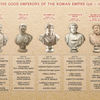
ডোমিশিয়ানের উত্তরসূরি ছিলেন তার উপদেষ্টা নার্ভা যিনি নার্ভান-আন্তোনিন রাজবংশ প্রতিষ্ঠা করেছিলেন যা 96-192 সালে রোম শাসন করেছিল। রোমের পাঁচ ভাল সম্রাট হিসাবে পরিচিত শাসকদের কারণে এই সময়কালটি ক্রমবর্ধমান সমৃদ্ধি দ্বারা চিহ্নিত করা হয়। 96 এবং 180 এর মধ্যে, পাঁচজন ব্যতিক্রমী পুরুষ ক্রমানুসারে শাসন করেছিলেন এবং রোমান সাম্রাজ্যকে তার উচ্চতায় নিয়ে এসেছিলেন:
- নার্ভা (রাজত্ব 96-98)
- ট্র্যাজান (আর. 98-117)
- হ্যাড্রিয়ান (রাজত্ব 117-138)
- - অ্যান্টোনিনাস পিয়াস (রাজত্বকাল 138-161)
- মার্কাস অরেলিয়াস (রাজত্ব 161-180)
তাদের নেতৃত্বে, রোমান সাম্রাজ্য আরও শক্তিশালী, আরও স্থিতিশীল এবং আকার ও পরিধিতে প্রসারিত হয়েছিল। লুসিয়াস ভেরাস এবং কমোডাস নারভান-আন্তোনিন রাজবংশের শেষ দু'জন। ভেরাস 169 সালে তার মৃত্যুর আগ পর্যন্ত মার্কাস অরেলিয়াসের সাথে সহ-সম্রাট ছিলেন এবং মোটামুটি অকার্যকর ছিলেন বলে মনে হয়। কমোডাস (রাজত্বকাল 180-192), অরেলিয়াসের পুত্র এবং উত্তরসূরি, রোমের দেখা সবচেয়ে লজ্জাজনক সম্রাটদের মধ্যে একজন ছিলেন এবং সর্বজনীনভাবে সাম্রাজ্যের ব্যয়ে নিজেকে এবং তার ইচ্ছাকে প্রশ্রয় দেওয়ার জন্য চিত্রিত করা হয়েছে। 192 সালে তার স্নানের সময় তার কুস্তি সঙ্গী তাকে শ্বাসরোধ করে হত্যা করেছিল, নার্ভান-আন্তোনিন রাজবংশের অবসান ঘটে এবং প্রিফেক্ট পার্টিনাক্সকে (যিনি সম্ভবত কমোডাসের হত্যাকাণ্ডের পরিকল্পনা করেছিলেন) ক্ষমতায় উন্নীত করেছিলেন।
[  পম্পেই এবং মাউন্ট ভিসুভিয়াস mchen007 (Copyright) ](https://www.worldhistory.org/image/301/pompeii-and-mt-vesuvius/ "Pompeii and Mt. Vesuvius")### সেভেরান রাজবংশ\[সম্পাদনা\]
পার্টিনাক্স হত্যার আগে মাত্র তিন মাস শাসন করেছিলেন। তিনি দ্রুত ধারাবাহিকভাবে আরও চারজন দ্বারা অনুসরণ করা হয়েছিল যা পাঁচ সম্রাটের বছর নামে পরিচিত ছিল, যা সেপ্টিমাস সেভেরাসের ক্ষমতায় উত্থানের মধ্যে শেষ হয়েছিল। সেভেরাস (রাজত্বকাল 193-211), সেভেরান রাজবংশ প্রতিষ্ঠা করেছিলেন, পার্থিয়ানদের পরাজিত করেছিলেন এবং সাম্রাজ্য প্রসারিত করেছিলেন। আফ্রিকা এবং ব্রিটেনে তার প্রচারাভিযানগুলি বিস্তৃত এবং ব্যয়বহুল ছিল এবং রোমের পরবর্তী আর্থিক অসুবিধায় অবদান রাখবে। কারাকাল্লা তার ভাইকে হত্যা না করা পর্যন্ত তার পুত্র কারাকাল্লা এবং গেটা তার স্থলাভিষিক্ত হন।
[  রোমান সৈকত হামলা The Creative Assembly (Copyright) ](https://www.worldhistory.org/image/5173/roman-beach-attack/ "Roman Beach Attack")কারাকাল্লা 217 অবধি শাসন করেছিলেন, যখন তিনি তার দেহরক্ষী দ্বারা নিহত হন। কারাকাল্লার শাসনামলে রোমান নাগরিকত্ব প্রসারিত হয়েছিল সাম্রাজ্যের মধ্যে সমস্ত মুক্ত পুরুষকে অন্তর্ভুক্ত করার জন্য। এই আইনটি কর রাজস্ব বাড়ানোর উপায় হিসাবে প্রণয়ন করা হয়েছিল বলে বলা হয়েছিল, কারণ এটি পাস হওয়ার পরে, কেন্দ্রীয় সরকার আরও বেশি লোককে কর দিতে পারে। সেভেরান রাজবংশ মূলত জুলিয়া মায়েসার ("সম্রাজ্ঞী" হিসাবে পরিচিত) নির্দেশনা এবং ম্যানিপুলেশনের অধীনে অব্যাহত ছিল, 235 সালে আলেকজান্ডার সেভেরাস (আর. 222-235) এর হত্যাকাণ্ড অবধি যা সাম্রাজ্যকে তৃতীয় শতাব্দীর সংকট (235-284 সাল পর্যন্ত স্থায়ী হয়) নামে পরিচিত বিশৃঙ্খলার মধ্যে নিমজ্জিত করেছিল।
### দুটি সাম্রাজ্য : পূর্ব ও পশ্চিম
এই সময়, যা ইম্পেরিয়াল ক্রাইসিস নামেও পরিচিত, ধ্রুবক গৃহযুদ্ধ দ্বারা চিহ্নিত করা হয়েছিল, কারণ বিভিন্ন সামরিক নেতারা সাম্রাজ্যের নিয়ন্ত্রণের জন্য লড়াই করেছিলেন। এই সংকটটি ঐতিহাসিকদের দ্বারা আরও উল্লেখ করা হয়েছে ব্যাপক সামাজিক অস্থিরতা, অর্থনৈতিক অস্থিরতা (আংশিকভাবে, সেভেরানদের দ্বারা রোমান মুদ্রার অবমূল্যায়ন দ্বারা উত্সাহিত হয়েছিল), এবং, অবশেষে, সাম্রাজ্যের বিলুপ্তি যা তিনটি পৃথক অঞ্চলে বিভক্ত হয়েছিল। সাম্রাজ্যটি অরেলিয়ান (270-275) দ্বারা পুনরায় একত্রিত হয়েছিল যার নীতিগুলি ডায়োক্লেটিয়ান দ্বারা আরও উন্নত এবং উন্নত করা হয়েছিল যিনি সাম্রাজ্য জুড়ে শৃঙ্খলা বজায় রাখার জন্য টেট্রার্কি (চারজনের শাসন) প্রতিষ্ঠা করেছিলেন।
তবুও, সাম্রাজ্যটি তখনও এতটাই বিস্তৃত ছিল যে ডায়োক্লেটিয়ান তার একজন কর্মকর্তা ম্যাক্সিমিয়ান (আর. 286-305) কে সহ-সম্রাটের পদে উন্নীত করে আরও দক্ষ প্রশাসনের সুবিধার্থে সি. এটি করার মাধ্যমে, তিনি পশ্চিম রোমান সাম্রাজ্য এবং পূর্ব রোমান সাম্রাজ্য (বাইজেন্টাইন সাম্রাজ্য নামেও পরিচিত) তৈরি করেছিলেন। যেহেতু ইম্পেরিয়াল সংকটের একটি প্রধান কারণ ছিল উত্তরাধিকারে স্পষ্টতার অভাব, তাই ডায়োক্লেটিয়ান আদেশ দিয়েছিলেন যে কোনও ব্যক্তির রাজত্বের শুরু থেকেই উত্তরসূরিদের নির্বাচন এবং অনুমোদন করতে হবে। এই উত্তরসূরিদের মধ্যে দুজন ছিলেন জেনারেল ম্যাক্সেন্টিয়াস এবং কনস্ট্যান্টাইন। ডায়োক্লেটিয়ান স্বেচ্ছায় 305 সালে শাসন থেকে অবসর নিয়েছিলেন এবং সাম্রাজ্যের প্রতিদ্বন্দ্বী অঞ্চলগুলি আধিপত্যের জন্য একে অপরের সাথে প্রতিযোগিতা করার সাথে সাথে টেট্রার্কি বিলুপ্ত হয়ে যায়। 311 সালে ডায়োক্লেটিয়ানের মৃত্যুর পরে, ম্যাক্সেন্টিয়াস এবং কনস্ট্যান্টাইন সাম্রাজ্যকে আবার গৃহযুদ্ধে নিমজ্জিত করেছিলেন।
### কনস্ট্যান্টাইন ও খ্রিস্টান ধর্ম
312 সালে, কনস্ট্যান্টাইন মিলভিয়ান ব্রিজের যুদ্ধে ম্যাক্সেন্টিয়াসকে পরাজিত করেছিলেন এবং পশ্চিম এবং পূর্ব উভয় সাম্রাজ্যের একমাত্র সম্রাট হয়েছিলেন (306-337 সাল পর্যন্ত শাসন করেছিলেন তবে সর্বোচ্চ ক্ষমতা 324-307 ধারণ করেছিলেন)। বিশ্বাস করে যে [যীশু খ্রীষ্ট](https://www.worldhistory.org/trans/bn/1-12343/) তার বিজয়ের জন্য দায়ী, কনস্ট্যান্টাইন মিলানের এডিক্ট (313) এর মতো একাধিক আইন শুরু করেছিলেন যা পুরো সাম্রাজ্য জুড়ে ধর্মীয় সহিষ্ণুতা এবং বিশেষত, বিশ্বাসের প্রতি সহনশীলতা বাধ্যতামূলক করেছিল যা খ্রিস্টান ধর্ম হিসাবে পরিচিত হয়েছিল।
[  কনস্ট্যান্টাইনের কলোসাস Dana Murray (CC BY-NC-SA) ](https://www.worldhistory.org/image/3632/the-colossus-of-constantine/ "The Colossus of Constantine")পূর্ববর্তী রোমান সম্রাটরা যেমন তাদের কর্তৃত্ব এবং অবস্থান বাড়ানোর জন্য কোনও দেবতার সাথে একটি বিশেষ সম্পর্ক দাবি করেছিলেন (উদাহরণস্বরূপ সেরাপিসের সাথে কারাকালা, বা বৃহস্পতির সাথে ডায়োক্লেটিয়ান), কনস্ট্যান্টাইন যীশু খ্রিস্টের চিত্রটি বেছে নিয়েছিলেন। নাইসিয়ার প্রথম কাউন্সিলে (325), তিনি বিশ্বাসকে কোড করার জন্য এবং যীশুর দেবত্বের মতো গুরুত্বপূর্ণ বিষয়গুলি এবং কোন পাণ্ডুলিপিগুলি সংগ্রহ করে আজ [বাইবেল](https://www.worldhistory.org/trans/bn/1-191/) নামে পরিচিত বইটি গঠনের জন্য সিদ্ধান্ত নেওয়ার জন্য সমাবেশের সভাপতিত্ব করেছিলেন। তিনি সাম্রাজ্যকে স্থিতিশীল করেছিলেন, মুদ্রার পুনর্মূল্যায়ন করেছিলেন এবং সামরিক বাহিনীর সংস্কার করেছিলেন, পাশাপাশি তিনি নিউ রোম নামে পরিচিত শহরটি প্রতিষ্ঠা করেছিলেন প্রাক্তন শহর বাইজেন্টিয়াম (আধুনিক ইস্তাম্বুল) যা কনস্টান্টিনোপল নামে পরিচিত হয়েছিল।
পরবর্তী খ্রিস্টান লেখকদের কারণে তিনি কনস্ট্যান্টাইন দ্য গ্রেট নামে পরিচিত ছিলেন যারা তাকে তাদের বিশ্বাসের শক্তিশালী চ্যাম্পিয়ন হিসাবে দেখেছিলেন, তবে অনেক ঐতিহাসিক যেমন উল্লেখ করেছেন, এই সম্মানজনকটি সহজেই তার ধর্মীয়, সাংস্কৃতিক এবং রাজনৈতিক সংস্কারের পাশাপাশি যুদ্ধে তার দক্ষতা এবং তার বড় আকারের বিল্ডিং প্রকল্পগুলির জন্য দায়ী করা যেতে পারে। তার মৃত্যুর পরে, তার পুত্ররা সাম্রাজ্যের উত্তরাধিকার [সূত্র](https://www.worldhistory.org/trans/bn/1-12132/)ে পেয়েছিল এবং মোটামুটি দ্রুত, একে অপরের সাথে একাধিক দ্বন্দ্ব শুরু করেছিল যা কনস্ট্যান্টাইনের সমস্ত অর্জন বাতিল করার হুমকি দিয়েছিল।
তাঁর তিন পুত্র, দ্বিতীয় কনস্ট্যান্টাইন, দ্বিতীয় কনস্ট্যান্টাইয়াস এবং কনস্ট্যান্স রোমান সাম্রাজ্যকে তাদের মধ্যে ভাগ করে নিয়েছিলেন তবে শীঘ্রই তাদের মধ্যে কে বেশি প্রাপ্য তা নিয়ে লড়াইয়ে পড়েছিলেন। এই দ্বন্দ্বে দ্বিতীয় কনস্ট্যান্টাইন এবং কনস্ট্যান্স নিহত হন। দ্বিতীয় কনস্টান্টিয়াস তার চাচাতো ভাই জুলিয়ানকে তার উত্তরসূরি এবং উত্তরাধিকারী হিসাবে নামকরণ করার পরে পরে মারা যান। সম্রাট জুলিয়ান মাত্র দুই বছর (361-363) শাসন করেছিলেন এবং সেই সময়ে, সরকারে দক্ষতা বাড়ানোর লক্ষ্যে ধারাবাহিক সংস্কারের মাধ্যমে রোমকে তার পূর্বের গৌরবে ফিরিয়ে আনার চেষ্টা করেছিলেন।
একজন নিও-প্লেটোনিক দার্শনিক হিসাবে, জুলিয়ান খ্রিস্টধর্মকে প্রত্যাখ্যান করেছিলেন এবং সাম্রাজ্যের পতনের জন্য বিশ্বাসকে এবং এর জন্য কনস্ট্যান্টাইনের সমর্থনকে দোষারোপ করেছিলেন। আনুষ্ঠানিকভাবে ধর্মীয় সহনশীলতার নীতি ঘোষণা করার সময়, জুলিয়ান পদ্ধতিগতভাবে খ্রিস্টানদের প্রভাবশালী সরকারী পদ থেকে সরিয়ে দিয়েছিলেন, ধর্মের শিক্ষা ও প্রচার নিষিদ্ধ করেছিলেন এবং খ্রিস্টানদের সামরিক পরিষেবা থেকে নিষিদ্ধ করেছিলেন। পারস্যদের বিরুদ্ধে অভিযান চলাকালীন তাঁর মৃত্যু কনস্ট্যান্টাইনের শুরু হওয়া রাজবংশের অবসান ঘটায়। তিনি ছিলেন রোমের শেষ পৌত্তলিক সম্রাট এবং খ্রিস্টান ধর্মের বিরোধিতার জন্য 'জুলিয়ান দ্য অ্যাপোস্টেট' নামে পরিচিত হন।
[  বাইজেন্টাইন সাম্রাজ্য আনুমানিক 460 খ্রিস্টাব্দ Tataryn77 (CC BY-SA) ](https://www.worldhistory.org/image/7704/byzantine-empire-c-460-ce/ "Byzantine Empire c. 460 CE")জোভিয়ানের সংক্ষিপ্ত শাসনের পরে, যিনি খ্রিস্টান ধর্মকে সাম্রাজ্যের প্রভাবশালী বিশ্বাস হিসাবে পুনরায় প্রতিষ্ঠিত করেছিলেন এবং জুলিয়ানের বিভিন্ন আদেশ বাতিল করেছিলেন, সম্রাটের দায়িত্ব থিওডোসিয়াস প্রথম এর উপর পড়েছিল। থিওডোসিয়াস প্রথম (রাজত্বকাল 379-395) কনস্টান্টাইন এবং জোভিয়ানের ধর্মীয় সংস্কারকে তাদের স্বাভাবিক উদ্দেশ্যে নিয়ে গিয়েছিলেন, সাম্রাজ্য জুড়ে পৌত্তলিক উপাসনা নিষিদ্ধ করেছিলেন, স্কুল এবং বিশ্ববিদ্যালয়গুলি বন্ধ করেছিলেন এবং 380 সালে খ্রিস্টান ধর্ম রোমের রাষ্ট্রীয় ধর্ম ঘোষণার পরে পৌত্তলিক মন্দিরগুলিকে খ্রিস্টান গীর্জায় রূপান্তরিত করেছিলেন।
এই সময়েই প্লেটোর বিখ্যাত একাডেমি থিওডোসিয়াসের ডিক্রি দ্বারা বন্ধ হয়ে যায়। তার অনেক সংস্কার রোমান অভিজাততন্ত্র এবং সাধারণ মানুষ উভয়ের কাছেই অজনপ্রিয় ছিল যারা পৌত্তলিক অনুশীলনের ঐতিহ্যগত মূল্যবোধ ধরে রেখেছিল। পৌত্তলিকতা যে সামাজিক কর্তব্য এবং ধর্মীয় বিশ্বাসের ঐক্য সরবরাহ করেছিল তা এমন একটি ধর্মের প্রতিষ্ঠান দ্বারা বিচ্ছিন্ন হয়েছিল যা পৃথিবী এবং মানব সমাজ থেকে দেবতাদের সরিয়ে দিয়েছিল এবং কেবল এক ঈশ্বরকে ঘোষণা করেছিল যিনি স্বর্গ থেকে শাসন করেছিলেন।
এই নতুন দেবতা, প্রাচীনকালের দেবতাদের বিপরীতে, রোমের প্রতি বিশেষ আগ্রহ ছিল না - তিনি সমস্ত মানুষের দেবতা ছিলেন - এবং এটি রোমের ধর্মকে রোম রাজ্য থেকে দূরে সরিয়ে দিয়েছিল। পূর্বে, রোমান ধর্মীয় বিশ্বাস রাষ্ট্রীয় পৃষ্ঠপোষকতায় ছিল এবং আচার-অনুষ্ঠান এবং উৎসবগুলি সরকারের মর্যাদা বাড়ানোর জন্য গিয়েছিল। থিওডোসিয়াস প্রথম খ্রিস্টধর্মের প্রচারের জন্য এত বেশি প্রচেষ্টা করেছিলেন যে তিনি সম্রাট হিসাবে অন্যান্য দায়িত্বগুলি অবহেলা করেছিলেন বলে মনে হয় এবং পূর্ব এবং পশ্চিম উভয় সাম্রাজ্য শাসন করার জন্য তিনি শেষ হবেন।
[  পশ্চিম রোমান সাম্রাজ্যের পতনের মানচিত্র, আনুমানিক 480 খ্রিস্টাব্দ Simeon Netchev (CC BY-NC-ND) ](https://www.worldhistory.org/image/17289/map-of-the-fall-of-the-western-roman-empire-c-480/ "Map of the Fall of the Western Roman Empire, c. 480 CE")### রোমান সাম্রাজ্যের পতন
376-382 সাল থেকে, রোম আক্রমণকারী গথদের বিরুদ্ধে একাধিক যুদ্ধ করেছিল যা আজ গথিক যুদ্ধ নামে পরিচিত। অ্যাড্রিয়ানোপলের যুদ্ধে, 9 আগস্ট 378, রোমান সম্রাট ভ্যালেন্স (রাজত্বকাল 364-378) পরাজিত হন এবং ইতিহাসবিদরা এই ঘটনাটিকে [পশ্চিম রোমান সাম্রাজ্যের পতন](https://www.worldhistory.org/trans/bn/2-835/)ের গুরুত্বপূর্ণ হিসাবে চিহ্নিত করেছেন। সাম্রাজ্যের পতনের কারণ সম্পর্কে বিভিন্ন তত্ত্ব প্রস্তাব করা হয়েছে, তবে আজও সেই নির্দিষ্ট কারণগুলি কী ছিল সে সম্পর্কে কোনও সার্বজনীন ঐকমত্য নেই। এডওয়ার্ড গিবন তাঁর দ্য হিস্ট্রি অফ দ্য ডিক্লন অ্যান্ড ফল অফ দ্য রোমান এম্পায়ারে বিখ্যাতভাবে যুক্তি দিয়েছেন যে খ্রিস্টধর্ম একটি গুরুত্বপূর্ণ ভূমিকা পালন করেছিল, এতে নতুন ধর্ম সাম্রাজ্যের সামাজিক রীতিনীতিকে দুর্বল করেছিল যা পৌত্তলিকতা সরবরাহ করেছিল।
সাম্রাজ্যের পতনের মূল কারণ ছিল খ্রিস্টান ধর্ম যে তত্ত্বটি গিবনের অনেক আগে বিতর্কিত হয়েছিল, তবে ধর্মতত্ত্ববিদ [ওরোসিয়াস](https://www.worldhistory.org/trans/bn/1-532/) (পঞ্চম শতাব্দী) 418 সালের গোড়ার দিকে রোমের পতনে খ্রিস্টধর্মের নির্দোষতা নিয়ে যুক্তি দিয়েছিলেন। ওরোসিয়াস দাবি করেছিলেন যে এটি মূলত পৌত্তলিকতা এবং পৌত্তলিক অনুশীলন ছিল যা রোমের পতনের কারণ হয়েছিল। রোমের পতনের অন্যান্য অবদানকারী কারণগুলির মধ্যে রয়েছে:
- সাম্রাজ্যের আকারের কারণে রাজনৈতিক অস্থিরতা
- সাম্রাজ্যের দুই অর্ধাংশের স্বার্থ
- বর্বর উপজাতিদের উপর আক্রমণ
- সরকারি দুর্নীতি
- ভাড়াটে সেনাবাহিনী
- দাস শ্রমের উপর অতিরিক্ত নির্ভরতা
- ব্যাপক বেকারত্ব ও মুদ্রাস্ফীতি
সাম্রাজ্যের অনিয়ন্ত্রিত বিশালতা, এমনকি দু'ভাগে বিভক্ত, এটি পরিচালনা করা কঠিন করে তুলেছিল। পশ্চিমা সাম্রাজ্য যখন লড়াই করেছিল তখন পূর্ব সাম্রাজ্য বিকশিত হয়েছিল এবং কেউই অন্যকে সহায়তা করার বিষয়ে খুব বেশি চিন্তা করেনি। পূর্ব এবং পশ্চিম রোম একে অপরকে সতীর্থদের চেয়ে প্রতিযোগী হিসাবে বেশি দেখেছিল এবং প্রাথমিকভাবে তাদের নিজস্ব স্বার্থে কাজ করেছিল। জার্মানীয় উপজাতিদের ক্রমবর্ধমান শক্তি এবং রোমে তাদের ক্রমাগত আগ্রাসন আরও কার্যকরভাবে মোকাবেলা করা যেতে পারত যদি সরকারী দুর্নীতি, বিশেষত প্রাদেশিক গভর্নরদের মধ্যে, এবং সামগ্রিকভাবে রোমানদের দ্বারা গথদের প্রতি ন্যায্য আচরণ না হত।
রোমান সামরিক বাহিনী, মূলত বর্বর ভাড়াটে সৈন্যদের দ্বারা পরিচালিত হয়েছিল যাদের রোমের সাথে কোনও জাতিগত সম্পর্ক ছিল না, তারা আর আগের মতো দক্ষতার সাথে সীমান্ত রক্ষা করতে পারে না বা সরকার প্রদেশগুলিতে সহজে কর সংগ্রহ করতে পারেনি। উপরন্তু, সেভেরান রাজবংশের অধীনে শুরু হওয়া মুদ্রার অবমূল্যায়ন অবিচ্ছিন্নভাবে মুদ্রাস্ফীতিকে উত্সাহিত করেছিল যখন ব্যাপক দাস শ্রম নিম্নবিত্ত নাগরিকদের চাকরি থেকে বঞ্চিত করেছিল এবং বেকারত্বের মাত্রা বৃদ্ধি করেছিল। তৃতীয় শতাব্দীতে সাম্রাজ্যে ভিসিগথদের আগমন, আক্রমণকারী হুনদের কাছ থেকে পালিয়ে যাওয়া এবং তাদের পরবর্তী বিদ্রোহগুলিও পতনের একটি অবদানকারী কারণ হিসাবে উল্লেখ করা হয়েছে।
[  রোমান সাম্রাজ্য আক্রমণ MapMaster (CC BY-SA) ](https://www.worldhistory.org/image/4131/invasions-of-the-roman-empire/ "Invasions of the Roman Empire")পশ্চিম রোমান সাম্রাজ্য আনুষ্ঠানিকভাবে 4 সেপ্টেম্বর 476 শেষ হয়েছিল, যখন সম্রাট রোমুলাস অগাস্টুলাসকে জার্মানীয় রাজা ওডোয়েসার দ্বারা ক্ষমতাচ্যুত করা হয়েছিল (যদিও কিছু ইতিহাসবিদ জুলিয়াস নেপোসের মৃত্যুর সাথে 480 হিসাবে শেষ হয়েছিল)। পূর্ব রোমান সাম্রাজ্য 1453 অবধি বাইজেন্টাইন সাম্রাজ্য হিসাবে অব্যাহত ছিল এবং যদিও প্রথম দিকে কেবল "রোমান সাম্রাজ্য" হিসাবে পরিচিত ছিল, তবে এটি সেই সত্তার সাথে খুব বেশি সাদৃশ্যপূর্ণ ছিল না। পশ্চিম রোমান সাম্রাজ্য পরে পবিত্র রোমান সাম্রাজ্য (962-1806) হিসাবে পুনরায় আবিষ্কৃত হয়েছিল, তবে এই নির্মাণটিও প্রাচীনকালের রোমান সাম্রাজ্য থেকে অনেক দূরে ছিল এবং কেবল নামের দিক থেকে একটি "সাম্রাজ্য" ছিল।
### রোমান সাম্রাজ্যের উত্তরাধিকার
রোমান সাম্রাজ্য দ্বারা উত্পন্ন আবিষ্কার এবং উদ্ভাবনগুলি প্রাচীন মানুষের জীবনকে গভীরভাবে পরিবর্তন করেছিল এবং আজও বিশ্বজুড়ে সংস্কৃতিতে ব্যবহৃত হয়। রাস্তা এবং বিল্ডিং, ইনডোর প্লাম্বিং, অ্যাকুইডাক্ট এবং এমনকি দ্রুত শুকনো সিমেন্ট নির্মাণের অগ্রগতি রোমানদের দ্বারা আবিষ্কার বা উন্নত করা হয়েছিল।
পাশ্চাত্যে ব্যবহৃত ক্যালেন্ডারটি জুলিয়াস সিজারের তৈরি ক্যালেন্ডার থেকে উদ্ভূত হয়েছে এবং সপ্তাহের দিনগুলির নাম (রোমান্স ভাষায়) এবং বছরের মাসগুলিও রোম থেকে এসেছে। এমনকি কেউ চায় না এমন কিছু ক্রয় ফেরত দেওয়ার অভ্যাসও রোম থেকে আসে যার আইন কোনও ভোক্তার পক্ষে বিক্রেতার কাছে কিছু ত্রুটিযুক্ত বা অবাঞ্ছিত পণ্যদ্রব্য ফিরিয়ে আনার জন্য বৈধ করে তোলে।
অ্যাপার্টমেন্ট কমপ্লেক্স (ইনসুলা নামে পরিচিত), পাবলিক টয়লেট, তালা এবং চাবি, সংবাদপত্র, এমনকি মোজা সবই রোমানদের দ্বারা জুতা, একটি ডাক ব্যবস্থা (পারস্যদের অনুকরণ), প্রসাধনী, ম্যাগনিফাইং গ্লাস এবং সাহিত্যে ব্যঙ্গের ধারণা হিসাবে তৈরি করা হয়েছিল। সাম্রাজ্যের সময়ে, ঔষধ, আইন, ধর্ম, সরকার এবং যুদ্ধের ক্ষেত্রেও উল্লেখযোগ্য বিকাশ ঘটেছিল।
রোমানরা তাদের বিজয়ী অঞ্চলগুলির আদিবাসী জনগণের মধ্যে যে আবিষ্কার বা ধারণাগুলি খুঁজে পেয়েছিল তা থেকে ধার নিতে এবং উন্নত করতে পারদর্শী ছিল। সুতরাং এটি বলা কঠিন যে একটি "আসল" রোমান আবিষ্কার কী এবং প্রাক-বিদ্যমান ধারণা, কৌশল বা সরঞ্জামের উদ্ভাবন কী। তবে এটি নিরাপদে বলা যেতে পারে যে রোমান সাম্রাজ্য একটি স্থায়ী উত্তরাধিকার রেখে গেছে যা বর্তমান সময়ে মানুষের জীবনযাত্রাকে প্রভাবিত করে চলেছে।
[](https://www.worldhistory.org/collection/184/ancient-rome-in-8-infographics/)Image Gallery#### [Ancient Rome in 8 Infographics](https://www.worldhistory.org/collection/184/ancient-rome-in-8-infographics/)
The culture of ancient Rome intricately blended laws, military values, and cultural innovations to lay the groundwork for a civilization that endured...
#### Editorial Review
This human-authored definition has been reviewed by our editorial team before publication to ensure accuracy, reliability and adherence to academic standards in accordance with our [editorial policy](https://www.worldhistory.org/static/editorial-policy/).
## গ্রন্থপঞ্জী
- [Adkins, L. & Adkins, R. A. *Handbook to Life in Ancient Rome.* Oxford University Press, 1998.](https://www.worldhistory.org/books/0195123328/)
- [Durant, W. *Caesar and Christ.* Simon & Schuster, 1980.](https://www.worldhistory.org/books/0671115006/)
- [Gibbon, E. *The History of the Decline and Fall of the Roman Empire.* Penguin, 2000.](https://www.worldhistory.org/books/B002XHNO8S/)
- [Grant, M. *Readings in the Classical Historians.* Scribner, 1993.](https://www.worldhistory.org/books/0684192454/)
- [Grant, M. *The Climax of Rome.* Weidenfeld, London, 1993.](https://www.worldhistory.org/books/0297813919/)
- [Harvey, B. K. *Daily Life in Ancient Rome.* Focus, 2016.](https://www.worldhistory.org/books/1585107956/)
- [Herwig, W. *History of the Goths.* University of California Press, 1988.](https://www.worldhistory.org/books/B001JL5UWW/)
- [Kelly, C. *The Roman Empire.* Oxford University Press, 2006.](https://www.worldhistory.org/books/0192803913/)
- [Lewis, J. E. *The Mammoth Book of Eyewitness Ancient Rome.* Running Press, 2003.](https://www.worldhistory.org/books/078671168X/)
- [Mellor, R. *The Historians of Ancient Rome.* Routledge, 2012.](https://www.worldhistory.org/books/0415527163/)
- [Polybius. *The Rise of the Roman Empire.* Penguin Classics, 1980.](https://www.worldhistory.org/books/0140443622/)
- [Tacitus. *Annals of Tacitus.* Cambridge University Press, 2001.](https://www.worldhistory.org/books/0521469961/)
- [The Roman Empire](http://www.roman-empire.net/ "The Roman Empire"), accessed 1 Dec 2016.
- [Titus Livy. *Livy's Histories.* Penguin Classics, 2002.](https://www.worldhistory.org/books/0140448098/)
## লেখকের সম্পর্কে
জোসুয়া যে মার্ক একজন 'ফ্রিল্যান্স' লেখক এবং নিউ ইয়র্ক, মারিস্ট কলেজের প্রাক্তণ পার্ট-টাইম প্রফেসর অফ ফিলজফি। নিবাস গ্রীস এবং জার্মানি। ইজিপ্ট ভ্রমণ করেছেন একাধিকবার। কলেজে উনি ইতিহাস, লেখালিখি, সাহিত্য এবং দর্শন বিষয়ে শিক্ষাদান করেছেন।
- [Linkedin Profile](https://www.linkedin.com/pub/joshua-j-mark/38/614/339)
## সময়রেখা
- **753 BCE**: The legendary founding date of [Rome](https://www.worldhistory.org/Rome/).
- **212 BCE**: The Romans [conquer](https://www.worldhistory.org/warfare/) [Saguntum](https://www.worldhistory.org/Saguntum/) from the Carthaginians.
- **206 BCE - 205 BCE**: The Romans [conquer](https://www.worldhistory.org/warfare/) [Gades](https://www.worldhistory.org/Gades/). End of the Carthaginian presence on the Iberian Peninsula.
- **191 BCE**: [Delphi](https://www.worldhistory.org/delphi/) comes under [Roman](https://www.worldhistory.org/disambiguation/Roman/) control.
- **c. 191 BCE**: The [Achaean League](https://www.worldhistory.org/Achaean_League/) signs a treaty of alliance with [Rome](https://www.worldhistory.org/Rome/).
- **188 BCE**: [Rome](https://www.worldhistory.org/Rome/) gives [Samos](https://www.worldhistory.org/samos/) its independence.
- **166 BCE**: [Rome](https://www.worldhistory.org/Rome/) gives dominion over the [Cyclades](https://www.worldhistory.org/Cyclades/) to [Athens](https://www.worldhistory.org/Athens/).
- **c. 150 BCE**: Macedonia becomes a [Roman](https://www.worldhistory.org/disambiguation/Roman/) province.
- **150 BCE**: The Lusitani are betrayed and slaughtered by the Romans.
- **148 BCE**: [Corcyra](https://www.worldhistory.org/corcyra/) is made part of the [Roman](https://www.worldhistory.org/disambiguation/Roman/) province of Macedonia.
- **146 BCE**: [Thessalonica](https://www.worldhistory.org/Thessalonica/) is made the captial of the [Roman](https://www.worldhistory.org/disambiguation/Roman/) province of [Macedon](https://www.worldhistory.org/macedon/).
- **146 BCE**: End of the [Third Punic War](https://www.worldhistory.org/Third_Punic_War/). [Carthage](https://www.worldhistory.org/carthage/) is destroyed and its lands become the [Roman](https://www.worldhistory.org/disambiguation/Roman/) province [Africa](https://www.worldhistory.org/disambiguation/africa/).
- **146 BCE**: [Utica](https://www.worldhistory.org/Utica/) is made the capital of the [Roman](https://www.worldhistory.org/disambiguation/Roman/) province of [Africa](https://www.worldhistory.org/disambiguation/africa/).
- **133 BCE**: [Lydia](https://www.worldhistory.org/lydia/) and its captial [Sardis](https://www.worldhistory.org/sardis/) comes under [Roman](https://www.worldhistory.org/disambiguation/Roman/) rule.
- **129 BCE**: [Samos](https://www.worldhistory.org/samos/) becomes part of the [Roman](https://www.worldhistory.org/disambiguation/Roman/) province of Asia.
- **96 BCE**: Cyrenaica becomes a [Roman](https://www.worldhistory.org/disambiguation/Roman/) province.
- **74 BCE**: The [city](https://www.worldhistory.org/city/) of [Cyrene](https://www.worldhistory.org/cyrene/) comes under [Roman](https://www.worldhistory.org/disambiguation/Roman/) control.
- **64 BCE**: [Tyre](https://www.worldhistory.org/Tyre/) becomes a [Roman](https://www.worldhistory.org/disambiguation/Roman/) colony.
- **64 BCE**: [Byblos](https://www.worldhistory.org/Byblos/) conquered by the [Roman](https://www.worldhistory.org/disambiguation/Roman/) general [Pompey the Great](https://www.worldhistory.org/pompey/).
- **63 BCE**: [Jerash](https://www.worldhistory.org/Jerash/) in [Jordan](https://www.worldhistory.org/Jordan/) becomes part of the [Roman](https://www.worldhistory.org/disambiguation/Roman/) province of [Syria](https://www.worldhistory.org/syria/).
- **48 BCE**: [Butrint](https://www.worldhistory.org/Butrint/) formally becomes a [Roman](https://www.worldhistory.org/disambiguation/Roman/) colony.
- **44 BCE**: [Julius Caesar](https://www.worldhistory.org/Julius_Caesar/) founds the [Roman](https://www.worldhistory.org/disambiguation/Roman/) colony of [Corinth](https://www.worldhistory.org/corinth/).
- **41 BCE**: [Rome](https://www.worldhistory.org/Rome/) takes control over [Naxos](https://www.worldhistory.org/Naxos/) in the [Cyclades](https://www.worldhistory.org/Cyclades/).
- **37 BCE - 4 BCE**: Reign of [Herod the Great](https://www.worldhistory.org/Herod_the_Great/) over Judea.
- **31 BCE**: [Octavian](https://www.worldhistory.org/augustus/) uses [Corcyra](https://www.worldhistory.org/corcyra/) as a [Roman](https://www.worldhistory.org/disambiguation/Roman/) naval base.
- **30 BCE**: [Egypt](https://www.worldhistory.org/egypt/) becomes province of the [Roman Empire](https://www.worldhistory.org/Roman_Empire/).
- **30 BCE - 476 CE**: [Egypt](https://www.worldhistory.org/egypt/) remains a province of the [Roman Empire](https://www.worldhistory.org/Roman_Empire/).
- **27 BCE**: [Philippi](https://www.worldhistory.org/Philippi/) gains the honorary title of Colonia Iulia Augusta Philippensis.
- **c. 27 BCE**: [Augustus](https://www.worldhistory.org/augustus/) makes [Gortyn](https://www.worldhistory.org/Gortyn/) the capital of the [Roman](https://www.worldhistory.org/disambiguation/Roman/) province of [Crete](https://www.worldhistory.org/crete/) & [Cyrene](https://www.worldhistory.org/cyrene/).
- **27 BCE - 19 BCE**: Cantabrian Wars: [Roman](https://www.worldhistory.org/disambiguation/Roman/) [conquest](https://www.worldhistory.org/warfare/) of the Iberian Penninsula.
- **25 BCE**: [Galatia](https://www.worldhistory.org/galatia/) is peacefully absorbed into the [Roman Empire](https://www.worldhistory.org/Roman_Empire/).
- **14 BCE - 96 CE**: [Rome](https://www.worldhistory.org/Rome/) launches an extensive cultural patronage and construction programme in [Iberia](https://www.worldhistory.org/disambiguation/iberia/).
- **1 CE - 100 CE**: [Mithraism](https://www.worldhistory.org/Mithraic_Mysteries/) spreads in the [Roman empire](https://www.worldhistory.org/Roman_Empire/).
- **6 CE**: [Publius Quinctilius Varus](https://www.worldhistory.org/Publius_Quinctilius_Varus/) is made governor of Germania.
- **9 CE**: The Rhine River is established as the boundary between the Latin and German speaking worlds, following the defeat of the [Roman army](https://www.worldhistory.org/Roman_Army/), under the command of Varus, at the [Battle](https://www.worldhistory.org/disambiguation/battle/) of the Teutoburg Forest.
- **43 CE**: Romans invade [Britain](https://www.worldhistory.org/disambiguation/Britain/) under Aulus Plautius.
- **43 CE**: [Claudius](https://www.worldhistory.org/claudius/) commences the [Roman](https://www.worldhistory.org/disambiguation/Roman/) [conquest](https://www.worldhistory.org/warfare/) of [Britain](https://www.worldhistory.org/disambiguation/Britain/).
- **43 CE - 47 CE**: Romans [conquer](https://www.worldhistory.org/warfare/) South [Britain](https://www.worldhistory.org/disambiguation/Britain/) and claim the territory as part of [Roman Empire](https://www.worldhistory.org/Roman_Empire/).
- **44 CE**: [Caesarea](https://www.worldhistory.org/disambiguation/Caesarea/) made capital of imperial province.
- **47 CE - 50 CE**: Londinium (London) founded, roads constructed.
- **51 CE**: [Briton](https://www.worldhistory.org/Ancient_Britain/) rebel leader [Caratacus](https://www.worldhistory.org/caratacus/) defeated, rebellion crushed.
- **54 CE - 60 CE**: [Roman](https://www.worldhistory.org/disambiguation/Roman/) general Corbulo successfully campaigns in [Armenia](https://www.worldhistory.org/armenia/).
- **68 CE - 69 CE**: [Year of the Four Emperors](https://www.worldhistory.org/Year_of_the_Four_Emperors/): Civil [war](https://www.worldhistory.org/disambiguation/War/) in [Rome](https://www.worldhistory.org/Rome/).
- **75 CE - 77 CE**: Romans defeat the last of the Northern tribes; [Roman](https://www.worldhistory.org/disambiguation/Roman/) [conquest](https://www.worldhistory.org/warfare/) of [Britain](https://www.worldhistory.org/disambiguation/Britain/) complete.
- **76 CE - 138 CE**: Life of Emperor [Hadrian](https://www.worldhistory.org/hadrian/).
- **85 CE - 86 CE**: Dacians invade Moesia and defeat the Romans.
- **86 CE**: The [Roman](https://www.worldhistory.org/disambiguation/Roman/) general Cornelius Fuscus invades [Dacia](https://www.worldhistory.org/dacia/). He is ambushed and his army is annihilated.
- **88 CE**: Resolved to avenge Fuscus' defeat, [Domitian](https://www.worldhistory.org/domitian/) sends another army to [Dacia](https://www.worldhistory.org/dacia/) under Tettius Iulianus. This general is victorious on the mountainous pass of Tapae, in the south-west of modern Romania.
- **101 CE - 106 CE**: [Trajan](https://www.worldhistory.org/trajan/) conquers [Dacia](https://www.worldhistory.org/dacia/).
- **106 CE**: [Jerash](https://www.worldhistory.org/Jerash/) in [Jordan](https://www.worldhistory.org/Jordan/) becomes part of the [Roman](https://www.worldhistory.org/disambiguation/Roman/) province of [Arabia](https://www.worldhistory.org/Arabia/).
- **115 CE - 117 CE**: [Rome](https://www.worldhistory.org/Rome/) occupies [Mesopotamia](https://www.worldhistory.org/Mesopotamia/).
- **116 CE**: Invasion and annexation of the [Fertile Crescent](https://www.worldhistory.org/Fertile_Crescent/) region by [Rome](https://www.worldhistory.org/Rome/) under [Trajan](https://www.worldhistory.org/trajan/).
- **11 Aug 117 CE - 10 Jul 138 CE**: Reign of [Roman Emperor](https://www.worldhistory.org/Roman_Emperor/) [Hadrian](https://www.worldhistory.org/hadrian/).
- **121 CE - 125 CE**: First trip of [Hadrian](https://www.worldhistory.org/hadrian/) around the [Empire](https://www.worldhistory.org/empire/): [Gaul](https://www.worldhistory.org/gaul/), Germania, Noricum, [Britain](https://www.worldhistory.org/disambiguation/Britain/), Cappadocia, [Galatia](https://www.worldhistory.org/galatia/), Bithynia, Asia, [Greece](https://www.worldhistory.org/greece/), Moesia, [Dacia](https://www.worldhistory.org/dacia/), and Pannonia.
- **26 Apr 121 CE - 17 Mar 180 CE**: Life of [Marcus Aurelius](https://www.worldhistory.org/Marcus_Aurelius/).
- **142 CE**: The [Antonine Wall](https://www.worldhistory.org/Antonine_Wall/) built under [Antoninus Pius](https://www.worldhistory.org/Antoninus_Pius/), north of [Hadrian's Wall](https://www.worldhistory.org/Hadrians_Wall/).
- **165 CE - 167 CE**: [Plague](https://www.worldhistory.org/disambiguation/plague/) epidemic in the [Roman empire](https://www.worldhistory.org/Roman_Empire/).
- **167 CE**: Marcomanni sack [Aquileia](https://www.worldhistory.org/aquileia/).
- **167 CE - 180 CE**: Marcomannic Wars.
- **168 CE**: Germanic tribes cross the Danube into the [Roman Empire](https://www.worldhistory.org/Roman_Empire/).
- **192 CE**: Emperor [Commodus](https://www.worldhistory.org/commodus/) is murdered, civil [war](https://www.worldhistory.org/disambiguation/War/) ensues (until 197 CE).
- **195 CE**: First Parthian [war](https://www.worldhistory.org/disambiguation/War/).
- **197 CE - 198 CE**: Second Parthian [war](https://www.worldhistory.org/disambiguation/War/).
- **198 CE - 209 CE**: Reign of [Caracalla](https://www.worldhistory.org/Caracalla/) with his father [Septimius Severus](https://www.worldhistory.org/Septimius_Severus/).
- **200 CE**: Completion of the [Roman](https://www.worldhistory.org/disambiguation/Roman/) road system.
- **c. 204 CE - 270 CE**: Life of [Plotinus](https://www.worldhistory.org/Plotinus/).
- **209 CE - Dec 211 CE**: Reign of [Caracalla](https://www.worldhistory.org/Caracalla/) with his father [Septimius Severus](https://www.worldhistory.org/Septimius_Severus/) and his brother Geta (Feb - Dec 211 only with Geta).
- **212 CE**: [Caracalla](https://www.worldhistory.org/Caracalla/)'s edict grants [Roman citizenship](https://www.worldhistory.org/article/859/roman-citizenship/) to all free inhabitants of the [Roman Empire](https://www.worldhistory.org/Roman_Empire/).
- **212 CE**: [Rome](https://www.worldhistory.org/Rome/) withdraws from region of [Scotland](https://www.worldhistory.org/disambiguation/Scotland/).
- **212 CE**: [Roman citizenship](https://www.worldhistory.org/article/859/roman-citizenship/) granted to all inhabitants of the [empire](https://www.worldhistory.org/empire/).
- **232 CE**: Emperor [Maximinus Thrax](https://www.worldhistory.org/Maximinus_Thrax/) commands a legion in [Egypt](https://www.worldhistory.org/egypt/).
- **234 CE**: Emperor [Maximinus Thrax](https://www.worldhistory.org/Maximinus_Thrax/) is governor of [Mesopotamia](https://www.worldhistory.org/Mesopotamia/).
- **238 CE**: Year of the Six Emperors in the [Roman Empire](https://www.worldhistory.org/Roman_Empire/).
- **242 CE**: Osroene, with its capital at [Edessa](https://www.worldhistory.org/edessa/), is made into a [Roman](https://www.worldhistory.org/disambiguation/Roman/) province.
- **250 CE**: [Thessalonica](https://www.worldhistory.org/Thessalonica/) is made a [Roman](https://www.worldhistory.org/disambiguation/Roman/) colony.
- **260 CE**: [Shapur I](https://www.worldhistory.org/Shapur_I/) captures the [Roman emperor](https://www.worldhistory.org/Roman_Emperor/) [Valerian](https://www.worldhistory.org/valerian/) at [Edessa](https://www.worldhistory.org/edessa/).
- **261 CE**: [Thugga](https://www.worldhistory.org/Dougga/) is made a [Roman](https://www.worldhistory.org/disambiguation/Roman/) colonia.
- **262 CE - 266 CE**: Odaenathus expels Persian garrisons and restores [Syria](https://www.worldhistory.org/syria/) and [Armenia](https://www.worldhistory.org/armenia/) to the [Roman Empire](https://www.worldhistory.org/Roman_Empire/). Odaenathus invades [Mesopotamia](https://www.worldhistory.org/Mesopotamia/), and inflicts two defeats upon [Shapur I](https://www.worldhistory.org/Shapur_I/), which ends with the sack of [Ctesiphon](https://www.worldhistory.org/ctesiphon/).
- **Sep 270 CE - c. Sep 275 CE**: Reign of [Roman emperor](https://www.worldhistory.org/Roman_Emperor/) [Aurelian](https://www.worldhistory.org/Aurelian/).
- **271 CE**: [Aurelian](https://www.worldhistory.org/Aurelian/) defends the [Roman Empire](https://www.worldhistory.org/Roman_Empire/) against Juthungi, Alamanni, and Marcomanni incursions.
- **272 CE - 273 CE**: [Aurelian](https://www.worldhistory.org/Aurelian/) successfully campaigns against Palmyra.
- **285 CE**: The [Roman empire](https://www.worldhistory.org/Roman_Empire/) is split into the Western and Eastern [Roman](https://www.worldhistory.org/disambiguation/Roman/) empires.
- **312 CE**: [Roman emperor](https://www.worldhistory.org/Roman_Emperor/) [Constantine I](https://www.worldhistory.org/Constantine_I/) tolerates [Christianity](https://www.worldhistory.org/christianity/).
- **337 CE**: Ascension of [Constantius II](https://www.worldhistory.org/Constantius_II/).
- **337 CE**: [Death](https://www.worldhistory.org/disambiguation/Death/) of Emperor [Constantine I](https://www.worldhistory.org/Constantine_I/).
- **361 CE**: [Death](https://www.worldhistory.org/disambiguation/Death/) of [Constantius II](https://www.worldhistory.org/Constantius_II/).
- **367 CE**: [Picts](https://www.worldhistory.org/picts/), Scots, [Saxons](https://www.worldhistory.org/Saxons/), and [Franks](https://www.worldhistory.org/Franks/) attack the [Roman Empire](https://www.worldhistory.org/Roman_Empire/).
- **376 CE**: The [Visigoths](https://www.worldhistory.org/visigoth/) are fleeing the [Huns](https://www.worldhistory.org/Huns/), entering the [Eastern Roman Empire](https://www.worldhistory.org/Byzantine_Empire/).
- **391 CE**: Emperor Theodosius I closes pagan temples.
- **410 CE**: [Rome](https://www.worldhistory.org/Rome/) withdraws forces from [Britain](https://www.worldhistory.org/disambiguation/Britain/).
- **410 CE**: The Romans withdraw from [Britain](https://www.worldhistory.org/disambiguation/Britain/).
- **426 CE**: [Roman Emperor](https://www.worldhistory.org/Roman_Emperor/) Theodosius II orders closure of [Epidaurus](https://www.worldhistory.org/epidaurus/) sanctuary.
- **439 CE**: [Vandals](https://www.worldhistory.org/Vandals/) take [Carthage](https://www.worldhistory.org/carthage/) from the [Western Roman Empire](https://www.worldhistory.org/Western_Roman_Empire/) and make it their new capital.
- **523 CE**: Emperor Justinian seizes [Caesarea](https://www.worldhistory.org/disambiguation/Caesarea/).
- **565 CE**: [Death](https://www.worldhistory.org/disambiguation/Death/) of [Justinian I](https://www.worldhistory.org/Justinian_I/) after 38 years ruling the [Roman Empire](https://www.worldhistory.org/Roman_Empire/).
## প্রশ্ন ও উত্তর
### রোমান সাম্রাজ্যের তারিখ কি?
রোমান সাম্রাজ্য 27 খ্রিস্টপূর্বাব্দে শুরু হয়েছিল এবং পশ্চিমে 476 খ্রিস্টাব্দে শেষ হয়েছিল; পূর্বে, এটি 1453 খ্রিস্টাব্দে শেষ হয়েছিল।
### রোমের প্রথম সম্রাট কে?
অগাস্টাস সিজার ছিলেন রোমের প্রথম সম্রাট, যিনি 27 খ্রিস্টপূর্বাব্দ-14 খ্রিস্টাব্দে রাজত্ব করেছিলেন।
### রোমের পাঁচ সম্রাট কে ছিলেন?
রোমের পাঁচ ভাল সম্রাট ছিলেন: নার্ভা, ট্রাজান, হ্যাড্রিয়ান, অ্যান্টোনিনাস পিয়াস এবং মার্কাস অরেলিয়াস যারা 96-180 খ্রিস্টাব্দের মধ্যে রাজত্ব করেছিলেন।
### রোমান সাম্রাজ্যের পতন কেন?
পশ্চিমে রোমান সাম্রাজ্যের পতন ঘটে এবং 476 খ্রিস্টাব্দে বিভিন্ন কারণে পতন ঘটে যার মধ্যে রয়েছে: রাজনৈতিক অস্থিরতা, ধর্মীয় / সাংস্কৃতিক অস্থিতিশীলতা, সরকারী দুর্নীতি, দাস শ্রমের উপর অত্যধিক নির্ভরতা, ভাড়াটে সেনাবাহিনী, বেকারত্ব এবং মুদ্রাস্ফীতি এবং বর্বর উপজাতিদের আক্রমণ। পূর্বে, সাম্রাজ্যটি 1453 খ্রিস্টাব্দে অটোমান তুর্কিদের হাতে পড়ে।
## বহিঃসংযোগসমূহ
- [Roman Empire - KS2 History - BBC Bitesize](https://www.bbc.com/bitesize/topics/zwmpfg8)
- [Interactive Map of the Roman Empire and Celtic Lands](http://resourcesforhistory.com/map.htm)
- [40 maps that explain the Roman Empire](http://www.vox.com/2014/8/19/5942585/40-maps-that-explain-the-roman-empire)
- [following hadrian photography](https://followinghadrianphotography.com/)
- [The Fall of Rome Podcast](https://fallofromepodcast.wordpress.com/)
- [ORBIS: The Stanford Geospatial Network Model of the Roman World](http://orbis.stanford.edu/)
- [The History of Rome](https://thehistoryofrome.typepad.com/)
- [Rome Project](http://blogs.dalton.org/rome/)
- [10 Innovations That Built Ancient Rome](https://www.history.com/news/10-innovations-that-built-ancient-rome)
- [mariamilani Ancient Rome](https://mariamilani.com/ancient_rome/ancient_roman_inventions.htm)
- [Smith College Museum of Ancient Inventions: Sarculum](https://www.smith.edu/hsc/museum/ancient_inventions/hoe2.html)
- [Inventions and Discoveries](http://thegreatestempire.weebly.com/inventions-and-discoveries.html)
- [What was it like in Roman Britain?](https://www.bbc.com/bitesize/articles/ztqg4wx)
- [The Roman Army and warfare](https://www.historylearningsite.co.uk/ancient-rome/the-roman-army-and-warfare/)
- [mariamilani Ancient Rome](https://mariamilani.com/ancient_rome/Ancient_Roman_Medicine.htm)
- [Medicine and Health in Ancient Rome](https://www.unrv.com/medicine.php)
- [Account Suspended](http://www.the-romans.co.uk/women.htm)
- [15 Interesting Women of Ancient Rome](http://listverse.com/2011/10/20/15-interesting-women-of-ancient-rome/)
- [What was life like in ancient Rome?](https://www.bbc.com/bitesize/articles/z2sm6sg)
- [7 Major Emperors During the Rise of the Roman Empire](https://online.norwich.edu/academic-programs/resources/7-major-emperors-during-the-rise-of-the-roman-empire )
- [The Roman Empire | The Complete Illustrated History](https://roman-empire.net/)
- [List of Rulers of the Roman Empire | Lists of Rulers | Heilbrunn Timeline of Art History | The Metropolitan Museum of Art](https://www.metmuseum.org/toah/hd/roru/hd_roru.htm)
- [The Roman Empire (27 B.C.–393 A.D.) | Essay | The Metropolitan Museum of Art | Heilbrunn Timeline of Art History](https://www.metmuseum.org/toah/hd/roem/hd_roem.htm)
## এই কাজটি উদ্ধৃত করুন
### APA
Mark, J. J. (2026, March 16). রোমান সাম্রাজ্য. (M. Chattopadhyay, অনুবাদক). *World History Encyclopedia*.
### Chicago
Mark, Joshua J.. "রোমান সাম্রাজ্য." অনুবাদ করেছেন Manika Chattopadhyay. *World History Encyclopedia*, March 16, 2026. .
### MLA
Mark, Joshua J.. "রোমান সাম্রাজ্য." অনুবাদ করেছেন Manika Chattopadhyay. *World History Encyclopedia*, 16 Mar 2026, .
## লাইসেন্স ও কপিরাইট
দ্বারা জমা দেওয়া [Manika Chattopadhyay](https://www.worldhistory.org/user/monica.qot/ "User Page: Manika Chattopadhyay"), এতে প্রকাশিত হয়েছে 16 March 2026. কপিরাইট তথ্যের জন্য অনুগ্রহ করে মূল উৎস(গুলি) পরীক্ষা করুন। অনুগ্রহ করে লক্ষ্য করুন যে এই পৃষ্ঠা থেকে লিঙ্ক করা বিষয়বস্তুর লাইসেন্সিং শর্ত ভিন্ন হতে পারে।