---
title: الإمبراطورية الأخمينية
author: Jan van der Crabben
translator: محمد عبد السلام الشامي
source: https://www.worldhistory.org/trans/ar/1-322/
format: machine-readable-alternate
updated: 2025-12-15
---
# الإمبراطورية الأخمينية
_بقلم [Jan van der Crabben](https://www.worldhistory.org/user/jvdc/)_
_ترجمة [محمد عبد السلام الشامي](https://www.worldhistory.org/user/3qw1swg2)_
إلى الشرق من جبال الزاغرس، تمتد الهضاب العالية نحو الهند. بينما كانت مصر تنهض ضد [الهكسوس](https://www.worldhistory.org/trans/ar/1-15689/)، كانت موجة من القبائل الرعوية القادمة من شمال بحر قزوين تنحدر إلى هذه المنطقة وعبرت نحو الهند. بحلول الوقت الذي بنى فيه الأشوريون إمبراطوريتهم الجديدة، سيطرت موجة ثانية علي المنطقة الكاملة ما بين الزاغرس والهندوكوش. بعض هذه القبائل استقرت، والبعض الآخر حافظ على نمطه شبه الرحّل. هؤلاء كانوا الشعوب الإيرانية.
### القبائل الرعوية
مثل جميع الشعوب الرحّالة التي تفتقر إلى شرطة ومحاكم قانونية رسمية، ﻛﺎﻥ ﻗﺎﻧﻮﻥ ﺍﻟﺸﺮﻑ ﺃﺳﺎﺳﻴًﺎ ﻟﻠﻘﺒﺎﺋﻞ ﺍﻹﻳﺮﺍﻧﻴﺔ، ﻭﺍﺧﺘﻠﻔﺖ ﻣﻌﺘﻘﺪﺍﺗﻬﻢ ﺍﻟﺪﻳﻨﻴﺔ ﻋﻦ ﻣﻌﺘﻘﺪﺍﺕ ﺍﻟﻔﻼﺣﻴﻦ. ﻓﻲ ﺣﻴﻦ ﺃﻥ ﻓﻼﺣﻴﻦ ﻣﺼﺮ ﻭﺑﻼﺩ ﻣﺎ ﺑﻴﻦ ﺍﻟﻨﻬﺮﻳﻦ ﺣﻮﻟﻮﺍ ﺁﻟﻬﺔ ﺍﻟﻄﺒﻴﻌﺔ ﺇﻟﻰ ﺣﺮﺍﺱ ﻟﻠﻤﺪﻥ،" بدا الايرانيون في استخلاصها في بضعة مبادئ عالمية. ﻗﺎﺩ ﺯﺭﺍﺩﺷﺖ، ﺍﻟﺬﻱ ﻋﺎﺵ ﺣﻮﺍﻟﻲ ﻋﺎﻡ 1000 ﻗﺒﻞ ﺍﻟﻤﻴﻼﺩ، ﻫﺬﻩ ﺍﻟﻌﻤﻠﻴﺔ. ﺑﺎﻟﻨﺴﺒﺔ ﻟﻪ، ﻛﺎﻥ ﺍﻹﻟﻪ ﺍﻟﻮﺣﻴﺪ ﻫﻮ ﺍﻟﺨﺎﻟﻖ، ﺃﻫﻮﺭﺍ ﻣﺎﺯﺩﺍ، ﺟﺎﻟﺐ ﺍﻵﺷﺎ – ﺍﻟﻨﻮﺭ، ﺍﻟﻨﻈﺎﻡ، ﺍﻟﺤﻘﻴﻘﺔ؛ ﺍﻟﻘﺎﻧﻮﻥ ﺃﻭ ﺍﻟﻤﻨﻄﻖ ﺍﻟﺬﻱ ﺑﻨُﻲ ﻋﻠﻴﻪ ﺍﻟﻌﺎﻟﻢ.ﺣﺘﻰ ﺃﻭﻟﺌﻚ ﺍﻟﺬﻳﻦ ﻟﻢ ﻳﻜﻮﻧﻮﺍ ﻣﻦ ﺃﺗﺒﺎﻉ ﺍﻟﺪﻳﺎﻧﺔ ﺍﻟﺰﺭﺍﺩﺷﺘﻴﺔ ﻧﺸﺄﻭﺍ ﻓﻲ ﺛﻘﺎﻓﺔ ﺗﻘﺪﺭ ﺍﻷﻓﻜﺎﺭ ﺍﻷﺧﻼﻗﻴﺔ ﺍﻟﺒﺴﻴﻄﺔ ﻣﺜﻞ ﻗﻮﻝ ﺍﻟﺤﻘﻴﻘﺔ.
#### Book Extract
[](https://www.worldhistory.org/books/162008287X/ "Atlas of Empires")### Atlas of Empires
by Peter Davidson This article is an extract from the book *Atlas of Empires*, republished with permission. This book tells the story of how and why the great empires of history came into being, operated and ultimately declined, and discusses the future of the empire in today's globalized world. [Buy on Amazon](https://amzn.to/2x9l3u3) [Buy on Bookdepository](https://www.bookdepository.com/Atlas-Empires-Peter-Davidson/9781620082874?a_aid=ahe)
.sponsor.book img.key_art {
box-shadow: none !important;
}
.button_container {
margin-top: 1em;
}
.sponsor.book h3 {
text-transform: none;
margin-top: 0px;
margin-bottom: 15px;
font-family: "Libre Baskerville", "Palatino Linotype", "Book Antiqua", Palatino, serif;
}
.sponsor_message {
margin-left: 190px;
font-family: Karla, Arial, Helvetica, sans-serif;
line-height: 140%;
min-height: 200px;
}
.sponsor.book {
padding: 20px;
margin: 25px 0px;
background-color: #f3f3f3;
}
.sponsor.book .key_art {
margin-top: 0px;
margin-bottom: 10px;
float: left;
}
.sponsor h4 {
font-weight: bold;
text-transform: uppercase;
color: #000;
margin-bottom: 10px;
margin-top: 0px;
font-family: Karla,Arial,Helvetica,sans-serif;
font-size: 13px;
padding: 0;
}
.sponsor_book_author {
color: #999;
margin: -10px 0px 20px;
}
@media (max-width: 1199px) {
.sponsor.book .key_art {
float: none;
width: 100%;
}
.sponsor.book .sponsor_message {
margin-left: 0px;
}
.sponsor.book h3 {
margin-top: 20px;
margin-bottom: 10px;
}
}
@media (max-width: 767px) {
}
في بعض المناطق، تمكنت إحدي القبائل ﻣﻦ ﺟﻤﻊ ﻣﺠﻤﻮﻋﺔ ﻣﻦ ﺍﻟﻘﺒﺎﺋﻞ ﺍﻷﺧﺮﻯ ﺗﺤﺖ ﻗﻴﺎﺩﺗﻬﺎ . الميديون كانوا احد هذه القبائل . قاموا ببناء عاصمة في «إكبَتانا» (وتعني «مكان الاجتماع») في شرق الزاغرس، ومن هناك مدّوا سلطانهم. في 612 ق.م، اقتحم ﻛﻴﺎﻛﺴﺎﺭﻳﺲ ملك الميديين مع الكلدانيين مدينة [نينوى](https://www.worldhistory.org/trans/ar/1-294/)، ثم توجه بعد ذلك الي الشمال الغربي. ﻓﻲ ﻋﺎﻡ 585 ﻗﺒﻞ ﺍﻟﻤﻴﻼﺩ، ﻛﺎﻥ ﺍﻟﻤﻴﺪﻳﻮﻥ ﻳﻘﺎﺗﻠﻮﻥ ﺍﻟﻠﻴﺪﻳﻴﻦ ﻋﻠﻰ ﻧﻬﺮ ﻫﺎﻟﻴﺲ ﻋﻨﺪﻣﺎ ﺃﺩﻯ ﻛﺴﻮﻑ ﺍﻟﺸﻤﺲ ﺇﻟﻰ ﺇﺧﺎﻓﺔ ﺍﻟﻄﺮﻓﻴﻦ ﻭﺩﻓﻌﻬﻤﺎ ﺇﻟﻰ ﺇﺑﺮﺍﻡ ﺍﻟﺴﻼﻡ. ﺑﻌﺪ ﺫﻟﻚ ﺑﻮﻗﺖ ﻗﺼﻴﺮ، ﺗﻮﻓﻲ ﻛﻴﺎﻛﺴﺎﺭﻳﺲ ﺗﺎﺭﻛﺎً ﻭﺭﺍﺀﻩ.ﺇﻣﺒﺮﺍﻃﻮﺭﻳﺔ ﻣﻦ ﻧﻮﻉ ﻣﺎ ﻻﺑﻨﻪ ﺃﺳﺘﻴﺎﺟﻴﺲ 550-585) ﻗﺒﻞ ﺍﻟﻤﻴﻼﺩ.
ﺇﺣﺪﻯ ﺍﻟﻤﻨﺎﻃﻖ ﺍﻟﺘﻲ ﻛﺎﻧﺖ ﻗﺒﺎﺋﻠﻬﺎ ﺗﺪﻓﻊ ﺍﻟﺠﺰﻳﺔ ﻟﻠﻤﻴﺪﻳﻴﻦ ﻫﻲ ﺑﻼﺩ ﻓﺎﺭﺱ، ﺍﻟﺘﻲ ﺗﻘﻊ ﺟﻨﻮﺏ ﺷﺮﻕ ﺇﻛﺒﺎﺗﺎﻧﺎ، ﻭﺭﺍﺀ ﺇﻳﻼﻡ. ﻛﺎﻥ ﻫﻨﺎﻙ ﺣﻮﺍﻟﻲ 10 ﺃﻭ 15 ﻗﺒﻴﻠﺔ ﻓﻲ ﺑﻼﺩ ﻓﺎﺭﺱ، ﺇﺣﺪﺍﻫﺎ ﻛﺎﻧﺖ ﻗﺒﻴﻠﺔ ﺑﺎﺳﺎﺭﻏﺎﺩ. ﻛﺎﻥ ﺯﻋﻴﻢ ﻗﺒﻴﻠﺔ ﺑﺎﺳﺎﺭﻏﺎﺩ ﺩﺍﺋﻤًﺎ ﻳﻨﺘﻤﻲ ﺇﻟﻰ ﻋﺸﻴﺮﺓ ﺍﻷﺧﻤﻴﻨﻴﻴﻦ، ﻭﻓﻲ ﻋﺎﻡ 559 ﻗﺒﻞ ﺍﻟﻤﻴﻼﺩ، ﺗﻢ ﺍﺧﺘﻴﺎﺭ ﺯﻋﻴﻢ ﺟﺪﻳﺪ: ﻛﻮﺭﺵ ﺍﻟﺜﺎﻧﻲ المعروف بـ «قورش الكبير»).
### كورش الثاني
يقال أن كورش كان حفيد أستاگس من جهة الأمّ، لكن ذلك لم يمنعه من الرغبة في التخلّص من نير الميديين. بحلول 552 ق.م، كان قد شكل للقبائل الفارسية وبدأت سلسلة من الانتفاضات. وعندما حان موعد المواجهة الحتمية مع جده في 550 ق.م، تمرد الميديون وانضمّوا إلى كورش للتقدم نحو إكبَتانا.
اتخذ كورش لقب "شاه «ملك فارس»" وبني عاصمة في موقع انتصاره اطلق عليها «باسارگاداء»، علي اسم قبيلته. ﻟﻜﻦ ﻛﺴﺐ ﺍﻟﻤﻴﺪﻳﻴﻦ ﺟﻌﻞ ﻛﻮﺭﺵ يحكم إمبراطورية فضفاضة مترامية الأطراف ﺗﻀﻢ ﺷﻌﻮﺑﺎً ﻣﺨﺘﻠﻔﺔ ﻻ ﺣﺼﺮ ﻟﻬﺎ، واجه تنوعا ثقافي، وشكوكا، وعداء صريحا .ﻛﺎﻧﺖ ﻟﻴﺪﻳﺎ ﻭﺑﺎﺑﻞ ﺍﻟﻜﻠﺪﺍﻧﻴﺔ ﻗﺪ ﺃﺑﺮﻣﺖ ﺍﺗﻔﺎﻗﻴﺎﺕ ﻣﻊ ﺍﻟﻤﻴﺪﻳﻴﻦ؛ ﻭﻟﻢ ﺗﻜﻦ ﺃﻱ ﻣﻨﻬﻤﺎ ﻣﺮﺗﺎﺣﺔ ﻟﻼﺳﺘﻴﻼﺀ ﺍﻟﻔﺎﺭﺳﻲ.
[ 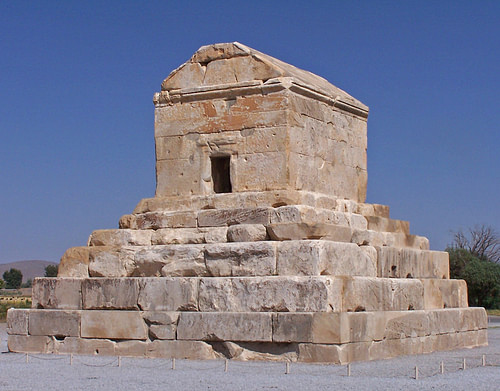 قبر قورش سيباستيا جيرالت (CC BY-SA Sebastià Giralt (CC BY-SA) ](https://www.worldhistory.org/image/264/tomb-of-cyrus/ "Tomb of Cyrus")ﺗﻢ ﺍﻻﺳﺘﻴﻼﺀ ﻋﻠﻰ ﻟﻴﺪﻳﺎ ﻷﻥ ﻛﻮﺭﺵ ﻟﻢ ﻳﺘﻘﻴﺪ ﺑﺎﻟﻘﻮﺍﻋﺪ. ﺑﻌﺪ ﻣﻌﺮﻛﺔ ﻏﻴﺮ ﺣﺎﺳﻤﺔ ﺑﺎﻟﻘﺮﺏ ﻣﻦ ﻧﻬﺮ ﻫﺎﻟﻴﺲ ﻓﻲ ﺃﺣﺪ ﺧﺮﻳﻔﺎﺕ ﺫﻟﻚ ﺍﻟﻌﺎﻡ، ﻋﺎﺩ ﺍﻟﻤﻠﻚ ﻛﺮﻭﻳﺴﻮﺱ )ﺣﻮﺍﻟﻲ 560 - ﺣﻮﺍﻟﻲ 546 ﻗﺒﻞ ﺍﻟﻤﻴﻼﺩ( ﺇﻟﻰ ﺳﺎﺭﺩﻳﺲ، ﻣﺘﻮﻗﻌﺎً ﺍﺳﺘﺌﻨﺎﻑ ﺍﻟﻘﺘﺎﻝ ﻓﻲ ﺍﻟﺮﺑﻴﻊ ﻭﻓﻘًﺎ ﻟﻠﻌﺮﻑ. ﻟﻜﻦ ﻛﻮﺭﺵ ﺗﺒﻌﻪ ﺇﻟﻰ ﻭﻃﻨﻪ ﻭﺍﺳﺘﻮﻟﻰ ﻋﻠﻰ ﺳﺎﺭﺩﻳﺲ ﻧﻔﺴﻬﺎ، ﻋﺎﺻﻤﺔ ﻟﻴﺪﻳﺎ ﻭﺃﻏﻨﻰ ﻣﺪﻥ ﺇﻳﻮﻧﻴﺎ. ﻗﺒﻞ ﻗﺮﻥ ﻣﻦ ﺫﻟﻚ، ﻛﺎﻧﺖ ﻟﻴﺪﻳﺎ ﻗﺪ ﺳﻜﺘﺖ ﺃﻭﻝ ﻋﻤﻠﺔ ﻣﻌﺪﻧﻴﺔ، ﻣﻤﺎ ﺟﻌﻞ ﺇﻳﻮﻧﻴﺎ ﻣﺮﻛﺰﺍً ﻟﻠﺘﺠﺎﺭﺓ. ﺍﻵﻥ، ﻛﻞ ﻫﺬﺍ ﻭﻗﻊ ﻓﻲ ﻳﺪ ﻛﻮﺭﺵ.
ﺃﻣﺎ ﺑﺎﻟﻨﺴﺒﺔ ﻟﻜﺮﻭﻳﺴﻮﺱ ﻧﻔﺴﻪ، ﻓﻴﺒﺪﻭ ﺃﻥ ﻛﻮﺭﺵ ﻗﺪ ﻋﻔﺎ ﻋﻦ ﺣﻴﺎﺗﻪ، ﻣﺮﺓ ﺃﺧﺮﻯ ﺧﻼﻓﺎً ﻟﻜﻞ ﺍﻟﺴﻮﺍﺑﻖ. ﺍﻛﺘﺴﺐ ﻛﻮﺭﺵ ﺳﻤﻌﺔ ﻃﻴﺒﺔ ﻓﻲ ﺍﻟﻌﻔﻮ ﻋﻦ ﺍﻟﺤﻜﺎﻡ ﺍﻟﺬﻳﻦ ﻏﺰﺍﻫﻢ ﺣﺘﻰ ﻳﺘﻤﻜﻦ ﻣﻦ ﻃﻠﺐ ﻣﺸﻮﺭﺗﻬﻢ ﺣﻮﻝ ﺃﻓﻀﻞ ﻃﺮﻳﻘﺔ ﻟﺤﻜﻢ ﺃﺭﺍﺿﻴﻬﻢ. ﻣﻦ ﺍﻟﺼﻌﺐ ﻣﻌﺮﻓﺔ ﻣﺪﻯ ﺻﺤﺔ ﻫﺬﻩ ﺍﻟﺴﻤﻌﺔ، ﻭﻟﻜﻦ ﻗﺒﻞ ﻛﻮﺭﺵ ﻟﻢ ﻳﻜﻦ ﺃﺣﺪ ﻳﺮﻏﺐ ﻓﻲ ﺫﻟﻚ ﻋﻠﻰ ﺃﻱ ﺣﺎﻝ؛ ﻓﻘﺪ ﻛﺎﻥ ﺫﻟﻚ ﻋﻼﻣﺔ ﻋﻠﻰ ﺍﻟﻀﻌﻒ.
### إمبراطورية الأمم المتعددة
على النقيض من ذلك، رأى كورش التعاون قوة، خصوصًا عندما يتعلق الامر بتامين الجائزة الرئيسية : بابل. بدلا من محاولة الاستيلاء علي ﺃﻋﻈﻢ ﻣﺪﻳﻨﺔ ﻓﻲ ﺍﻟﻌﺎﻟﻢ ﺑﺎﻟﻘﻮﺓ، ، ﺧﺎﺽ ﻛﻮﺭﺵ ﺣﻤﻠﺔ ﺩﻋﺎﺋﻴﺔ ﻻﺳﺘﻐﻼﻝ ﻋﺪﻡ ﺷﻌﺒﻴﺔ ﻣﻠﻜﻬﺎ، ﻧﺎﺑﻮﻧﻴﺪﻭﺱ. ﻛﺎﻧﺖ ﺍﻟﺮﺳﺎﻟﺔ ﻫﻲ ﺃﻥ ﺗﻘﺎﻟﻴﺪ ﺑﺎﺑﻞ ﺳﺘﻜﻮﻥ ﺃﻛﺜﺮ ﺃﻣﺎﻧﺎً ﻣﻊ ﻛﻮﺭﺵ. ﻓﺘُﺤﺖ ﺍﻟﺒﻮﺍﺑﺎﺕ ﻭﻭﺿُﻌﺖ ﺳﻌﻒ ﺍﻟﻨﺨﻴﻞ ﺃﻣﺎﻣﻪ ﻋﻨﺪ ﺩﺧﻮﻟﻪ ﺍﻟﻤﺪﻳﻨﺔ.
ﺑﻤﺠﺮﺩ ﻭﺻﻮﻟﻪ ﺇﻟﻰ ﺑﺎﺑﻞ، ﻗﺎﻡ ﻛﻮﺭﺵ ﺑﺄﺩﺍﺀ ﺍﻟﻄﻘﻮﺱ ﺍﻟﺪﻳﻨﻴﺔ ﺍﻟﺘﻲ ﺃﻫﻤﻠﻬﺎ ﻧﺎﺑﻮﻧﻴﺪﻭﺱ ﻭﺃﻋﺎﺩ ﺍﻷﻳﻘﻮﻧﺎﺕ ﺍﻟﻤﺼﺎﺩﺭﺓ ﺇﻟﻰ ﻣﻌﺎﺑﺪﻫﺎ ﻓﻲ ﺃﻧﺤﺎﺀ ﺍﻟﺒﻼﺩ. ﻣﻜﻨّﺖ ﻫﺬﻩ ﺍﻷﻓﻌﺎﻝ ﻛﻮﺭﺵ ﻣﻦ ﺍﻟﻤﻄﺎﻟﺒﺔ ﺑﺤﻜﻢ ﺷﺮﻋﻲ ﻓﻲ ﺑﺎﺑﻞ؛ ﺣﻜﻢ ﺃﻗﺮﺗﻪ ﺍﻵﻟﻬﺔ ﺍﻟﺒﺎﺑﻠﻴﺔ. ﺛﻢ ﺷﺮﺡ ﺍﻟﻤﻜﺎﻧﺔ ﺍﻟﺘﻲ ﺳﺘﺤﺘﻠﻬﺎ ﺑﺎﺑﻞ ﻓﻲ ﺇﻣﺒﺮﺍﻃﻮﺭﻳﺘﻪ؛ ﺳﺘﻜﻮﻥ ﺇﻣﺒﺮﺍﻃﻮﺭﻳﺘﻪ، ﻓﻲ ﺍﻟﻮﺍﻗﻊ، ﻗﺎﺋﻤﺔ ﻋﻠﻰ ﻧﻮﻉ ﻣﻦ ﺍﻟﻌﻘﺪ ﺑﻴﻨﻪ ﻭﺑﻴﻦ ﻣﺨﺘﻠﻒ ﺍﻟﺸﻌﻮﺏ ﺍﻟﺘﻲ ﺗﺤﺖ ﺭﻋﺎﻳﺘﻪ. ﺳﻴﺪﻓﻌﻮﻥ ﺍﻟﺠﺰﻳﺔ، ﻭﺳﻴﻀﻤﻦ ﻟﻬﻢ ﺣﺮﻳﺔ ﻋﺒﺎﺩﺓ ﺁﻟﻬﺘﻬﻢ ﻭﺍﻟﻌﻴﺶ ﻭﻓﻘﺎً ﻟﻌﺎﺩﺍﺗﻬﻢ.
[ 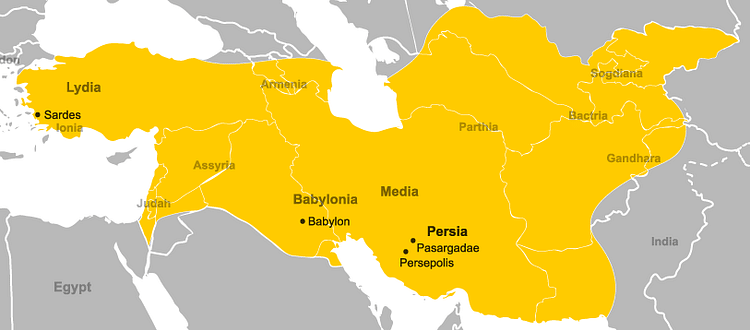 إمبراطورية كورش الكبير (CC BY-SA) SG (CC BY-SA) ](https://www.worldhistory.org/image/265/empire-of-cyrus-the-great/ "Empire of Cyrus the Great")ﺳﻤُﺢ ﻟﻠﻴﻬﻮﺩ ﺍﻟﻤﻨﻔﻴﻴﻦ ﺑﺎﻟﻌﻮﺩﺓ ﺇﻟﻰ ﺩﻳﺎﺭﻫﻢ ﻭﻣﻨﺤﻮﺍ ﺃﻣﻮﺍﻻً ﻟﺒﻨﺎﺀ ﻣﻌﺒﺪ ﺟﺪﻳﺪ ﻓﻲ ﺍﻟﻘﺪﺱ. ﻭﻗﺪ ﺃﻛﺴﺐ ﻫﺬﺍ ﻛﻮﺭﺵ ﺗﻘﻴﻴﻤﺎً ﻣﺸﺮﻓﺎً ﻓﻲ ﺍﻟﻌﻬﺪ ﺍﻟﻘﺪﻳﻢ، ﻓﻀﻼً ﻋﻦ ﺗﻮﻓﻴﺮ ﺩﻭﻟﺔ ﻋﺎﺯﻟﺔ ﻣﻔﻴﺪﺓ ﻟﻪ ﺿﺪ ﻣﺼﺮ. ﺟﻌﻠﺖ ﺍﻟﺘﻌﺪﺩﻳﺔ ﺍﻟﺜﻘﺎﻓﻴﺔ ﺍﻟﺘﻲ ﺍﺗﺒﻌﻬﺎ ﻛﻮﺭﺵ ﺍﻟﺴﻼﻡ ﺍﻹﻣﺒﺮﺍﻃﻮﺭﻱ ﺍﻟﺪﺍﺋﻢ ﺃﻣﺮﺍً ﻣﻤﻜﻨﺎً ﻓﻲ ﺍﻟﻨﻬﺎﻳﺔ، ﻭﺣﺪﺩﺕ ﺍﻟﻄﺮﻳﻘﺔ ﺍﻟﺘﻲ ﺳﻌﺖ ﺑﻬﺎ ﺍﻹﻣﺒﺮﺍﻃﻮﺭﻳﺎﺕ ﺍﻟﻼﺣﻘﺔ ﺇﻟﻰ ﺗﺤﻘﻴﻖ ﺣﻜﻢ ﻣﺴﺘﻘﺮ. ﻛﺎﻥ ﻣﻦ ﺍﻟﻮﺍﺿﺢ ﻟﻜﻮﺭﺵ ﺃﻥ ﻫﺬﻩ ﻫﻲ ﺍﻟﻄﺮﻳﻘﺔ ﺍﻟﻮﺣﻴﺪﺓ ﺍﻟﺘﻲ ﻳﻤﻜﻨﻪ ﻣﻦ ﺧﻼﻟﻬﺎ ﺍﻟﺤﻔﺎﻅ ﻋﻠﻰ ﻏﺰﻭﺍﺗﻪ، ﻟﻜﻦ ﺭﺅﻳﺘﻪ ﻛﺎﻧﺖ ﺭﺅﻳﺔ ﻻ ﻳﻤﻜﻦ ﺃﻥ ﻳﺘﺼﻮﺭﻫﺎ ﺳﻮﻯ ﺷﺨﺺ ﻣﻦ ﺧﺎﺭﺝ ﺣﻀﺎﺭﺍﺕ ﻭﺩﻳﺎﻥ ﺍﻷﻧﻬﺎﺭ، ﻣﻊ ﺍﺭﺗﺒﺎﻃﻬﺎ ﺍﻟﺸﺪﻳﺪ ﺑﺎﻵﻟﻬﺔ ﺍﻟﻤﺤﻠﻴﺔ.
### «ملك الملوك»
ﺃﺿﺎﻑ ﺍﺑﻦ ﻗﻮﺭﺵ ﻭﺧﻠﻴﻔﺘﻪ قمبيز ﺍﻟﺜﺎﻧﻲ 522-529) ﻗﺒﻞ ﺍﻟﻤﻴﻼﺩ( ﻣﺼﺮ ﺇﻟﻰ ﺍﻹﻣﺒﺮﺍﻃﻮﺭﻳﺔ ﺍﻟﻔﺎﺭﺳﻴﺔ، ﻭﻟﻜﻦ ﺑﻌﺪ ﺫﻟﻚ ﺍﻧﺪﻟﻌﺖ ﺛﻮﺭﺓ ﻓﻲ ﺍﻟﺪﺍﺧﻞ، ﺑﻘﻴﺎﺩﺓ ﻛﺎﻫﻦ ﻣﺪﻳﺎﻧﻲ ﻳﺒﺪﻭ ﺃﻧﻪ ﻛﺎﻥ ﻳﺘﻈﺎﻫﺮ ﺑﺄﻧﻪ ﺷﻘﻴﻖ قمبيز ، ﺍﻟﺬﻱ ﻗﺘﻠﻪ قمبيز ﺳﺮﺍً. ﺳﺎﺭﻉ قمبيز ﺑﺎﻟﻌﻮﺩﺓ ﻭﻟﻜﻨﻪ ﺗﻮﻓﻲ ﻓﻲ ﺍﻟﻄﺮﻳﻖ، ﺗﺎﺭﻛﺎً ﺃﺣﺪ ﺟﻨﺮﺍﻻﺗﻪ، ﻭﻫﻮ ﻗﺮﻳﺐ ﺑﻌﻴﺪ ﻟﻪ، ﻟﻴﺤﻞ ﻣﺤﻠﻪ. ﻛﺎﻥ ﺍﺳﻤﻪ ﺩﺍﺭﻳﻮﺱ. ﻗﺘﻞ ﺩﺍﺭﻳﻮﺱ ﺍﻷﻭﻝ ")ﺍﻟﻌﻈﻴﻢ(" ﺍﻟﻤﺪﻋﻲ ﻟﻠﻌﺮﺵ، ﻟﻜﻦ ﺍﻻﻧﺘﻔﺎﺿﺎﺕ ﻛﺎﻧﺖ ﻗﺪ ﺍﻧﺪﻟﻌﺖ ﻓﻲ ﻛﻞ ﻣﻜﺎﻥ، ﻭﻭﺟﺪ ﻧﻔﺴﻪ ﻣﻀﻄﺮﺍً ﺇﻟﻰ ﺇﻋﺎﺩﺓ ﺗﺄﺳﻴﺲ ﻏﺰﻭﺍﺕ ﻛﻮﺭﺵ. ﺑﺪﻋﻢ ﻣﻦ ﺍﻟﺠﻴﺶ ﻭﺍﻟﻌﺸﺎﺋﺮ ﺍﻟﻨﺒﻴﻠﺔ ﻓﻲ ﻓﺎﺭﺱ، ﺍﻟﺘﻲ ﺃﺻﺒﺤﺖ ﻏﻨﻴﺔ ﺑﻔﻀﻞ ﺍﻟﺤﻜﻢ ﺍﻹﻣﺒﺮﺍﻃﻮﺭﻱ، ﺍﺳﺘﻌﺎﺩ ﺩﺍﺭﻳﻮﺱ ﺍﻹﻣﺒﺮﺍﻃﻮﺭﻳﺔ ﻭﻭﺳﻌﻬﺎ ﺇﻟﻰ ﻭﺍﺩﻱ ﺍﻟﺴﻨﺪ، ﻭﻫﻮ ﻏﻨﻴﻤﺔ ﺗﺴﺎﻭﻱ ﻋﺪﺓ ﺃﺿﻌﺎﻑ ﻣﺎ ﺗﺴﺎﻭﻳﻪ ﺑﺎﺑﻞ ﻣﻦ ﺍﻟﺠﺰﻳﺔ.
ﺃﺩﺭﻙ ﺩﺍﺭﻳﻮﺱ ﺃﻥ ﺍﻹﻣﺒﺮﺍﻃﻮﺭﻳﺔ ﺗﺤﺘﺎﺝ ﺇﻟﻰ ﺗﻨﻈﻴﻢ ﻓﻌﺎﻝ ﻟﻜﻲ ﺗﻌﻤﻞ. ﻗﺴﻤﻬﺎ ﺇﻟﻰ 20 ﻭﻻﻳﺔ، ﺃﻭ ﻣﻘﺎﻃﻌﺔ، ﺗﺪﻓﻊ ﻛﻞ ﻣﻨﻬﺎ ﻧﺴﺒﺔ ﺛﺎﺑﺘﺔ ﻣﻦ ﺍﻟﺠﺰﻳﺔ ﻟﻔﺎﺭﺱ. ﻛﺎﻥ ﻛﻞ ﻭﻻﻳﺔ ﻳﺪﻳﺮﻫﺎ ﺣﺎﻛﻢ ﻣﻌﻴﻦ ﻣﻦ ﻗﺒﻞ ﺍﻟﺤﻜﻮﻣﺔ ﺍﻟﻤﺮﻛﺰﻳﺔ، ﻭﻏﺎﻟﺒًﺎ ﻣﺎ ﻛﺎﻥ ﻋﻠﻰ ﺻﻠﺔ ﻗﺮﺍﺑﺔ ﺑﺪﺍﺭﻳﻮﺱ. ﻟﻤﻨﻊ ﺍﻟﺤﺎﻛﻢ ﻣﻦ ﺑﻨﺎﺀ ﻗﺎﻋﺪﺓ ﺳﻠﻄﺔ، ﻋﻴﻦ ﺩﺍﺭﻳﻮﺱ ﻗﺎﺋﺪﺍً ﻋﺴﻜﺮﻳﺎً ﻣﻨﻔﺼﻼً ﻻ ﻳﺨﻀﻊ ﺇﻻ ﻟﻪ. ﻛﺎﻥ ﺟﻮﺍﺳﻴﺲ ﺍﻹﻣﺒﺮﺍﻃﻮﺭﻳﺔ ﺍﻟﻤﻌﺮﻭﻓﻮﻥ ﺑﺎﺳﻢ "ﺁﺫﺍﻥ ﺍﻟﻤﻠﻚ" ﻳﺮﺍﻗﺒﻮﻥ ﻛﻼﻫﻤﺎ ﻭﻳﻘﺪﻣﻮﻥ ﺗﻘﺎﺭﻳﺮﻫﻢ ﺇﻟﻰ ﺩﺍﺭﻳﻮﺱ ﻋﺒﺮ ﺧﺪﻣﺔ ﺍﻟﺒﺮﻳﺪ - ﻛﺎﻧﺖ ﺍﻹﻣﺒﺮﺍﻃﻮﺭﻳﺔ ﻣﺘﺼﻠﺔ ﺑﺸﺒﻜﺔ ﻣﻦ ﺍﻟﻄﺮﻕ ﺍﻟﺘﻲ ﻳﻤﻜﻦ ﻟﻠﺴﻌﺎﺓ ﺗﻐﻴﻴﺮ ﺍﻟﺨﻴﻮﻝ ﻓﻴﻬﺎ ﻓﻲ ﻣﺤﻄﺎﺕ ﺗﺒﻌﺪ ﻣﺴﺎﻓﺔ ﻳﻮﻡ ﻭﺍﺣﺪ ﻋﻦ ﺑﻌﻀﻬﺎ.
ﺍﺳﺘﻤﺪ ﺩﺍﺭﻳﻮﺱ ﻣﻌﻈﻢ ﻫﺬﻩ ﺍﻟﺒﻨﻴﺔ ﻣﻦ ﺍﻵﺷﻮﺭﻳﻴﻦ، ﻭﻗﺎﻡ ﺑﺒﺴﺎﻃﺔ ﺑﺘﻄﺒﻴﻘﻬﺎ ﻋﻠﻰ ﻧﻄﺎﻕ ﺃﻭﺳﻊ، ﻟﻜﻦ ﺍﺳﺘﺨﺪﺍﻣﻪ ﻟﻠﺠﺰﻳﺔ ﻛﺎﻥ ﺷﻴﺌًﺎ ﺟﺪﻳﺪﺍً. ﻓﻲ ﺍﻟﺴﺎﺑﻖ، ﻛﺎﻧﺖ ﺍﻟﺠﺰﻳﺔ ﻓﻲ ﺍﻷﺳﺎﺱ ﺃﻣﻮﺍﻻً ﺗﺪﻓﻊ ﻟﻠﺤﻤﺎﻳﺔ ﻣﻦ ﺍﻟﻤﺘﺎﻋﺐ، ﻟﻜﻦ ﺩﺍﺭﻳﻮﺱ ﺗﻌﺎﻣﻞ ﻣﻌﻬﺎ ﻋﻠﻰ ﺃﻧﻬﺎ ﺿﺮﻳﺒﺔ. ﺍﺳﺘﺨﺪﻣﻬﺎ ﻟﺒﻨﺎﺀ ﺃﺳﻄﻮﻝ ﺑﺤﺮﻱ ﻭﺷﺮﻉ ﻓﻲ ﺑﺮﺍﻣﺞ ﺇﻧﻔﺎﻕ ﻋﺎﻡ ﺿﺨﻤﺔ، ﻭﺿﺦ ﺃﻣﻮﺍﻻً ﻓﻲ ﺃﻋﻤﺎﻝ ﺍﻟﺮﻱ، ﻭﺍﺳﺘﻜﺸﺎﻑ ﺍﻟﻤﻌﺎﺩﻥ، ﻭﺍﻟﻄﺮﻕ، ﻭﻗﻨﺎﺓ ﺑﻴﻦ ﺍﻟﻨﻴﻞ ﻭﺍﻟﺒﺤﺮ ﺍﻷﺣﻤﺮ.
[  صفوف الخالدين ديناموسكيتو (CC BY-SA) dynamosquito (CC BY-SA) ](https://www.worldhistory.org/image/85/ranks-of-immortals/ "Ranks of Immortals")ﻛﻤﺎ ﺃﻧﺸﺄ ﻋﻤﻠﺔ ﻣﺸﺘﺮﻛﺔ، ﻣﻤﺎ ﺳﻬﻞّ ﺍﻟﻌﻤﻞ ﺑﻌﻴﺪﺍً ﻋﻦ ﺍﻟﻮﻃﻦ. ﺟﻤﻊ ﺩﺍﺭﻳﻮﺱ ﻓﺮﻗًﺎ ﻣﻦ ﺍﻟﺤﺮﻓﻴﻴﻦ ﻣﻦ ﺟﻤﻴﻊ ﺃﻧﺤﺎﺀ ﺍﻹﻣﺒﺮﺍﻃﻮﺭﻳﺔ ﻟﺒﻨﺎﺀ ﻋﺎﺻﻤﺔ ﺇﻣﺒﺮﺍﻃﻮﺭﻳﺔ ﻓﻲ ﺑﺮﺳﻴﺒﻮﻟﻴﺲ ﺗﺤﺖ ﺇﺷﺮﺍﻑ ﺍﻟﻤﻬﻨﺪﺳﻴﻦ ﺍﻟﻤﻌﻤﺎﺭﻳﻴﻦ ﺍﻟﻔﺎﺭﺳﻴﻴﻦ. ﻫﻨﺎ ﻛﺎﻥ ﺑﺈﻣﻜﺎﻧﻪ ﺍﻻﺣﺘﻔﺎﻅ ﺑﺬﻫﺐ ﻭﻓﻀﺘﻪ ﻓﻲ ﺧﺰﻧﺔ ﻋﻤﻼﻗﺔ )ﺳﺮﻋﺎﻥ ﻣﺎ ﺃﺻﺒﺤﺖ ﺻﻐﻴﺮﺓ ﺟﺪﺍً( ﻭﺍﻟﺘﺒﺎﻫﻲ ﺑﺎﻟﺘﻨﻮﻉ ﺍﻟﻌﺮﻗﻲ ﻹﻣﺒﺮﺍﻃﻮﺭﻳﺘﻪ. ﺃﺻﺒﺤﺖ ﺑﺮﺳﻴﺒﻮﻟﻴﺲ ﻭﺍﺟﻬﺔ ﻋﺮﺽ ﻟﻸﻧﻤﺎﻁ ﺍﻟﻔﻨﻴﺔ ﻟﺠﻤﻴﻊ ﺍﻟﺜﻘﺎﻓﺎﺕ ﺩﺍﺧﻞ ﺍﻹﻣﺒﺮﺍﻃﻮﺭﻳﺔ ﺗﻘﺮﻳﺒًﺎ، ﻓﻲ ﺇﻃﺎﺭ ﻣﻦ ﺍﻟﺘﺼﻤﻴﻢ ﺍﻟﻔﺎﺭﺳﻲ. ﻛﺎﻧﺖ ﺗﺠﺴﻴﺪﺍً ﻟﻔﻜﺮﺓ ﻛﻮﺭﺵ ﻋﻦ ﺍﻹﻣﺒﺮﺍﻃﻮﺭﻳﺔ.
ﻟﻜﻦ ﺩﺍﺭﻳﻮﺱ ﻟﻢ ﻳﻌﺘﺮﻑ ﺃﺑﺪﺍً ﺑﻘﻴﺼﺮ. ﻳﺒﺪﻭ ﺃﻧﻪ ﻛﺎﻥ ﻳﺸﻌﺮ ﺑﺎﻻﺳﺘﻴﺎﺀ ﻟﻌﺪﻡ ﺍﻧﺘﻤﺎﺋﻪ ﺇﻟﻰ ﻓﺮﻉ ﻗﻴﺼﺮ ﻣﻦ ﻋﺸﻴﺮﺓ ﺍﻷﺧﻤﻴﻨﻴﻴﻦ. ﻋﻨﺪﻣﺎ ﺗﺠﺎﻭﺯ ﺇﻧﺠﺎﺯﺍﺕ ﻗﻴﺼﺮ، ﺑﺪﺃ ﻳﺘﺼﺮﻑ ﺑﻄﺮﻳﻘﺔ ﺃﻛﺜﺮ ﺗﻌﺎﻟﻴًﺎ، ﻭﺗﺨﻠﻰ ﻋﻦ ﻟﻘﺐ ﺷﺎﻩ ﻟﺼﺎﻟﺢ ﻟﻘﺐ ﺷﺎﻫﺎﻧﺸﺎﻩ ﺍﻷﻛﺜﺮ ﻓﺨﺎﻣﺔ ")ﻣﻠﻚ ﺍﻟﻤﻠﻮﻙ.(" ﻟﻜﻦ، ﻣﺜﻞ ﺑﺮﺳﻴﺒﻮﻟﻴﺲ، ﻛﺎﻥ ﻫﺬﺍ ﻧﺘﻴﺠﺔ ﻣﺒﺎﺷﺮﺓ ﻟﺮﺅﻳﺔ ﻗﻴﺼﺮ. ﻟﻌﺐ ﻛﻮﺭﺵ ﺩﻭﺭ ﻣﻠﻚ ﺑﺎﺑﻞ ﻋﻨﺪﻣﺎ ﺩﺧﻞ ﺍﻟﻤﺪﻳﻨﺔ، ﻟﻜﻦ ﻣﻔﻬﻮﻣﻪ ﻟﻺﻣﺒﺮﺍﻃﻮﺭﻳﺔ ﺗﻄﻠﺐ ﻭﺟﻮﺩ ﺣﺎﻛﻢ ﻳﻘﻒ ﻓﻮﻕ ﺟﻤﻴﻊ ﺍﻟﻤﻠﻮﻙ ﺍﻟﻤﺮﺗﺒﻄﻴﻦ ﺑﻤﺼﺎﻟﺢ ﺃﻱ ﻣﺠﺘﻤﻊ ﻭﺍﺣﺪ. ﺗﻄﻠﺐ ﺍﻷﻣﺮ ﻣﻠﻚ ﺍﻟﻤﻠﻮﻙ.
### الاذلال والانحطاط
ﺷﻬﺪﺕ ﻓﺘﺮﺓ ﺣﻜﻢ ﺩﺍﺭﻳﻮﺱ ﺍﻟﻼﺣﻘﺔ ﺍﺿﻄﺮﺍﺑﺎﺕ ﻓﻲ ﻣﻨﻄﻘﺔ ﺍﻟﺒﺤﺮ ﺍﻷﺑﻴﺾ ﺍﻟﻤﺘﻮﺳﻂ. ﻓﻲ ﻋﺎﻡ 499 ﻗﺒﻞ ﺍﻟﻤﻴﻼﺩ، ﺍﻧﺪﻟﻌﺖ ﺛﻮﺭﺓ ﻳﻮﻧﺎﻧﻴﺔ ﻓﻲ ﺇﻳﻮﻧﻴﺎ. ﺑﻌﺪ ﻗﻤﻌﻬﺎ ﻓﻲ ﻧﻬﺎﻳﺔ ﺍﻟﻤﻄﺎﻑ، ﺃﺑﺤﺮ ﺃﺳﻄﻮﻝ ﺩﺍﺭﻳﻮﺱ ﻟﻤﻌﺎﻗﺒﺔ ﺃﺛﻴﻨﺎ ﻋﻠﻰ ﺩﻋﻤﻬﺎ ﻟﻠﻤﺘﻤﺮﺩﻳﻦ، ﻟﻴﻮﺍﺟﻪ ﻫﺰﻳﻤﺔ ﻣﻔﺎﺟﺌﺔ. ﺇﺫﺍ ﺃﺭﺍﺩﺕ ﺍﻵﻟﺔ ﺍﻹﺩﺍﺭﻳﺔ ﺍﻟﻔﺎﺭﺳﻴﺔ ﺃﻻ ﺗﺒﺪﻭ ﺿﻌﻴﻔﺔ ﺑﺸﻜﻞ ﺧﻄﻴﺮ، ﻛﺎﻥ ﻻ ﺑﺪ ﻣﻦ ﺗﻠﻘﻴﻦ ﺍﻟﻴﻮﻧﺎﻧﻴﻴﻦ ﺩﺭﺳﺎً. ﻭﻟﻜﻦ ﻋﻨﺪﻣﺎ ﺭﻓﻊ ﺩﺍﺭﻳﻮﺱ ﺍﻟﻀﺮﺍﺋﺐ ﻟﺘﻤﻮﻳﻞ ﺣﻤﻠﺔ ﺇﻋﺎﺩﺓ ﺍﻟﺘﺴﻠﺢ، ﺃﺛﺎﺭ ﺍﺿﻄﺮﺍﺑﺎﺕ ﻓﻲ ﻣﻨﺎﻃﻖ ﺃﻛﺜﺮ ﺃﻫﻤﻴﺔ ﻣﺜﻞ ﻣﺼﺮ.
ﻭﻗﻊ ﻋﻠﻰ ﻋﺎﺗﻖ ﺍﺑﻦ ﺩﺍﺭﻳﻮﺱ،خشايارشا الأول 465-486) ﻗﺒﻞ ﺍﻟﻤﻴﻼﺩ(، ﺍﺳﺘﻌﺎﺩﺓ ﺍﻟﻨﻈﺎﻡ ﻓﻲ ﻣﺼﺮ ﻭﻣﻌﺎﻟﺠﺔ ﺍﻟﻘﻀﻴﺔ ﺍﻟﻴﻮﻧﺎﻧﻴﺔ. ﺗﺼﺮﻑ خشايارشا الأول ﺑﻔﺨﺮ ﺃﻛﺒﺮ ﻣﻦ ﺩﺍﺭﻳﻮﺱ، ﻭﻛﺎﻥ ﻋﻠﻴﻪ ﺃﻥ ﻳﺜﺒﺖ ﻧﻔﺴﻪ ﺃﻛﺜﺮ ﻣﻦ ﺳﺎﺑﻘﻴﻪ، ﻭﻫﻤﺎ ﺍﺛﻨﺎﻥ ﻣﻦ ﺃﻋﻈﻢ ﺑﻨﺎﺓ ﺍﻹﻣﺒﺮﺍﻃﻮﺭﻳﺎﺕ. ﻟﻜﻨﻪ ﻛﺎﻥ ﻳﻔﺘﻘﺮ ﺇﻟﻰ ﺣﺴﺎﺳﻴﺘﻬﻤﺎ ﺍﻟﺜﻘﺎﻓﻴﺔ. ﻋﻨﺪﻣﺎ ﺃﺩﺕ ﺍﻟﺰﻳﺎﺩﺍﺕ ﺍﻟﻀﺮﻳﺒﻴﺔ ﺇﻟﻰ ﺍﻧﺪﻻﻉ ﺃﻋﻤﺎﻝ ﺷﻐﺐ ﻓﻲ ﺑﺎﺑﻞ ﻋﺎﻡ 482 ﻗﺒﻞ ﺍﻟﻤﻴﻼﺩ، ﻧﻬﺐخشايارشا الأول ﺍﻟﻤﺪﻳﻨﺔ ﻭﺩﻣﺮ ﺍﻟﻤﻌﺒﺪ ﻭﺻﻬﺮ ﺗﻤﺜﺎﻝ ﻣﺮﺩﻭﺥ ﺍﻟﻤﺼﻨﻮﻉ ﻣﻦ ﺍﻟﺬﻫﺐ ﺍﻟﺨﺎﻟﺺ، ﻭﺍﻟﺬﻱ ﻛﺎﻥ ﺣﺠﻤﻪ ﺛﻼﺛﺔ ﺃﺿﻌﺎﻑ ﺣﺠﻢ ﺍﻹﻧﺴﺎﻥ. ﻭﻣﻌﻪ ﺫﻫﺒﺖ ﻋﻈﻤﺔ ﺑﺎﺑﻞ.
ﺳﻤﺢ ﺫﻫﺐ ﻣﺮﺩﻭﺥ ﻟخشايارشا الأول ﺑﺎﻟﺒﺪﺀ ﻓﻲ ﺣﺸﺪ ﻗﻮﺍﺗﻪ ﻟﺴﺤﻖ ﺍﻹﻏﺮﻳﻖ ﻓﻲ ﻋﺎﻡ 480 ﻗﺒﻞ ﺍﻟﻤﻴﻼﺩ. ﻟﻜﻨﻪ ﺃﺟُﺒﺮ ﻋﻠﻰ ﺧﻮﺽ ﺍﻟﻤﻌﺮﻛﺔ ﻗﺒﻞ ﺍﻷﻭﺍﻥ، ﻓﻜﺎﻥ ﻣﺼﻴﺮﻩ ﺃﺳﻮﺃ ﻣﻦ ﻣﺼﻴﺮ ﻭﺍﻟﺪﻩ. ﺑﻌﺪ ﺫﻟﻚ، ﻳﺒﺪﻭ ﺃﻥ خشايارشا الأول ﺍﻧﺴﺤﺐ ﺇﻟﻰ ﺣﺪ ﻛﺒﻴﺮ ﺇﻟﻰ ﺭﻓﺎﻫﻴﺔ ﺑﻼﻃﻪ ﻭﺣﺮﻳﻤﻪ. ﻋﻨﺪﻣﺎ ﺩﺧﻞ ﻛﻮﺭﺵ ﺑﺎﺑﻞ، ﻛﺎﻥ ﻗﺪ ﻗﻠﺪ ﺳﻠﻮﻙ ﻣﻠﻚ ﻣﺎ ﺑﻴﻦ ﺍﻟﻨﻬﺮﻳﻦ ﻣﻦ ﺃﺟﻞ ﺍﻻﺳﺘﻬﻼﻙ ﺍﻟﻌﺎﻡ، ﻭﻟﻜﻦ ﺍﻵﻥ ﺃﺻﺒﺤﺖ ﺍﻟﺤﻴﺎﺓ ﺍﻟﺨﺎﺻﺔ ﻟﻠﺤﻜﺎﻡ ﺍﻟﻔﺎﺭﺳﻴﻴﻦ ﺗﺘﺨﺬ ﺷﻜﻞ ﻣﺎ ﺑﻴﻦ ﺍﻟﻨﻬﺮﻳﻦ. ﻣﺤﺒﻮﺳﻴﻦ ﻓﻲ ﻋﺰﻟﺔ ﻓﺨﻤﺔ، ﻟﻌﺐ ﺍﻷﺧﻤﻴﻨﻴﻮﻥ ﺍﻟﻼﺣﻘﻮﻥ ﻣﺴﺮﺣﻴﺔ ﺻﺎﻣﺘﺔ ﻣﺘﺰﺍﻳﺪﺓ ﺍﻟﺒﺬﺥ ﻣﻦ ﻣﺆﺍﻣﺮﺍﺕ ﺍﻟﺤﺮﻳﻢ ﻭﺍﻏﺘﻴﺎﻻﺕ ﺍﻟﻘﺼﺮ.
[ 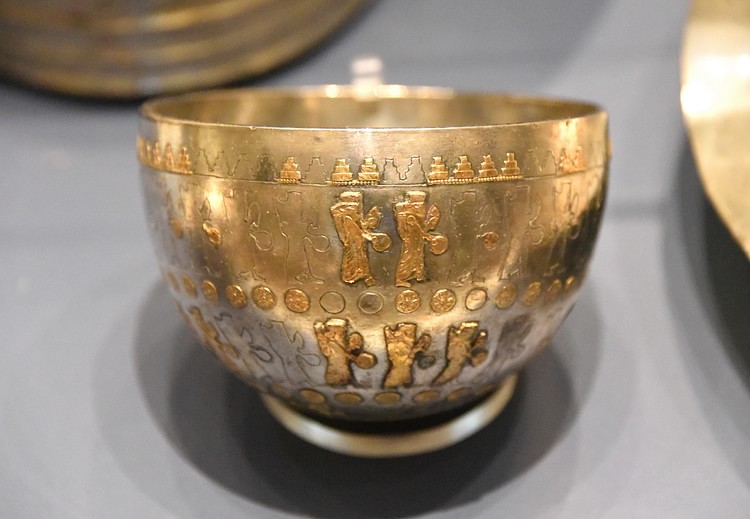 كأس شرب فضي أخميني أسامة شكر محمد أمين (حقوق النشر) Osama Shukir Muhammed Amin (Copyright) ](https://www.worldhistory.org/image/4826/achaemenid-silver-drinking-bowl/ "Achaemenid Silver Drinking Bowl")ﻛﺎﻥ ﺍﻹﻣﺒﺮﺍﻃﻮﺭﻳﺔ ﺍﻟﺘﻲ ﺑﻨﯩﻬﺎ ﻛﻮﺭﺵ ﻭﺩﺍﺭﻳﻮﺱ ﻗﻮﻳﺔ ﺑﻤﺎ ﻳﻜﻔﻲ ﻟﺘﺘﺤﻤﻞ ﻫﺬﺍ ﺍﻻﻧﺤﺪﺍﺭ ﺇﻟﻰ ﺍﻻﻧﺤﻄﺎﻁ ﻟﻤﺪﺓ 200 ﻋﺎﻡ، ﻭﻟﻜﻨﻪ ﺃﺛﺮ ﻋﻠﻴﻬﺎ ﺗﺪﺭﻳﺠﻴﺎً. ﻓﻘﺪ ﺃﻧﺸﺄ ﺍﻟﺤﻜﺎﻡ ﺍﻟﻤﺤﻠﻴﻮﻥ ﺟﺰﺭﻫﻢ ﺍﻟﺨﺎﺻﺔ ﻣﻦ ﺍﻟﺴﻠﻄﺔ. ﻭﺑﺪﺃ ﺍﻟﺘﻀﺨﻢ ﻳﺆﺛﺮ ﺳﻠﺒﺎً ﻣﻊ ﺍﺳﺘﻤﺮﺍﺭ ﺍﺭﺗﻔﺎﻉ ﺍﻟﻀﺮﺍﺋﺐ. ﺣﺘﻰ ﺍﻟﺘﻌﺪﺩﻳﺔ ﺍﻟﺜﻘﺎﻓﻴﺔ ﻟﻺﻣﺒﺮﺍﻃﻮﺭﻳﺔ، ﺍﻟﺘﻲ ﻛﺎﻧﺖ ﻓﻲ ﺍﻟﺒﺪﺍﻳﺔ ﻣﺼﺪﺭ ﻗﻮﺗﻬﺎ ﺍﻟﻌﻈﻤﻰ، ﻛﺎﻥ ﻟﻬﺎ ﻋﻴﻮﺑﻬﺎ؛ ﻓﻘﺪ ﻛﺎﻥ ﺍﻟﺠﻴﺶ ﺍﻟﻀﺨﻢ ﻋﺒﺎﺭﺓ ﻋﻦ ﻣﺠﻤﻮﻋﺔ ﻣﺘﻨﻮﻋﺔ ﻣﻦ ﺍﻟﺠﻨﻮﺩ ﺍﻟﻤﺪﺭﺑﻴﻦ ﻭﺍﻟﻤﺠﻬﺰﻳﻦ ﻭﻓﻘﺎً ﻟﺘﻘﺎﻟﻴﺪﻫﻢ ﺍﻟﺨﺎﺻﺔ، ﻭﺟﻤﻴﻌﻬﻢ ﻳﺘﺤﺪﺛﻮﻥ ﻟﻐﺎﺕ ﻣﺨﺘﻠﻔﺔ.
ﻓﻲ ﻋﺎﻡ 401 ﻗﺒﻞ ﺍﻟﻤﻴﻼﺩ، ﻗﺎﻡ ﻛﻮﺭﺵ ﺍﻷﺻﻐﺮ، ﺣﺎﻛﻢ ﻟﻴﺪﻳﺎ ﻭﻓﺮﻳﺠﻴﺎ ﻭﻛﺎﺑﺎﺩﻭﻛﻴﺎ، ﺑﺎﻧﻘﻼﺏ ﺿﺪ ﺷﻘﻴﻘﻪ ﺃﺭﺗﺤﺸﺴﺘﺎ ﺍﻟﺜﺎﻧﻲ 358-404) ﻗﺒﻞ ﺍﻟﻤﻴﻼﺩ( ﺑﻤﺴﺎﻋﺪﺓ 10,000 ﻣﺮﺗﺰﻕ ﻳﻮﻧﺎﻧﻲ ﻋﺎﺩﻭﺍ ﺇﻟﻰ ﺩﻳﺎﺭﻫﻢ ﻋﻨﺪﻣﺎ ﻓﺸﻞ ﺍﻻﻧﻘﻼﺏ. ﻣﻬﺪﺕ ﺍﻟﻤﻌﻠﻮﻣﺎﺕ ﺍﻟﺘﻲ ﺟﻠﺒﻮﻫﺎ ﺍﻟﻄﺮﻳﻖ ﻟﻮﺻﻮﻝ ﺍﻹﺳﻜﻨﺪﺭ ﺍﻷﻛﺒﺮ ﻣﻨﺘﺼﺮﺍً ﻓﻲ ﻋﺎﻡ 334 ﻗﺒﻞ ﺍﻟﻤﻴﻼﺩ.
ﻛﺎﻧﺖ ﺑﻼﺩ ﻓﺎﺭﺱ ﺃﻭﻝ ﺇﻣﺒﺮﺍﻃﻮﺭﻳﺔ ﺣﻘﻴﻘﻴﺔ، ﺇﻣﺒﺮﺍﻃﻮﺭﻳﺔ ﺫﺍﺕ ﻫﻴﻜﻞ ﺗﻨﻈﻴﻤﻲ ﺗﻢ ﺗﻄﻮﻳﺮﻩ ﻣﻦ ﻓﻜﺮﺓ ﻭﺍﻗﻌﻴﺔ ﺣﻮﻝ ﻛﻴﻔﻴﺔ ﺣﻜﻢ ﺍﻟﺸﻌﻮﺏ ﺍﻟﺨﺎﺿﻌﺔ ﺍﻟﻤﺨﺘﻠﻔﺔ. ﺣﺪﺩﺕ ﺩﻭﺭ ﺍﻹﻣﺒﺮﺍﻃﻮﺭ ﻭﻭﺿﻌﺖ ﻧﻤﻮﺫﺟﺎً ﻟﻺﻣﺒﺮﺍﻃﻮﺭﻳﺎﺕ ﺍﻟﻤﺴﺘﻘﺒﻠﻴﺔ ﻣﻦ ﺍﻟﺮﻭﻣﺎﻥ ﺇﻟﻰ ﺍﻟﺒﺮﻳﻄﺎﻧﻴﻴﻦ. ﻋﻨﺪﻣﺎ ﺟﺎﺀ ﺍﻹﺳﻜﻨﺪﺭ ﻟﻴﺤﻞ ﻣﺤﻞ ﺍﻹﻣﺒﺮﺍﻃﻮﺭﻳﺔ ﺍﻟﻔﺎﺭﺳﻴﺔ ﺍﻟﻤﺤﺘﻀﺮﺓ ﺑﺮﺅﻳﺘﻪ ﺍﻟﺨﺎﺻﺔ، ﻛﺎﻥ ﻣﺜﺎﻝ ﻗﻮﺭﺵ ﺣﺎﺿﺮﺍً ﻓﻲ ﺫﻫﻨﻪ.
#### Editorial Review
This human-authored definition has been reviewed by our editorial team before publication to ensure accuracy, reliability and adherence to academic standards in accordance with our [editorial policy](https://www.worldhistory.org/static/editorial-policy/).
## قائمة المصادر والمراجع
- [Davidson, Peter. *Atlas of Empires.* CompanionHouse Books, 2018.](https://www.worldhistory.org/books/162008287X/)
## نبذة عن الكاتب
مؤسس ومدير موسوعة التاريخ العالمي. يقود هذه المؤسسة غير الربحية لتحقيق مهمتها في إيصال التراث الثقافي للناس والارتقاء بتعليم التاريخ عالميًا. حاصل على ماجستير في دراسات الحرب من كلية كنغز.
- [Linkedin Profile](https://www.linkedin.com/in/janvdc)
## الجدول الزمني
- **c. 7200 BCE**: [Elamite](https://www.worldhistory.org/elam/) community of Chogha Bonut established.
- **4395 BCE**: [City](https://www.worldhistory.org/city/) of [Susa](https://www.worldhistory.org/susa/) founded in region of ancient [Persia](https://www.worldhistory.org/Persia/).
- **c. 3000 BCE**: [Aryan](https://www.worldhistory.org/Aryan/) tribes of Indo-Iranians migrate to the region, among them are Persians.
- **c. 1500 BCE - c. 1000 BCE**: Development of the [religion](https://www.worldhistory.org/religion/) of [Zoroastrianism](https://www.worldhistory.org/zoroastrianism/) in region of ancient [Persia](https://www.worldhistory.org/Persia/).
- **c. 1000 BCE**: [Scythians](https://www.worldhistory.org/Scythians/) migrate from [Persia](https://www.worldhistory.org/Persia/) into the Asian steppes.
- **850 BCE**: [Medes](https://www.worldhistory.org/Medes/) migrate into Iran from Asia.
- **750 BCE**: Persians migrate into Iran from Asia.
- **727 BCE - 675 BCE**: [Medes](https://www.worldhistory.org/Medes/) unite during the reign of their king Dayukku (aka Deioces).
- **675 BCE - 640 BCE**: Persians settle in [Persis](https://www.worldhistory.org/Persis/) during the reign of their king Teispes.
- **628 BCE - 551 BCE**: Life of [Zoroaster](https://www.worldhistory.org/zoroaster/), according to Pahlavi sources.
- **553 BCE**: [Cyrus the Great](https://www.worldhistory.org/Cyrus_the_Great/) successfully rebels against the [Medes](https://www.worldhistory.org/Medes/) and establishes the [Achaemenid Empire](https://www.worldhistory.org/Achaemenid_Empire/) of [Persia](https://www.worldhistory.org/Persia/).
- **c. 550 BCE**: [Cyrus the Great](https://www.worldhistory.org/Cyrus_the_Great/) of [Persia](https://www.worldhistory.org/Persia/) founds the [Achaemenid Empire](https://www.worldhistory.org/Achaemenid_Empire/).
- **c. 550 BCE - 330 BCE**: The Persian [Achaemenid Empire](https://www.worldhistory.org/Achaemenid_Empire/) reigns over Central Asia, [Mesopotamia](https://www.worldhistory.org/Mesopotamia/), [Anatolia](https://www.worldhistory.org/Asia_Minor/), and [Egypt](https://www.worldhistory.org/egypt/).
- **547 BCE**: [Anatolia](https://www.worldhistory.org/Asia_Minor/) conquered by the Persians. [Ephesos](https://www.worldhistory.org/ephesos/) remains neutral.
- **547 BCE**: [Phrygia](https://www.worldhistory.org/phrygia/) becomes a Satrapy of the [Persian empire](https://www.worldhistory.org/disambiguation/Persian_Empire/).
- **546 BCE**: The Persians occupy [Cyprus](https://www.worldhistory.org/cyprus/), being invited by Cypriot leaders.
- **539 BCE**: Fall of [Babylon](https://www.worldhistory.org/babylon/), conquered by [Cyrus](https://www.worldhistory.org/disambiguation/Cyrus/) of [Persia](https://www.worldhistory.org/Persia/). Return of the Jews.
- **c. 539 BCE**: [Cyrus the Great](https://www.worldhistory.org/Cyrus_the_Great/) conquers [Babylon](https://www.worldhistory.org/babylon/); the [Fertile Crescent](https://www.worldhistory.org/Fertile_Crescent/) is controlled by the [Achaemenid Empire](https://www.worldhistory.org/Achaemenid_Empire/) (The First [Persian Empire](https://www.worldhistory.org/disambiguation/Persian_Empire/)).
- **530 BCE**: [Persia](https://www.worldhistory.org/Persia/) conquers the [Indus Valley](https://www.worldhistory.org/Indus_Valley_Civilization/).
- **530 BCE - 522 BCE**: Reign of [Cambyses II](https://www.worldhistory.org/Cambyses_II/) of [Persia](https://www.worldhistory.org/Persia/).
- **525 BCE - 404 BCE**: [Persia](https://www.worldhistory.org/Persia/) conquers [Egypt](https://www.worldhistory.org/egypt/).
- **522 BCE**: [Darius I](https://www.worldhistory.org/Darius_I/) ([Darius the Great](https://www.worldhistory.org/Darius_I/)) succeeds to the throne of [Persia](https://www.worldhistory.org/Persia/) after the [death](https://www.worldhistory.org/disambiguation/Death/) of [Cambyses II](https://www.worldhistory.org/Cambyses_II/).
- **522 BCE**: The Persian satrapy of [Armenia](https://www.worldhistory.org/armenia/) briefly cedes from the [Achaemenid Empire](https://www.worldhistory.org/Achaemenid_Empire/) but is brought under control by [Darius I](https://www.worldhistory.org/Darius_I/).
- **520 BCE**: [Darius I](https://www.worldhistory.org/Darius_I/) of [Persia](https://www.worldhistory.org/Persia/) fights the [Scythians](https://www.worldhistory.org/Scythians/) (not very successfully).
- **c. 520 BCE - c. 325 CE**: [Achaemenid](https://www.worldhistory.org/disambiguation/Achaemenid/) rule in the [Gandhara](https://www.worldhistory.org/Gandhara_Civilization/) region.
- **c. 515 BCE**: [Darius I](https://www.worldhistory.org/Darius_I/) moves the capital of [Persia](https://www.worldhistory.org/Persia/) from [Pasargadae](https://www.worldhistory.org/Pasargadae/) to [Persepolis](https://www.worldhistory.org/persepolis/).
- **c. 513 BCE - c. 512 BCE**: [Darius I](https://www.worldhistory.org/Darius_I/) of [Persia](https://www.worldhistory.org/Persia/) campaigns against [Scythians](https://www.worldhistory.org/Scythians/) into European [Scythia](https://www.worldhistory.org/Scythians/), past the Danube River, Scythians refuse to fight and [Darius](https://www.worldhistory.org/disambiguation/darius/) is forced to abandon the campaign due to lack of provisions.
- **c. 499 BCE**: [Naxos](https://www.worldhistory.org/Naxos/) is attacked by [Darius](https://www.worldhistory.org/disambiguation/darius/)' Persian forces.
- **499 BCE - 493 BCE**: Ionian [cities](https://www.worldhistory.org/city/) rebel against Persian rule.
- **c. 498 BCE**: Ionians and [Greek](https://www.worldhistory.org/disambiguation/greek/) allies invade and burn [Sardis](https://www.worldhistory.org/sardis/) (capital of [Lydia](https://www.worldhistory.org/lydia/)).
- **492 BCE**: [Darius I](https://www.worldhistory.org/Darius_I/) of [Persia](https://www.worldhistory.org/Persia/) invades [Greece](https://www.worldhistory.org/greece/).
- **490 BCE**: [Rhodes](https://www.worldhistory.org/Rhodes/) comes under Persian rule.
- **490 BCE**: [Naxos](https://www.worldhistory.org/Naxos/) is attacked for a second time by Persian forces.
- **11 Sep 490 BCE**: A combined force of [Greek](https://www.worldhistory.org/disambiguation/greek/) hoplites defeat the Persians at [Marathon](https://www.worldhistory.org/marathon/).
- **486 BCE**: [Xerxes](https://www.worldhistory.org/Xerxes_I/) succeeds to the throne of [Persia](https://www.worldhistory.org/Persia/) after the [death](https://www.worldhistory.org/disambiguation/Death/) of [Darius I](https://www.worldhistory.org/Darius_I/).
- **485 BCE**: [Babylon](https://www.worldhistory.org/babylon/) is destroyed by [Xerxes](https://www.worldhistory.org/Xerxes_I/), King of [Persia](https://www.worldhistory.org/Persia/).
- **485 BCE - 465 BCE**: Reign of [Xerxes I](https://www.worldhistory.org/Xerxes_I/) (the Great) of [Persia](https://www.worldhistory.org/Persia/).
- **480 BCE**: Persians destroy the sanctuary at [Sounion](https://www.worldhistory.org/sounion/).
- **480 BCE**: Sack of [Athens](https://www.worldhistory.org/Athens/) by the Persians under [Xerxes](https://www.worldhistory.org/Xerxes_I/). The [Agora](https://www.worldhistory.org/agora/) is destroyed.
- **480 BCE**: Persian forces attack the sanctuary of [Delphi](https://www.worldhistory.org/delphi/).
- **Jul 480 BCE**: [Xerxes I](https://www.worldhistory.org/Xerxes_I/) makes extensive preparations to invade mainland [Greece](https://www.worldhistory.org/greece/) by building depots, canals and a boat bridge across the Hellespont.
- **Aug 480 BCE**: The indecisive [battle](https://www.worldhistory.org/disambiguation/battle/) of Artemision between the [Greek](https://www.worldhistory.org/disambiguation/greek/) and Persian fleets of [Xerxes I](https://www.worldhistory.org/Xerxes_I/). The Greeks withdraw to [Salamis](https://www.worldhistory.org/disambiguation/Salamis/).
- **Aug 480 BCE**: [Battle of Thermopylae](https://www.worldhistory.org/thermopylae/). 300 Spartans under King [Leonidas](https://www.worldhistory.org/disambiguation/Leonidas/) and other [Greek](https://www.worldhistory.org/disambiguation/greek/) allies hold back the Persians led by [Xerxes I](https://www.worldhistory.org/Xerxes_I/) for three days but are defeated.
- **Sep 480 BCE**: [Battle of Salamis](https://www.worldhistory.org/Battle_of_Salamis/) where the [Greek](https://www.worldhistory.org/disambiguation/greek/) naval fleet led by [Themistocles](https://www.worldhistory.org/Themistocles/) defeats the invading armada of [Xerxes I](https://www.worldhistory.org/Xerxes_I/) of [Persia](https://www.worldhistory.org/Persia/).
- **479 BCE**: [Xerxes](https://www.worldhistory.org/Xerxes_I/)' Persian forces are defeated by [Greek](https://www.worldhistory.org/disambiguation/greek/) forces at [Plataea](https://www.worldhistory.org/Plataea/) effectively ending [Persia](https://www.worldhistory.org/Persia/)'s imperial ambitions in [Greece](https://www.worldhistory.org/greece/).
- **478 BCE**: [Sparta](https://www.worldhistory.org/sparta/) withdraws from alliance against [Persia](https://www.worldhistory.org/Persia/).
- **c. 478 BCE**: [Xerxes I](https://www.worldhistory.org/Xerxes_I/) builds the Gate of All Nations, the Hall of 100 Columns and the grand [Palace](https://www.worldhistory.org/disambiguation/palace/) of [Xerxes](https://www.worldhistory.org/Xerxes_I/).
- **c. 449 BCE**: Peace is agreed on by [Athens](https://www.worldhistory.org/Athens/) and [Persia](https://www.worldhistory.org/Persia/), sometimes referred to as the [Peace of Callias](https://www.worldhistory.org/Peace_of_Callias/).
- **c. 449 BCE**: Ionian [cities](https://www.worldhistory.org/city/) become independent from [Persia](https://www.worldhistory.org/Persia/) under the [Peace of Callias](https://www.worldhistory.org/Peace_of_Callias/).
- **412 BCE**: [Sparta](https://www.worldhistory.org/sparta/) allies with [Persia](https://www.worldhistory.org/Persia/).
- **401 BCE**: Retreat from [Persia](https://www.worldhistory.org/Persia/) of [Xenophon](https://www.worldhistory.org/xenophon/) and the ten thousand mercenaries.
- **c. 380 BCE - 330 BCE**: Life of [Darius](https://www.worldhistory.org/disambiguation/darius/) III of [Persia](https://www.worldhistory.org/Persia/).
- **341 BCE**: The Persians complete [conquest](https://www.worldhistory.org/warfare/) of [Egypt](https://www.worldhistory.org/egypt/).
- **c. 336 BCE**: Artaxerxes III builds the Hall of 32 Columns, the [Palace](https://www.worldhistory.org/disambiguation/palace/) of Artaxerxes and the Unfinished Gate.
- **May 334 BCE**: [Alexander the Great](https://www.worldhistory.org/Alexander_the_Great/) invades the Persian [Achaemenid Empire](https://www.worldhistory.org/Achaemenid_Empire/).
- **5 Nov 333 BCE**: [Battle of Issus](https://www.worldhistory.org/Battle_of_Issus/). [Alexander the Great](https://www.worldhistory.org/Alexander_the_Great/) is victorious against [Darius](https://www.worldhistory.org/disambiguation/darius/) III of [Persia](https://www.worldhistory.org/Persia/).
- **331 BCE**: [Egypt](https://www.worldhistory.org/egypt/) is conquered by [Alexander the Great](https://www.worldhistory.org/Alexander_the_Great/) without resistance.
- **1 Oct 331 BCE**: [Battle of Gaugamela](https://www.worldhistory.org/Battle_of_Gaugamela/). [Alexander the Great](https://www.worldhistory.org/Alexander_the_Great/) calls himself "King of Asia."
- **330 BCE**: Persian [Achaemenid Empire](https://www.worldhistory.org/Achaemenid_Empire/) falls to [Alexander the Great](https://www.worldhistory.org/Alexander_the_Great/).
- **330 BCE**: [Death](https://www.worldhistory.org/disambiguation/Death/) of [Darius](https://www.worldhistory.org/disambiguation/darius/) III and end of the [Achaemenid Empire](https://www.worldhistory.org/Achaemenid_Empire/) of [Persia](https://www.worldhistory.org/Persia/).
- **May 330 BCE**: [Persepolis](https://www.worldhistory.org/persepolis/) is burned and looted by [Alexander the Great](https://www.worldhistory.org/Alexander_the_Great/).
- **Jan 329 BCE - May 327 BCE**: [Alexander](https://www.worldhistory.org/disambiguation/Alexander/) conquers [Bactria](https://www.worldhistory.org/Bactria/) and [Sogdiana](https://www.worldhistory.org/sogdiana/).
- **312 BCE - 63 BCE**: The [Seleucid Empire](https://www.worldhistory.org/Seleucid_Empire/) replaces the [Achaemenid Empire](https://www.worldhistory.org/Achaemenid_Empire/).
- **247 BCE - 224 BCE**: [Parthia](https://www.worldhistory.org/disambiguation/Parthia/) replaces the [Seleucid Empire](https://www.worldhistory.org/Seleucid_Empire/).
- **247 BCE - 224 CE**: [Empire](https://www.worldhistory.org/empire/) of the Parthians.
- **63 BCE**: The [Roman](https://www.worldhistory.org/disambiguation/Roman/) general [Pompey](https://www.worldhistory.org/pompey/) defeats the [Seleucid](https://www.worldhistory.org/Seleucid_Empire/) Antiochus XIII and incorporates [Syria](https://www.worldhistory.org/syria/) as a province of the [Roman empire](https://www.worldhistory.org/Roman_Empire/).
- **224 CE**: [Zoroastrianism](https://www.worldhistory.org/zoroastrianism/) becomes Persian state [religion](https://www.worldhistory.org/religion/) under the [Sassanian Empire](https://www.worldhistory.org/Sasanian_Empire/).
- **224 CE**: Sasanians overthrow the Parthians.
- **224 CE - 651 CE**: The [Sassanian Empire](https://www.worldhistory.org/Sasanian_Empire/) replaces the [Parthian Empire](https://www.worldhistory.org/Parthia_(Empire)/).
- **240 CE - 270 CE**: Reign of [Shapur I](https://www.worldhistory.org/Shapur_I/), who first brought the [Sassanian empire](https://www.worldhistory.org/Sasanian_Empire/) to its peak.
- **260 CE**: [Shapur I](https://www.worldhistory.org/Shapur_I/) captures the [Roman emperor](https://www.worldhistory.org/Roman_Emperor/) [Valerian](https://www.worldhistory.org/valerian/) at [Edessa](https://www.worldhistory.org/edessa/).
- **607 CE - 627 CE**: East [Rome](https://www.worldhistory.org/Rome/) defeats [Sasanian](https://www.worldhistory.org/Sasanian_Empire/) [Persia](https://www.worldhistory.org/Persia/).
- **651 CE**: [Sassanian Empire](https://www.worldhistory.org/Sasanian_Empire/) conquered during the Muslim Arab invasion of the 7th century CE.
## أسئلة وأجوبة
### بماذا اشتهرت الإمبراطورية الأخمينية؟
اشتهرت الإمبراطورية الفارسية الأخمينية بتأسيسها إمبراطورية تضم العديد من الأمم والثقافات، حيث منحت كل ثقافة محتلة قدرًا معقولًا من الاستقلالية والحكم الذاتي في شكل مقاطعات شبه مستقلة تسمى ساترابيات. كما اشتهرت الإمبراطورية بمقاتلتها دول المدن اليونانية في الحروب اليونانية الفارسية، وبغزوها في النهاية على يد الإسكندر الأكبر
### من هزم الإمبراطورية الأخمينية؟
هزم الإسكندر الأكبر الإمبراطورية الأخمينية عام 330 قبل الميلاد بعد سلسلة من الانتصارات المقدونية الحاسمة في معركتي إسوس (333 قبل الميلاد) وغوغاميلا (331 قبل الميلاد). وظل الإسكندر ملكًا للملوك لفترة وجيزة حتى وفاته عام 323 قبل الميلاد، حين خلفه سلوقس الأول نيكاتور، مؤسس الإمبراطورية السلوقية في بلاد فارس.
## روابط خارجية
- [The Achaemenid Persian Empire (550–330 B.C.) | Essay | The Metropolitan Museum of Art | Heilbrunn Timeline of Art History](https://www.metmuseum.org/toah/hd/acha/hd_acha.htm)
- [Long live the King… of Kings! Accession ritual in ancient Persia | British Museum](https://www.britishmuseum.org/blog/long-live-king-kings-accession-ritual-ancient-persia)
## استشهد بهذا العمل
### APA
Davidson, P. (2025, December 15). الإمبراطورية الأخمينية. (م. . ع. ا. الشامي, المترجم). *World History Encyclopedia*.
### Chicago
Davidson, Peter. "الإمبراطورية الأخمينية." تمت ترجمته من قبل محمد عبد السلام الشامي. *World History Encyclopedia*, December 15, 2025. .
### MLA
Davidson, Peter. "الإمبراطورية الأخمينية." تمت ترجمته من قبل محمد عبد السلام الشامي. *World History Encyclopedia*, 15 Dec 2025, .
## الترخيص وحقوق النشر
مقدم من [محمد عبد السلام الشامي](https://www.worldhistory.org/user/3qw1swg2/ "User Page: محمد عبد السلام الشامي"), نُشِر بتاريخ 15 December 2025. يرجى الرجوع إلى المصدر (المصادر) الأصلي(ة) للاطلاع على معلومات حقوق النشر. يرجى ملاحظة أن المحتوى المرتبط بهذه الصفحة قد يكون له شروط ترخيص مختلفة.